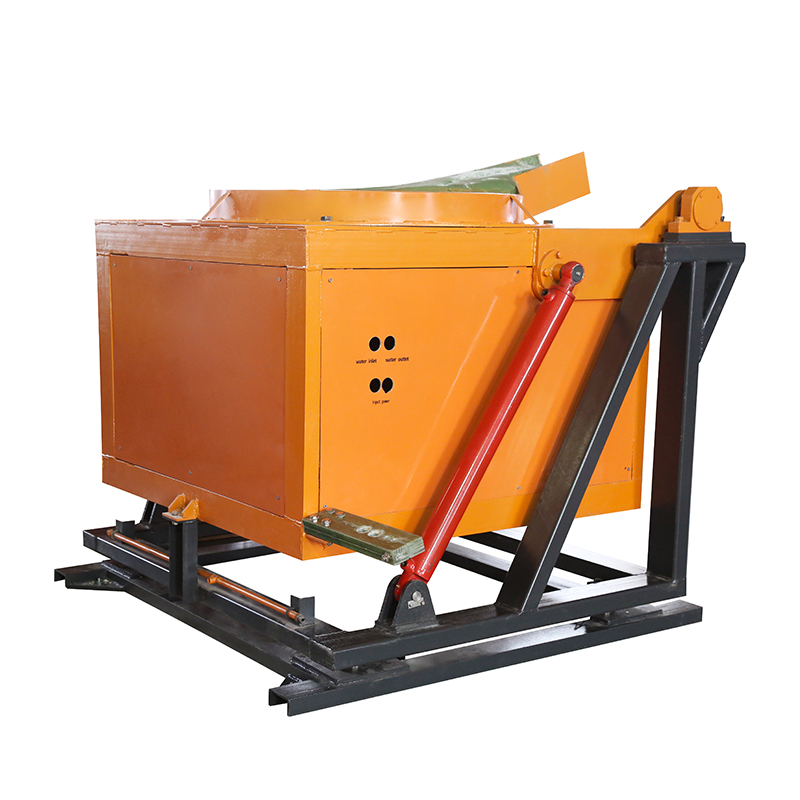
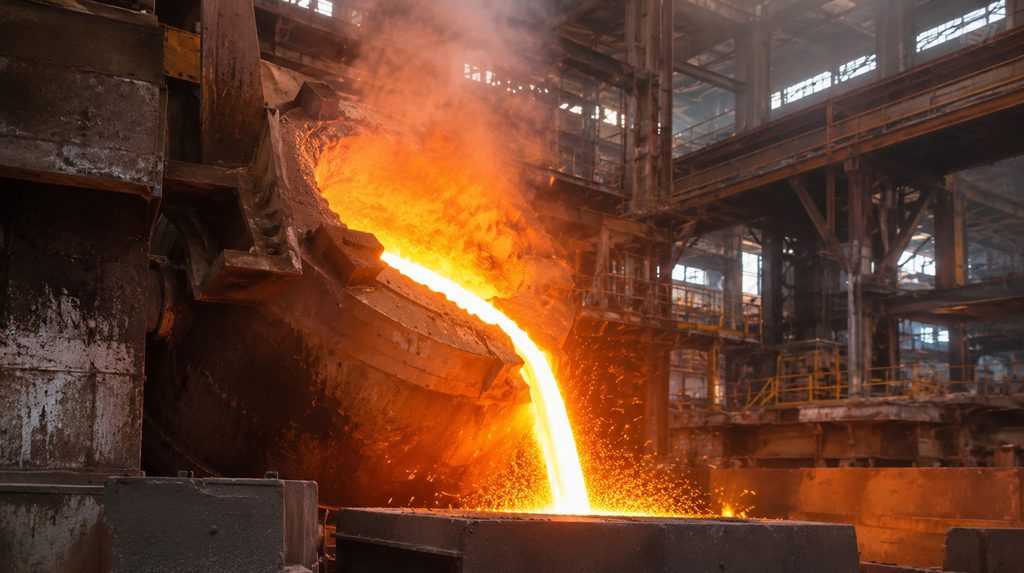
Cast iron production requires more than simply melting iron. Foundries must control metal composition, temperature, melting capacity, and the supply of molten iron to match their casting operations. The choice of a suitable cast iron melting furnace directly affects these production requirements.
A cast iron melting furnace converts prepared metallic materials into molten iron for subsequent treatment and casting. Common furnace options include cupola furnaces and electric induction furnaces, each offering different advantages depending on production volume, charge materials, and operating conditions.
For foundries considering an induction furnace for cast iron melting, understanding the complete production process is essential. Furnace capacity, melting frequency, metal treatment requirements, and the coordination between melting and pouring should all be considered before selecting equipment.
Understanding the Cast Iron Foundry Process
The cast iron foundry process involves several connected operations, beginning with raw material preparation and ending with finished castings. Although the exact production arrangement varies between foundries, the main stages generally include charge preparation, melting, molten metal treatment, pouring, solidification, and finishing.
1. Raw Material Preparation
The first stage is preparing the metallic charge according to the required cast iron grade and final chemical composition.
Common charge materials include:
- Pig iron
- Steel scrap
- Cast iron scrap
- Foundry returns, including suitable gates and risers
- Alloying additions and carburizing materials when required
The charge composition is determined by the target grade, the chemical analysis of available materials, and the required properties of the final casting.
Material sorting and inspection are important because inconsistent scrap composition can make chemical control more difficult. Foundries should establish a consistent charge calculation and sampling procedure rather than relying on a fixed material ratio for every production batch.
For more general guidance on identifying and preparing different scrap materials, see our scrap metal melting furnace selection guide.
2. Iron Melting
After preparation, the metallic charge is loaded into the selected melting furnace.
The furnace supplies the energy needed to convert solid materials into molten iron. During this stage, operators monitor the melting condition, metal temperature, and production schedule.
The melting method depends on the foundry’s requirements. Cupola furnaces are commonly associated with continuous iron melting, while induction furnaces provide an electric melting option for batch production and more flexible alloy changes.
The goal is to produce molten iron with the required chemical composition and temperature for the next operation.
3. Chemical Composition and Temperature Adjustment
Melting alone does not guarantee that the iron meets its final specification.
The molten metal must be checked to confirm that its chemical composition is suitable for the intended casting grade. Depending on the results, additional carbon, silicon, or other alloying materials may be required.
Temperature control is equally important. The required tapping and pouring temperatures depend on the iron grade, casting geometry, mold characteristics, and the temperature losses expected during transfer.
A single universal melting temperature should not be applied to every cast iron product. The foundry should establish its operating range according to the material specification and casting process.
4. Molten Metal Treatment
After melting, some cast iron grades require additional treatment to develop the desired graphite structure and casting properties.
Gray iron commonly undergoes inoculation. This treatment promotes graphite nucleation and helps control the final microstructure and the risk of undesirable carbide formation.
Ductile iron requires magnesium treatment to promote the formation of spheroidal graphite. Inoculation is also used to support graphite formation and control the resulting structure.
These treatments are carried out as part of the molten metal processing operation, often using a ladle-based treatment arrangement. They should not be confused with the melting function of the furnace itself.
5. Pouring and Casting
Once the molten iron meets the required process conditions, it is transferred to a pouring ladle or another suitable delivery system.
The molten metal is then poured into prepared molds. Proper control of pouring temperature, pouring rate, gating, and feeding helps the mold fill correctly and reduces the risk of casting defects.
After solidification and cooling, the castings are removed from the molds through shakeout operations. Gates and risers are removed, and the castings proceed to cleaning, grinding, inspection, or further heat treatment as required.
This is why a cast iron melting process should always be considered as part of the complete foundry production system rather than as an isolated furnace operation.
Gray Iron and Ductile Iron: Different Melting and Treatment Requirements
Gray iron and ductile iron are two important cast iron categories. Although both require molten iron preparation, their final graphite structures and treatment requirements are different.
| Comparison | Gray iron | Ductile iron |
|---|---|---|
| Graphite structure | Flake graphite | Spheroidal graphite |
| Main treatment consideration | Inoculation | Magnesium treatment and inoculation |
| Production control | Chemistry, inoculation, cooling and solidification | Base iron chemistry, magnesium treatment, inoculation and treatment control |
| Typical applications | Machine bases, engine blocks and housings | Pipes, automotive components and load-bearing parts |
For gray iron, the inoculation process helps promote a suitable graphite structure and control the formation of carbides.
For ductile iron, magnesium treatment changes the graphite formation from flakes to spheroidal nodules. The amount of residual magnesium, treatment efficiency, and the time between treatment and pouring all require appropriate process control.
These differences matter when selecting a melting system. A furnace must supply suitable base iron, but the complete production line must also accommodate the required treatment and pouring operations.
Main Types of Cast Iron Melting Furnace
Different furnace technologies are used in iron foundries. The main options include cupola furnaces, coreless induction furnaces, and channel induction furnaces.
Each type has a different operating principle and is suited to particular production requirements.
1. Cupola Furnace
A cupola furnace is a vertical shaft furnace that uses coke combustion to melt iron materials.
Metallic charge, coke, and flux are introduced into the furnace, while combustion air enters through tuyeres in the lower section. Heat from the combustion process melts the descending charge, and molten iron is collected and tapped from the bottom.
Cupola furnaces are commonly used for continuous iron melting and sustained production schedules.
Their main considerations include:
- Suitability for continuous melting operations
- Flexibility in handling different iron-bearing charge materials
- Coke consumption and fuel supply
- Slag management and refractory maintenance
- Exhaust gas collection and dust removal
Because coke participates in the melting environment, maintaining the required iron composition involves controlling both the charge and furnace operating conditions.
2. Coreless Induction Furnace
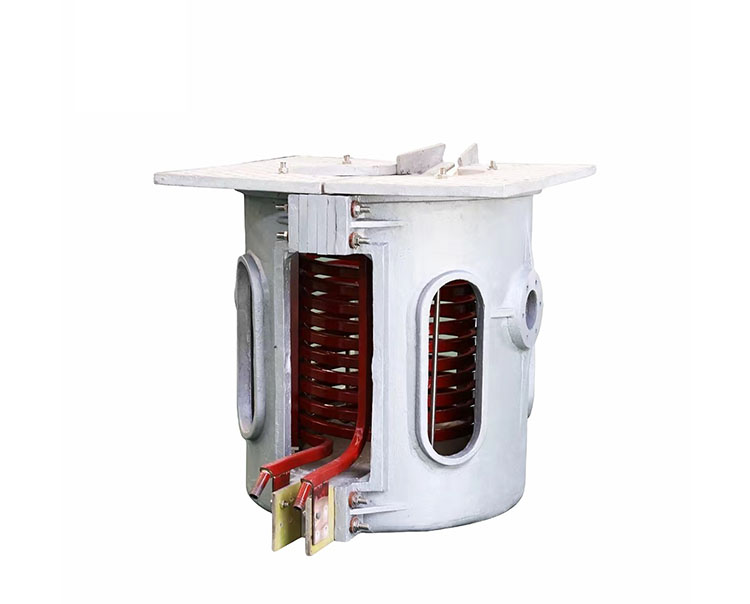
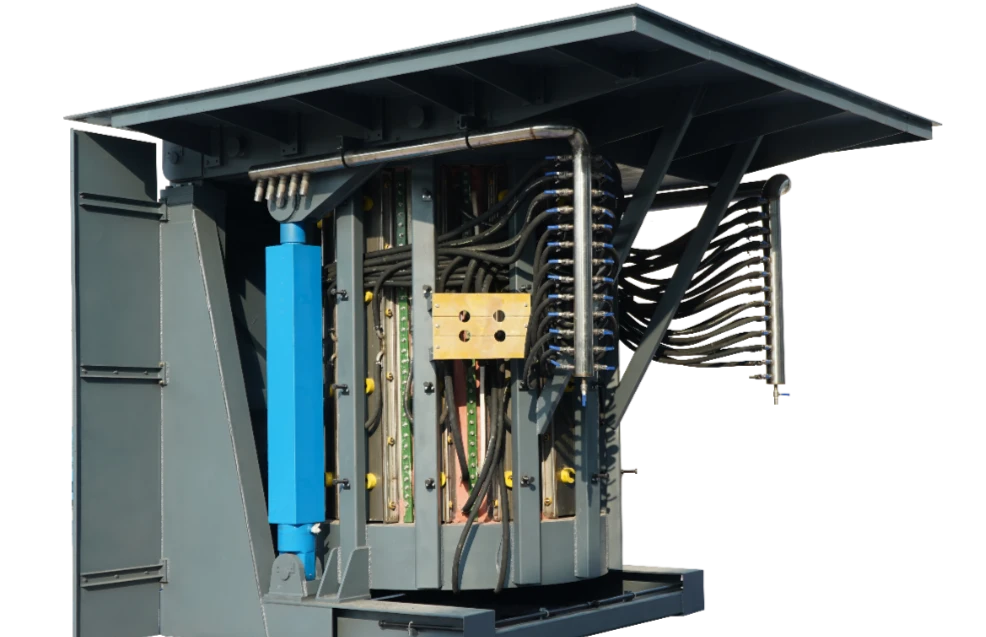
A coreless induction furnace uses an alternating magnetic field to generate heat directly within the metal charge.
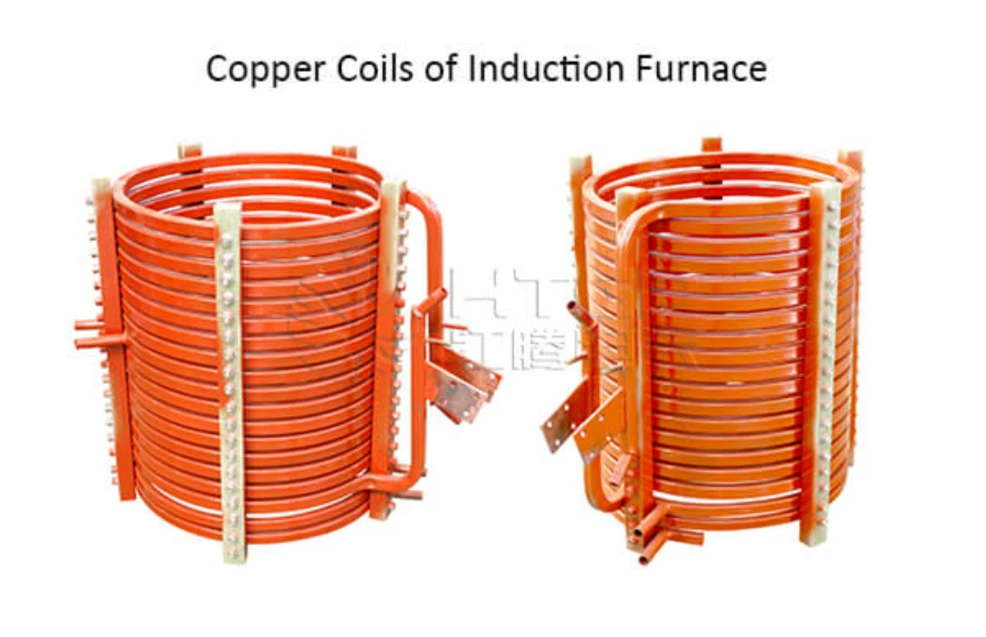
A water-cooled copper coil surrounds a refractory-lined crucible. Alternating current through the coil generates a magnetic field, which induces electrical currents in the metallic charge. The resistance of the metal to these currents generates heat and melts the iron.
Coreless induction furnaces are used in iron foundries for batch melting and applications requiring flexibility in the production schedule or alloy composition.
Their important characteristics include:
- Electric heating without coke combustion inside the furnace
- Flexible batch and heel-melting operation
- Electromagnetic stirring of the molten metal
- Flexibility when changing between different metal grades
- Dependence on suitable electrical supply and refractory materials
The charge still needs to be properly prepared and chemically controlled. An induction furnace cannot automatically correct unsuitable raw material or guarantee the required final composition.
3. Channel Induction Furnace
A channel induction furnace uses an inductor to heat a circulating loop of molten metal connected to the main furnace bath.
It is commonly applied to molten metal holding and continuous metal supply. Depending on its design, a channel furnace can also perform melting duties.
A key consideration is that channel induction furnaces generally require a molten metal heel to remain in the system. This makes complete draining and frequent alloy changes less straightforward than with many coreless induction furnace arrangements.
For foundries requiring continuous metal availability or large-scale holding operations, channel furnace systems may be worth evaluating.
Comparison of Different Furnace Types
| Selection factor | Cupola furnace | Coreless induction furnace | Channel induction furnace |
|---|---|---|---|
| Main energy source | Coke | Electricity | Electricity |
| Typical operating pattern | Continuous | Batch or heel operation | Holding or continuous supply |
| Alloy change flexibility | More limited | Generally flexible | More limited by the retained metal heel |
| Charge material tolerance | Can handle a wider range of charge conditions | Requires suitable prepared charge | Depends on the process and existing molten metal |
| Main application | Sustained iron melting | Flexible iron melting | Holding and maintaining metal supply |
There is no single furnace type that is best for every iron foundry. The decision should be based on the required production pattern, material type, capacity, available energy, and environmental requirements.
When an Induction Furnace for Cast Iron Melting Makes Sense
Induction furnaces are increasingly important in foundry operations because they provide an alternative to fuel-based melting and offer flexibility in batch production.
An induction furnace for cast iron melting can be considered when a foundry needs to:
Produce different iron grades: Induction melting offers greater flexibility when changing between different alloy compositions, provided the charge and treatment processes are properly managed.
Control the melting operation: Electrical power control allows operators to adjust the melting process according to the required production cycle and temperature.
Coordinate melting and holding: Separate furnace vessels can support different stages of production, such as melting in one vessel while another is used for holding or preparing metal for pouring.
Reduce dependence on coke: Electric melting removes the need for coke combustion within the induction melting furnace. However, total environmental performance still depends on electricity generation, extraction systems, and other plant operations.
Induction melting does not eliminate the need for chemical analysis, inoculation, magnesium treatment, slag management, or pouring control. It is one part of the foundry’s complete molten metal production system.
How to Select a Cast Iron Melting Furnace
Choosing the right cast iron melting furnace requires a clear understanding of the foundry’s production requirements.
The following factors should be reviewed before selecting equipment.
1. Production Capacity and Melting Schedule
Start with the actual demand for molten iron rather than choosing equipment based only on nominal furnace capacity.
Consider the amount of iron required per heat, the number of heats per shift, melting time, holding time, tapping time, and the production schedule of the molding line.
For a more detailed explanation of rated capacity, melting rate, and production requirements, refer to our induction furnace capacity calculation guide.
2. Cast Iron Grade and Chemical Requirements
The equipment should be selected according to the intended iron grade and its chemical composition requirements.
Gray iron, ductile iron, and alloyed cast iron may require different charge materials, adjustment procedures, and downstream treatment arrangements.
The refractory lining and furnace configuration must also be suitable for the actual iron melting conditions.
3. Production Pattern
A foundry producing one grade continuously may have different requirements from a facility manufacturing several grades in separate batches.
Consider whether the production line needs:
- Continuous or batch melting
- Frequent alloy changes
- A separate holding furnace
- Flexible pouring arrangements
- One or multiple furnace vessels
These factors influence the overall furnace arrangement and power supply configuration.
4. Electrical Supply and Supporting Systems
For an induction melting system, the available electrical supply must be considered together with the required furnace power and operating schedule.
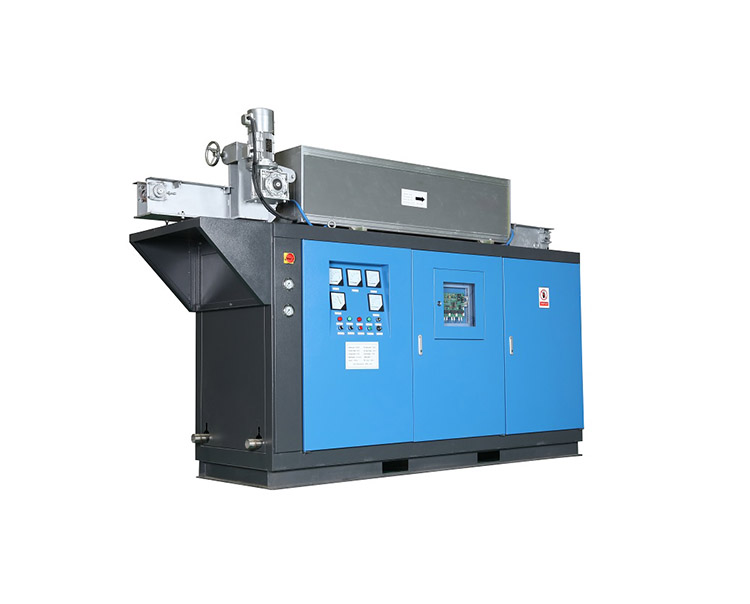
The complete system may include a transformer, medium-frequency power supply, capacitor bank, induction coil, cooling circuits, monitoring equipment, and protective functions.
The electrical installation, cooling capacity, water quality, and protection arrangements must be confirmed against the selected equipment configuration.
5. Refractory Lining and Maintenance
The refractory lining is in direct contact with the molten iron and must be selected for the actual metal chemistry, operating temperature, slag conditions, and melting schedule.
Foundries should also consider lining installation, drying and sintering procedures, monitoring, repair, and replacement arrangements.
Maintenance planning is important because unexpected furnace downtime can interrupt the supply of molten metal to the casting line.
MeltingTech Steel Shell Melting Furnace for Foundry Applications
MeltingTech provides medium-frequency induction melting equipment and supporting systems for industrial metal melting applications.
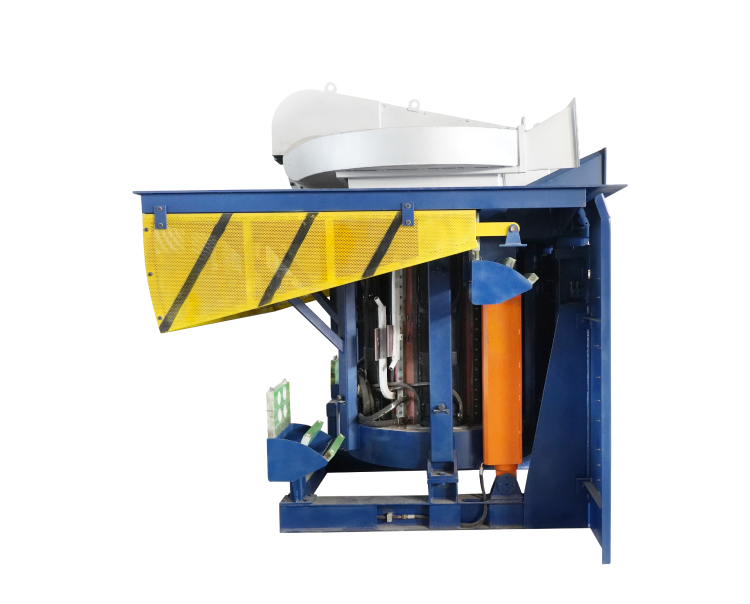
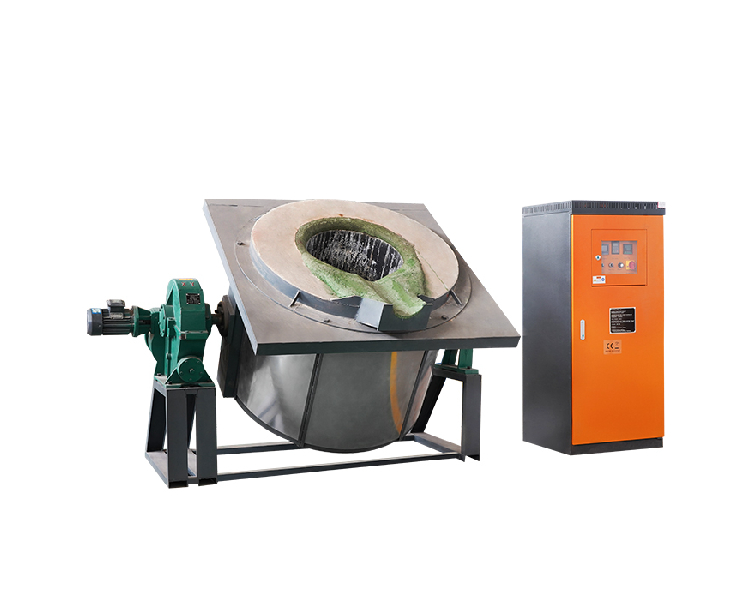
One option in its product range is the Steel Shell Melting Furnace.
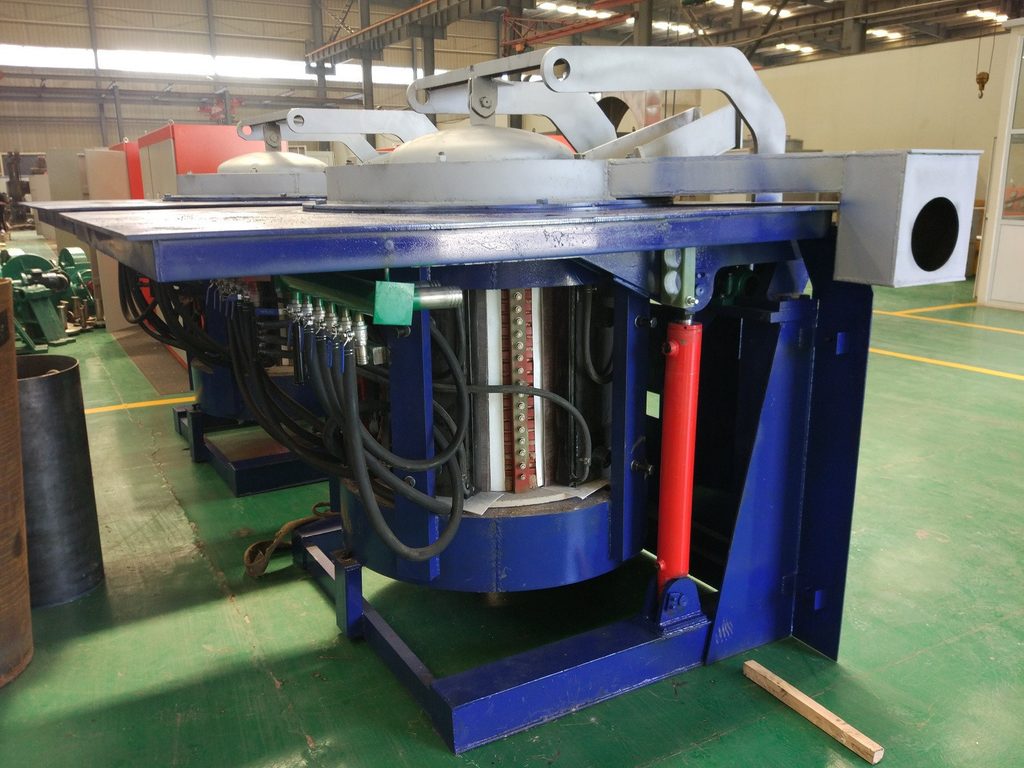
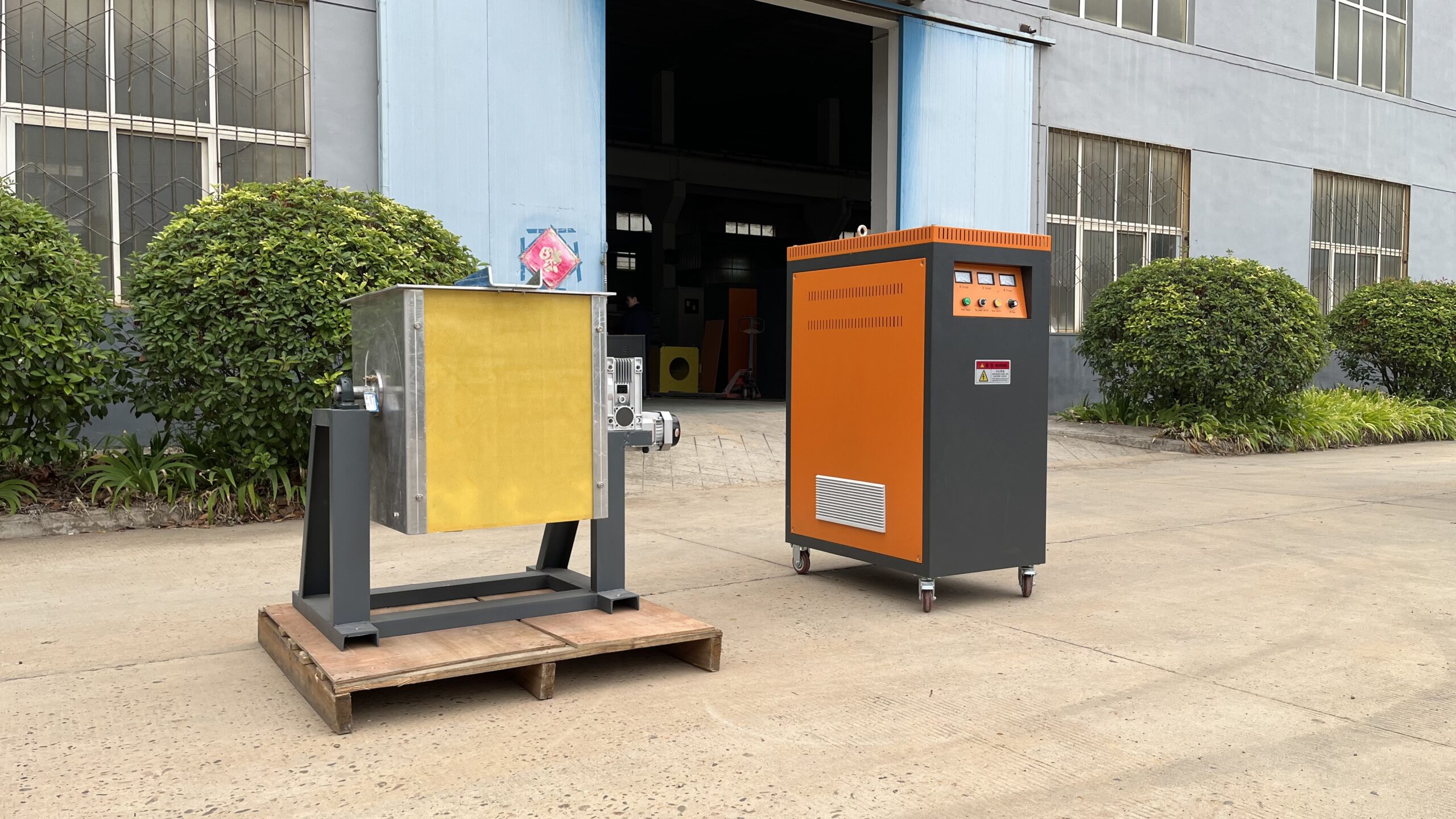
According to the published product description, this configuration uses one induction power supply to serve two furnace vessels. Power can be allocated between the two vessels, allowing one furnace to perform melting while the other is used for pouring or holding, according to the operating arrangement.
This configuration is worth considering for foundries that need to coordinate separate melting and holding or pouring duties.
The term steel shell refers to the furnace body’s construction, not the type of metal being melted.
For a cast iron project, however, the actual furnace configuration must be confirmed against the required iron grade, refractory lining, usable capacity, power supply, operating temperature, and production schedule. The published product page does not provide a cast-iron-specific technical specification, so these details should be confirmed during engineering consultation.
MeltingTech’s induction melting furnace range provides an overview of its available furnace configurations. The final selection should be based on the actual material and production requirements rather than the furnace shell type alone.
FAQ About Cast Iron Melting Furnaces
Can an induction furnace melt cast iron?
Yes. Induction furnaces are widely used in iron foundries to melt cast iron. The appropriate configuration depends on the iron grade, charge materials, required capacity, melting schedule, and refractory system.
What is the difference between a cupola furnace and an induction furnace?
A cupola furnace uses coke combustion to melt iron and is commonly associated with continuous production. An induction furnace uses electrical energy to heat the metal and offers greater flexibility for batch production and alloy changes. The best choice depends on the foundry’s operating conditions.
What materials are used for cast iron melting?
Common materials include pig iron, steel scrap, cast iron returns, foundry scrap, and suitable alloying additions. The actual charge composition must be calculated according to the target iron grade and the chemical analysis of the available materials.
Does a melting furnace produce ductile iron directly?
No. Melting provides the base molten iron, but ductile iron production requires additional magnesium treatment and inoculation to develop the required graphite structure.
How should a foundry determine the required furnace capacity?
The required capacity should be based on the production target, usable molten metal per heat, complete melting cycle, holding requirements, and operating schedule. Nominal furnace capacity and hourly melting rate are different specifications.
Conclusion
Selecting a suitable cast iron melting furnace requires an understanding of the complete foundry production process. Charge preparation, melting, chemical composition, molten metal treatment, and pouring all influence the final casting quality.
Cupola and induction furnaces serve different production requirements. Cupola furnaces are commonly used for continuous melting, while induction furnaces provide an electric alternative with greater flexibility for batch operations and alloy changes.
For foundries considering an induction melting system, the furnace configuration should be matched to the iron grade, required molten metal output, electrical conditions, refractory requirements, and production schedule.
For equipment consultation, contact the MeltingTech team with your iron grade, charge materials, required molten metal output, and production schedule. These details help establish the appropriate furnace configuration for your project.