Sand casting is widely used to manufacture metal components with different shapes, sizes and material requirements. However, defects can develop during mold preparation, metal melting, pouring and solidification. These problems may affect casting dimensions, surface quality and internal integrity, resulting in additional inspection, rework or rejected parts.
Understanding common sand casting defects and their causes helps foundries identify where problems originate and select appropriate corrective actions. Gas porosity, shrinkage cavities, sand inclusions, misruns and cold shuts are among the defects that require particular attention.
For foundries planning or improving their production operations, MeltingTech’s metal melting and casting solutions cover equipment used in different stages of metal processing. This guide focuses on identifying casting defects, understanding their possible causes and improving process control.
Common Sand Casting Defects and Their Causes
Casting defects do not always have a single cause. The same visible problem may result from different combinations of mold properties, molten metal conditions, gating design and pouring practices.
The first step is to identify the defect correctly rather than immediately changing a process parameter.
| Defect | Typical appearance | Common contributing factors |
|---|---|---|
| Gas porosity | Small, rounded cavities inside or near the casting surface | Moisture, gas generation, poor venting or dissolved gas in the metal |
| Shrinkage cavity | Irregular cavities or voids, often near heavier sections | Insufficient feeding during solidification |
| Misrun | An incompletely filled casting cavity | Insufficient metal fluidity, inadequate filling conditions or poor gating design |
| Cold shut | A seam or discontinuity where two metal streams meet | Premature cooling, poor stream fusion or unfavorable filling conditions |
| Sand inclusion | Sand particles or irregular surface cavities trapped in the casting | Mold erosion, inadequate sand strength or turbulent metal flow |
| Sand expansion defects | Surface irregularities, scabs or raised areas | Thermal expansion and insufficient control of mold properties |
These categories help organize defect investigation, but the actual diagnosis should consider the casting alloy, mold system, component geometry and production conditions.
1. Gas Porosity and Blowholes
Gas porosity is one of the most common sand casting defects. It occurs when gas becomes trapped in the metal during filling or solidification.
Gas-related cavities may appear as small, rounded holes within the casting or just below its surface. Some defects become visible only after machining or further inspection.
Causes of Gas Porosity
Several factors may contribute to gas porosity:
- Excessive moisture in molding sand: Moisture can generate water vapor when exposed to molten metal.
- Insufficient mold permeability: Gas cannot escape from the mold effectively when the sand structure restricts gas flow.
- Inadequate mold or core venting: Trapped gases may enter the molten metal or remain inside the casting.
- Excessive binder or gas-generating materials: Certain binders and additives can release gases during pouring.
- Gas dissolved in molten metal: Depending on the alloy, dissolved gases may contribute to porosity. Hydrogen is particularly relevant in aluminum casting.
It is important to distinguish gases generated by the mold and core from gases already present in the molten metal. They require different inspection and corrective measures.
How to Reduce Gas Porosity
Foundries should first identify whether the defect originates from the sand system, mold design or molten metal.
Practical checks include:
- Monitor molding sand moisture and other relevant properties according to the specific sand system.
- Check sand permeability and ensure that the mold and cores have adequate gas escape paths.
- Review binder content and core preparation, including drying or baking requirements where applicable.
- Inspect the gating system for excessive turbulence and air entrainment.
- For alloys susceptible to dissolved-gas porosity, evaluate melt handling and appropriate degassing procedures.
Simply increasing the number of vents is not always the correct solution. Mold strength, permeability and filling behavior must be considered together.
2. Shrinkage Cavities and Shrinkage Porosity
Shrinkage defects develop when molten metal contracts during solidification and the remaining liquid metal cannot adequately feed the contracting regions.
They are commonly found near heavy sections, junctions or other locations that solidify later than surrounding areas.
Unlike gas porosity, shrinkage cavities are generally irregular in shape. Microshrinkage can also appear as smaller interconnected voids within the casting.
Causes of Shrinkage Defects
Common contributing factors include:
- Insufficient riser or feeder capacity.
- Incorrect riser location.
- Poor gating and feeding system design.
- Uneven section thickness and unfavorable solidification patterns.
- Inadequate control of local hot spots.
A casting may develop shrinkage even when the mold is properly prepared and the metal is poured under controlled conditions. The geometry of the casting and its solidification behavior must also be considered.
Remedies for Shrinkage Porosity
The corrective action should focus on feeding and solidification rather than mold venting alone.
- Review riser size, position and connection to the sections requiring feeding.
- Check whether the casting design creates isolated hot spots.
- Evaluate the use and position of chills where appropriate.
- Improve directional solidification so that liquid metal can feed regions that solidify later.
- Use casting simulation when the component geometry or repeated shrinkage problems justify further analysis.
The correct riser and feeding arrangement depends on the alloy, casting geometry and production method. There is no single riser configuration suitable for every sand casting.
3. Misruns
A misrun occurs when molten metal solidifies before completely filling the mold cavity. The resulting casting has missing sections or incomplete edges.
This defect is particularly important when producing castings with thin sections, long flow paths or complex geometries.
Causes of Misruns
Possible causes include:
- Insufficient fluidity of the molten metal.
- Pouring temperature outside the appropriate process range.
- Slow or interrupted pouring.
- Inadequate gating design.
- Long flow distances or thin casting sections that allow rapid heat loss.
The same defect can have more than one contributing factor. For example, a thin section may be difficult to fill even when the metal temperature is within the normal operating range for the alloy.
How to Prevent Misruns
The foundry should review the relationship between metal temperature, mold filling time and casting geometry.
Possible corrective actions include:
- Verify that the pouring temperature is appropriate for the specific alloy and casting design.
- Review the sprue, runner and ingate arrangement.
- Check the metal flow path and avoid unnecessary restrictions.
- Maintain a consistent pouring operation.
- Review casting section thickness and overall design where incomplete filling repeatedly occurs.
Increasing pouring temperature without checking the alloy and mold conditions is not a reliable universal remedy.
4. Cold Shut
A cold shut forms when two streams of molten metal meet but do not fuse properly. It usually appears as a visible line, seam or discontinuity on the casting surface.
Although cold shuts and misruns may have similar causes, they are different defects.
A misrun means that part of the mold cavity was not filled. A cold shut means that metal streams reached a meeting point but failed to form a sound connection.
Causes of Cold Shuts
Common contributing factors include:
- Low metal temperature or insufficient fluidity.
- Slow filling that allows metal streams to cool before meeting.
- Poor gating arrangement.
- Unfavorable flow paths or interrupted pouring.
- Oxide films or other surface conditions that prevent proper fusion.
Cold Shut Prevention
Foundries should examine where the metal streams meet and how they flow through the mold.
Corrective actions may include reviewing ingate positions, improving filling conditions, maintaining the appropriate pouring temperature and reducing unnecessary flow interruptions.
The specific adjustment should be based on the alloy and casting geometry rather than a fixed temperature recommendation.
5. Sand Inclusions and Mold Erosion
Sand inclusions occur when loose or detached molding sand becomes trapped in the casting.
These defects may appear as irregular particles, rough cavities or areas containing sand residues. Mold erosion is often associated with areas exposed to strong or turbulent metal flow.
Causes of Sand Inclusions
Potential causes include:
- Insufficient mold strength.
- Inconsistent sand mixing or compaction.
- Poorly prepared mold surfaces.
- Damaged molds or cores during handling.
- Excessive turbulence or direct metal impingement during filling.
- Inadequate control of sand properties, including moisture, binder content and compactability.
The exact cause depends on the molding process. Green sand, chemically bonded sand and other mold systems have different material requirements.
Remedies for Sand Inclusions
To reduce sand-related defects:
- Maintain consistent sand preparation and mixing.
- Check mold strength and compaction before pouring.
- Inspect mold and core surfaces for damage.
- Review the gating system to reduce unnecessary turbulence and erosion.
- Handle and close molds carefully to prevent loose sand from entering the cavity.
Increasing mold strength alone is not sufficient. The mold must also maintain suitable permeability and other properties required for the chosen casting process.
6. Sand Expansion and Surface Defects
Some sand casting defects develop because the mold surface responds to the heat of molten metal.
Depending on the molding sand, binder system and casting conditions, thermal expansion can contribute to surface defects such as scabs, buckles and rat-tail marks.
Other surface problems, including burn-on and metal penetration, may involve the interaction between molten metal and the refractory surface of the mold.
When investigating these defects, foundries should examine:
- Sand grain characteristics and distribution.
- Mold strength and compaction.
- Binder and moisture control.
- Refractory properties and mold coatings.
- Pouring conditions and local metal temperatures.
These defects should not automatically be treated as gas porosity or shrinkage. Their appearance and causes are different, so the inspection method and corrective action should also be different.
How to Identify the Root Cause of Sand Casting Defects
A useful defect investigation should connect the appearance of the casting with the process conditions that produced it.
Rather than changing multiple parameters at once, foundries can use a structured approach.
| Investigation step | What to examine | Purpose |
|---|---|---|
| 1. Identify the defect | Shape, location and distribution of the defect | Establish whether it is gas-related, shrinkage-related, sand-related or filling-related |
| 2. Examine the casting design | Wall thickness, section changes and junctions | Identify potential hot spots and difficult filling paths |
| 3. Check the mold system | Moisture, permeability, strength, compaction and venting | Find possible mold and core-related causes |
| 4. Review molten metal preparation | Alloy composition, melt condition and relevant treatment records | Identify potential metal-related causes |
| 5. Inspect gating and feeding | Sprue, runners, ingates and risers | Evaluate flow, feeding and solidification |
| 6. Verify corrective actions | Compare inspection results before and after a controlled process change | Confirm whether the identified cause has been addressed |
Visual inspection is useful for initial screening, but it may not be sufficient for internal defects. Depending on the casting’s requirements, foundries may use sectioning, radiographic inspection or other suitable nondestructive testing methods.
The American Foundry Society also emphasizes systematic root-cause analysis rather than applying corrective actions based only on the visible appearance of a defect.
The Role of Casting and Melting Equipment in Defect Prevention
Sand casting quality depends on the interaction of several production stages. Equipment provides the conditions needed to carry out these stages, but no single machine can independently prevent every casting defect.
A sand casting production line may include sand preparation, molding, pouring, cooling, shakeout and cleaning. Consistency across these stages is important for stable production.
MeltingTech’s sand mold casting production line is designed around these production stages and is intended for castings made from steel, aluminum alloys and cast iron.
Mold Preparation and Sand Control
The mold preparation stage directly affects sand strength, permeability, mold shape and surface condition.
Consistent sand mixing, molding and compaction help reduce variations that can contribute to gas defects, sand inclusions and surface problems.
Molten Metal Preparation
Molten metal quality also affects casting results. Alloy composition, temperature, cleanliness and the suitability of any required metal treatment must be controlled according to the material and casting process.
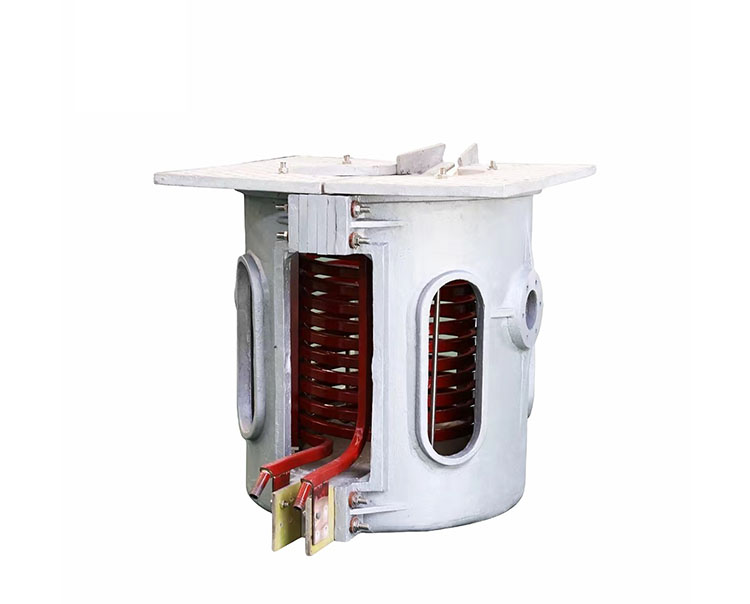
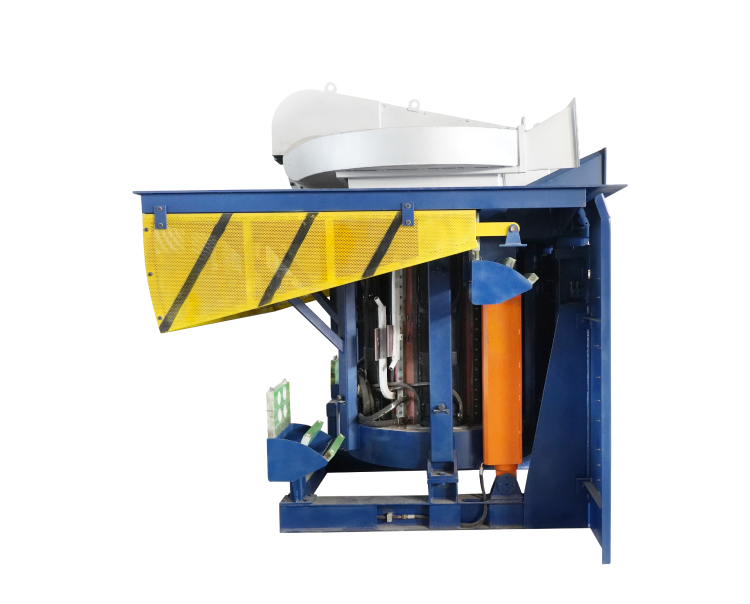
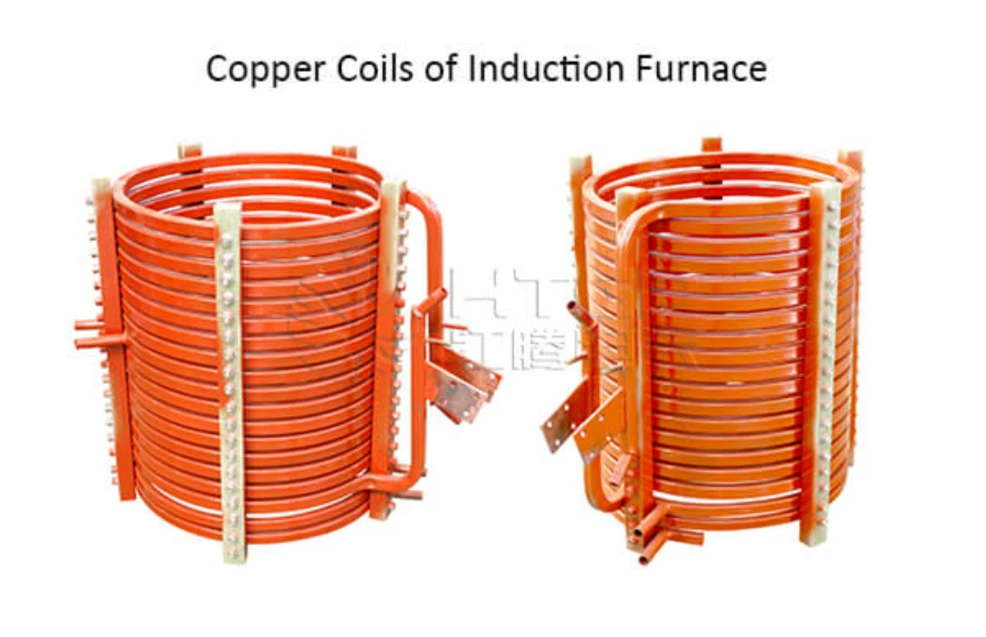
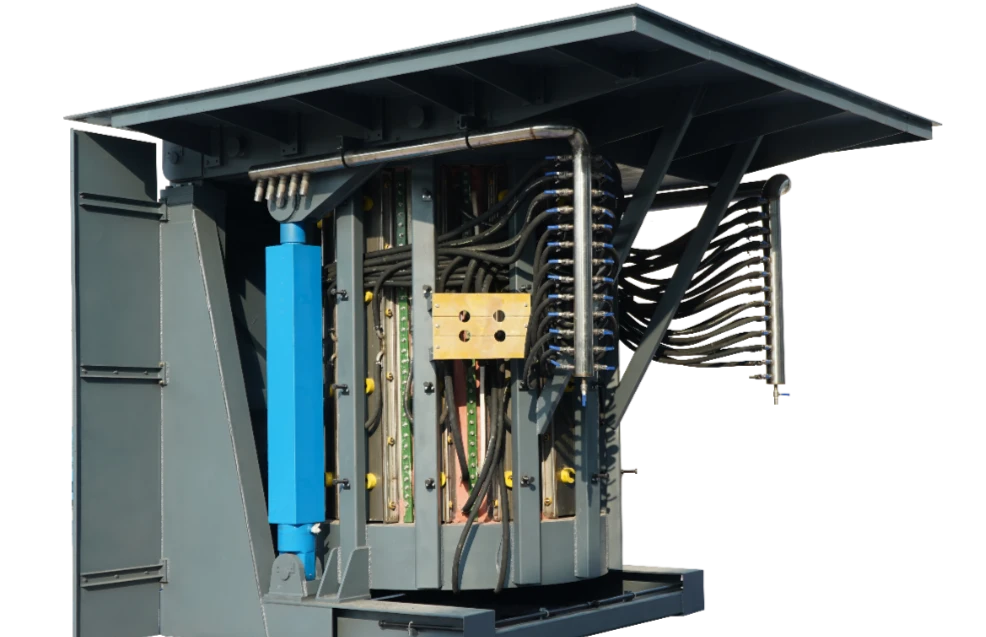
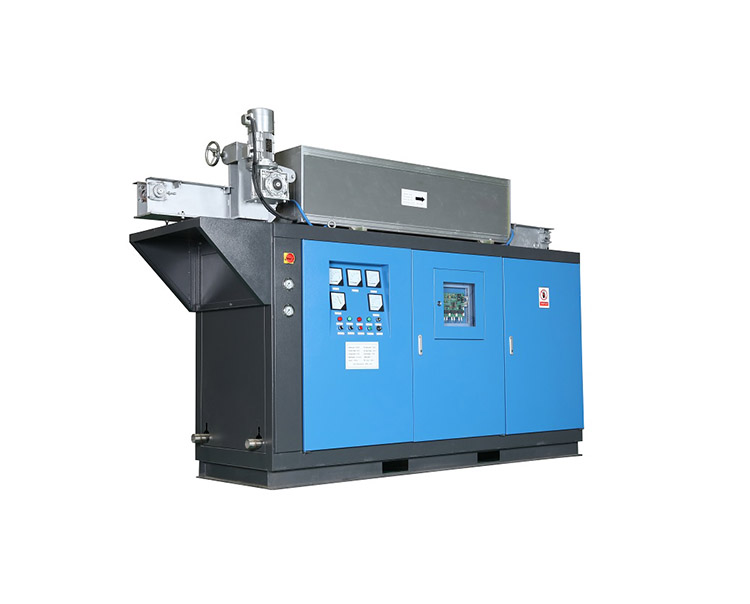
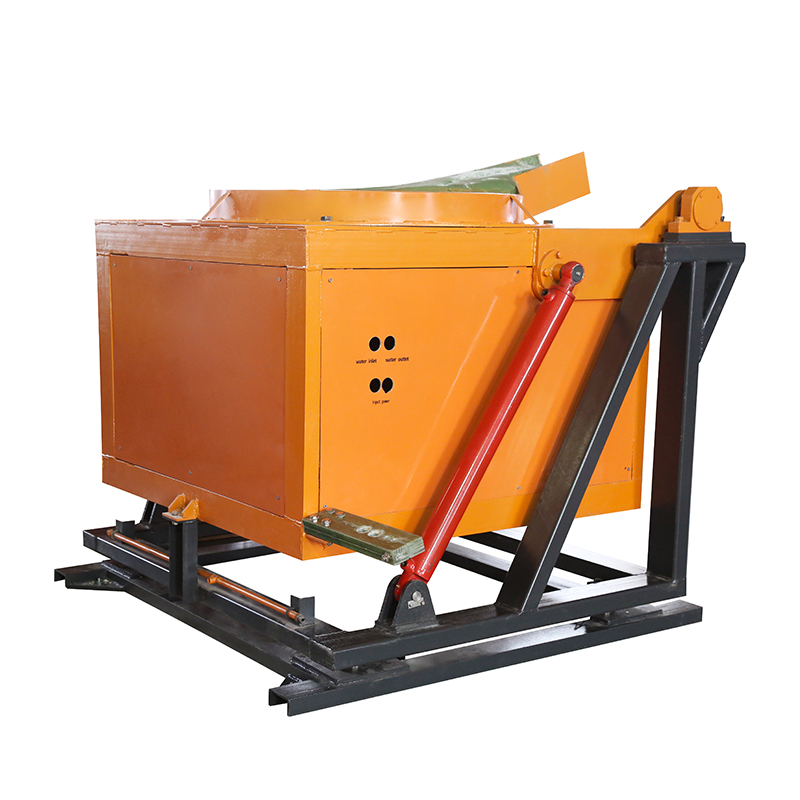
For foundries using induction melting, equipment such as MeltingTech’s steel shell melting furnace can form part of the metal preparation stage.
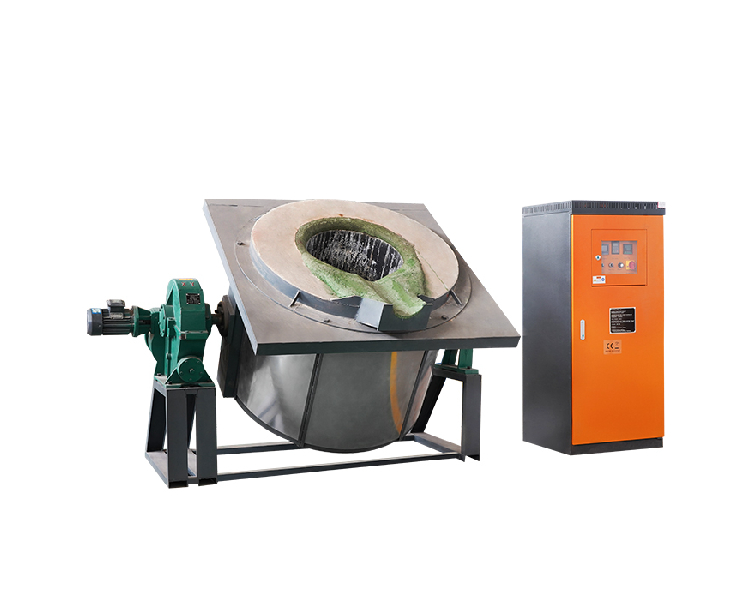
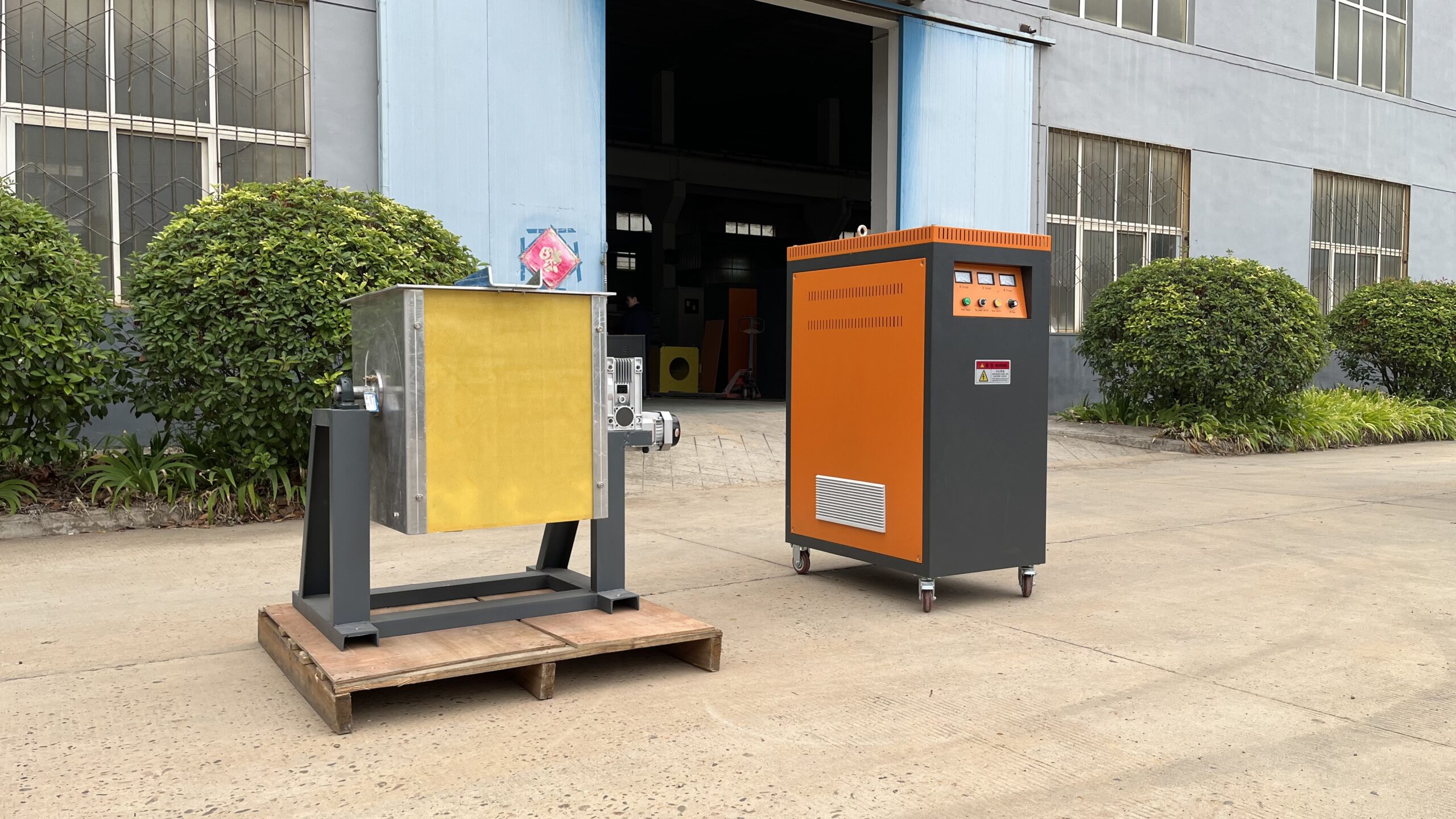
For aluminum foundries, the aluminum melting furnace is designed for melting aluminum ingots and suitable aluminum scrap and can be used in casting-related production operations.
However, a melting furnace should not be considered a complete solution to gas porosity or other casting defects. Processes such as melt treatment, mold venting, gating design and feeding must be evaluated separately according to the alloy and production requirements.
Pouring, Cooling and Shakeout
The way metal enters the mold, solidifies and cools influences filling quality and the final casting.
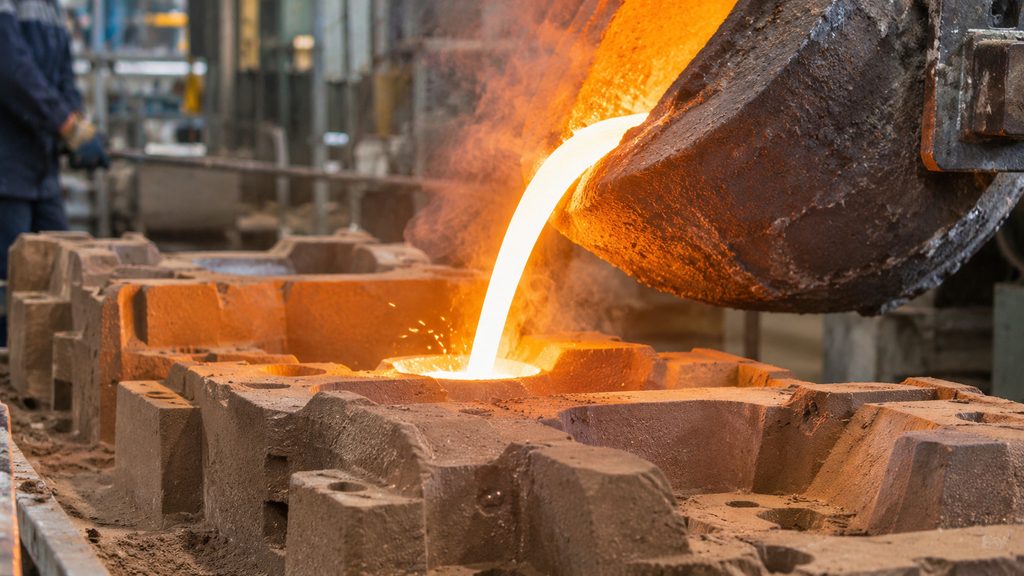
Gating design, pouring consistency and the thermal behavior of the mold all need to be considered. After solidification, controlled shakeout and cleaning allow the casting to be inspected for surface and dimensional defects.
A properly configured production line helps coordinate these operations, but process parameters still need to be established and controlled for each casting.
Conclusion
Common sand casting defects include gas porosity, shrinkage cavities, misruns, cold shuts, sand inclusions and surface defects caused by mold expansion or erosion.
Although these problems may look similar at first, their causes can be very different. Gas porosity requires investigation of gas generation, permeability, venting and metal condition, while shrinkage defects require attention to feeding and solidification. Misruns and cold shuts call for a review of mold filling and metal flow, whereas sand inclusions require closer examination of mold strength and handling.
The most effective approach is to identify the defect correctly, review the relevant production stages and verify corrective actions through inspection.
For foundries planning a new sand casting line or reviewing their existing production configuration, contact MeltingTech to discuss casting equipment requirements, material types and production conditions.