Aluminum scrap recycling converts recovered aluminum materials into reusable metal through sorting, preparation, melting, melt treatment, and casting. For manufacturers producing recycled aluminum ingots, these stages form the main production route of secondary aluminum production.
The process starts with identifying and preparing suitable scrap materials. An aluminum melting furnace then converts the prepared charge into molten aluminum, which can be treated according to the required alloy and product specifications before being transferred to an ingot casting system.
Understanding each stage helps recycling plants plan their production processes and select equipment that matches their raw materials and finished products.
What Is Secondary Aluminum Production?
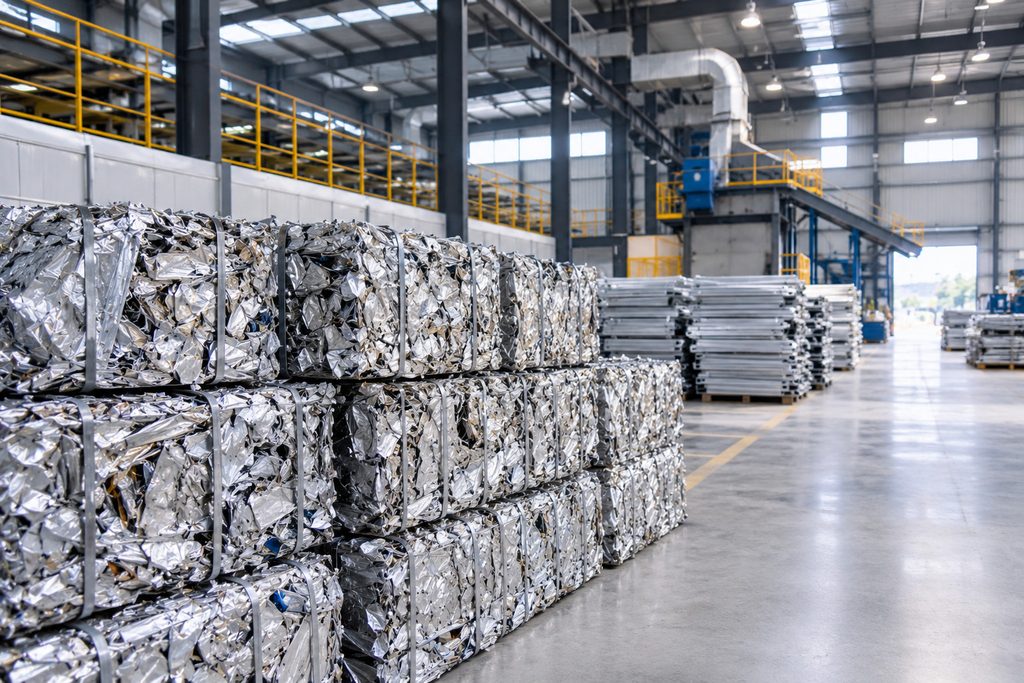
Secondary aluminum production is the process of recovering aluminum from scrap and remelting it for reuse. Unlike primary aluminum production, which starts with bauxite ore, secondary production uses aluminum-containing materials recovered from manufacturing operations or discarded products.
Common aluminum scrap sources include:
- Aluminum castings and manufacturing offcuts
- Used aluminum doors and windows
- Aluminum wire and cable
- Used aluminum cans
- Other aluminum products collected for recycling
The composition and physical condition of these materials can vary. Some scrap may contain coatings, oil, attached non-metallic materials, or mixed alloy grades.
For this reason, aluminum scrap recycling is not simply a matter of placing all collected materials into a furnace. The incoming material must be evaluated and prepared for the intended melting and casting process.
Main Stages of the Aluminum Scrap Recycling Process
The exact process depends on the scrap source, material condition, alloy requirements, and final product. A typical route for producing recycled aluminum ingots includes the following stages.
1. Scrap Sorting and Preparation
Before melting, aluminum scrap needs to be identified and separated according to its material type and condition.
Sorting helps distinguish aluminum from other metals and non-metallic materials. Where possible, separating different alloy groups also makes it easier to control the composition of the recovered metal.
Preparation requirements vary according to the scrap. For example, clean aluminum production offcuts may require less processing than used cans or materials containing oil, paint, coatings, or attached components.
Depending on the incoming material, preparation may involve:
- Removing non-aluminum attachments and unwanted materials
- Separating different aluminum grades where necessary
- Removing oil, coatings, or other contaminants when required
- Ensuring the charge meets the required moisture and handling conditions
- Reducing the size of bulky scrap when necessary for charging
Not every recycling plant requires the same preparation equipment or process sequence. These operations should be determined by the incoming scrap rather than treated as a universal setup.
Proper preparation provides more consistent material for melting and helps the plant manage contamination and metal losses.
2. Aluminum Scrap Melting in a Furnace
After preparation, the aluminum scrap is charged into a suitable furnace and heated until it becomes molten metal.
This is the central stage of the aluminum scrap recycling process. The furnace must be suitable for the type of aluminum charge and the production requirements of the plant.
Materials that may be used in an aluminum recycling furnace include aluminum ingots, scrap aluminum castings, old aluminum doors and windows, used wires, and used cans. These are among the raw materials listed on MeltingTech’s aluminum melting furnace product page.
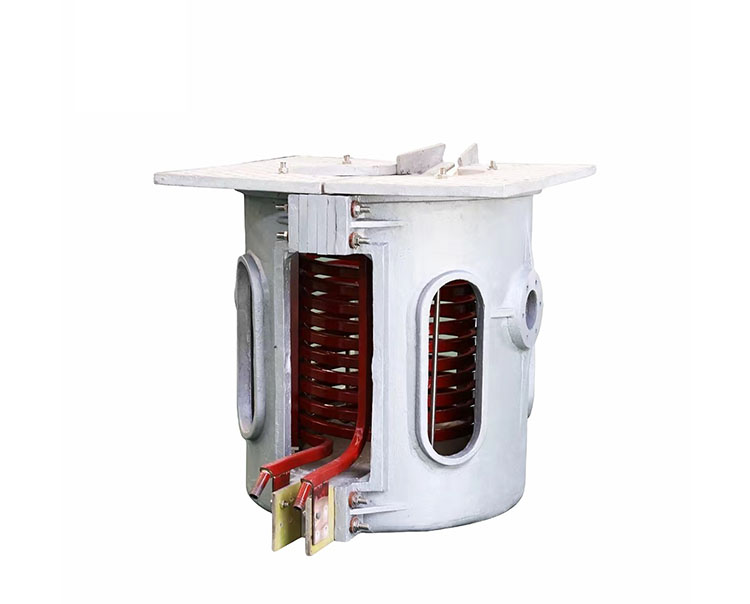
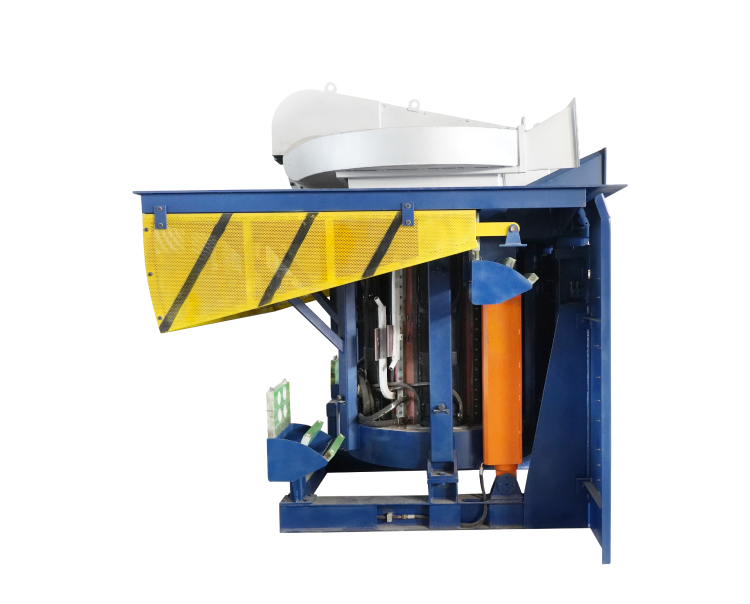
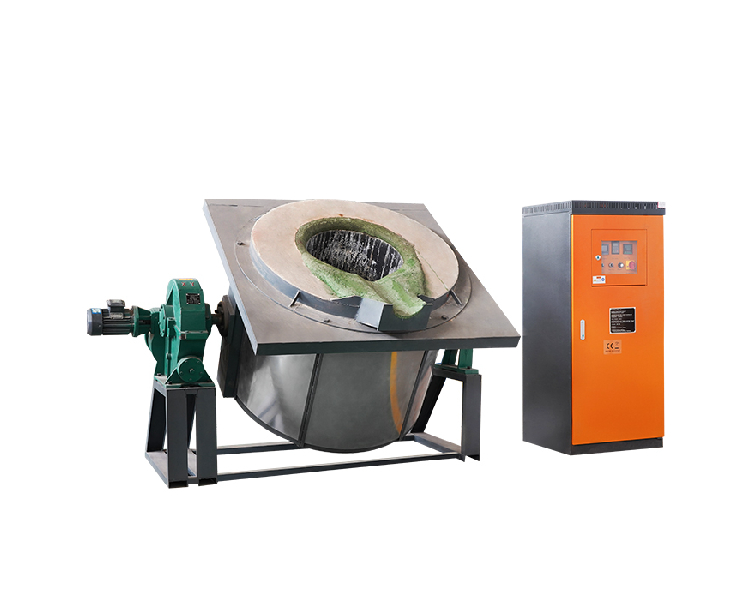
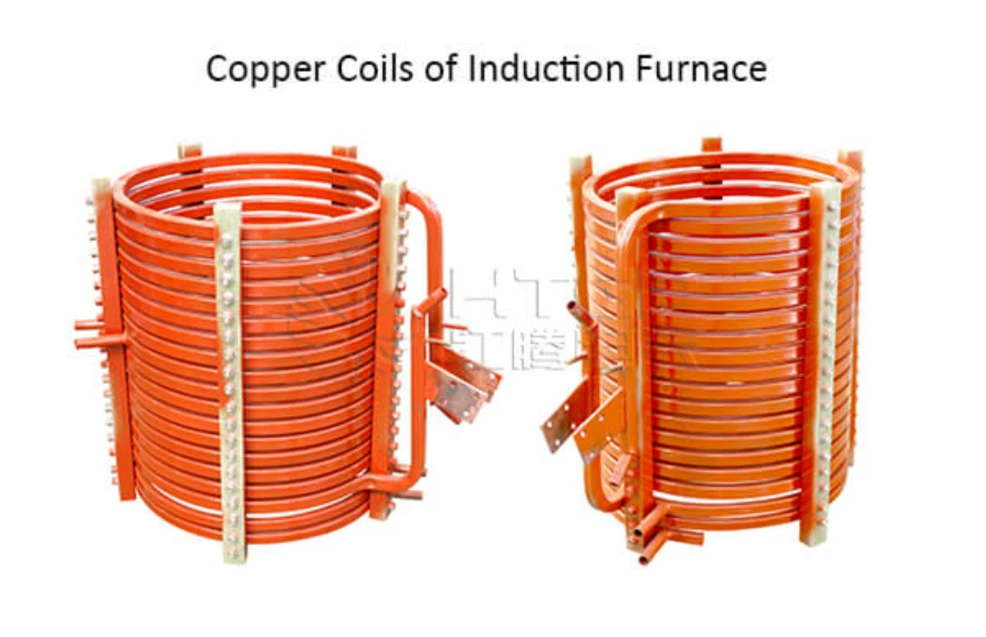
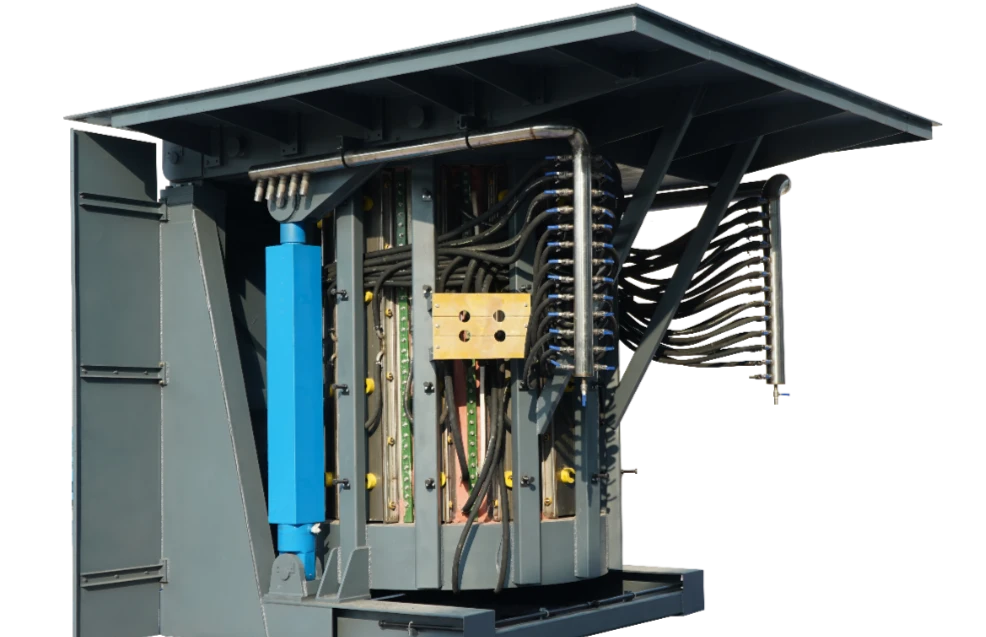
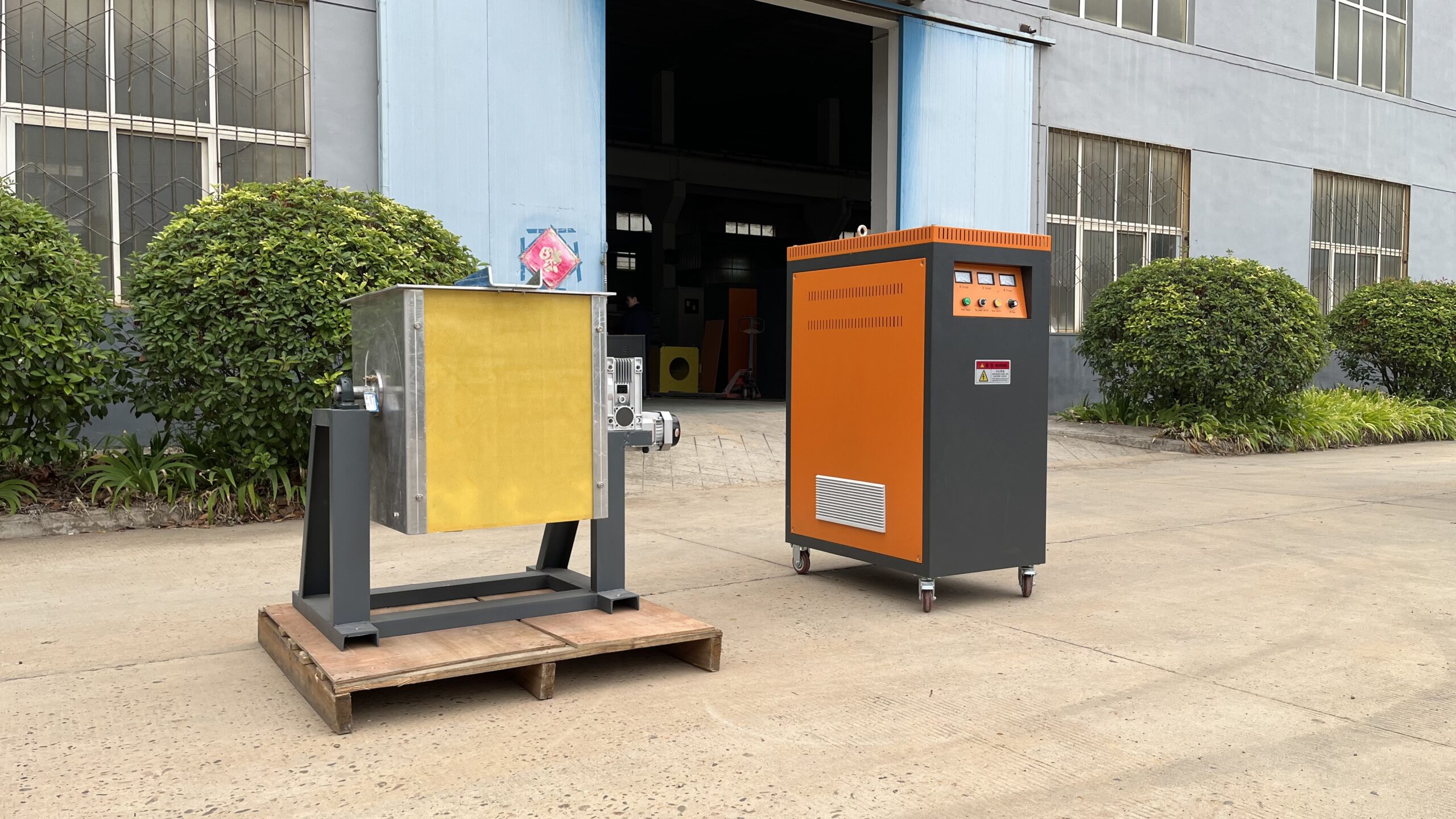
An aluminum melting furnace is used to melt aluminum and aluminum alloys for subsequent casting or other production operations.
During this stage, operators need to manage charging, melting conditions, molten-metal quality, and dross removal. Scrap condition and alloy composition can influence the actual melting process, so operating procedures should be established for the specific materials being processed.
The Role of an Aluminum Scrap Melting Furnace
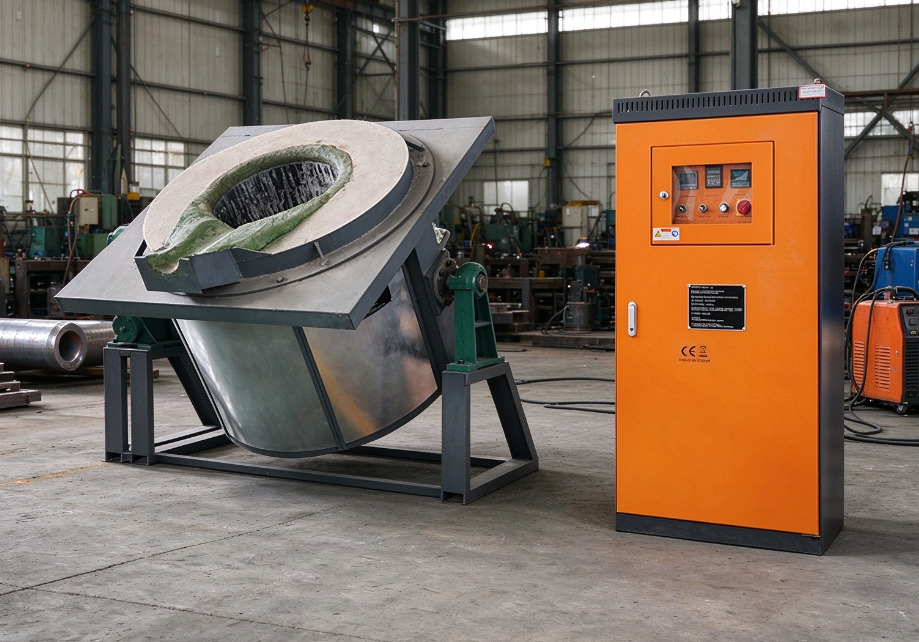
An aluminum scrap melting furnace performs the melting operation. It should not be confused with upstream sorting, cleaning, or scrap-processing equipment.
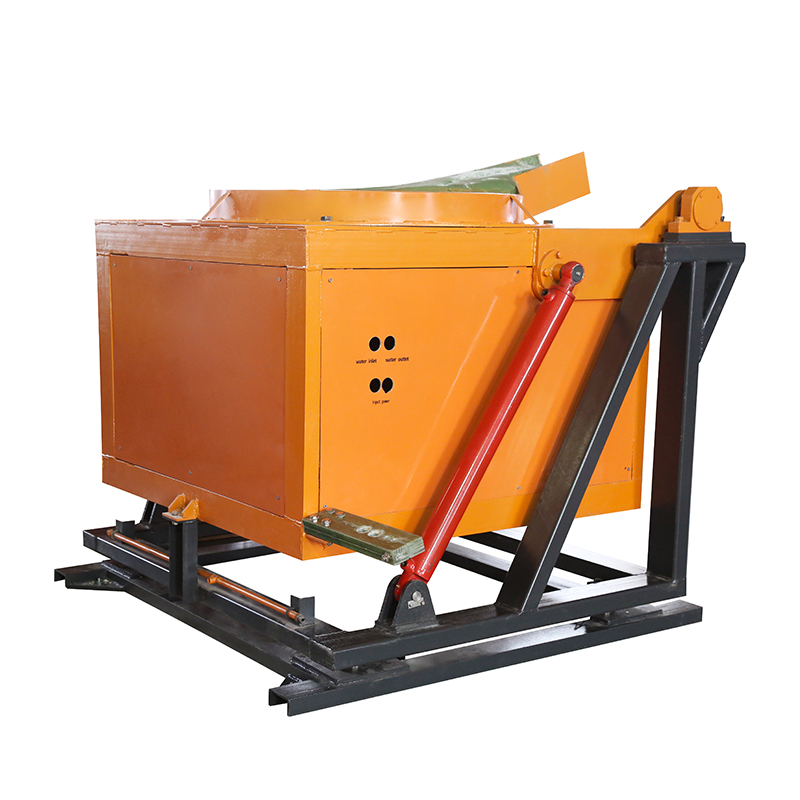
MeltingTech’s aluminum melting furnace product page describes several features relevant to aluminum recycling:
- It is designed for aluminum alloy melting.
- Its listed raw materials include aluminum ingots and several types of aluminum scrap.
- It supports bottom discharge or tilting discharge.
- It uses digital control.
- It can be configured with an automatic aluminum ingot production line.
The appropriate discharge arrangement and production configuration depend on the plant layout, molten-metal transfer method, and downstream casting requirements.
When evaluating an aluminum scrap melting furnace, buyers should provide information about the scrap source, material condition, alloy requirements, and intended production output. These details are more useful for equipment selection than assuming that all aluminum scrap behaves in the same way.
3. Molten Aluminum Treatment and Alloy Control
After melting, the molten aluminum may require further treatment before casting.
The purpose of this stage is to prepare the molten metal for the required final product. Depending on the incoming material and alloy specification, the process may involve removing surface dross, checking chemical composition, and adjusting the alloy where necessary.
The required treatment is not identical for every recycling operation. A plant producing a specified aluminum alloy needs to check whether the molten metal meets its composition requirements before casting.
This is also why the condition and composition of the incoming scrap matter. Mixing materials with different alloy compositions without suitable control can make it more difficult to achieve the required final metal quality.
The treatment procedure should therefore be determined by the target alloy, raw material composition, and production requirements. Specific refining methods and process parameters need to be confirmed for the individual project rather than assumed to apply to every aluminum recycling plant.
4. Aluminum Ingot Casting
Once the molten aluminum is ready for casting, it is transferred to the casting stage.
In aluminum ingot casting, molten metal is poured into ingot molds and solidified into ingots. These products can then be handled, stored, transported, or supplied as raw materials for further aluminum processing.
An aluminum ingot casting system is therefore an important part of a secondary aluminum production line, connecting the melting operation with the finished ingot output.
Aluminum Ingot Casting Machine
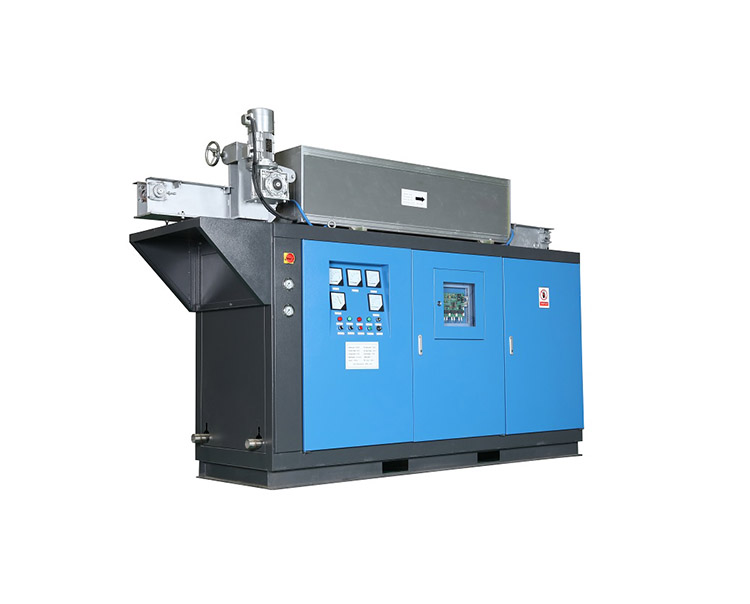
The aluminum ingot casting machine supplied by MeltingTech is designed for casting non-ferrous metals, including aluminum, copper, and zinc, into ingots.
According to the product information, the machine uses an AC variable-speed motor. Its speed can be controlled through electromagnetic or variable-frequency methods, allowing stepless speed regulation.
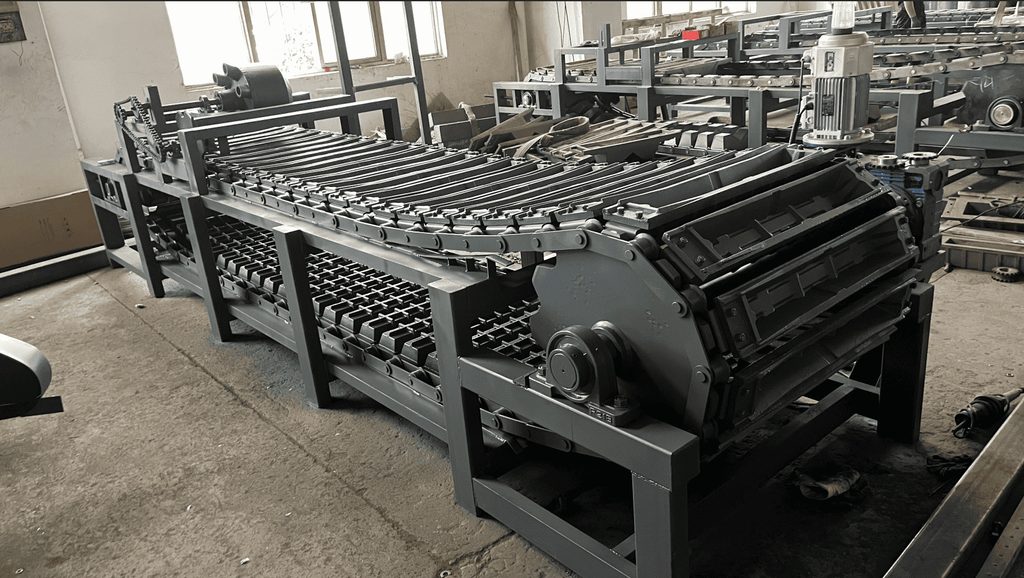
Other listed features include:
- Automatic liquid filling
- Uniform ingot formation
- Optional rear conveyor
- Optional robotic stacking arms
These configurations can help organize the ingot casting and handling stages according to the required production arrangement.
For an aluminum recycling plant, the casting machine should be coordinated with the melting furnace. The molten-metal supply, discharge method, casting speed, ingot requirements, and production schedule all need to be considered when configuring the two machines.
How the Melting Furnace and Ingot Casting Machine Work Together
An aluminum recycling line should be planned as a connected production process rather than as a collection of independent machines.
A simplified production route is:
Aluminum Scrap → Sorting and Preparation → Melting → Molten Aluminum Treatment → Ingot Casting → Finished Aluminum Ingots
The aluminum melting furnace provides molten metal for the casting operation, while the ingot casting machine converts that metal into solid ingots.
The two stages need to be coordinated to avoid an imbalance between melting and casting. For example, the furnace discharge arrangement must be compatible with the molten-metal transfer method, and the casting system must suit the required ingot production schedule.
MeltingTech’s aluminum melting furnace can be configured with an automatic aluminum ingot production line. The ingot casting machine also offers optional conveying and stacking arrangements.
The final layout and equipment configuration should be confirmed according to the customer’s scrap materials, production requirements, plant arrangement, and ingot specifications.
What to Consider When Planning an Aluminum Recycling Line
Before selecting equipment for secondary aluminum production, manufacturers should clarify several practical requirements.
| Planning factor | Information to confirm |
|---|---|
| Scrap materials | Scrap source, material type, alloy information, and physical condition |
| Preparation requirements | Sorting, cleaning, and other treatment needed before melting |
| Melting process | Suitable furnace configuration and charging requirements |
| Molten-metal quality | Target alloy composition and required melt treatment |
| Ingot production | Ingot dimensions, weight, and product requirements |
| Production arrangement | Furnace discharge, metal transfer, casting, and handling methods |
These factors help determine how the melting and casting stages should be configured.
A suitable production line is not defined by the furnace or casting machine alone. Both machines need to match the materials being processed and the finished products required by the plant.
Conclusion
The aluminum scrap recycling process involves more than melting discarded aluminum. Sorting and preparation establish suitable raw materials, the aluminum melting furnace converts the prepared charge into molten metal, and subsequent treatment and aluminum ingot casting turn the recovered metal into usable ingots.
For manufacturers planning a secondary aluminum production line, the aluminum melting furnace and aluminum ingot casting machine are two important pieces of equipment. Their configuration should be matched to the scrap materials, required alloy quality, ingot specifications, and production arrangement.
MeltingTech provides aluminum melting and ingot casting equipment for non-ferrous metal processing. Contact our team through the contact page to discuss your aluminum scrap materials and production requirements