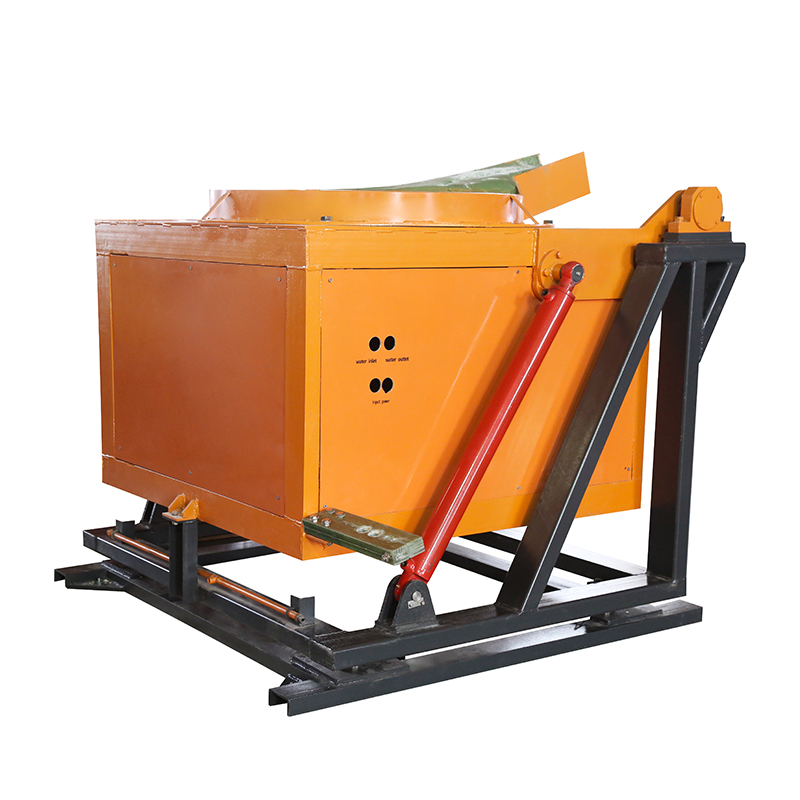
A scrap metal melting furnace should be selected from the complete production requirement, not from the word “scrap” alone. The metal type, charge form, contamination risk, batch size, target output, melting and holding duty, available power, cooling conditions, pouring method, and downstream casting process all affect the furnace configuration.
For a foundry or recycling project, the practical choice is often a medium-frequency induction melting system, but the correct furnace body, power supply, refractory, cooling arrangement, controls and material-handling equipment depend on the actual charge. MeltingTech’s metal melting solutions cover melting, casting, rolling and supporting equipment. This guide helps a buyer define the project before asking for a quotation.
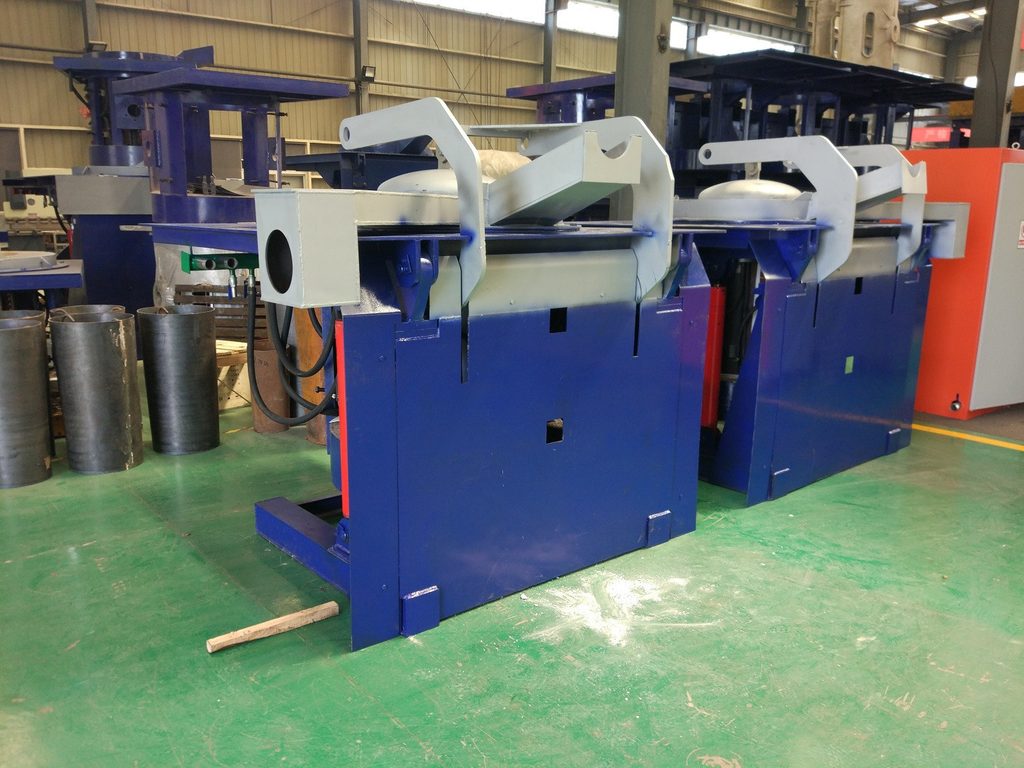
What Is a Scrap Metal Melting Furnace?
A scrap metal melting furnace converts prepared metallic charge into molten metal for casting, holding or a subsequent forming process. “Scrap” can mean clean production returns, sorted heavy scrap, chips, cutoffs, used aluminum products, mixed non-ferrous feedstock or a charge containing coatings and attachments. These materials do not behave the same way in a furnace.
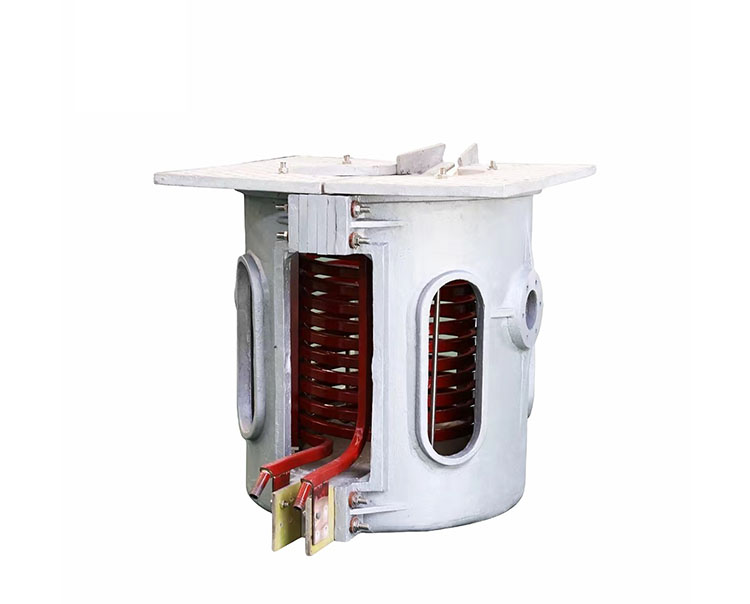
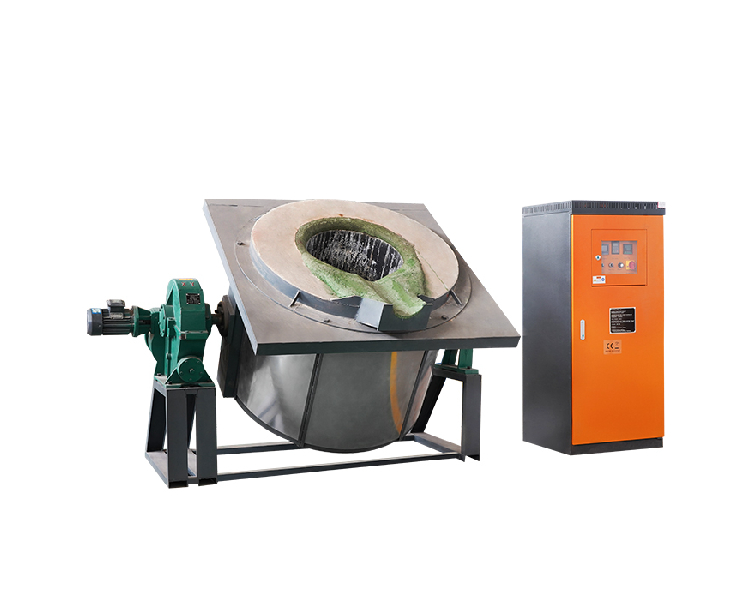
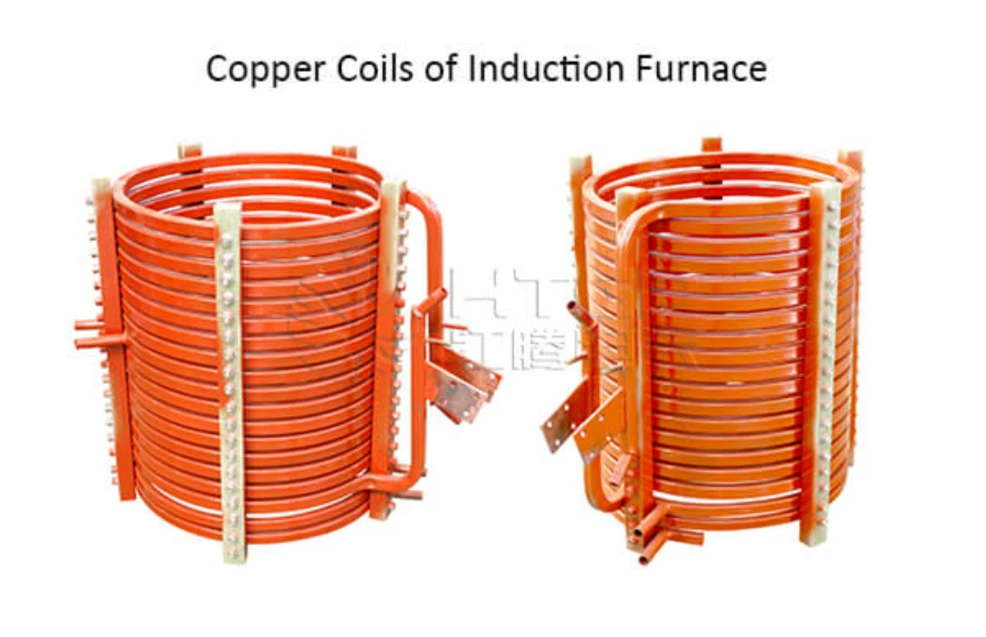
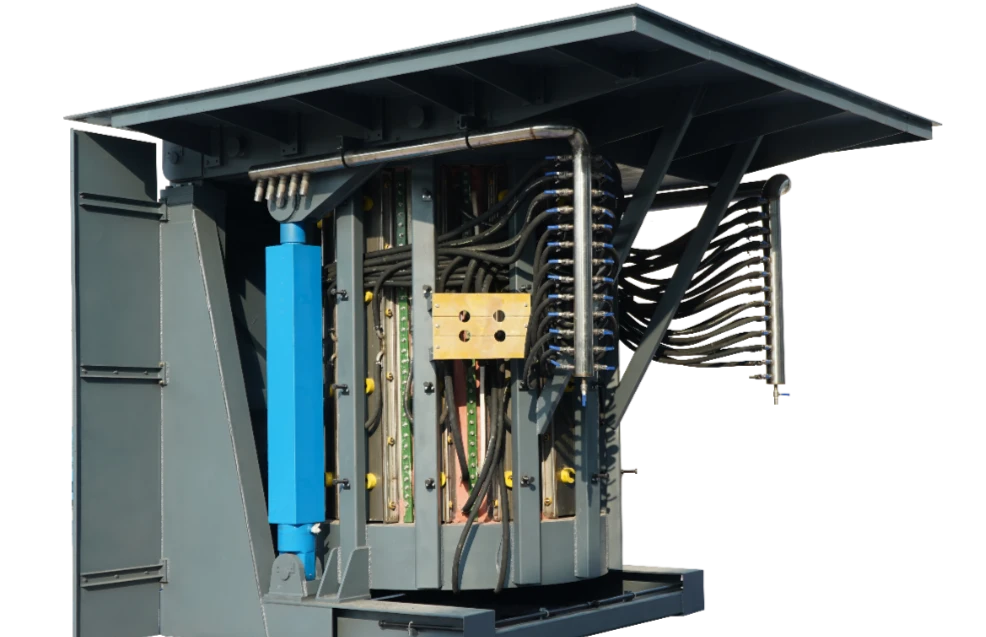
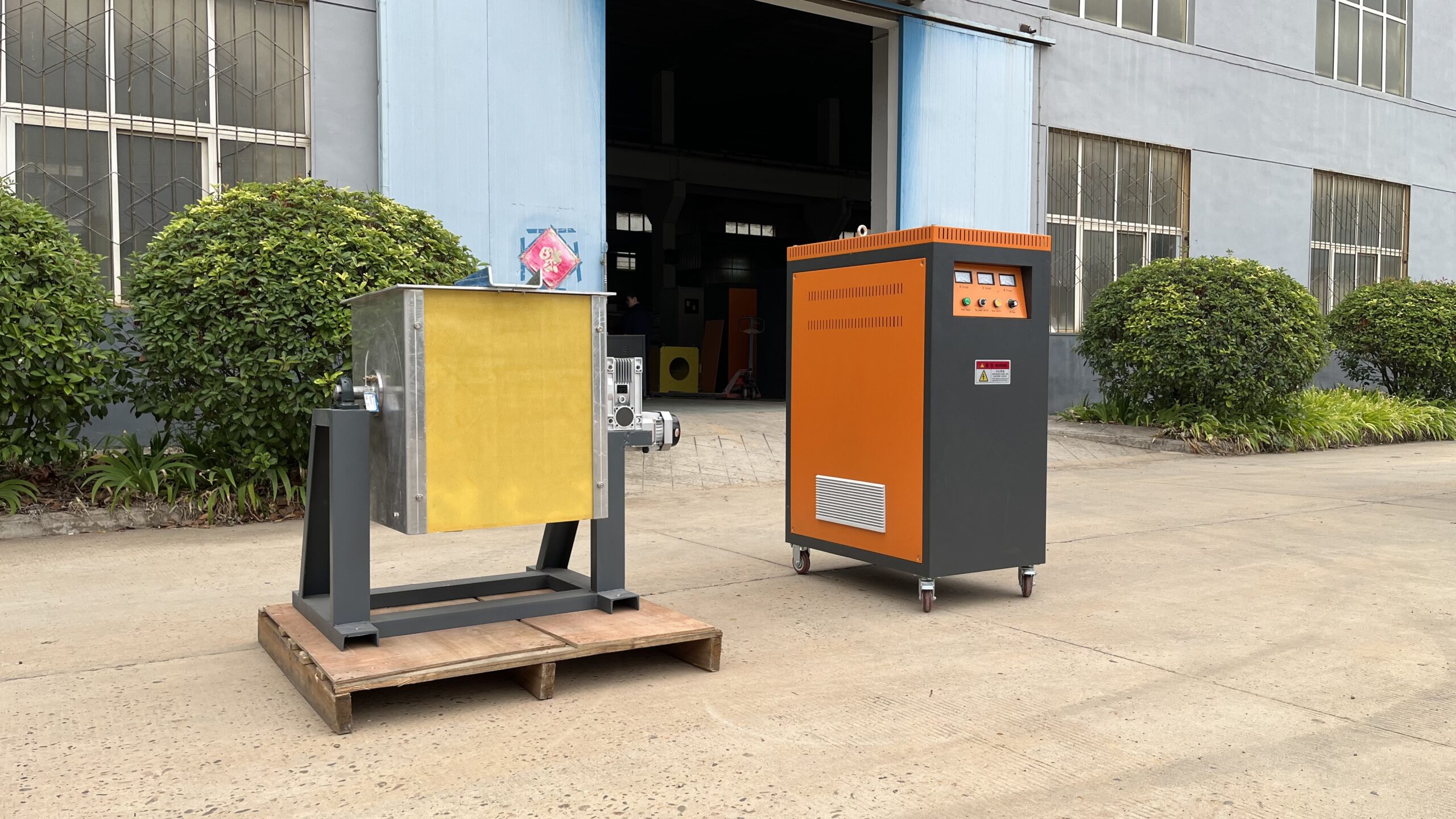
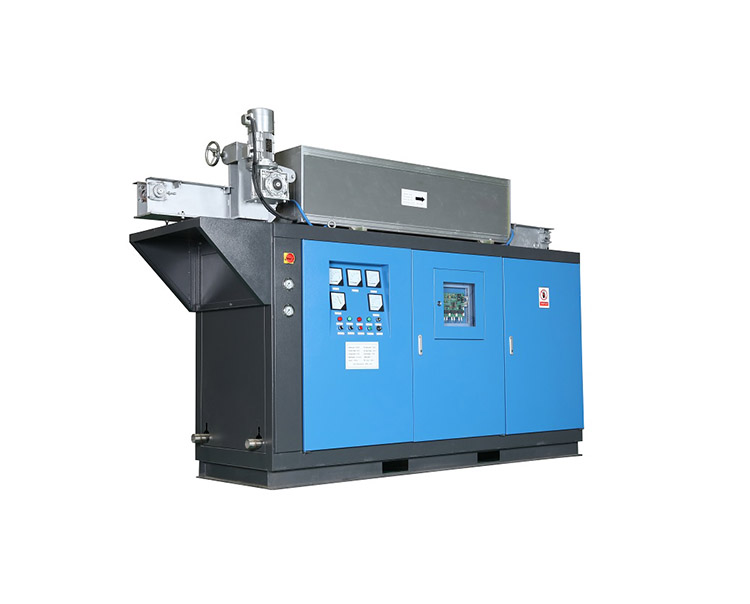
An induction melting furnace generates heat through an alternating electromagnetic field. The furnace system normally includes the melting vessel and coil, power supply, cooling equipment, refractory lining, tilting or tapping arrangement, controls and protection functions. Depending on the project, the molten metal then moves to an ingot caster, continuous casting line, mold, die-casting process or another production stage.
The first specification question is therefore not “Which furnace melts scrap?” It is “What prepared charge must be melted, at what rate, into what product?” A supplier needs that answer to match the furnace to the process rather than offer a nominal capacity with no operating context.
What Scrap Can Be Melted in an Induction Furnace?
Induction furnaces can be used for different ferrous and non-ferrous metals, but the furnace and lining must match the metal, temperature, charge behavior and required melt quality. The charge should be identified by material grade and physical form, not only by a broad label such as “metal scrap.”
| Charge type | Information to confirm | Furnace-selection consequence |
|---|---|---|
| Steel or iron scrap | Grade, density, dimensions, coatings, alloy additions and target chemistry | Affects power, lining, charging method, slag practice and tapping requirements |
| Aluminum scrap | Alloy family, castings, cans, wire, sheet, oil or coatings, oxidation and recovery target | Affects charge preparation, melting control, refractory choice and dross management |
| Copper, brass or bronze scrap | Alloy composition, insulation, attachments and required final chemistry | Affects crucible or lining choice, temperature control and contamination control |
| Stainless steel returns | Grade, magnetic behavior, alloy additions and charge density | Affects power-supply behavior, charge preparation and melt-control requirements |
| Mixed or unknown scrap | Sorting method, test procedure and acceptable chemistry range | May require a defined preparation and inspection step before melting |
These categories are a starting point, not a guarantee that any material is suitable for any model. The induction melting furnace category shows that MeltingTech supplies different furnace solutions for aluminum, steel, copper, stainless steel and other melting requirements. The selected system should be confirmed against the actual charge and product specification.
How Charge Preparation Affects Furnace Selection
Charge preparation determines how consistently material enters the furnace. Large or irregular pieces may require a different charging method from compact returns. Chips and light scrap can bridge or float if charged without a suitable loading plan. Coatings, oil, moisture, sealed containers and unknown attachments create safety and quality concerns that cannot be solved by increasing furnace power.
Before charging, the operating team should define how scrap is inspected, sorted, stored and loaded. Moisture and sealed hollow items require particular attention because rapid heating can create a dangerous pressure or steam event. The exact inspection and preheating procedure must follow the site’s safety rules and the furnace supplier’s operating documentation.
Charge preparation also affects the usable furnace volume. A nominal tonne rating does not describe the bulk volume of light scrap, nor does it tell the buyer how many charging operations are required per heat. For a quotation, provide typical piece size, bulk density where known, charge-basket dimensions, loading equipment and the desired time between heats.
A practical charge-preparation record includes:
- Material grade and source;
- Typical piece dimensions and bulk density;
- Moisture, oil, paint, insulation or coating condition;
- Presence of sealed or hollow items;
- Sorting and testing method;
- Charging-basket or bucket size;
- Number of charging operations per heat;
- Required melt chemistry and sampling method.
Induction Furnace Types for Scrap Metal Melting
The furnace body and operating arrangement should reflect the metal, capacity and production rhythm. MeltingTech’s public product pages provide several real equipment paths rather than one universal “scrap furnace.”
Aluminum melting furnace
MeltingTech’s aluminum melting furnace page describes equipment for aluminum ingots, scrap aluminum castings, scrap doors and windows, used wire and used cans. It also identifies flexible discharge options and the possibility of connecting an automatic aluminum ingot production line or downstream casting equipment.
Those details make this product path relevant to aluminum recycling and casting projects. The buyer should still confirm the alloy mix, charge cleanliness, expected dross, target output, discharge method, casting route and actual operating data. The page contains several performance claims; these should be checked against the selected model and project conditions before being repeated in a purchase specification.
Aluminum shell melting furnace
The aluminum shell melting furnace page describes medium-frequency melting equipment with models listed from 0.1T to 20T, together with water-temperature and water-pressure monitoring, furnace-leakage alarm, melting management and PLC control. The page also describes supporting transformers and closed-circuit cooling towers.
This equipment route may suit a project that needs a configurable induction melting system and related protection and cooling equipment. Capacity and melting-time statements still need to be tied to the metal, charge, power, refractory, operating schedule and selected model.
Steel shell melting furnace
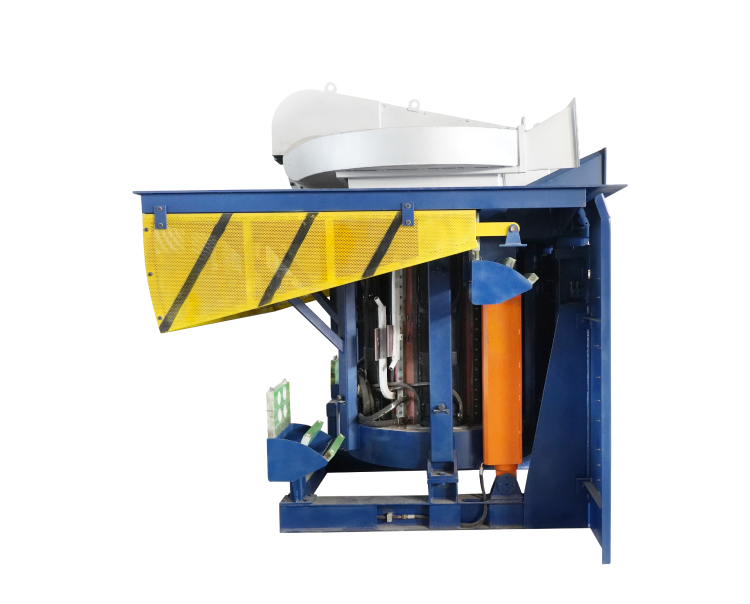
For ferrous scrap, the steel shell melting furnace page describes a two-furnace arrangement supplied by one medium-frequency power supply. Power can be allocated between the furnaces, allowing one furnace to melt while the other pours or holds heat, depending on the actual configuration.
This can be relevant where the production rhythm benefits from separated melting and pouring duties. The buyer should request confirmation of the furnace capacities, power allocation, simultaneous-operation limits, cooling circuits, refractory system, tilting arrangement and control scope instead of treating the two-furnace description as a universal specification.
How to Size a Scrap Metal Melting Furnace
A furnace is sized from the required production duty rather than the maximum amount of scrap that can fit inside the vessel. Start with the finished molten-metal demand per hour or per shift. Then define the batch size, target melt time, holding time, tapping time, charging time, expected yield, working schedule and planned maintenance allowance.
A simple planning relationship is:
Required average output = usable metal per heat × heats per hour
The usable metal per heat is not automatically the same as the furnace’s nominal capacity. Yield can be affected by dross, slag, oxidation, alloy additions, non-metallic contamination, tapping practice and the product’s chemistry requirements. For aluminum or mixed scrap, the buyer should distinguish between charge weight and saleable molten-metal output.
For a reliable quotation, provide at least:
| Sizing input | Example of the information to provide |
|---|---|
| Metal | Steel, cast iron, aluminum alloy, copper alloy, stainless steel or another grade |
| Charge | Scrap type, piece size, bulk density, cleanliness and moisture-control method |
| Output | Required molten-metal output per hour, batch or day |
| Batch | Desired charge weight and number of heats |
| Cycle | Charging, melting, holding, tapping and turnaround time |
| Power | Site voltage, frequency, transformer capacity and available electrical margin |
| Cooling | Water source, temperature, flow, pressure, treatment and ambient conditions |
| Downstream process | Ingot casting, continuous casting, molds, die casting or another route |
This information lets the supplier evaluate furnace capacity, power supply, cooling, charging and casting together. It also prevents a quotation from comparing unlike systems simply because their vessel capacities appear similar.
Refractory, Cooling and Protection Requirements
The furnace lining separates the hot metal from the coil and furnace structure. Its material and installation method must match the metal, temperature, slag or dross practice, thermal cycle and operating method. A damaged or incorrectly installed lining can create safety and production problems; it should not be treated as a replaceable detail after the furnace is selected.
Cooling is equally important. The coil and other water-cooled components require a circuit with specified flow, temperature, pressure, water quality and protection. Cooling capacity should be calculated from the actual heat load and operating duty, not selected from the scrap label alone.
Protection and monitoring may include water temperature and pressure detection, overcurrent, overvoltage, phase-loss monitoring, leakage alarms, PLC controls and emergency procedures. MeltingTech’s aluminum-shell page publicly lists several of these functions. The final inclusion and limits must be confirmed for the selected model.
A supplier quotation should identify:
- Furnace and coil arrangement;
- Refractory system and installation scope;
- Power supply and electrical cabinet;
- Cooling tower, pump, piping, instruments and valves;
- Leakage detection and interlocks;
- Tilting, tapping or pouring equipment;
- Controls, alarms and operator interface;
- Spare parts, installation, commissioning and training.
Scrap Metal Melting Furnace: Common Selection Mistakes
Choosing from tonnage alone
Two furnaces with the same nominal capacity can have different power, cycle times, linings, charging methods, cooling requirements and product routes. Capacity is necessary but not sufficient for comparison.
Treating mixed scrap as a standard charge
Unknown grades, coatings, moisture and sealed items change safety and quality requirements. If the material varies, include the sorting, testing and preparation method in the project brief.
Comparing only the furnace body price
The complete investment may include power supply, transformer, cooling system, refractory, charging equipment, tilting equipment, fume or dust controls, installation and commissioning. A low body price does not show the total project scope.
Ignoring the next process
Molten metal may need to feed an ingot caster, continuous caster, mold, die-casting machine or rolling route. The tapping temperature, transfer time, chemistry control and production rhythm should be reviewed with the downstream equipment.
Copying unverified performance claims
Melting time, recovery, power consumption and operating life depend on the model, material, charge, lining, ambient conditions and operating practice. Ask for the test conditions and applicable model before putting any number into a purchase specification.
From Scrap to Casting or Finished Product
The furnace is one link in the metal-processing route. For a project that needs finished billets, rebar or another cast product, the buyer should plan melting, casting, reheating, forming, cooling and collection as one system.
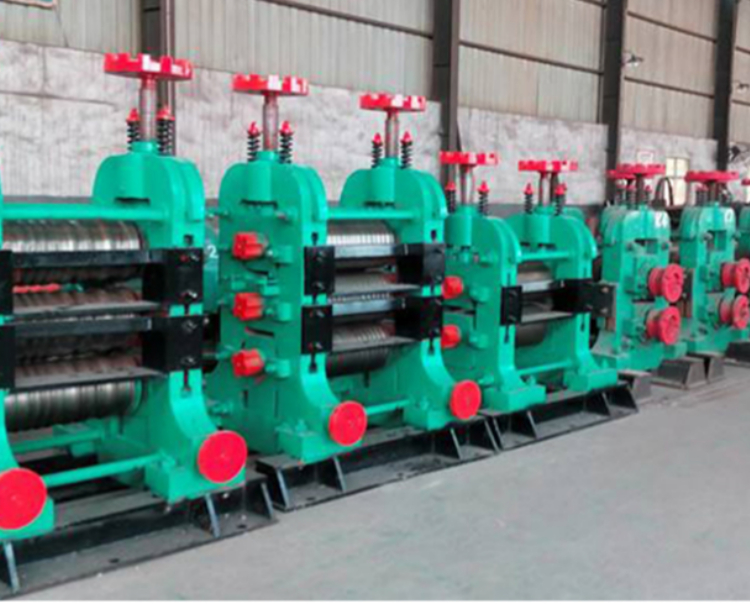
MeltingTech’s continuous casting and rolling production line page describes an integrated route with plant design, equipment layout, rolling-process design, electrical layout, installation and commissioning support. It also presents a published capacity range and product-size information; these values must be confirmed against the proposed line and local operating conditions.
For an aluminum project, the melting furnace may instead feed ingot casting or another casting route. The important question is not whether the furnace works alone, but whether the furnace output, temperature, chemistry, transfer method and production rhythm match the next operation.
This downstream link should be decided before the furnace is quoted. An ingot route may need a different transfer and mold arrangement from a continuous rod or billet route. A rebar line adds casting, billet heating, rolling, cooling and collecting requirements. If the buyer only specifies “melt scrap,” the proposal may omit the equipment needed to turn molten metal into a saleable product. Include the next process, transfer distance, required handover condition and production sequence in the inquiry so the furnace can be evaluated as part of the actual line.
Request a Scrap Metal Melting Furnace Proposal
A useful request to MeltingTech should contain enough detail for engineering review. Send the metal grade, scrap source, typical charge condition, moisture and contamination controls, batch size, target output, required cycle, available power, cooling conditions and downstream process.
Also state the requested scope. You may need a furnace only, a furnace with power supply, a complete melting and cooling package, a furnace plus casting equipment, or a turnkey route from scrap preparation to finished product. The quotation should state what is included and what remains the buyer’s responsibility.
For a project-specific review, use the MeltingTech contact page and attach charge photographs, product drawings, existing equipment data, site utility information and production targets. If a value is not yet known, mark it as “to be confirmed” rather than inserting a generic assumption.
Before sending the request, separate the information into three groups: confirmed data, expected production targets and open engineering questions. This makes the first discussion more efficient. A buyer can ask MeltingTech to assess furnace type, capacity, power supply, cooling, lining, charging and downstream casting together, rather than receiving a nominal furnace price that leaves the critical interfaces unresolved. If the project is replacing an existing unit, include the reasons for replacement, recent alarms, production interruptions and photographs of the current installation.
FAQ: Scrap Metal Melting Furnaces
What is the best furnace for melting scrap metal?
There is no single best furnace for every scrap charge. The choice depends on the metal, alloy, charge form, cleanliness, batch size, production target, available power, refractory, cooling system and downstream casting route. Medium-frequency induction systems are one option, but the final configuration must be matched to the project.
Can an induction furnace melt aluminum scrap?
Induction equipment can be used for aluminum scrap when the furnace, refractory, power supply, charge preparation and operating method are suitable for the alloy and charge condition. MeltingTech lists an aluminum melting furnace for aluminum ingots, castings, doors and windows, wire and cans. Confirm the actual charge mix and selected model before purchase.
Can an induction furnace melt steel scrap?
Induction furnaces can be used for prepared steel scrap when the furnace and power system are designed for the material and production duty. Steel grade, scrap dimensions, chemistry control, refractory, charging, cooling and tapping requirements should be included in the technical specification.
How much scrap can a melting furnace process?
The answer depends on usable capacity, power, cycle time, charge density, metal yield, charging method and operating schedule. A nominal tonne rating does not by itself establish hourly output. Request a duty-based calculation for the selected furnace and material.
What information should I send for a furnace quotation?
Send the metal and alloy, scrap source and photos, typical piece size, charge weight, target output, cycle time, site power, cooling conditions, downstream process, plant constraints and the scope of equipment required. This allows the supplier to evaluate the furnace as part of the production system.