Induction heating is a non-contact heating process that uses electromagnetic induction to heat electrically conductive materials. Instead of using a flame or heating element to transfer heat to a workpiece, induction heating generates heat directly inside the metal.
Because of its fast heating speed, precise temperature control, and ability to heat specific areas, induction heating is widely used in metal processing, including forging, hardening, brazing, welding, melting, and preheating.
What Is Induction Heating?
Induction heating uses an alternating electromagnetic field to generate heat inside a conductive metal.
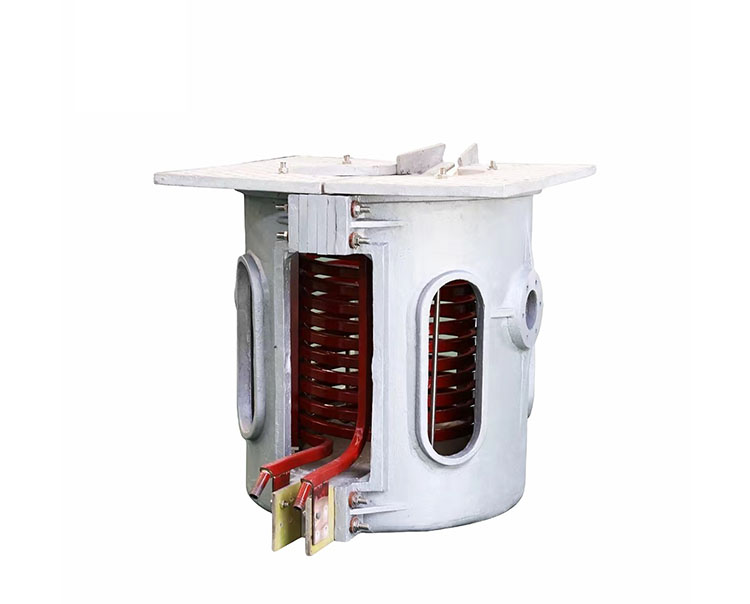
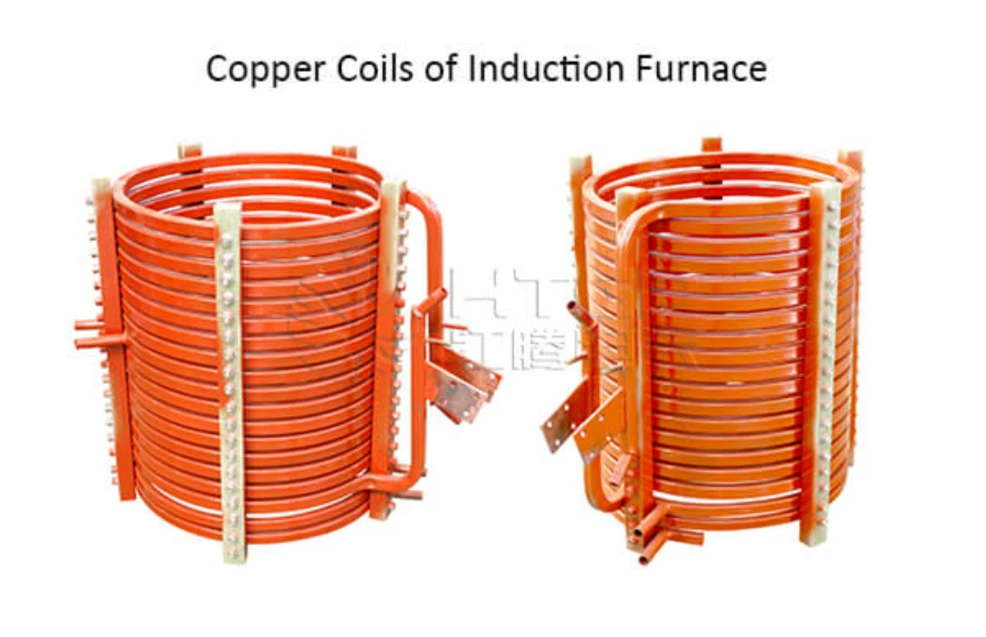
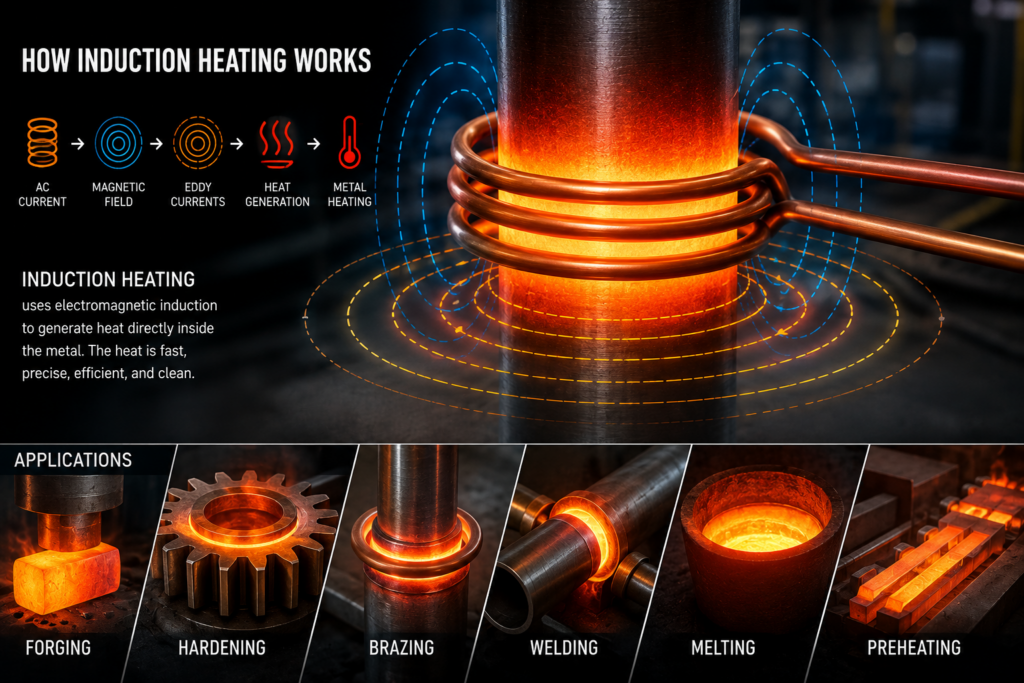
A typical induction heating system includes an induction power supply, induction coil, cooling system, and control system. When alternating current passes through the coil, it creates a changing magnetic field. When a metal workpiece is placed within this field, electrical currents are induced inside the material.
These currents, known as eddy currents, encounter electrical resistance in the metal and generate heat.
The basic process is:
AC Power → Induction Coil → Magnetic Field → Eddy Currents → Heat Generation → Metal Heating
Unlike conventional heating methods, the heat is generated directly within the workpiece. This allows induction heating to achieve rapid and controlled heating without direct contact.
How Does Induction Heating Work?
The induction heating working principle is based on electromagnetic induction.
1. Alternating Current Generates a Magnetic Field
An induction power supply provides alternating current to the induction coil. The current creates an alternating magnetic field around the coil.
2. The Magnetic Field Induces Eddy Currents
When a conductive metal is placed inside the magnetic field, the changing field induces electrical currents within the workpiece.
3. Electrical Energy Becomes Heat
The induced currents encounter electrical resistance in the metal. This resistance converts electrical energy into thermal energy, causing the workpiece to heat.
For ferromagnetic materials such as steel, magnetic effects can also contribute to heating, especially at lower temperatures.
4. Heating Parameters Are Controlled
The heating result depends on factors such as power, frequency, heating time, coil design, material properties, and the distance between the coil and workpiece.
This makes it possible to control both heating speed and heating depth for different applications.
What Metals Can Be Heated by Induction?
Induction heating is mainly used for electrically conductive materials. Common examples include:
- Steel and iron
- Stainless steel
- Aluminum
- Copper
- Brass
- Nickel alloys
Different metals respond differently to induction heating because their electrical resistance, magnetic properties, and thermal conductivity vary.
The size and shape of the workpiece also affect the heating process. Therefore, the induction power, frequency, and coil design should be selected according to the specific material and application.
Types of Induction Heating
Induction heating can be used for several metal processing operations.
Induction Melting
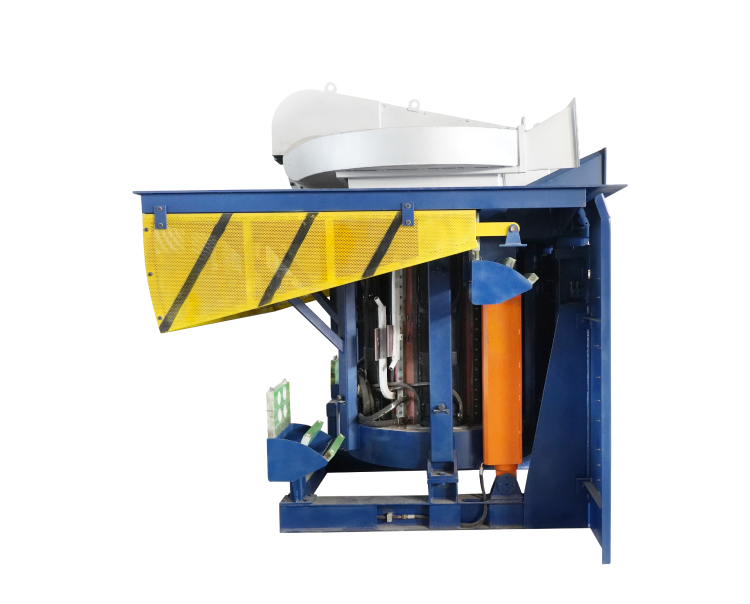
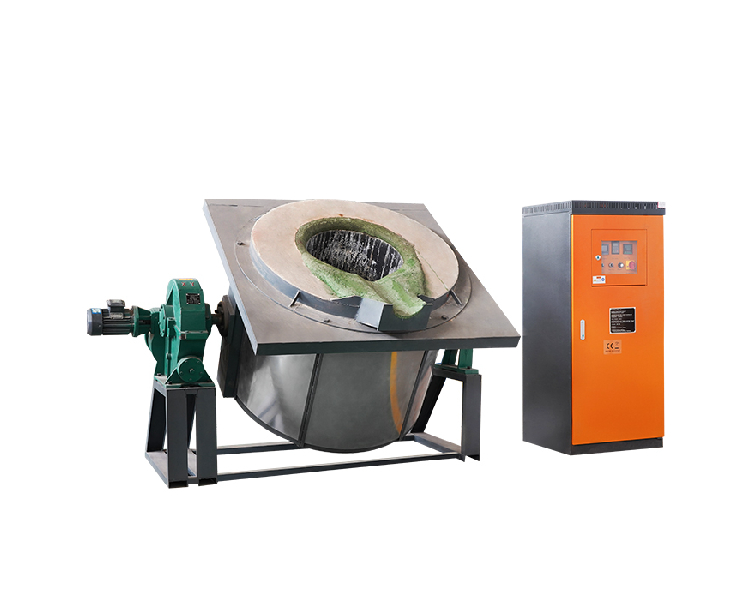
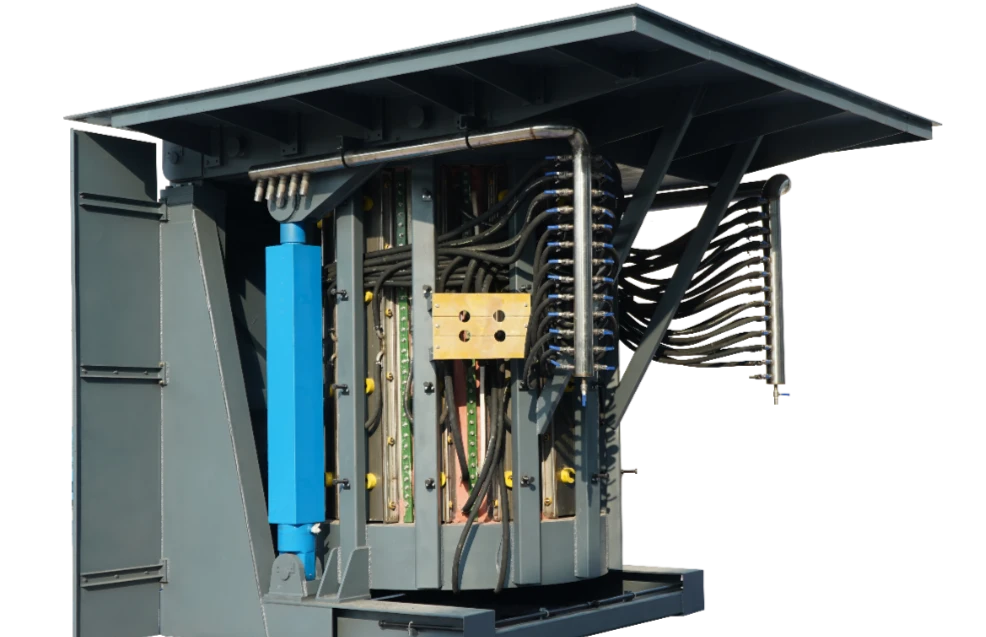
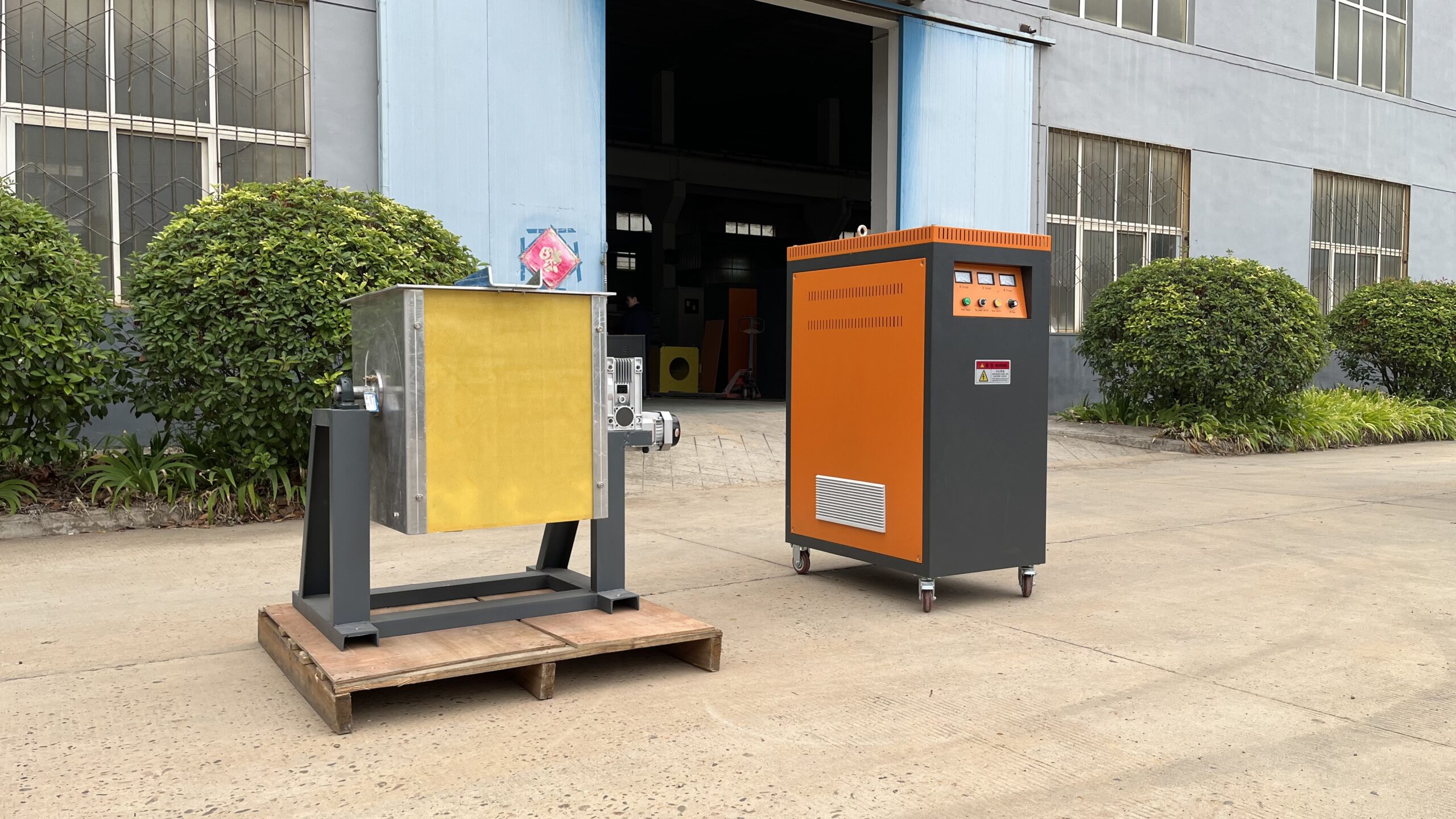
Induction melting uses electromagnetic energy to heat metal to its melting temperature. It is commonly used for steel, iron, aluminum, copper, brass, and other alloys.
Induction Forging
For induction forging, billets, bars, or other metal components are heated to the required forging temperature before mechanical forming.
The fast heating capability makes induction suitable for continuous forging and high-production applications.
Induction Hardening
Induction hardening rapidly heats the surface of a steel component and is followed by controlled cooling. It is widely used for gears, shafts, bearings, and other components that require improved surface hardness and wear resistance.
Induction Brazing and Welding
Induction can provide localized heating around a joint, allowing brazing filler metal to melt or supporting welding processes without heating the entire component.
Induction Preheating
Induction preheating is used before processes such as welding, forging, and forming. Controlled preheating can help achieve more consistent processing conditions.
Induction Heating Applications
The flexibility of induction heating makes it useful across many industries.
Common induction heating applications include:
- Metal forging
- Steel and aluminum processing
- Heat treatment
- Surface hardening
- Brazing
- Welding
- Metal melting
- Billet heating
- Pipe and tube heating
- Welding preheating
- Automotive component manufacturing
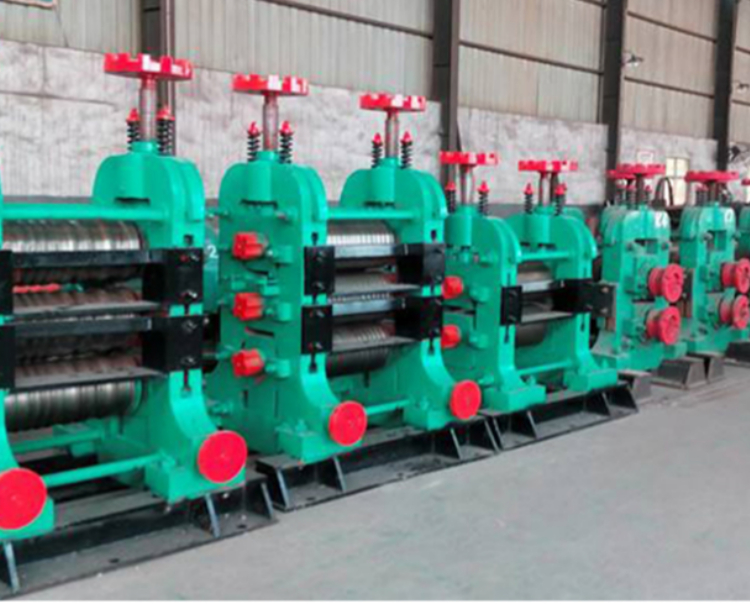
For example, steel billets can be heated before rolling or forging, while gears and shafts can be selectively heated for surface hardening.
In metal production, induction heating equipment can also be integrated into automated production lines where consistent heating temperature and cycle time are important.
Benefits of Induction Heating
Compared with many conventional heating methods, induction heating offers several advantages.
Fast Heating
Heat is generated directly inside the workpiece, allowing rapid temperature increases and shorter heating cycles.
Precise Heating
Power and frequency can be adjusted according to the material and application, providing better control over the heating process.
Localized Heating
Only the required area can be heated, which is particularly useful for hardening, brazing, and welding.
Non-Contact Process
The induction coil does not need to physically contact the workpiece, reducing mechanical wear and making automation easier.
Repeatable Results
Once the appropriate heating parameters are established, induction systems can provide consistent heating cycles for production applications.
Easy Automation
Induction heating equipment can be integrated with temperature sensors, automatic feeding systems, robotic handling, and production lines.
What Equipment Is Used for Induction Heating?
An industrial induction heating system generally consists of several key components:
- Induction power supply – provides the required electrical energy.
- Induction coil – generates the alternating magnetic field.
- Cooling system – controls the temperature of the coil and other components.
- Temperature control system – monitors and regulates heating temperature.
- Control system – manages power, frequency, heating time, and other parameters.
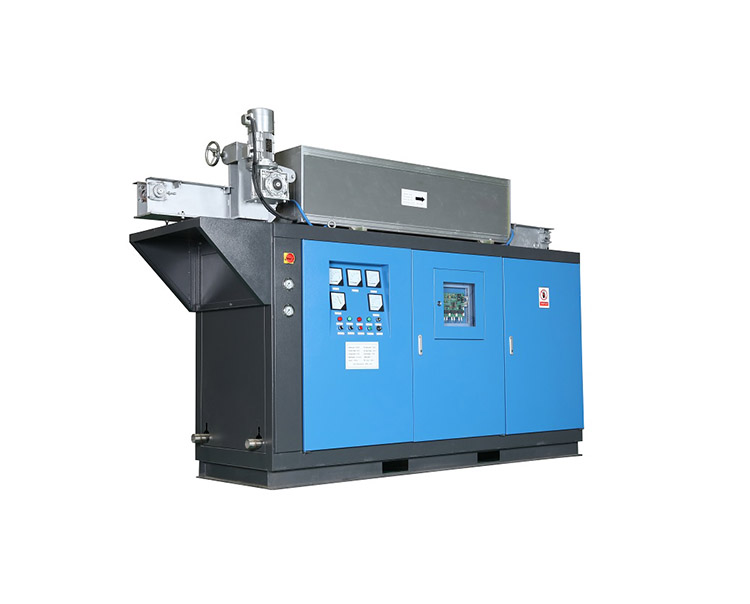
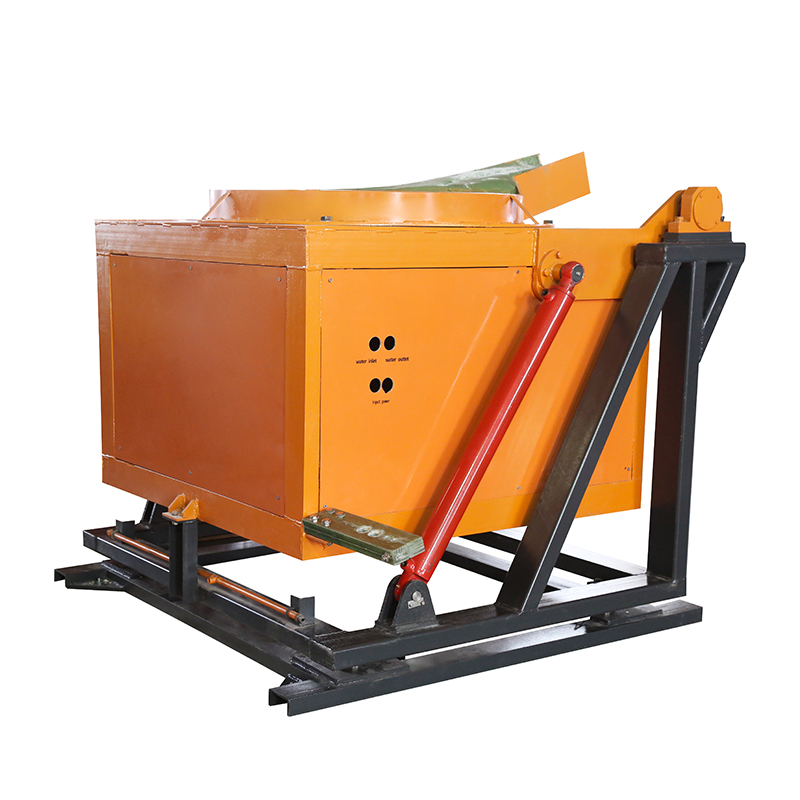
For industrial metal heating, a Metal Induction Heating Furnace can be configured according to the material, heating temperature, workpiece dimensions, production capacity, and required heating rate.
The equipment should be selected according to the actual heating application rather than simply choosing the highest available power.
Conclusion
Induction heating is a versatile technology that uses electromagnetic induction to generate heat directly inside conductive materials. Its fast heating speed, precise control, localized heating, and easy automation make it suitable for a wide range of industrial metal processing applications.
From forging and hardening to brazing, welding, preheating, and melting, induction heating can be adapted to different materials and production requirements.
Understanding the material, heating temperature, required heating depth, production capacity, operating frequency, and coil design is essential when selecting an induction heating solution.
If you need an induction heating solution for metal processing, contact us to discuss your material, heating requirements, production capacity, and equipment configuration.