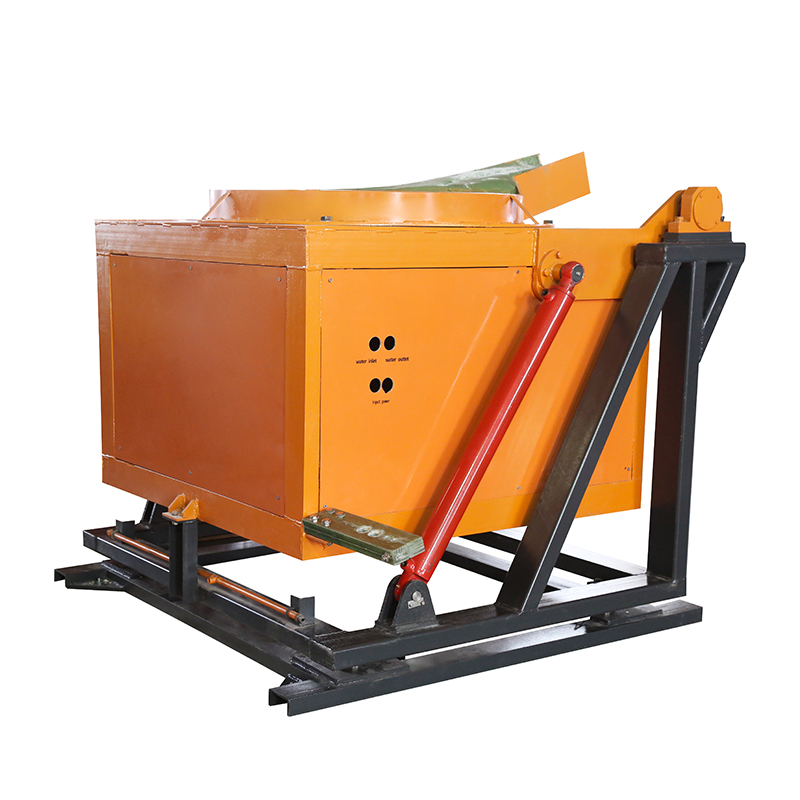
Introduction
The design of an aluminum melting furnace has a direct impact on melting efficiency, energy consumption, furnace service life, and molten aluminum quality. A well-designed furnace should not only provide stable heating performance but also maintain effective heat retention, reduce heat loss, and protect the molten aluminum from contamination during production.
In aluminum and aluminum alloy production, furnace structure, heating system, refractory lining materials, and insulation design all need to be carefully considered. Among these factors, the furnace lining plays a critical role because it is continuously exposed to high temperatures and molten aluminum.
A suitable aluminum melting furnace design helps manufacturers achieve stable operation, lower operating costs, and better alloy quality.
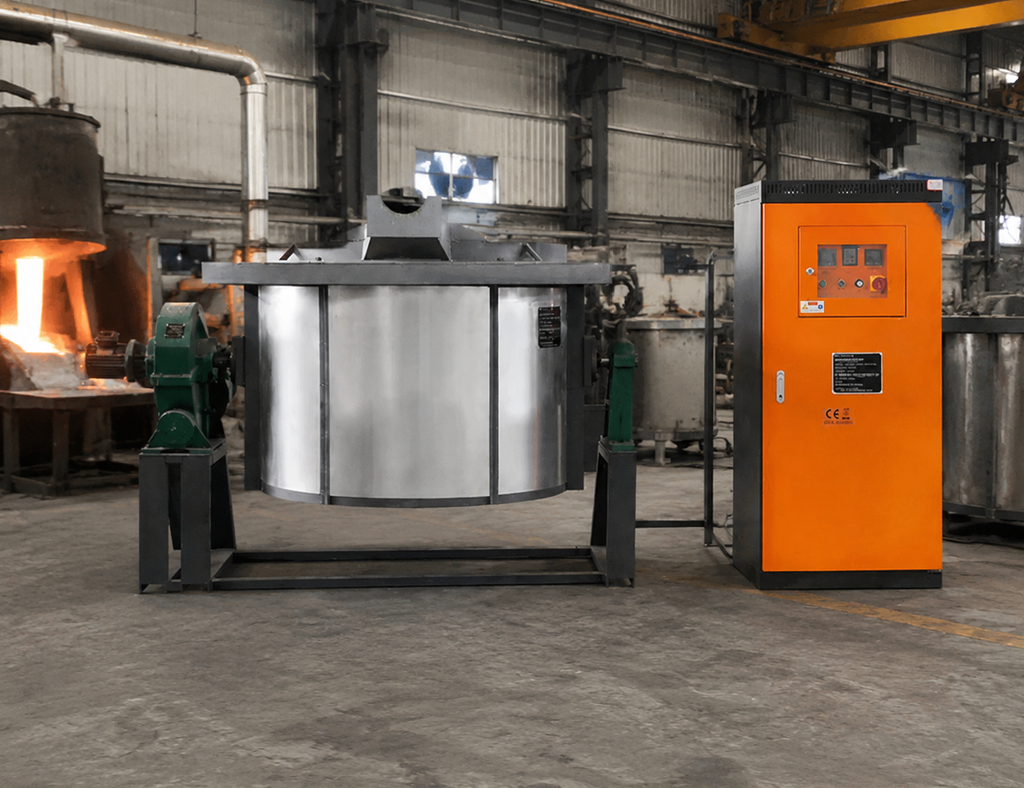
Key Factors in Aluminum Melting Furnace Design
Furnace Structure and Heat Retention Design
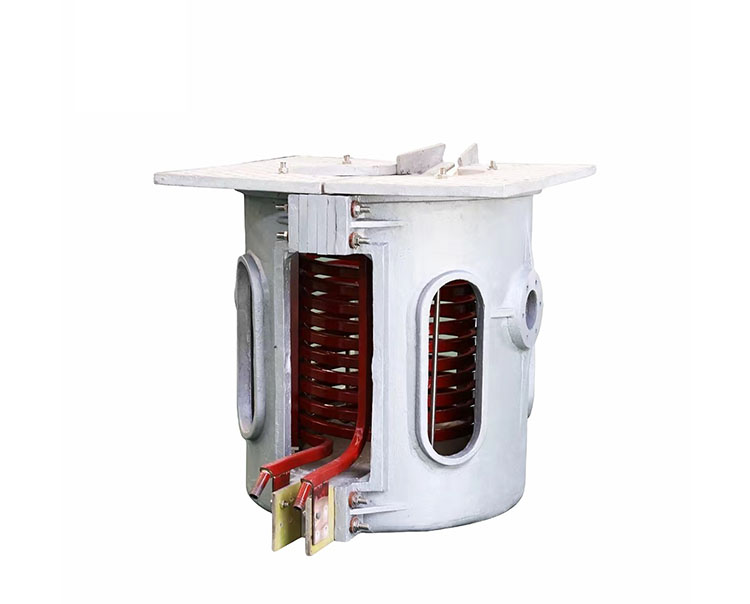
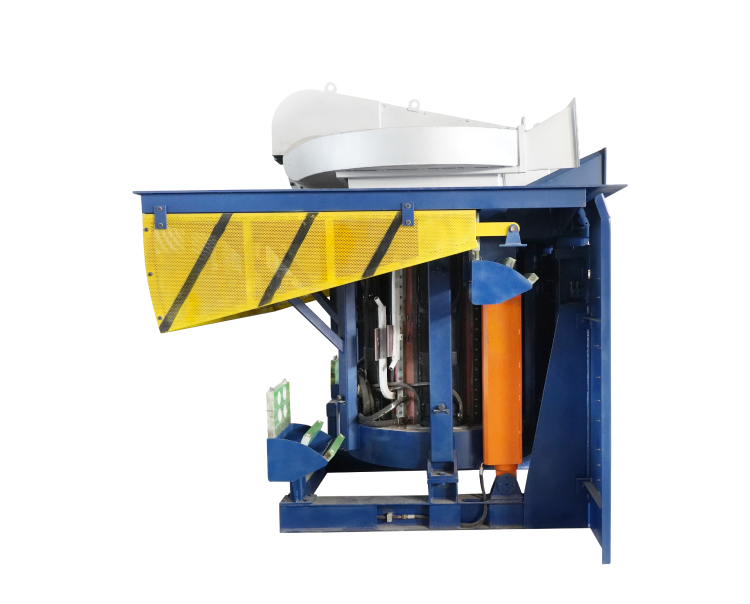
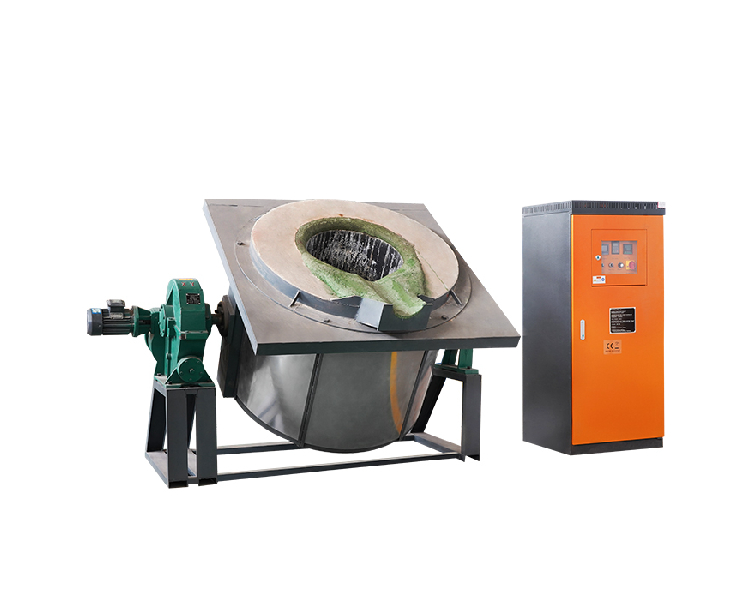
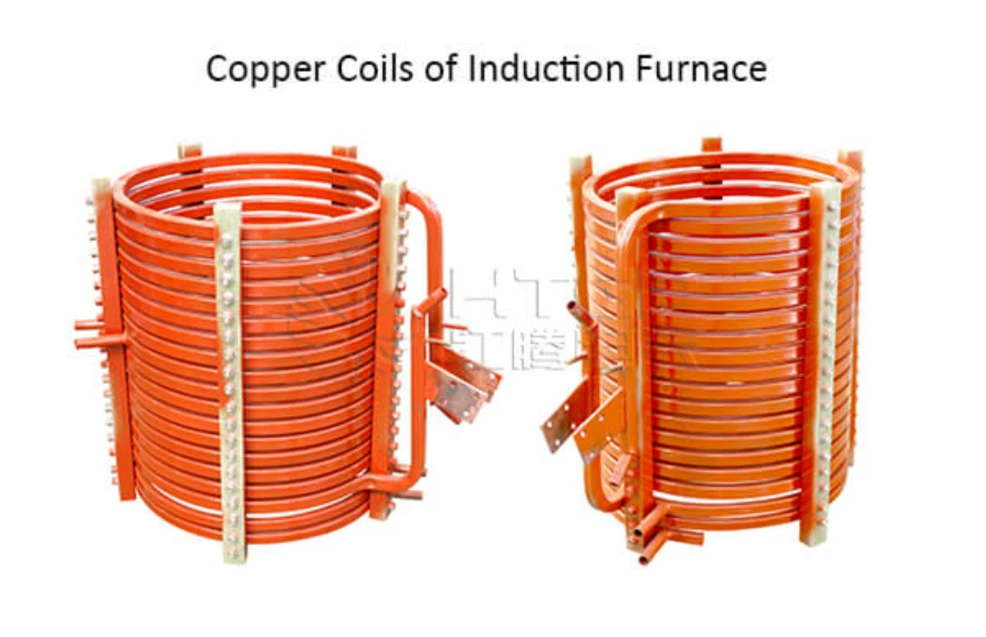
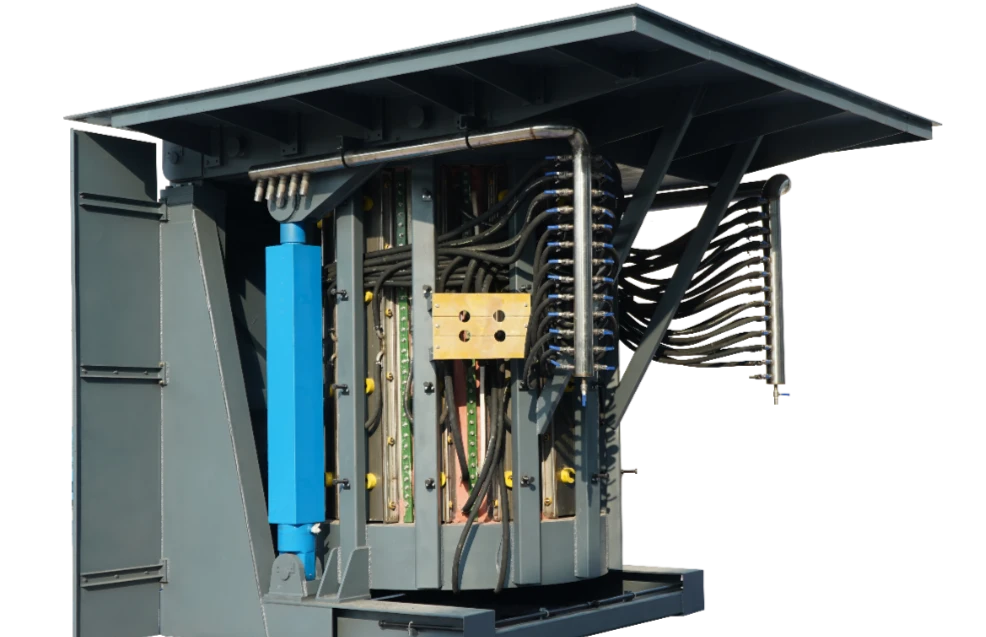
An aluminum melting furnace consists of several important components, including the furnace chamber, heating system, refractory lining, insulation layer, and molten metal holding area.
During aluminum melting, the furnace must maintain a stable temperature while minimizing heat loss. The insulation layer and refractory lining work together to improve thermal efficiency and ensure that heat is effectively transferred to the aluminum charge.
The design of different furnace areas should be based on their operating conditions. Areas that directly contact molten aluminum require stronger corrosion resistance, while other areas can use more economical materials to reduce construction costs.
Furnace Lining Materials for Aluminum Melting Furnaces
In the smelting and production of aluminum and aluminum alloys, all furnaces must provide effective heat retention while performing different process operations.
Common furnace lining materials include:
- Refractory clay bricks
- High-alumina bricks
- Magnesia bricks
The insulation layer usually includes:
- Insulating bricks
- Insulating fillers
- Asbestos boards
- Other thermal insulation materials
Different materials have different thermal conductivity, corrosion resistance, and cost. Therefore, the selection of refractory materials is an important part of aluminum melting furnace design.
Selection of Refractory Materials in the Melt Pool Area
For melting furnaces and holding furnaces, the melt pool area of the furnace chamber should use high-alumina bricks or magnesia bricks with as low a silica content as possible.
The lining below the furnace door should consist of high-quality high-alumina bricks or magnesia bricks.
The reason is that this area is directly exposed to molten aluminum for long periods. A suitable refractory material can improve resistance to molten aluminum erosion and reduce the possibility of contamination affecting aluminum alloy quality.
High-alumina bricks and magnesia bricks have higher thermal conductivity than refractory clay bricks and are also slightly more expensive. However, they provide better performance in areas where the furnace lining is in direct contact with molten aluminum.
Furnace Chamber Lining Design for Thermal Efficiency and Cost Control
A good aluminum melting furnace design requires a balance between performance and cost.
To optimize thermal insulation and reduce production costs, the portion of the furnace chamber above the melt pool can use refractory clay bricks with a higher silica content.
The lining above the lower edge of the furnace door should consist of refractory clay bricks.
Compared with high-alumina bricks and magnesia bricks, refractory clay bricks are more economical and can provide sufficient protection in areas with lower exposure to molten aluminum.
For other types of furnaces or areas with less demanding working conditions, refractory clay bricks may also be used as furnace lining materials.
This material selection strategy allows manufacturers to achieve a reasonable balance between furnace durability, thermal insulation performance, and investment cost.
Influence of Furnace Lining Design on Molten Aluminum Quality
Furnace lining is not only related to furnace life and energy consumption but also affects the quality of molten aluminum.
During aluminum alloy production, the furnace lining is in direct contact with high-temperature molten aluminum. If unsuitable refractory materials are selected, chemical reactions between the lining and molten metal may increase the risk of contamination.
For aluminum melting furnaces, materials with lower silica content are preferred in areas exposed to molten aluminum because excessive silica may influence the composition of the melt.
Therefore, proper refractory selection is an important part of maintaining stable aluminum alloy production.
Initial Operation Considerations After Furnace Construction or Repair
For newly built, overhauled, or moderately repaired furnaces, special attention should be paid during the initial production stage.
Although the furnace lining has been flushed with molten aluminum before production to reduce contamination of the melt, complete elimination of contamination cannot always be guaranteed.
During the initial period of use, there remains a possibility of increased silicon content in the molten aluminum.
Therefore, during the smelting of the first few batches, liquid primary aluminum with a lower silicon content should be selected for charging.
This practice helps reduce the influence of possible contamination from the new or repaired furnace lining and improves the stability of aluminum alloy production.
Advantages of Primary Aluminum Smelters During Initial Furnace Operation
Compared with aluminum processing plants that use solid charge materials, primary aluminum smelters have certain advantages during the initial operation of newly built or repaired furnaces.
Primary aluminum smelters can use liquid primary aluminum with lower silicon content as the initial charge material, which provides better control over melt composition.
In aluminum and aluminum alloy production, this advantage should be fully utilized to maintain molten aluminum quality and improve production stability.
Other Important Considerations in Aluminum Melting Furnace Design
Besides furnace lining and insulation design, several other factors should also be considered when selecting or designing an aluminum melting furnace.
Heating Efficiency
The heating system directly affects melting speed and energy consumption. An efficient heating method can reduce melting time and improve production capacity.
Temperature Control
Accurate temperature control helps maintain consistent molten aluminum quality and prevents overheating, oxidation, and unnecessary energy loss.
Furnace Capacity
The furnace capacity should match production requirements. Selecting the correct furnace size helps improve utilization and avoid unnecessary operating costs.
Operation and Maintenance
Proper furnace management and regular maintenance are essential for extending furnace service life. Safety precautions and operational requirements should be followed during melting, refining, and stirring processes.
Conclusion
Aluminum melting furnace design involves multiple factors, including furnace structure, heating performance, refractory lining materials, insulation systems, and molten aluminum quality control.
Among these factors, proper selection of furnace lining materials is essential. High-alumina bricks and magnesia bricks are suitable for areas exposed to molten aluminum, while refractory clay bricks can be used in other areas to improve cost efficiency.
By optimizing furnace design and selecting suitable materials, manufacturers can achieve better heat retention, longer furnace service life, lower production costs, and more stable aluminum alloy production.
A properly designed aluminum melting furnace provides the foundation for efficient and reliable aluminum melting operations.
Need a customized aluminum melting furnace design for your application? Contact us today to get professional advice and a suitable melting solution for your production requirements.