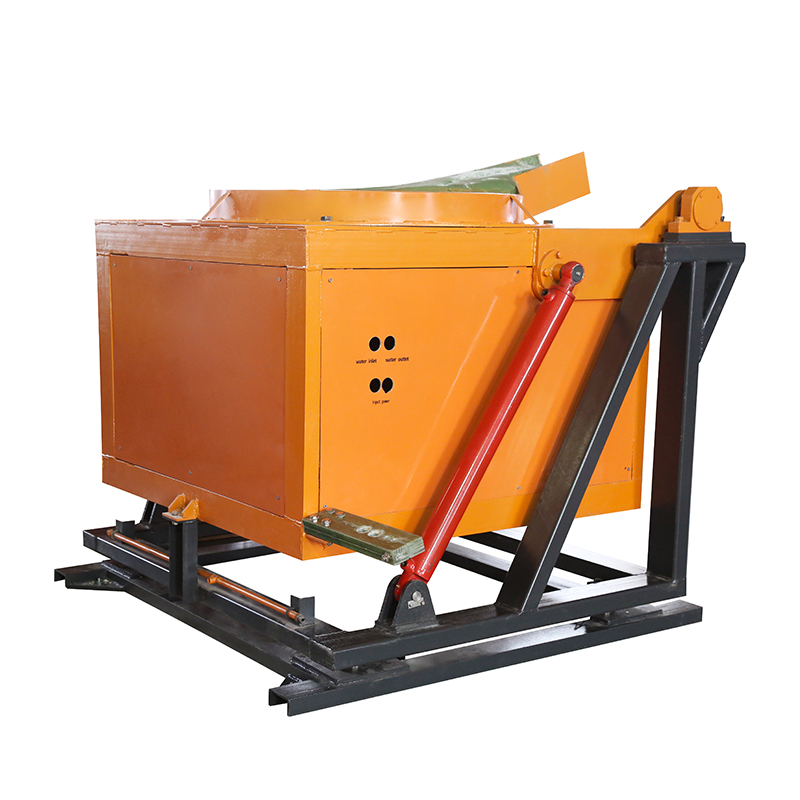
Choosing the right aluminum melting furnace capacity is not simply a matter of selecting the largest furnace available. The correct capacity should match your required output, melting cycle, aluminum scrap characteristics, energy consumption, and downstream casting process.
A furnace that is too small may limit production and increase the number of melting cycles. A furnace that is too large can increase initial investment, energy consumption, and unnecessary heat losses.
For aluminum foundries, recycling plants, and metal processing companies, the goal is to select a furnace that provides enough melting capacity while maintaining stable operation and efficient metal recovery.
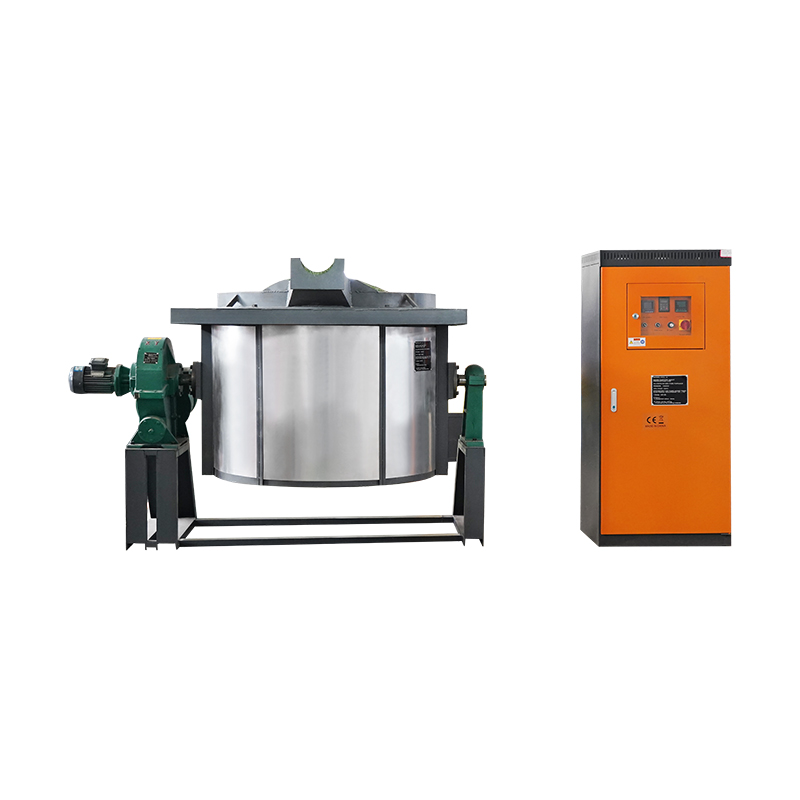
What Does Aluminum Melting Furnace Capacity Mean?
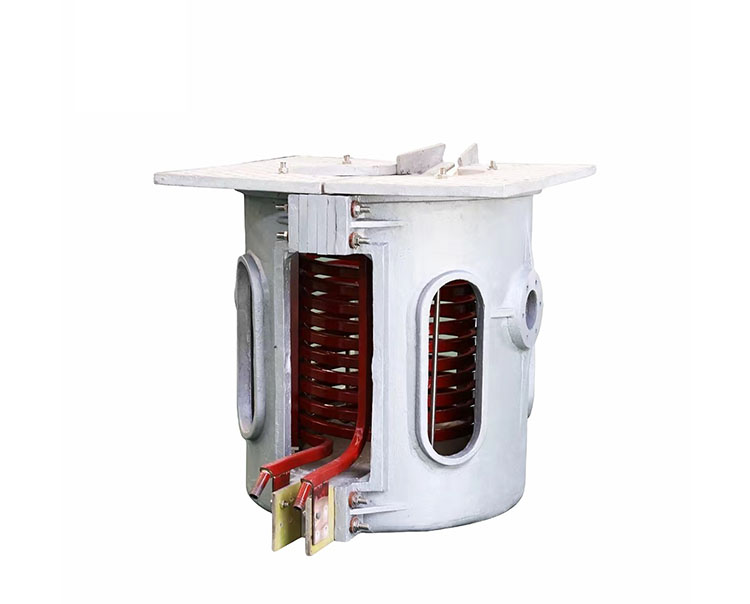
Furnace capacity generally refers to the amount of aluminum that the furnace can hold or melt in one batch. Common capacities include 300 kg, 500 kg, 1,000 kg, 2,000 kg, 3,000 kg, and larger models.
However, rated capacity does not directly equal hourly production.
For example, a 500 kg furnace does not necessarily produce 500 kg of molten aluminum every hour. Actual output depends on:
- Furnace capacity
- Melting time
- Charging method
- Aluminum scrap size and composition
- Furnace power
- Charging frequency
- Holding time
- Slag and metal losses
- Operator efficiency
Therefore, capacity selection should start with your required hourly or daily production, rather than the furnace size alone.
How to Choose the Right Aluminum Melting Furnace Capacity
1. Start With Your Required Production
The first step is to determine how much molten aluminum your production line actually needs.
For example, if your casting process requires approximately 1 ton of molten aluminum per hour, you need to consider both furnace capacity and melting cycle.
A simplified calculation is:
Hourly output ≈ Batch capacity × Batches per hour × Actual metal recovery
If a furnace melts 500 kg per batch and completes one cycle every 40 minutes, the theoretical batch frequency is about 1.5 batches per hour.
Actual production will be lower after considering charging, slag removal, temperature adjustment, and other operating time.
This is why furnace selection should be based on the complete melting cycle, not only the rated furnace capacity.
2. Consider the Type of Aluminum Scrap
The same furnace capacity can produce very different results depending on the charge material.
Clean aluminum ingots are easier to melt than mixed aluminum scrap. Lightweight scrap, chips, cans, and thin sheets have a larger surface area and can increase oxidation and material losses.
When selecting an aluminum melting furnace, consider:
- Aluminum ingots
- Clean aluminum scrap
- Cast aluminum scrap
- Aluminum profiles
- Sheet scrap
- Mixed scrap
- Aluminum chips and small pieces
For scrap aluminum recycling, furnace design and charging method are particularly important because excessive oxidation can reduce metal recovery.
A properly designed aluminum melting furnace can achieve a scrap aluminum recovery rate of up to 92%, depending on the material and operating conditions.
300 kg vs. 500 kg vs. 1,000 kg Aluminum Melting Furnace
Different capacities are suitable for different production scales.
| Furnace Capacity | Typical Application | Main Advantage |
|---|---|---|
| 300 kg | Small foundries, testing, small-batch production | Flexible operation |
| 500 kg | Small and medium aluminum processing plants | Good balance of capacity and investment |
| 1,000 kg | Medium-scale production | Higher output per melting cycle |
| 2,000–3,000 kg | Large foundries and recycling plants | High-volume production |
These figures are not universal production standards. The appropriate capacity depends on the required output, melting speed, material, and production schedule.
Why 500 kg Can Be a Practical Choice
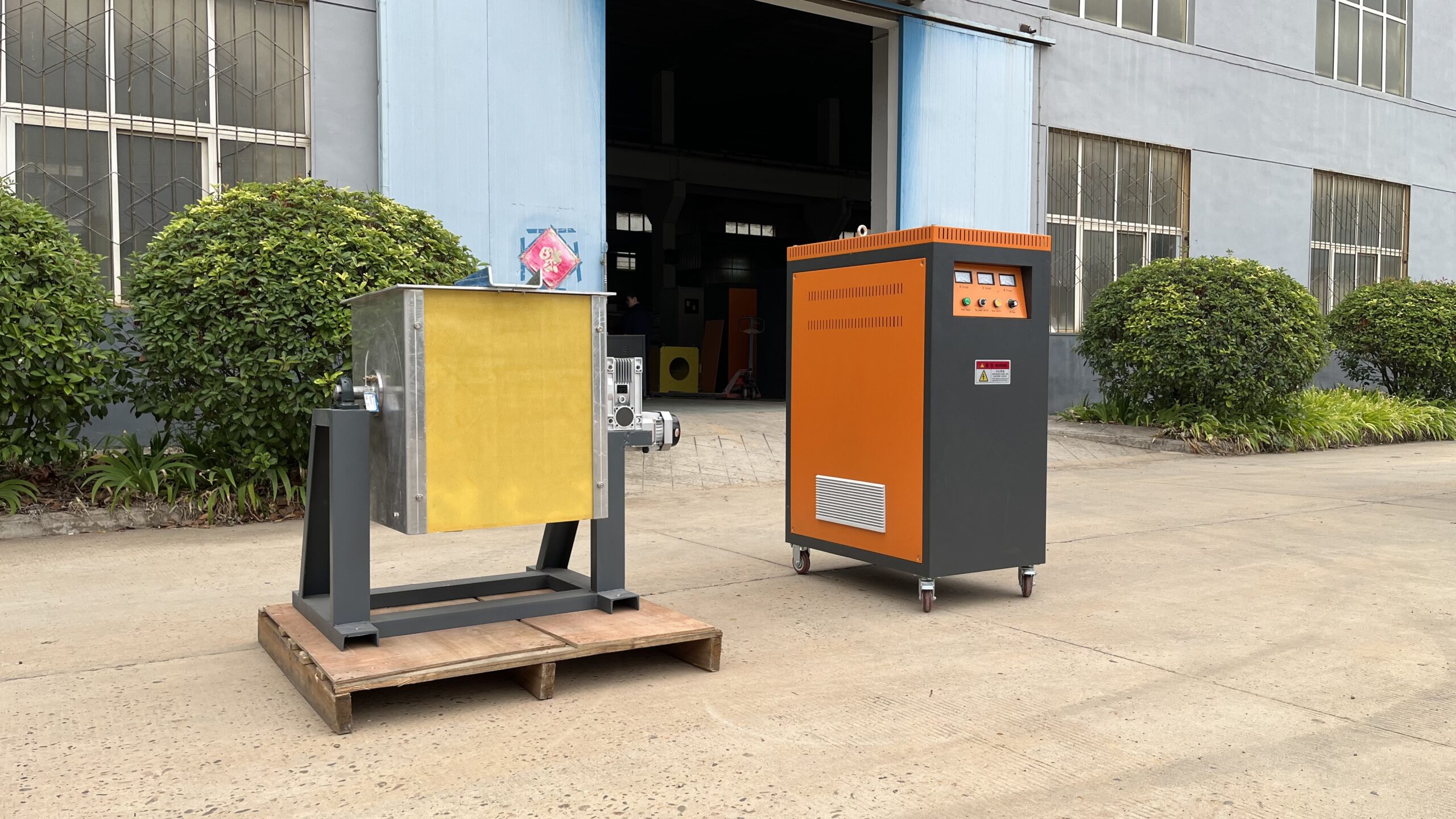
A 500 kg aluminum melting furnace is often suitable for plants that need moderate production without investing in a large furnace system.
It can provide a useful balance between:
- Batch size
- Melting speed
- Equipment investment
- Energy consumption
- Operating flexibility
- Floor space
For plants with fluctuating production requirements, a 500 kg furnace can also be easier to operate in smaller batches than a much larger unit.
However, if your production line requires several tons of molten aluminum per hour, multiple smaller furnaces or a larger-capacity system may be more appropriate.
Capacity Is Not the Only Factor: Melting Speed Matters
Two aluminum melting furnaces with the same rated capacity can have significantly different production performance.
Melting speed is affected by furnace power, charge material, furnace structure, operating temperature, and heat transfer efficiency.
For example, if Furnace A melts 500 kg in 60 minutes while Furnace B melts the same amount in 40 minutes, Furnace B can potentially support a higher production rate without increasing the nominal furnace capacity.
This is why buyers should ask suppliers for actual melting cycle data, rather than comparing furnace capacity alone.
Energy Consumption Should Also Be Considered
Energy efficiency directly affects the operating cost of an aluminum melting furnace.
For production calculations, buyers should look at the energy required to melt one ton of aluminum rather than only the installed electrical power.
A high-power furnace can melt metal quickly, but high installed power does not automatically mean high efficiency.
Important factors include:
- Furnace insulation
- Power supply efficiency
- Melting time
- Heat losses
- Furnace loading
- Holding time
- Aluminum charge condition
- Operating temperature
For example, the aluminum melting equipment described for this application can achieve electricity consumption of around 360 kWh/t under specified operating conditions.
Actual energy consumption will vary according to the material, production process, furnace configuration, and operating conditions.
Think About Your Downstream Casting Process
The furnace should not be selected independently from the rest of the production line.
If molten aluminum is supplied directly to a casting machine, the furnace needs to provide a stable and continuous supply of metal at the required temperature.
This means the furnace capacity should match:
Melting → Holding → Transfer → Casting
If the furnace melts much faster than the casting system can consume the metal, unnecessary holding time may increase energy consumption.
If the furnace cannot keep up with the casting line, production interruptions can occur.
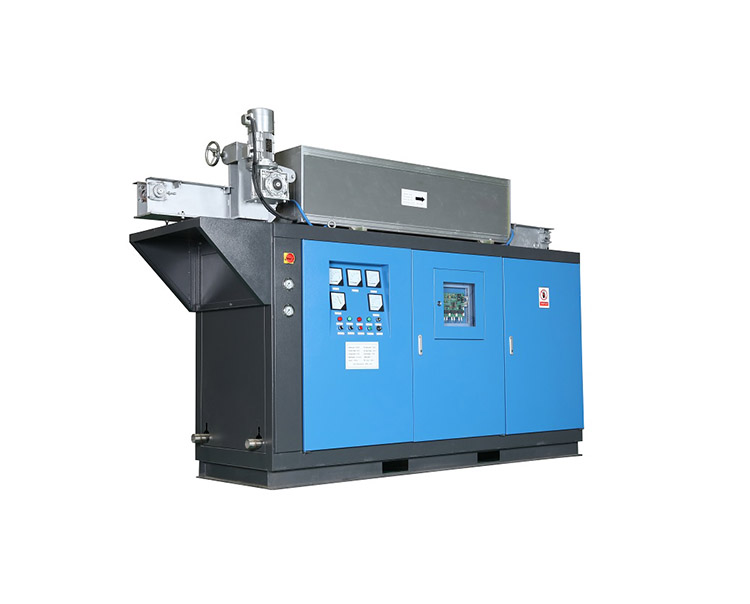
For continuous production, the better solution may be to combine the melting furnace with a suitable holding furnace, automatic charging system, or casting line.
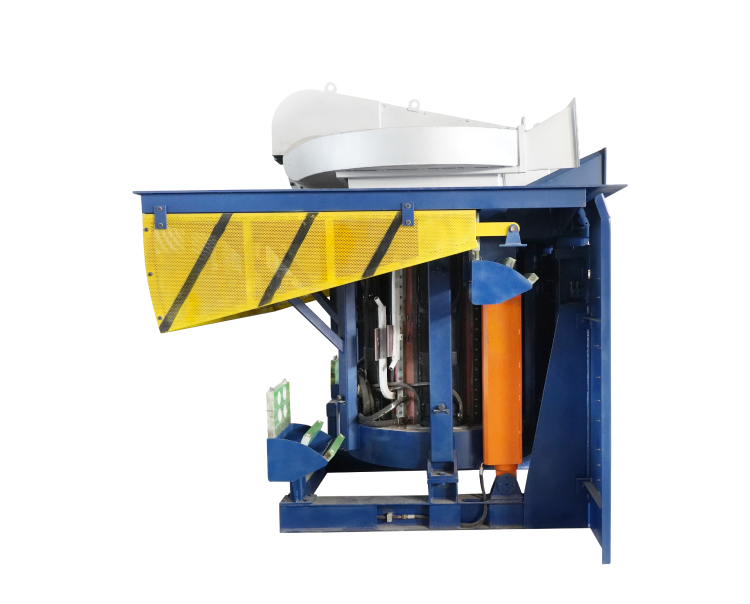
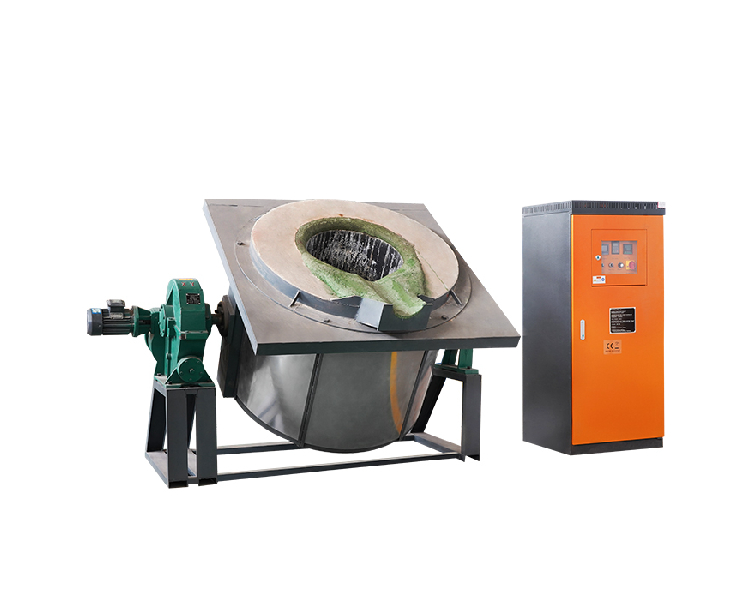
Bottom Discharge or Tilting Discharge?
Discharge configuration is another factor to consider when selecting an aluminum melting furnace.
Depending on the production process, aluminum can be discharged through:
- Bottom discharge
- Tilting discharge
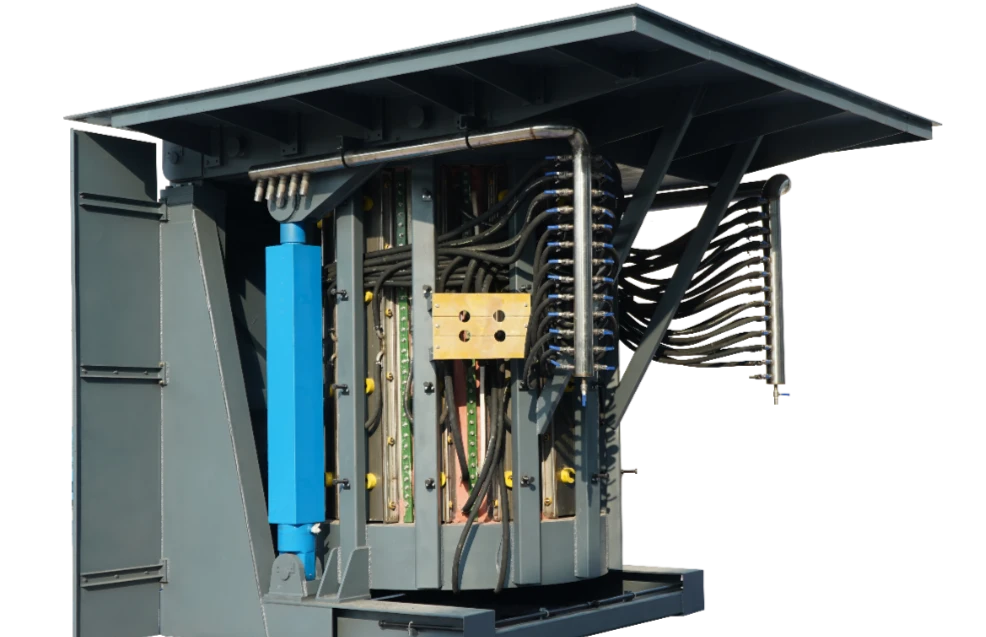
Bottom discharge can provide convenient and controlled transfer of molten metal, while tilting discharge offers flexibility for different production arrangements.
The appropriate configuration depends on your casting equipment, plant layout, transfer method, and operating requirements.
How Much Furnace Capacity Do You Actually Need?
A practical way to select capacity is to work backward from production demand.
For example:
Required output → Required melting cycles → Furnace batch capacity → Furnace power → Complete system configuration
Suppose your plant needs approximately 4 tons of molten aluminum during a production shift.
A 500 kg furnace would theoretically require at least eight full batches to produce 4 tons. In practice, additional capacity may be required because of metal losses, downtime, temperature adjustment, and charging time.
If the same production requirement must be completed within a short period, a 1,000 kg or larger furnace may provide a more suitable production margin.
The key is not simply to choose the biggest furnace, but to choose a capacity that fits your production rhythm.
Other Factors to Check Before Buying
Before purchasing an aluminum melting furnace, buyers should evaluate the following:
Furnace Type
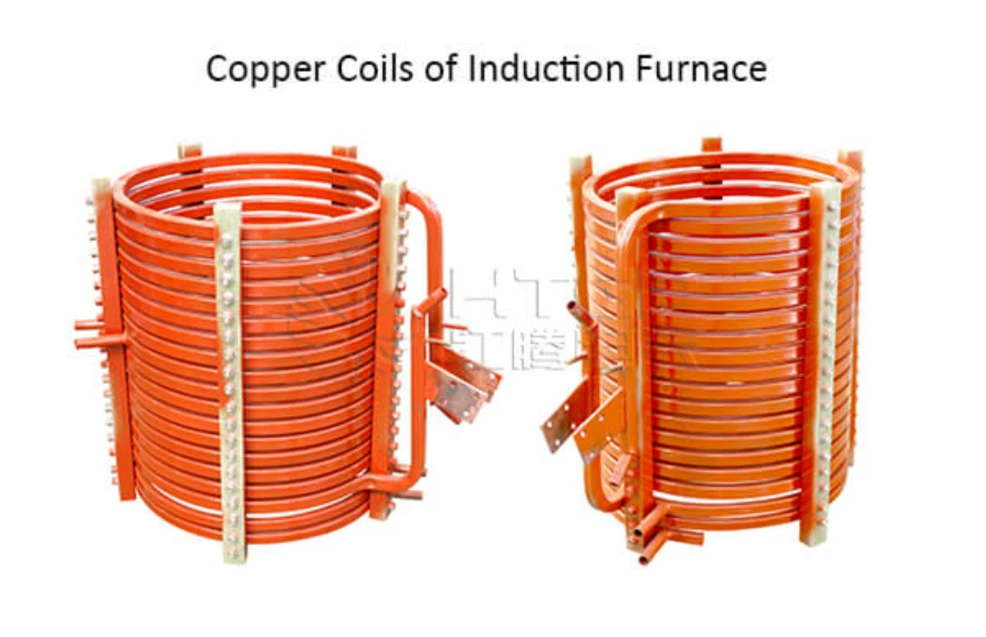
Different furnace technologies have different characteristics in terms of heating efficiency, temperature control, operating cost, and material compatibility.
Power Supply
The electrical power system must match the furnace capacity and available plant infrastructure.
Scrap Characteristics
Mixed and lightweight scrap requires different charging and melting considerations than clean aluminum ingots.
Metal Recovery
Higher recovery means less aluminum is lost during melting and slag removal.
Cooling System
For some furnace configurations, an appropriate cooling system is required to maintain stable operation. Equipment below certain capacities can also use air-cooling solutions depending on the design.
Control System
Digital control can help operators monitor and adjust important operating parameters, improving process stability and repeatability.
Furnace Life
Construction quality, refractory materials, cooling design, and operating conditions all influence service life. Properly designed equipment can provide a service life of more than 10 years under appropriate operating conditions.
Why Furnace Capacity Should Be Selected as a System
The biggest mistake when buying an aluminum melting furnace is treating capacity as an isolated specification.
A better approach is to evaluate the entire production system:
Raw Material → Charging → Melting → Slag Removal → Temperature Control → Holding → Casting
The furnace must work efficiently within this entire process.
For example, a furnace with excellent melting performance may still create production bottlenecks if the charging system is too slow or the casting machine has insufficient capacity.
For larger production plants, automatic charging, digital control, cooling systems, and casting-line integration can significantly improve overall efficiency.
Final Takeaway
The right aluminum melting furnace capacity depends on more than the amount of aluminum you want to melt in one batch.
Before making a decision, evaluate:
- Required hourly and daily production
- Melting cycle time
- Aluminum scrap type
- Metal recovery
- Energy consumption
- Required melting temperature
- Charging and discharge methods
- Downstream casting capacity
- Available electrical infrastructure
- Future production expansion
For small and medium production, 300 kg or 500 kg furnaces can provide a flexible solution. For higher-volume operations, 1,000 kg, 2,000 kg, 3,000 kg or larger systems may be more appropriate.
The best capacity is ultimately the one that matches your actual production process rather than simply the largest available model.
Need Help Choosing an Aluminum Melting Furnace?
If you are unsure whether a 300 kg, 500 kg, 1,000 kg, or larger aluminum melting furnace is suitable for your production, provide your required output, aluminum scrap type, and working hours.