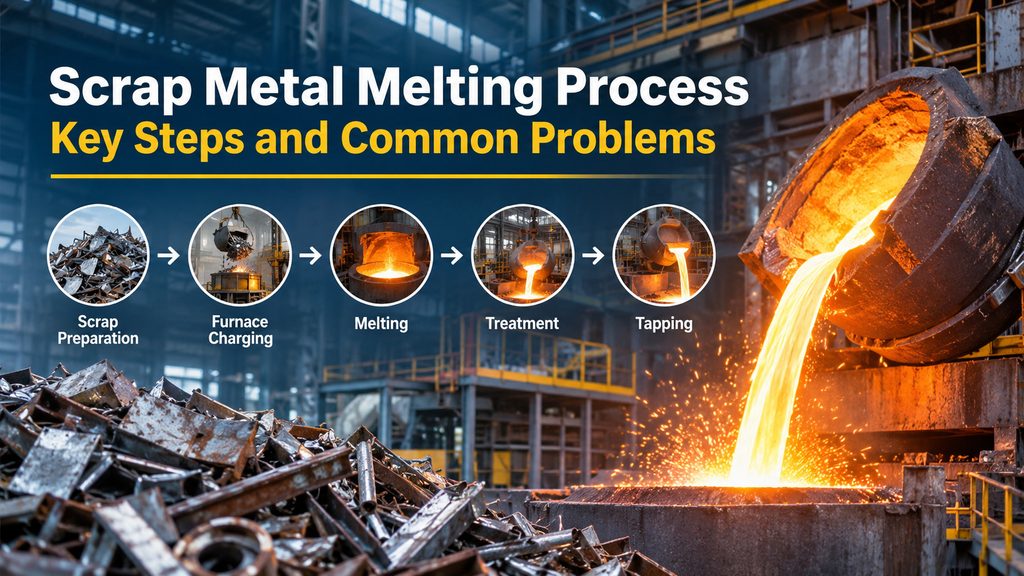
The industrial scrap metal melting process converts prepared metal scrap into molten metal for reuse in casting and other manufacturing operations. However, stable production depends on more than reaching the required melting temperature. Scrap quality, material preparation, furnace charging, melt treatment and tapping all influence production efficiency, metal recovery and final quality.
For foundries and metal recycling plants, common challenges include slow melting, excessive slag formation, metal oxidation, inconsistent chemical composition and high energy consumption. Understanding the causes of these problems helps operators improve process control and avoid unnecessary production losses.
This guide explains the main stages of industrial scrap metal melting, common operating problems and practical ways to address them. The exact procedure varies according to the metal, alloy and furnace type, so operating parameters should always be established for the specific production process.
1. Main Stages of the Scrap Metal Melting Process
Although the operating details differ between ferrous and non-ferrous metals, most industrial scrap melting operations involve the following stages.
| Process Stage | Main Operations | Key Control Points |
|---|---|---|
| Scrap inspection and sorting | Identify metal types, grades and contamination | Material identity and cleanliness |
| Scrap preparation | Remove foreign materials and prepare the charge | Moisture, oil, coatings and scrap dimensions |
| Charge planning | Select and weigh scrap and approved additions | Batch composition and material proportions |
| Furnace charging and melting | Load prepared material and supply heat | Charging sequence, furnace loading and temperature |
| Melt treatment | Adjust composition and remove slag or dross where applicable | Chemical composition and melt cleanliness |
| Tapping and casting | Transfer molten metal for casting or further processing | Tapping conditions and final melt quality |
1.1 Scrap Inspection and Sorting
The first step is to identify the incoming scrap and separate it according to metal type, grade and condition.
Mixing different alloys without checking their composition can introduce unwanted elements into the molten metal. Non-metallic materials, dirt, rust, oil and surface coatings can also affect subsequent processing.
Scrap should therefore be inspected before it is assigned to a production batch. When the material grade is uncertain, appropriate material identification or chemical analysis may be necessary.
For recycling plants handling different types of metal, sorting is especially important. Steel, stainless steel, aluminum, copper and their respective alloys should not be treated as interchangeable raw materials.
1.2 Scrap Preparation
After sorting, scrap is prepared according to the selected melting process and furnace charging requirements.
Depending on the material, preparation may include:
- Removing non-metallic attachments and foreign materials.
- Cutting or shredding oversized scrap to suit the charging system.
- Separating different metal grades and material fractions.
- Removing oil, grease or coatings through an appropriate controlled process.
- Inspecting the material to ensure it is dry and free from water contamination.
Not every scrap load needs to be shredded or compacted. The suitable size and form depend on the furnace opening, charging equipment, material density and operating requirements.
Moisture deserves particular attention. Introducing wet scrap or water-contaminated materials into a furnace can cause a violent reaction when water contacts molten metal. Oil, paint and certain coatings may also generate hazardous fumes during heating. Scrap inspection and preparation are therefore essential for both production quality and workplace safety.
1.3 Charge Planning and Material Composition
Once the scrap has been prepared, the next step is to determine the charge composition.
The material proportions should be based on the required final metal grade, the verified composition of the available scrap and the applicable alloying requirements. Using an unsuitable scrap mixture can make it difficult to achieve the required chemical composition.
A practical charge plan should consider:
- The type and grade of each scrap material.
- The known or measured chemical composition.
- The required final metal composition.
- The quantity and composition of approved alloy additions.
- The expected amount of oxidation and processing residue.
For plants processing mixed or recycled materials, batch records and chemical analysis can help identify variations between incoming scrap loads.
A consistent charge plan also makes it easier to investigate problems when the final melt does not meet the required composition.
1.4 Furnace Charging and Melting
After charge preparation and weighing, the scrap is loaded into the melting furnace according to the operating procedure.
The charging sequence should suit the furnace design and the physical characteristics of the scrap. Oversized or poorly arranged materials can make charging difficult, while inconsistent batch loading may affect the melting cycle.
During melting, operators need to monitor the furnace condition and the relevant process parameters, including temperature, power input and melting progress.
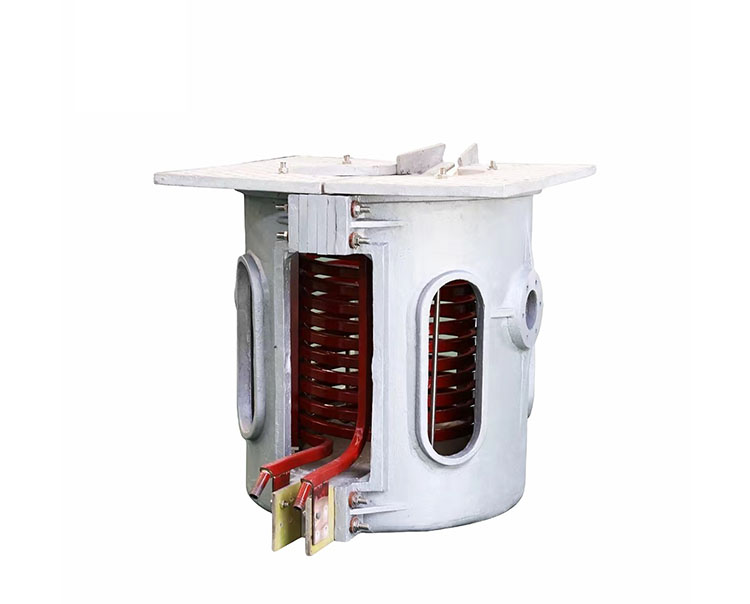
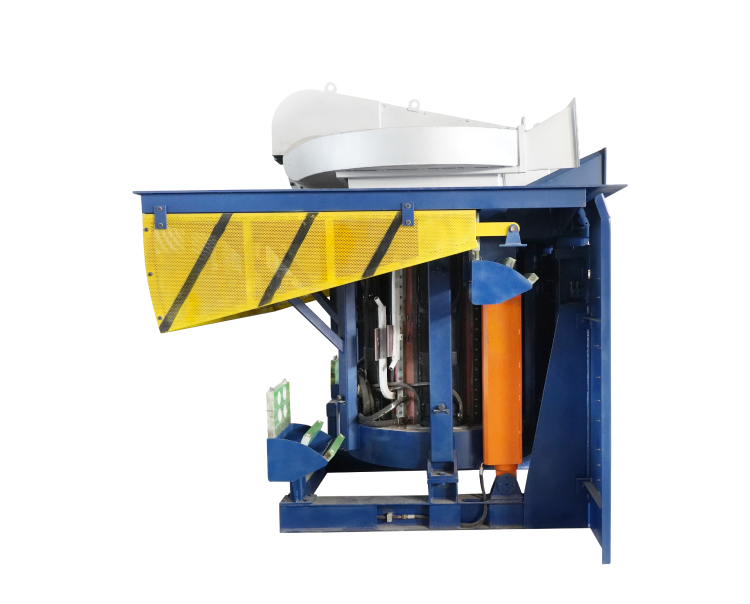
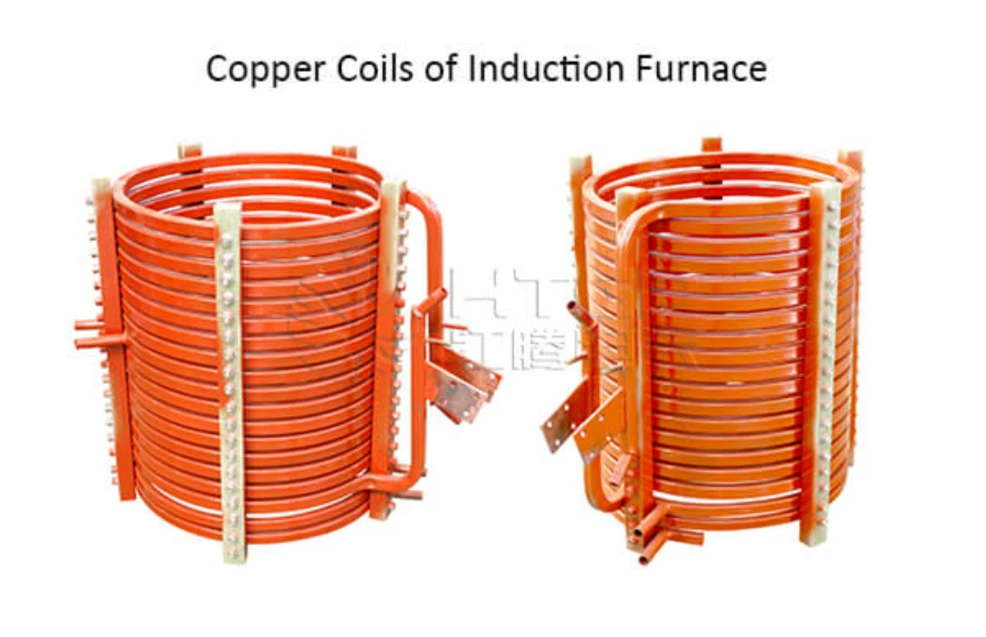
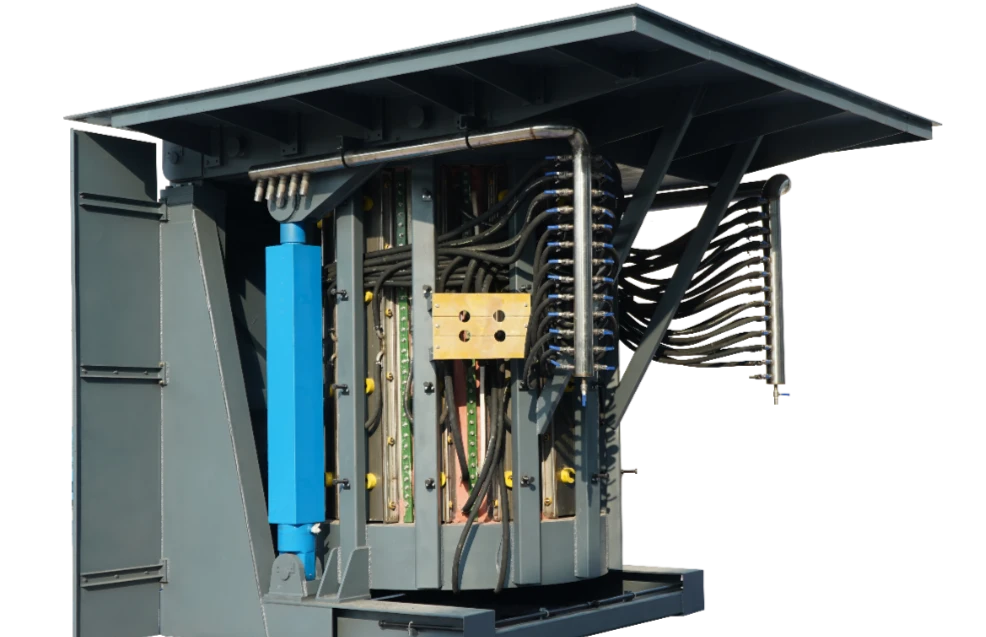
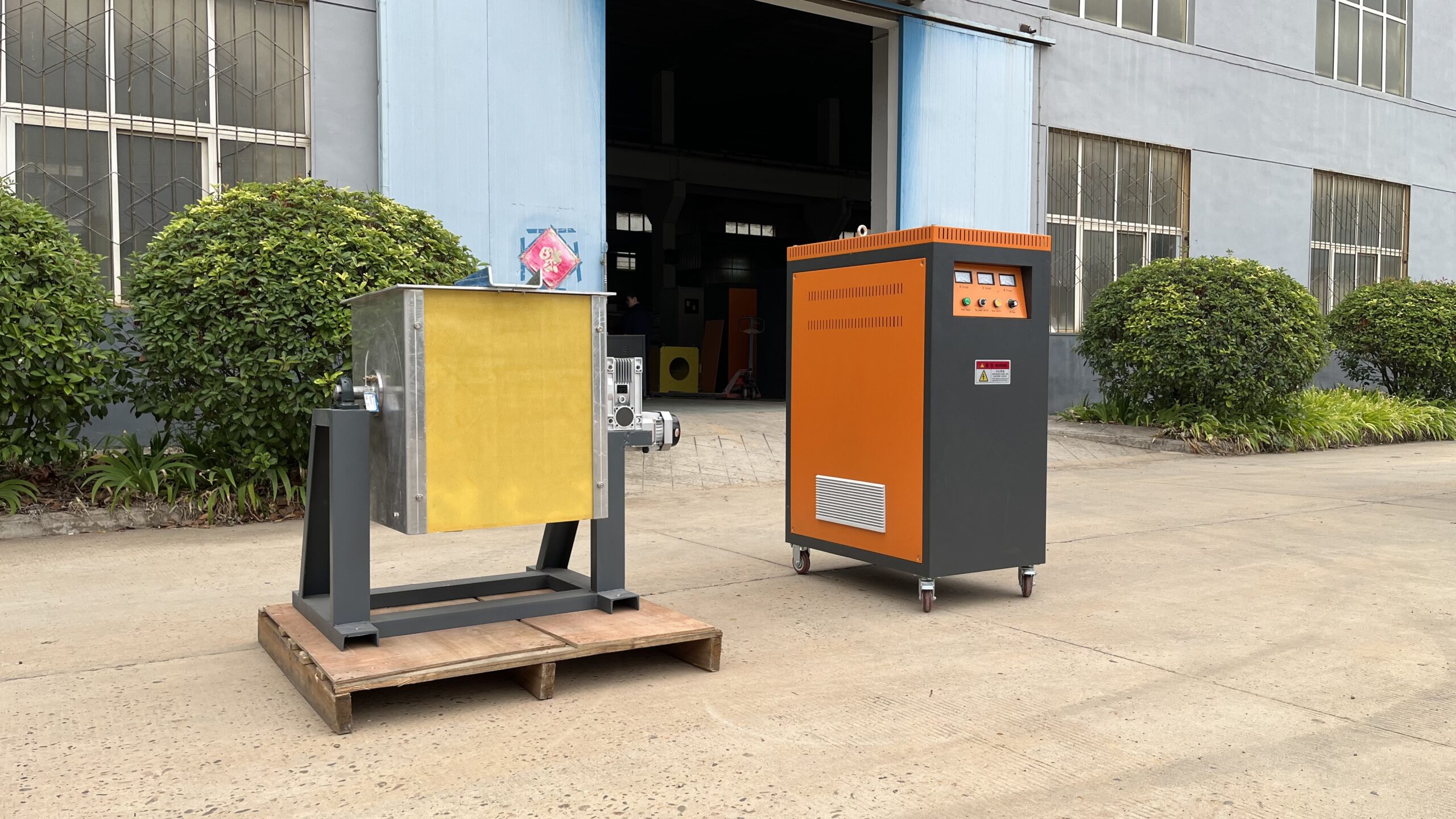
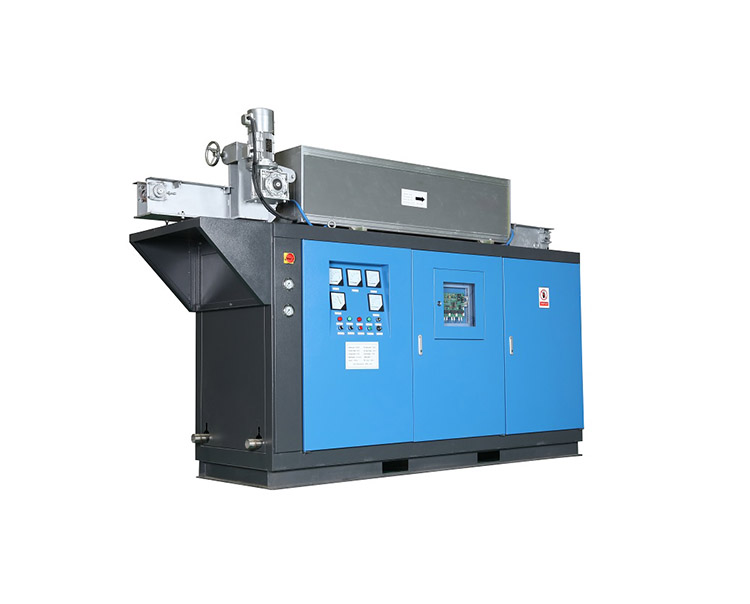
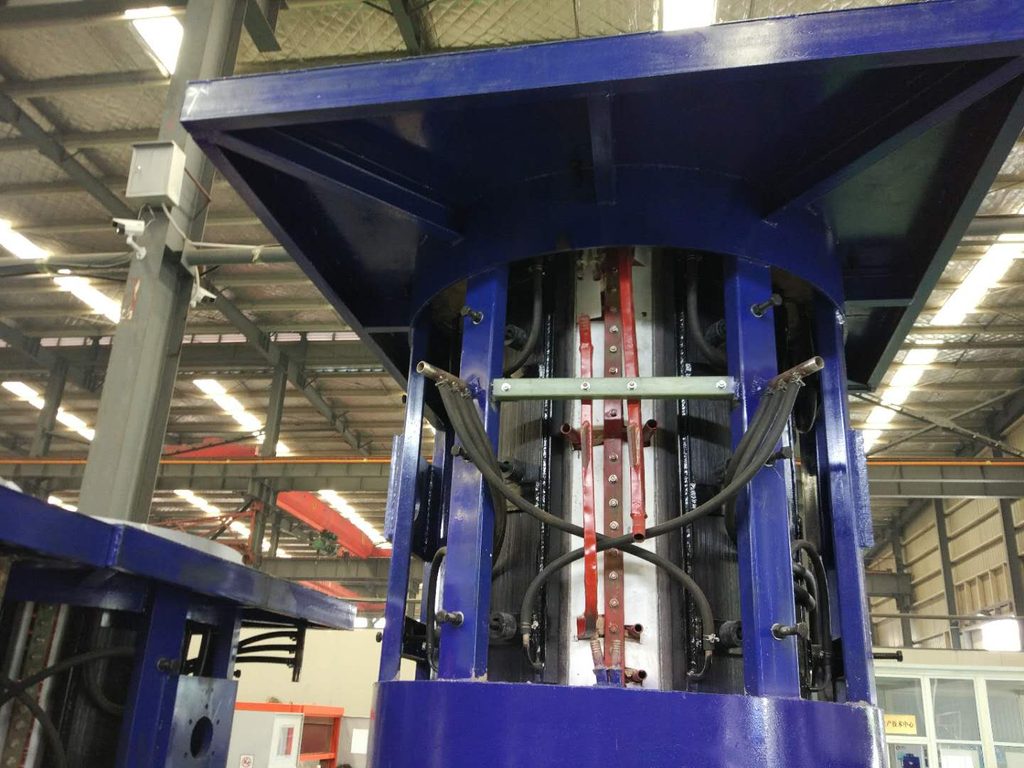
Medium-frequency induction furnaces are used in industrial foundries and metal recycling applications because they generate heat through electromagnetic induction. Their suitability depends on the metal being processed, production capacity, charging method and the plant’s electrical conditions.
For operations evaluating industrial induction melting furnace systems, furnace configuration and production requirements should be assessed together rather than selecting equipment based on capacity alone.
1.5 Melt Treatment and Slag or Dross Removal
After the scrap has melted, the molten metal may require further treatment before tapping.
The specific operations depend on the metal and required final quality. They may include chemical composition adjustment, refining, degassing or removal of floating residues.
Slag and dross should not be treated as exactly the same material in every melting operation. In ferrous melting, slag is associated with impurities and oxidation products separated from the molten metal. In aluminum melting, dross is commonly formed from surface oxides and may contain entrained metal.
Excessive residue can indicate problems with scrap cleanliness, oxidation control, charging practice or melt treatment. Operators should monitor the type and amount of residue and investigate changes rather than assuming that all residue formation can be eliminated.
The treatment method must also match the metal. A process suitable for steel cannot automatically be applied to aluminum or copper.
1.6 Tapping and Casting
Once the molten metal meets the required process conditions, it can be tapped and transferred for casting or subsequent production.
Before tapping, operators should confirm that the relevant temperature and chemical composition requirements have been met. The transfer method should also be suitable for the furnace, molten metal and downstream equipment.
Poor coordination between melting and casting can lead to unnecessary holding time. Production scheduling should therefore consider the capacity of the melting furnace as well as the requirements of the casting or holding stage.
2. Common Problems in Scrap Metal Melting
Problems during melting are often related to incoming material quality, charging practices, furnace operation or melt treatment. The following table provides practical areas to investigate.
| Common Problem | Possible Causes to Investigate | Practical Checks |
|---|---|---|
| Slow or uneven melting | Inconsistent scrap dimensions, poor charge arrangement or unsuitable operating conditions | Check scrap size, batch loading, power input and melting progress |
| Excessive oxidation and metal loss | Extended exposure to high temperatures, excessive holding or unsuitable handling conditions | Review holding time, temperature control and melt handling practices |
| Excessive slag or dross | Contaminated scrap, oxidation or unsuitable melt treatment | Inspect incoming materials and compare residue formation between batches |
| Inconsistent metal composition | Mixed scrap grades, uncertain material composition or incorrect additions | Review sorting records, charge calculations and chemical analysis |
| High energy consumption | Long melting or holding periods, heat losses or inefficient operation | Compare energy use, production output, furnace loading and operating records |
| Unsafe charging conditions | Wet scrap, sealed containers or hazardous contaminants | Improve material inspection, preparation and charging controls |
2.1 Why Does Scrap Metal Melt Slowly?
Slow melting can result from several factors, and it should not automatically be attributed to insufficient furnace power.
Scrap dimensions, bulk density, charge arrangement and furnace loading all influence how the material behaves during the melting cycle. Poorly arranged scrap may also interfere with charging and melting operations.
To investigate slow melting, operators should first compare batches with similar material grades and production conditions. Relevant records include:
- Scrap type, dimensions and batch weight.
- Charging sequence and loading conditions.
- Furnace power input and temperature records.
- Actual melting time for comparable batches.
- Changes in furnace condition or supporting systems.
These checks help distinguish a material-related problem from an equipment or operating issue.
2.2 What Causes Excessive Oxidation and Metal Loss?
Metal loss during melting can be associated with oxidation, material contamination and the way the molten metal is handled.
Oxidation behavior differs between metals and alloys. Aluminum, for example, readily forms an oxide layer at its exposed surface. Excessive surface disturbance and unnecessary exposure can increase oxidation-related losses under certain operating conditions.
Practical control measures include:
- Sorting scrap to reduce unsuitable materials and contaminants.
- Avoiding unnecessary overheating and prolonged holding.
- Using appropriate charging and transfer practices.
- Monitoring the formation and removal of oxidation residues.
- Reviewing metal recovery records for comparable batches.
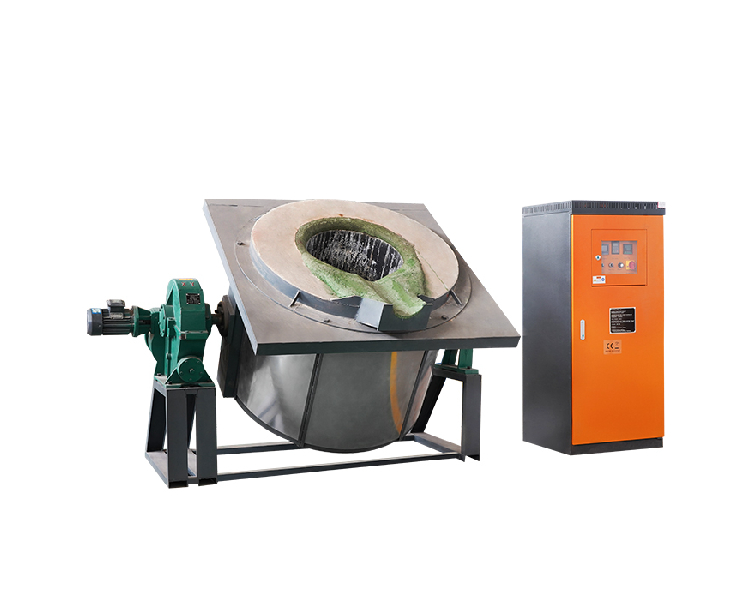
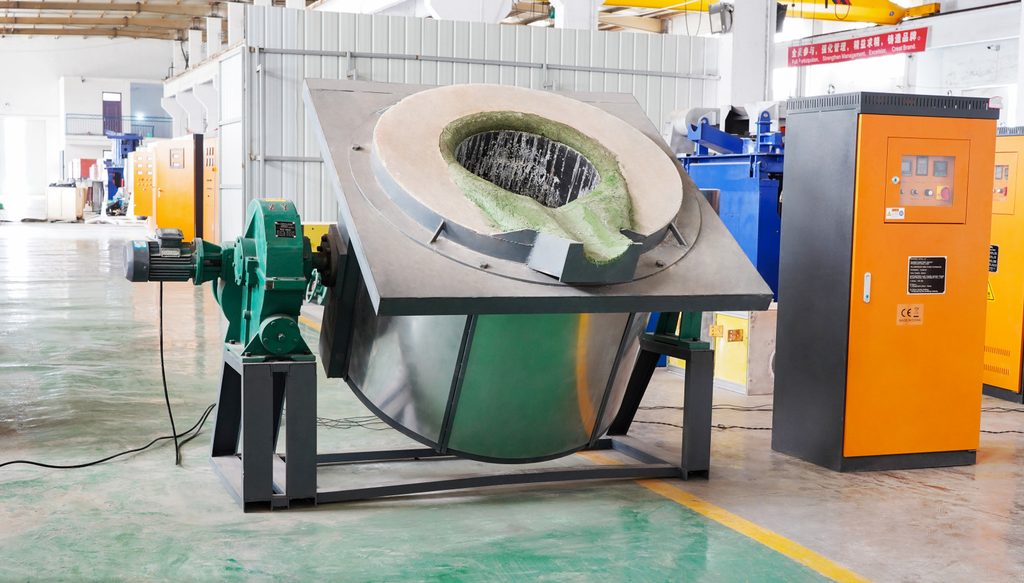
For aluminum recycling operations, furnace design and melt handling can also influence oxidation behavior. The aluminum melting furnace is one equipment option to evaluate when the production process involves aluminum scrap and aluminum alloy materials.
2.3 Why Does Too Much Slag or Dross Form?
Slag and dross formation are influenced by the metal being melted, the quality of the incoming scrap and the operating conditions.
Contaminated materials may introduce additional non-metallic substances into the process. Oxidation can also increase the amount of residue formed during melting.
Operators should investigate:
- Whether scrap contains excessive dirt, coatings or other foreign materials.
- Whether different metal grades are being mixed.
- Whether temperature and holding practices are appropriate.
- Whether the melt treatment procedure matches the material.
- Whether residue levels have changed between production batches.
It is important to distinguish normal residue formation from an abnormal increase. The amount and composition of slag or dross depend on the raw material and process, so a single universal removal method is not appropriate for every furnace.
2.4 Why Is the Final Metal Composition Inconsistent?
Inconsistent chemical composition often starts before the scrap enters the furnace.
When different alloys are mixed without adequate identification, the resulting melt may contain unwanted elements. Variations in the quality of incoming scrap can also cause one production batch to differ from another.
A more reliable approach is to establish material acceptance and sorting procedures, maintain batch records and verify the melt composition using appropriate testing methods.
If the final composition is outside the required range, operators should review the scrap mixture and alloy additions before changing furnace operating parameters.
2.5 Why Is Energy Consumption Higher Than Expected?
Energy consumption during melting is affected by material characteristics, furnace operation and production scheduling.
Long melting and holding periods can increase energy use. Unnecessary furnace opening, excessive heat loss and poor coordination between melting and downstream operations may also reduce overall efficiency.
A useful way to investigate the issue is to compare energy consumption against the amount of acceptable molten metal produced, using consistent measurement boundaries and comparable material grades.
Operators should review:
- Electricity or fuel consumption for each production batch.
- Melting and holding time.
- Batch weight and material characteristics.
- Furnace loading and operating schedule.
- Equipment condition and maintenance records.
Comparing energy use only between batches with different metals or charge conditions can produce misleading conclusions. The comparison should use similar production conditions wherever possible.
3. Scrap Metal Melting Considerations for Different Metals
The general process stages are similar, but operating requirements vary significantly according to the metal and alloy.
3.1 Steel and Iron Scrap
Steel and iron melting operations require careful control of the charge composition and final chemical properties. Different scrap grades may contain different levels of carbon and alloying elements, making material identification important.
Production requirements also influence furnace configuration. Foundries handling larger batches should consider furnace capacity, charging arrangements, power supply and tapping requirements together.
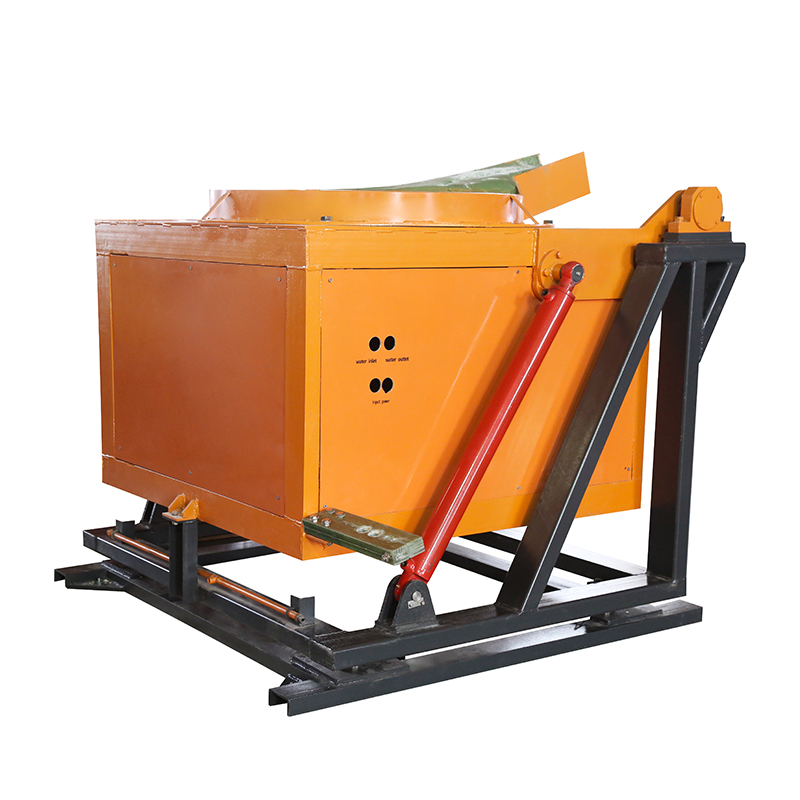
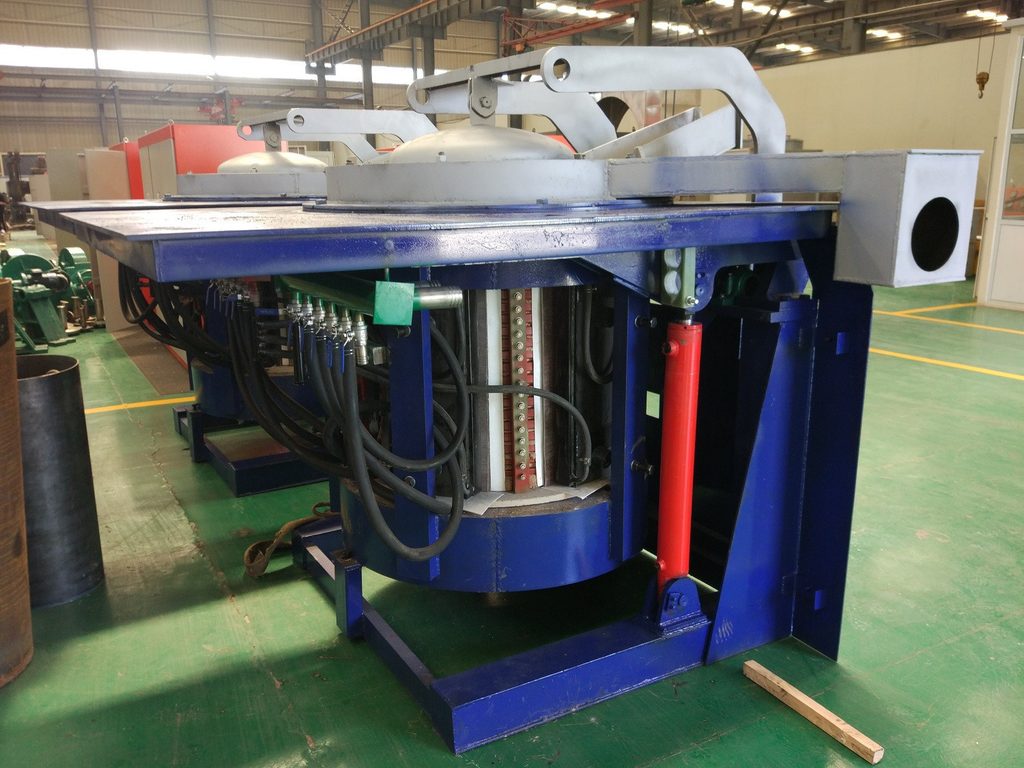
A steel-shell melting furnace may be evaluated for industrial melting applications where its configuration matches the required batch size and production arrangement.
3.2 Aluminum Scrap
Aluminum scrap can include used castings, profiles, wires, cans and other recycled aluminum materials. These materials may differ in alloy composition, surface condition and contamination.
Sorting and preparation are particularly important because mixed aluminum alloys may not produce the required final composition. Moisture and surface contamination also need to be controlled before charging.
Oxidation and dross formation should be monitored throughout the operation. The appropriate furnace and melting practice depend on the aluminum alloy, scrap form, required output and downstream casting process.
3.3 Copper and Copper Alloy Scrap
Copper recycling operations may process copper scrap, copper ingots and different copper alloys such as brass and bronze.
The main consideration is maintaining the required metal composition. Mixing different copper alloy grades without proper identification may introduce unwanted elements and affect the final product.
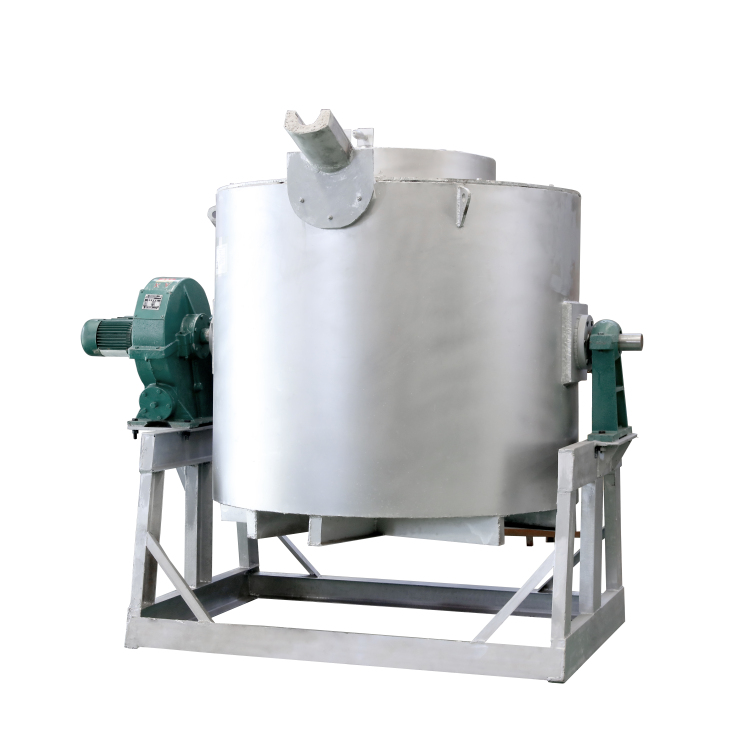
The furnace should be selected according to the material, melting capacity, temperature control requirements and production method. For these applications, a copper melting furnace can be considered as part of the equipment evaluation.
4. How to Improve Scrap Metal Melting Efficiency
Improving melting efficiency requires attention to the entire production process rather than focusing only on furnace performance.
The following measures provide a practical starting point.
1. Improve scrap inspection and sorting.
Establish clear material acceptance standards and separate scrap by metal type and grade. This helps reduce contamination and unexpected variations in chemical composition.
2. Standardize scrap preparation.
Control material dimensions, cleanliness and moisture before charging. The preparation method should match the furnace and charging system.
3. Maintain consistent charge planning.
Use verified material information to prepare each batch. Record the scrap mixture and alloy additions so that changes in final composition can be traced.
4. Monitor melting and holding conditions.
Keep production records for temperature, power input, melting time and holding time. Investigate unusual changes instead of adjusting process parameters without identifying the cause.
5. Track metal recovery and residue formation.
Record the incoming scrap weight, acceptable molten metal output and process residues where these measurements are available. Use consistent measurement methods when comparing production batches.
6. Coordinate melting with downstream production.
The melting schedule should be coordinated with casting or other downstream operations. This can help reduce unnecessary holding and avoid interruptions caused by mismatched production capacity.
5. How to Choose Suitable Melting Equipment for Scrap Metal
Selecting a melting furnace requires more than matching the equipment’s rated capacity to the expected scrap weight. The furnace must suit the materials, production conditions and downstream process.
Before choosing equipment, consider the following factors:
| Selection Factor | Questions to Consider |
|---|---|
| Metal type | Will the furnace melt steel, iron, aluminum, copper or specific alloys? |
| Scrap characteristics | What are the material dimensions, density, cleanliness and condition? |
| Production capacity | What is the required batch size and hourly or daily output? |
| Melting method | Which furnace type is suitable for the material and operating process? |
| Power supply | Does the existing electrical infrastructure meet the equipment requirements? |
| Charging and tapping | How will scrap be loaded and molten metal transferred? |
| Melt quality | What temperature and chemical composition controls are required? |
| Supporting systems | What cooling, extraction, automation and safety systems are needed? |
For industrial foundries and recycling plants, the equipment configuration should be determined from the actual production process. A furnace that works well for one metal or scrap condition may not be suitable for another.
Conclusion
The scrap metal melting process involves several connected operations, from material inspection and preparation to furnace charging, melting, melt treatment and tapping. Problems such as slow melting, excessive oxidation, high slag formation and inconsistent metal composition should be investigated across the entire process rather than attributed to the furnace alone.
Consistent scrap preparation, appropriate charge planning, controlled furnace operation and reliable production records are essential for improving process stability. Choosing equipment that matches the metal type, scrap characteristics and production requirements is equally important.
For a melting system tailored to your raw materials, target capacity and production conditions, contact our engineering team to discuss your application and equipment requirements.