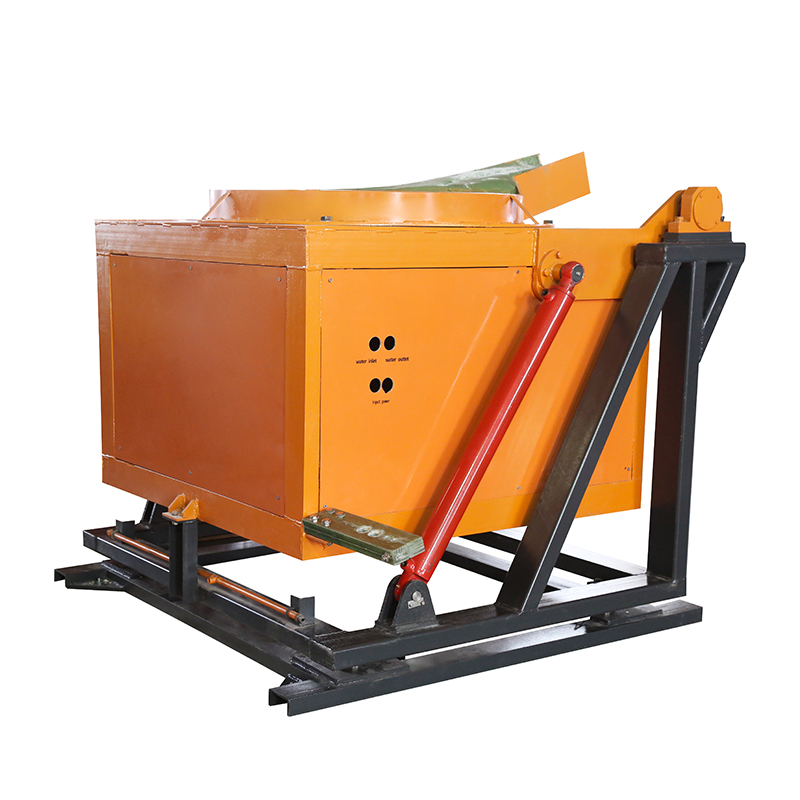
Steel pipe corrosion protection depends on the coating system, the service environment, and the requirements of the pipeline project. Fusion-bonded epoxy (FBE) and three-layer polyethylene (3LPE) are two coating approaches used in pipeline protection, but they have different structures and equipment requirements.
FBE uses an epoxy powder coating that forms a bonded protective film, while 3LPE combines an epoxy powder layer, an adhesive layer, and an outer polyethylene layer. The appropriate system depends on whether the coating is applied internally or externally, the required mechanical protection, the operating environment, and the project specification.
For manufacturers evaluating industrial pipeline coating equipment, understanding these differences is an important step before selecting a coating process or production line.
What Is FBE Coating?
FBE stands for fusion-bonded epoxy. It is a thermosetting epoxy powder coating used to protect metal surfaces against corrosion. During application, the powder melts and cures to form a bonded coating on a properly prepared surface.
The coating process generally requires controlled surface preparation, suitable application conditions, powder application, curing, and inspection. The exact process depends on the coating material, the pipe surface being treated, and the equipment configuration.
FBE is used in different coating applications. It can serve as a single-layer coating system or form the first layer of a 3LPE external coating system.
The distinction matters when selecting equipment. MeltingTech’s FBE Single Epoxy Spraying equipment is described on its product page as an internal epoxy powder anti-corrosion coating process using electrostatic spraying. Buyers should confirm the required coating location and application before deciding whether this equipment matches their project.
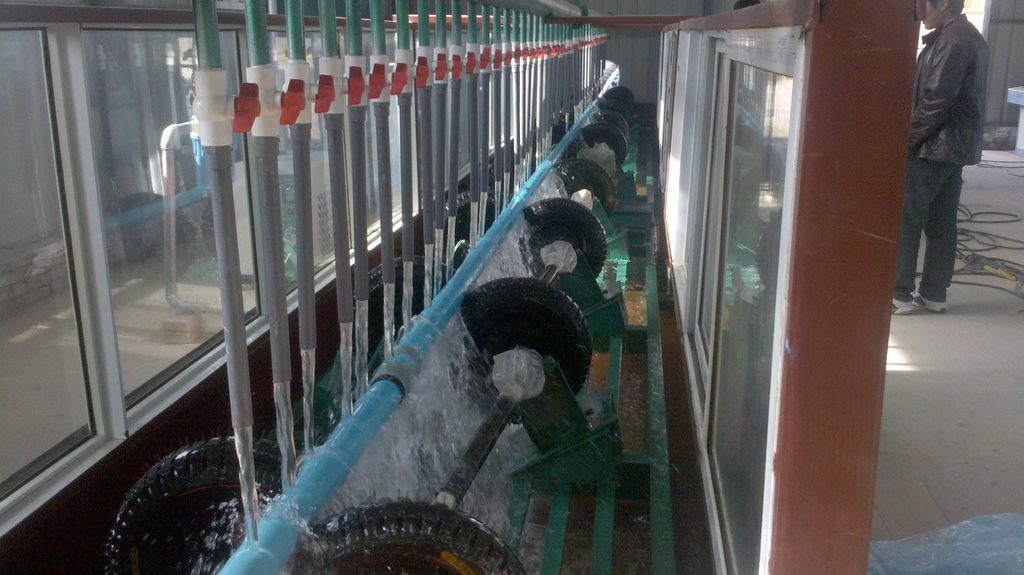
What Is 3LPE Coating?
3LPE stands for three-layer polyethylene coating. It combines three materials to provide corrosion protection and mechanical protection for steel pipes.
The system typically includes the following layers:
| Layer | Material | Main function |
|---|---|---|
| First layer | Fusion-bonded epoxy powder | Provides adhesion to the properly prepared steel surface and acts as a corrosion-protective primer |
| Second layer | Copolymer adhesive | Bonds the epoxy layer to the polyethylene outer layer |
| Third layer | High-density polyethylene (HDPE) | Provides an external protective barrier and helps resist mechanical damage |
The performance of the complete coating depends on the quality of each layer and the integrity of the interfaces between them. Surface preparation, application conditions, layer continuity, and inspection all contribute to the final result.
For pipelines requiring an external three-layer coating, MeltingTech’s 3LPE steel pipe anti-corrosion coating production line is the relevant product to evaluate. The specific equipment configuration and coating requirements should be confirmed against the pipe dimensions and project specification.
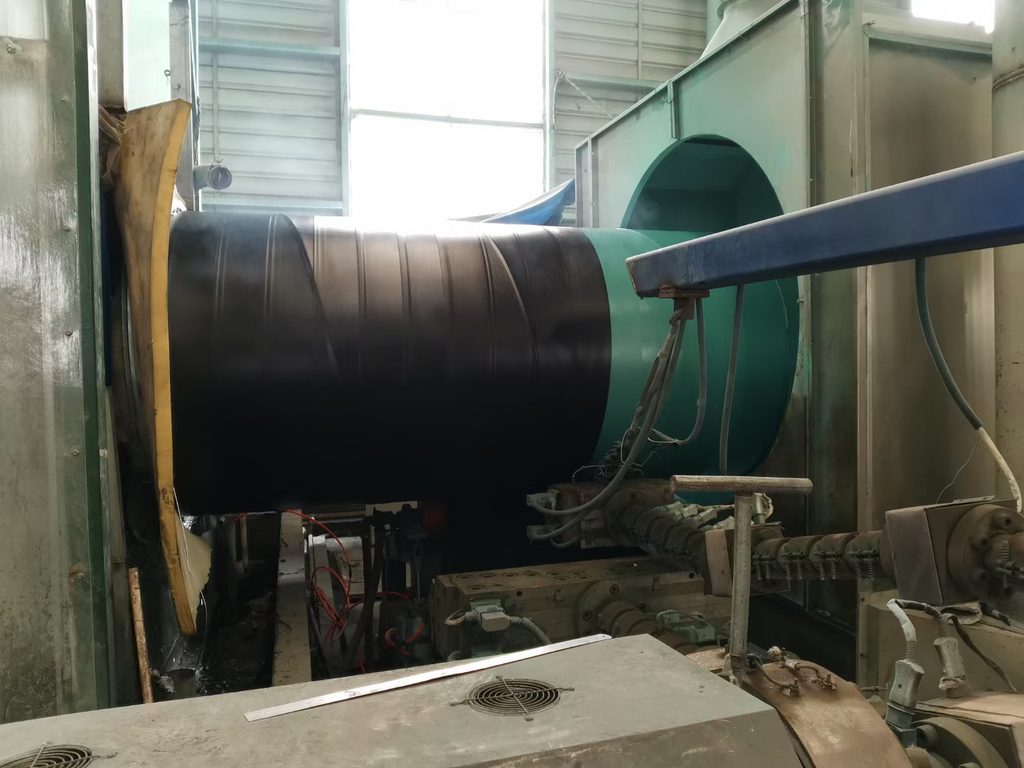
FBE vs 3LPE Coating: Key Differences
Although FBE and 3LPE are related, they should not be treated as interchangeable coating systems in every application.
| Comparison factor | Single-layer FBE coating | 3LPE coating |
|---|---|---|
| Structure | One epoxy powder coating layer | Epoxy powder, adhesive, and polyethylene outer layer |
| Primary coating function | Corrosion protection through a bonded epoxy layer | Combines epoxy-based corrosion protection with a polyethylene outer layer |
| Mechanical protection | Depends on the specified FBE system and coating requirements | The polyethylene outer layer provides additional mechanical protection |
| Application | Can be specified for internal coating or as a single-layer external system, depending on the application | Commonly used as an external coating system for buried or submerged pipelines |
| Process requirements | Surface preparation, application, curing, and inspection must follow the qualified procedure | Requires control of the three-layer application process and the bonding between layers |
| Equipment considerations | Must match the intended coating location and FBE application method | Must support the required three-layer configuration and pipe handling arrangements |
The comparison above refers to single-layer FBE and three-layer polyethylene systems. In an actual pipeline project, the choice depends on the required coating location, environmental exposure, handling conditions, and applicable specification.
For external pipeline coatings, ISO 21809-1 addresses plant-applied external three-layer polyethylene and polypropylene coatings, while ISO 21809-2:2026 addresses single-layer external FBE coatings. The applicable standard and edition should be confirmed for each project.
What Does the FBE Coating Process Involve?
The FBE coating process needs to be controlled from surface preparation through final inspection. A typical sequence for pipe coating may include the following stages, although the exact arrangement depends on whether the system applies an internal or external coating.
1. Surface Preparation
The steel surface must be prepared according to the coating specification. Contamination, oil, loose material, and unsuitable surface conditions can interfere with coating adhesion.
The required cleaning method and surface profile should be established in the approved coating procedure rather than assumed to be the same for every pipe and coating system.
2. Heating and Application Preparation
Where required by the coating system, the pipe is heated to the specified application condition before powder is applied. The actual temperature depends on the selected powder, pipe characteristics, and qualified process requirements.
No single preheating temperature should be applied to every FBE coating project.
3. Electrostatic Powder Application
The epoxy powder is applied to the prepared surface using the specified application equipment. For electrostatic application, the equipment must provide suitable powder distribution over the intended coating area.
Pipe diameter, length, coating location, and the handling method all affect the required equipment arrangement.
4. Fusion and Curing
The applied powder melts and cures to form the protective coating. The material specification and qualified process determine the necessary application conditions and curing requirements.
Incomplete fusion, unsuitable process conditions, or poor surface preparation may affect coating integrity and adhesion.
5. Inspection and Verification
The finished coating should be inspected using the tests and acceptance criteria specified for the project. Depending on the applicable requirements, checks may include coating continuity, thickness, adhesion, and visual condition.
The required inspection plan should be agreed upon before production begins.
How Does the 3LPE Coating Process Work?
A 3LPE coating process must coordinate the application of three layers while maintaining the required bond between the coating materials.
A typical plant-applied process may involve surface preparation, pipe heating, epoxy powder application, adhesive application, polyethylene application, cooling, and final inspection. The exact equipment sequence depends on the selected line design and application method.
Several factors deserve particular attention.
Surface preparation: The steel surface must meet the coating procedure’s requirements before the first layer is applied. Poor preparation can compromise the bond between the coating and the pipe.
Epoxy powder application: The first layer must be applied under the specified conditions so that it forms the intended protective layer.
Adhesive bonding: The intermediate adhesive must provide the required bond between the epoxy layer and the polyethylene outer layer.
Polyethylene application: The outer layer must be formed consistently with the project requirements, including the specified thickness and coating condition.
Cooling and inspection: The completed coating must be cooled and checked according to the production procedure and applicable acceptance criteria.
Because the three layers perform different functions, quality problems cannot always be resolved by adjusting only one application stage. The full process must be reviewed when investigating weak bonding, coating discontinuities, or damage.
How to Choose FBE Coating Equipment or a 3LPE Production Line
The right equipment depends on the coating system and the actual pipe production requirements. Before requesting a quotation, buyers should clarify the following information.
| Information to prepare | Why it matters |
|---|---|
| Coating location | Establishes whether internal coating, external coating, or both are required |
| Pipe outside diameter and length | Helps determine handling, application, and equipment configuration |
| Pipe material and dimensions | Defines the workpiece characteristics and process requirements |
| Required coating system | Distinguishes single-layer FBE from a three-layer 3LPE system |
| Applicable project standard | Establishes the required coating, inspection, and acceptance criteria |
| Production throughput | Helps determine the required line capacity and operating arrangement |
| Coating quality requirements | Defines the necessary process controls and inspection methods |
| Plant layout and utilities | Helps assess installation space, heating requirements, and supporting systems |
The first question should be whether the project needs an internal coating, an external single-layer FBE coating, an external 3LPE system, or a combination of coating systems. These requirements are not identical and may call for different equipment arrangements.
When selecting equipment, request confirmation of the supported pipe dimensions, the intended coating location, the application method, the inspection requirements, and the performance parameters that will be verified during commissioning.
This approach helps avoid choosing a line based only on the coating name or an isolated equipment specification.
Common Mistakes When Comparing FBE and 3LPE
Treating the systems as direct substitutes in every application. FBE and 3LPE differ in structure and intended configuration. The required coating location and project conditions must be established first.
Focusing only on the coating material. Coating performance also depends on surface preparation, application conditions, bonding, curing, and inspection.
Using generic process settings. Application temperature, layer thickness, and curing conditions must follow the applicable material specification and qualified process.
Ignoring inspection requirements. A coating that appears satisfactory visually may still need additional testing to demonstrate compliance with the project requirements.
Selecting equipment before defining the project scope. Pipe dimensions, required throughput, coating location, and the applicable standard should be established before finalizing the production line configuration.
Avoiding these mistakes makes equipment proposals easier to compare and reduces the risk of selecting a system that does not meet the intended coating requirements.
Conclusion
FBE and 3LPE are both used for steel pipe corrosion protection, but they have different structures and equipment requirements. Single-layer FBE provides a bonded epoxy coating, while 3LPE combines an epoxy layer, adhesive, and polyethylene outer layer.
The right choice depends on the coating location, service environment, required mechanical protection, pipe specifications, and applicable project standards. Equipment should be selected only after these requirements have been established.
If you are planning a steel pipe coating project, contact our team to discuss your pipe dimensions, coating location, required coating system, production target, and inspection requirements. These details provide a practical starting point for evaluating a suitable FBE coating solution or 3LPE production line for your application.