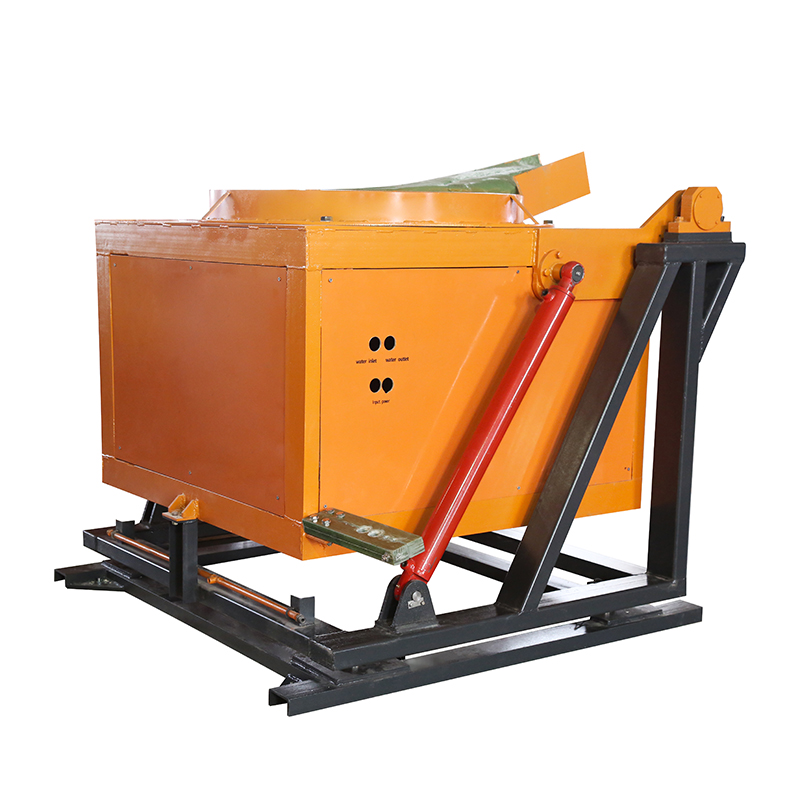
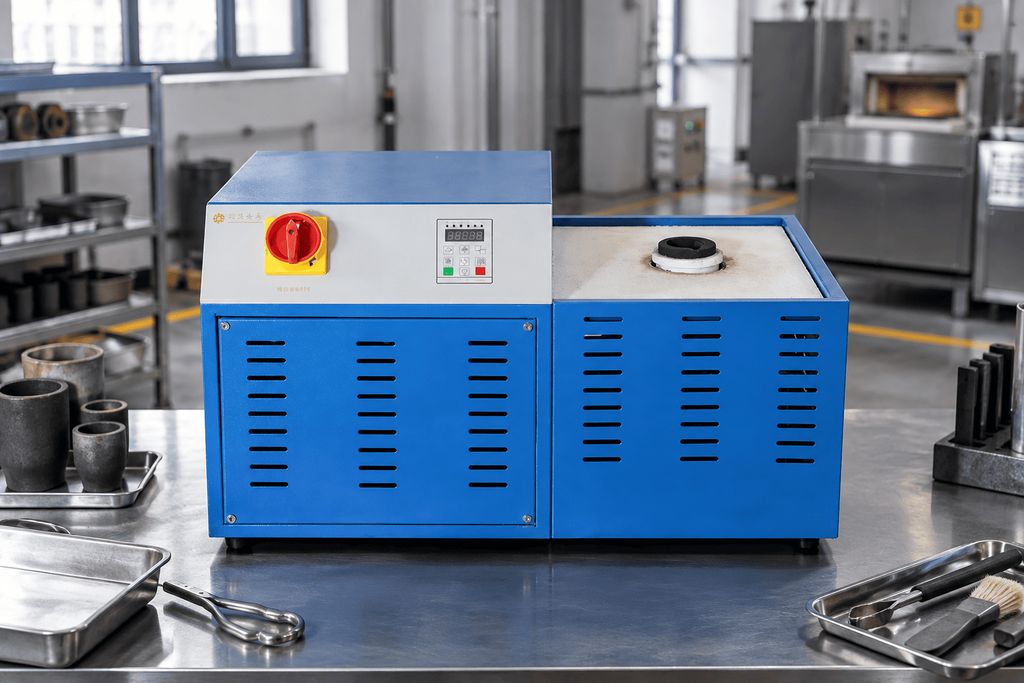
Precious metal melting is an important process in jewelry manufacturing, metal recycling, small-batch casting, and other applications involving gold, silver, platinum, and their alloys. Although the basic goal is to turn solid metal into a molten state, the melting method can have a significant effect on heating speed, temperature control, melt uniformity, and ease of operation.
For small and medium-batch applications, induction melting is a practical option because it can provide rapid and controllable heating in a compact furnace. The right equipment depends on the metal, batch weight, required temperature, melting cycle, and pouring method.
This guide explains the basics of precious metal melting, common melting methods, the advantages of induction heating, and how to choose a suitable precious metal melting furnace for small-batch applications.
What Is Precious Metal Melting?
Precious metal melting is the process of heating a solid precious metal or alloy until it becomes sufficiently fluid for pouring, casting, alloying, or other downstream processing.
Common materials include:
- Gold
- Silver
- Platinum
- Palladium
- Precious-metal alloys
- Recycled precious-metal materials
The melting point varies by material. Pure gold melts at about 1064°C, silver at about 962°C, and platinum at about 1768°C. However, the melting point of the pure metal is not necessarily the temperature at which a furnace should operate. Alloys, pouring requirements, charge condition, and process control can affect the actual working temperature.
Melting should also be distinguished from refining. Melting changes the physical state of the metal, while refining is a separate process used to remove or separate unwanted materials.
Which Precious Metals Can Be Melted?
Gold
Gold is one of the most common materials processed in small-batch precious metal melting.
The charge may include pure gold, jewelry alloys, recovered gold, granules, or other gold-bearing materials. A suitable furnace needs to provide enough heat to reach the required melting condition while allowing the operator to control the process.
For businesses primarily working with gold, a dedicated gold melting furnace can be selected according to the required batch size and melting cycle.
Silver
Silver is also widely melted for jewelry manufacturing, casting, recycling, and other applications.
Its lower melting temperature compared with many other metals makes it suitable for compact electric melting equipment. The furnace should still be selected according to the actual charge weight and process requirements.
Platinum and Other Precious Metals
Platinum and some other precious metals require substantially higher temperatures than gold and silver.
For this reason, furnace temperature capability and crucible compatibility become particularly important when processing high-melting-point materials. A compact induction furnace with a sufficiently high temperature range can be used for suitable small-batch applications.
How Does Precious Metal Melting Work?
Although furnace designs vary, the basic process is straightforward.
1. Prepare the Metal Charge
The metal is prepared according to the required composition and batch weight.
The charge may consist of new metal, recycled material, alloy feedstock, or a mixture of materials. Removing obvious contaminants before melting can help maintain a more consistent melt.
2. Load the Crucible
The prepared material is placed into a suitable crucible.
Crucible selection matters because the crucible must withstand the required temperature and remain compatible with the material being melted. The furnace capacity should also match the intended batch size rather than simply using the maximum rated capacity for every operation.
3. Apply Induction Heating
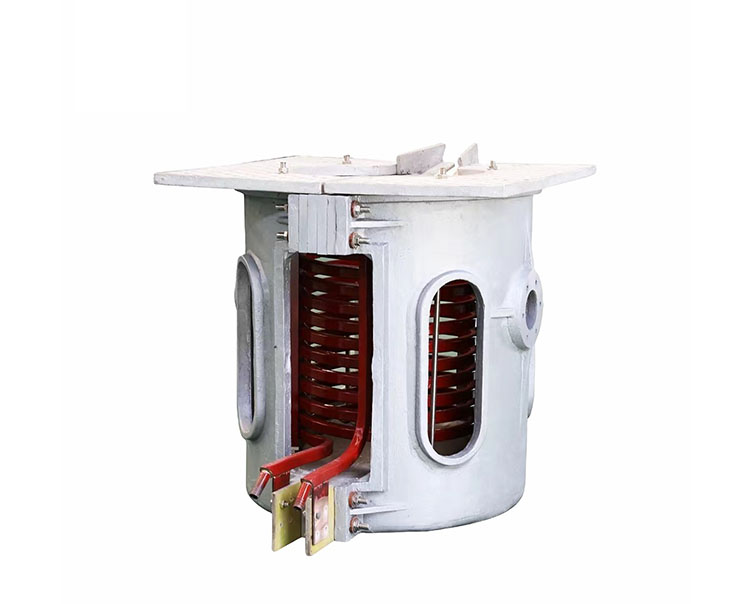
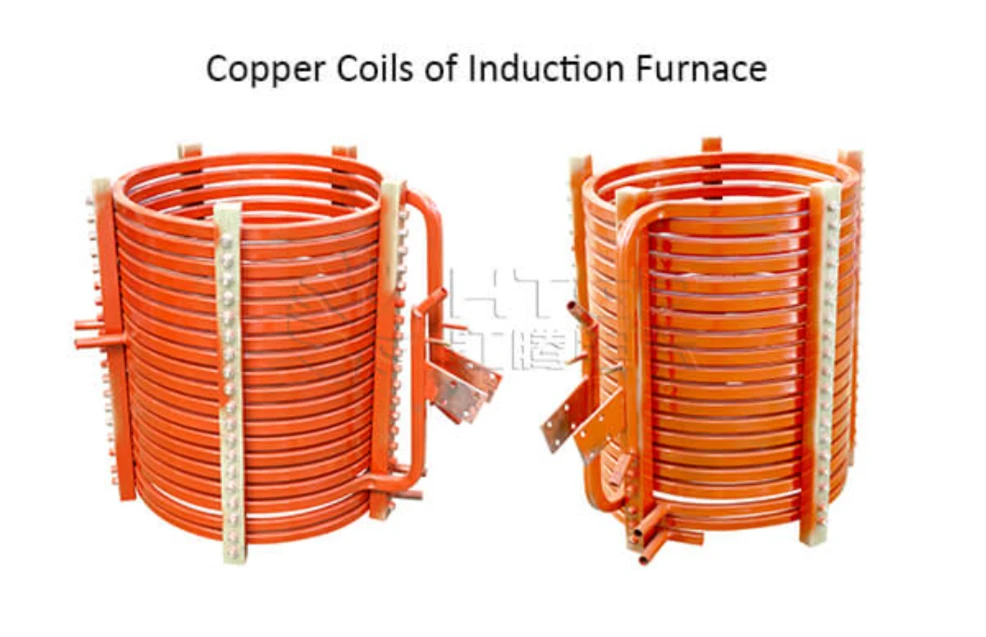
In an induction furnace, an alternating electromagnetic field produces electrical currents in the conductive metal charge, generating heat within the material.
This allows the metal to be heated without relying on a direct combustion flame. The heating rate can be adjusted through the power system according to the charge and melting requirements.
4. Reach and Control the Required Temperature
The charge is heated until it reaches a suitable molten condition.
Temperature control is important because the target is not simply to reach the melting point. The molten metal must be maintained in an appropriate condition for the intended pouring or casting operation.
A properly designed induction system can provide a controllable heating process, while electromagnetic movement in the melt can help promote temperature and composition uniformity.
5. Pour or Cast the Molten Metal
After melting is complete, the liquid metal is transferred into a mold or to the next processing stage.
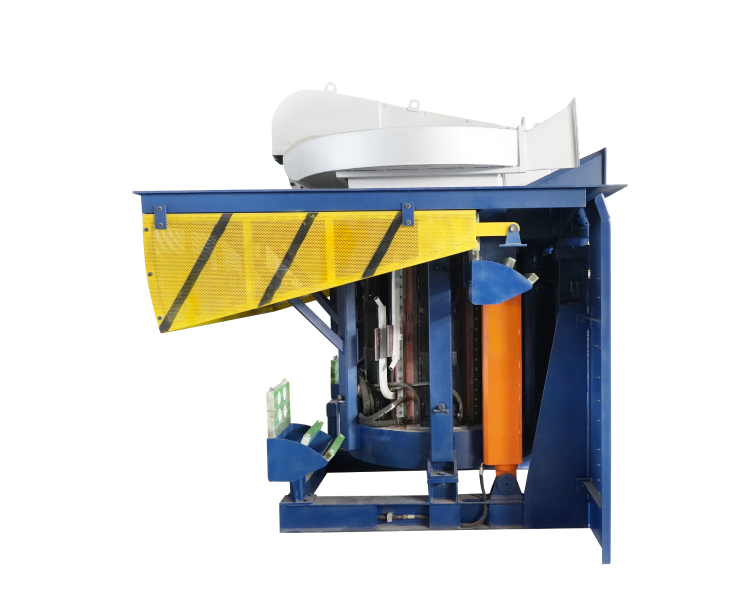
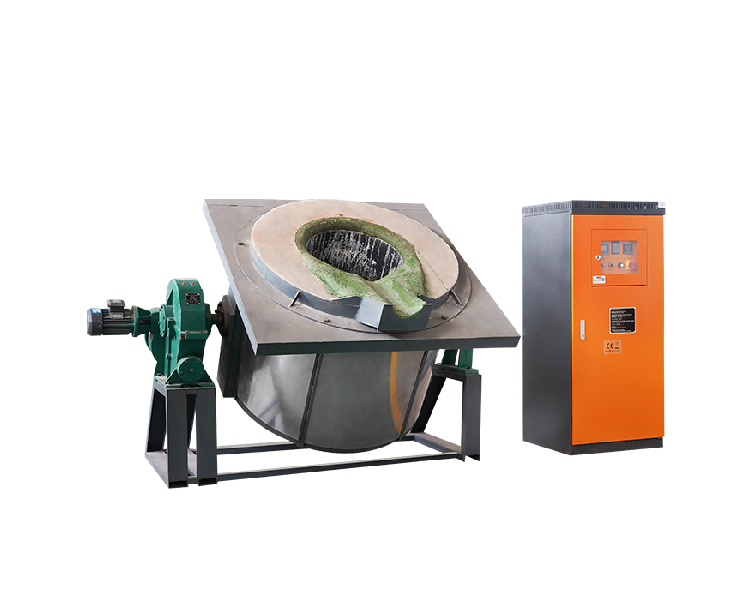
For small furnaces, the pouring arrangement is an important part of the equipment selection because it directly affects handling and operation.
Methods for Precious Metal Melting
Several heating methods can be used for precious metal melting. The most suitable option depends on the material, batch size, production frequency, and required process control.
Induction Melting
Induction melting uses electromagnetic energy to generate heat in conductive metal.
It is particularly suitable for applications that require rapid heating, controllable temperature, and a compact furnace configuration. Induction systems can also create electromagnetic movement within the molten metal, which can assist mixing and temperature uniformity.
For small-batch gold and silver processing, the combination of rapid heating and relatively compact equipment can be a practical advantage.
Resistance Heating
Resistance furnaces generate heat through electrical heating elements.
They can be suitable for certain small-scale applications, particularly where the process does not require the same heating characteristics or flexibility as an induction system.
Gas-Fired Melting
Gas-fired furnaces use combustion to transfer heat to the metal.
They can be used for some melting applications, but they involve a different heat-transfer process and operating environment from electric induction heating.
For compact precious-metal melting where clean electric heating, rapid response, and easy temperature adjustment are important, induction is often a strong option.
Why Use Induction for Precious Metal Melting?
Induction is not automatically the best heating method for every application, but it provides several characteristics that are useful for small-batch precious metal melting.
Rapid Heating
Induction can transfer energy directly into a conductive metal charge, allowing the material to reach the molten state quickly when the furnace is properly matched to the charge.
For small charges, a melting cycle can be completed within minutes rather than requiring a long heat-up period, although actual melting time depends on metal type, charge condition, furnace power, and batch size.
Controllable Heating
The induction power can be adjusted during the melting process, allowing the operator to control the heating rate and maintain the required temperature.
This is useful when different metals or alloys need to be processed under different conditions.
Electromagnetic Stirring
Induction heating can generate movement within the molten metal.
This electromagnetic stirring can help promote more uniform temperature and composition, which is useful when melting alloys or combining different feed materials.
Compact Equipment
One of the practical advantages of induction melting is that the heating system can be integrated into a relatively small furnace.
Compact equipment can be useful for jewelry workshops, laboratories, recycling operations, and other applications where floor space is limited.
Water-Cooled Operation
Induction systems generate heat in both the metal and the electrical components surrounding the melting zone. A water-cooling circuit can be used to remove heat from key components and maintain stable operating conditions.
The specific cooling configuration depends on the furnace design and power rating.
Gold Melting with an Induction Furnace
Gold is particularly well suited to induction melting because it is electrically conductive and has a relatively moderate melting temperature compared with high-temperature metals such as platinum.
Small-batch gold melting can involve:
- Jewelry manufacturing
- Gold scrap recycling
- Small casting operations
- Alloy preparation
- Laboratory or workshop processing
In these applications, the furnace does not necessarily need a large production capacity. Instead, the important factors may be fast melting, simple operation, compact size, stable temperature control, and a suitable pouring arrangement.
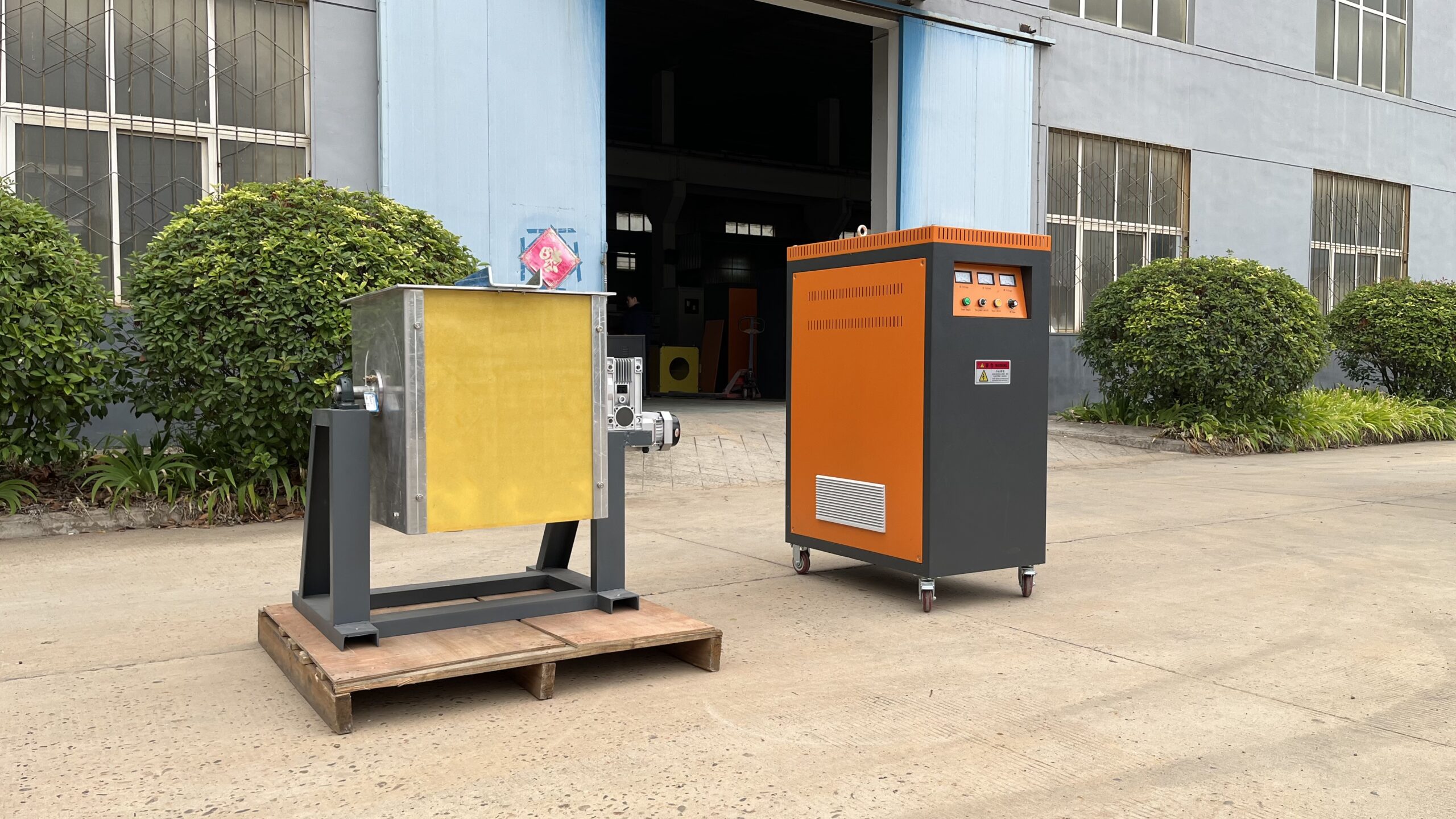
For this type of application, a compact gold melting furnace can provide a practical solution without requiring the footprint or configuration of a large industrial melting system.
Small Precious Metal Melting Furnace: What to Consider
For jewelry shops, laboratories, recycling businesses, and other users processing relatively small batches, furnace size is often just as important as heating capacity.
A suitable small precious metal melting furnace should be evaluated according to the following factors.
Batch Capacity
Start with the actual amount of metal to be melted in one batch.
A furnace should be selected according to the normal working charge rather than only its maximum rated capacity. This helps maintain a more consistent and efficient melting cycle.
Melting Temperature
The furnace must be capable of reaching the temperature required for the intended material.
For equipment designed to process several metals, a broader temperature range provides greater flexibility. However, the actual operating temperature still depends on the specific metal, alloy, crucible, and application.
Melting Time
For small-batch processing, cycle time can have a direct effect on productivity.
Compact induction furnaces can achieve melting cycles of only a few minutes under suitable operating conditions. Actual time varies with charge weight, material, power, and furnace configuration.
Furnace Footprint
A small furnace can be valuable where workshop or production space is limited.
Compact equipment also makes it easier to position the furnace close to the charging and pouring areas, reducing unnecessary material handling.
Ease of Operation
For small workshops and frequent batch processing, simple controls and straightforward loading and pouring can be more important than highly complex automation.
Cooling System
Induction power supplies and other components require heat management during operation.
A water-cooling system can help maintain stable operating conditions and protect the equipment during repeated melting cycles.
Applications of Small Precious Metal Melting Furnaces
Compact melting equipment can serve a variety of applications where relatively small quantities of metal need to be melted quickly and consistently.
Jewelry Manufacturing
Gold and silver are commonly melted before casting or forming jewelry components.
A compact furnace can be useful for workshops that process different alloys or batches throughout the day.
Precious Metal Recycling
Recycling operations may need to melt recovered gold, silver, and other materials before casting, sampling, or further processing.
The ability to process relatively small batches can be useful when the feed material varies from one batch to another.
Small-Batch Casting
Casting shops may require a furnace that can produce molten metal on demand without occupying a large amount of production space.
Laboratory and Workshop Applications
Compact induction melting equipment can also be used where material quantities are limited but accurate and repeatable heating remains important.
How to Choose a Precious Metal Melting Furnace
When comparing furnaces, do not focus only on power rating or maximum temperature. The best choice should match the complete operating requirement.
Consider:
1. Metal type: Gold, silver, platinum, and their alloys have different temperature and processing requirements.
2. Batch weight: Determine how much metal is normally melted in one cycle.
3. Required temperature: Make sure the furnace has sufficient temperature capability for the intended material and process.
4. Melting cycle: Consider how quickly each batch needs to be ready for pouring or casting.
5. Crucible: The crucible should be suitable for the temperature and material being processed.
6. Cooling: Check how the induction power supply and other heated components are cooled during continuous operation.
7. Pouring method: The furnace should provide a practical way to transfer the molten metal safely and consistently.
8. Available space: For workshops and small production areas, equipment footprint and mobility may be important selection factors.
Conclusion
Precious metal melting is used across jewelry production, recycling, casting, and other small-batch metalworking applications. Although the basic process is simple, the choice of heating method can strongly influence melting speed, temperature control, melt uniformity, and day-to-day operation.
Induction melting is well suited to many small-batch applications because it can provide rapid heating, controllable power, electromagnetic stirring, and a compact equipment configuration. These characteristics make it especially useful for gold and silver melting where space, operating simplicity, and short melting cycles are important.
When choosing a precious metal melting furnace, consider the actual metal, batch size, required temperature, melting cycle, crucible, cooling system, and pouring method rather than selecting equipment based on a single specification.
Contact Us
Looking for a compact furnace for gold, silver, or other precious-metal melting? Share your metal type, batch weight, required temperature, and production requirements with our team. Contact Us to discuss a suitable induction melting solution for your application.