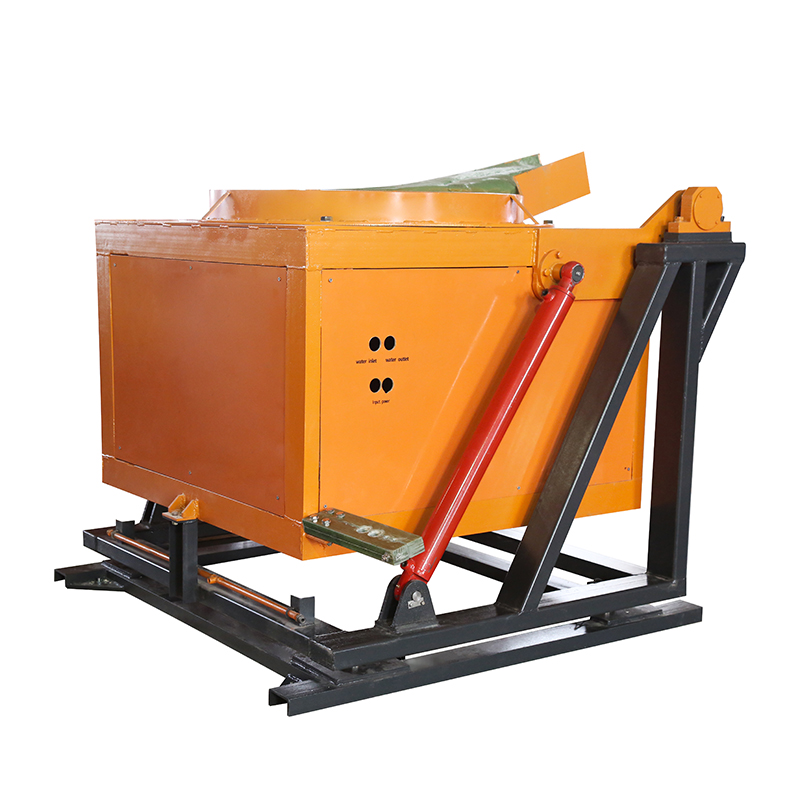
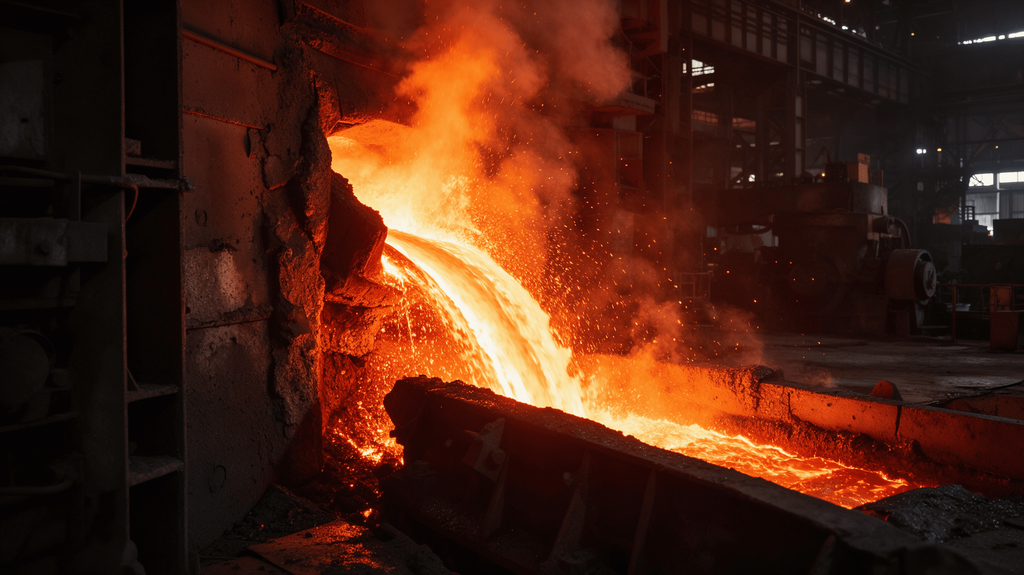
Steel melting is a critical process in foundry production, steel casting, and scrap recycling. An induction furnace has become one of the most widely used solutions for steel melting because of its fast melting speed, precise temperature control, and excellent chemical composition uniformity.
However, choosing the right steel melting induction furnace requires understanding several factors, including furnace type, capacity, power configuration, melting temperature, and energy consumption. This guide explains how an induction furnace melts steel, key operating parameters, and how to select the right equipment for different production requirements.
How Does an Induction Furnace Melt Steel?
An induction furnace melts steel through the principle of electromagnetic induction. When alternating current passes through the induction coil, it creates a changing magnetic field around the furnace. This magnetic field induces eddy currents inside the steel charge, and the electrical resistance of the metal converts these currents into heat.
Unlike traditional fuel-fired furnaces, the heat in an induction furnace is generated directly inside the metal itself, which allows efficient heating and reduces contamination from combustion gases.
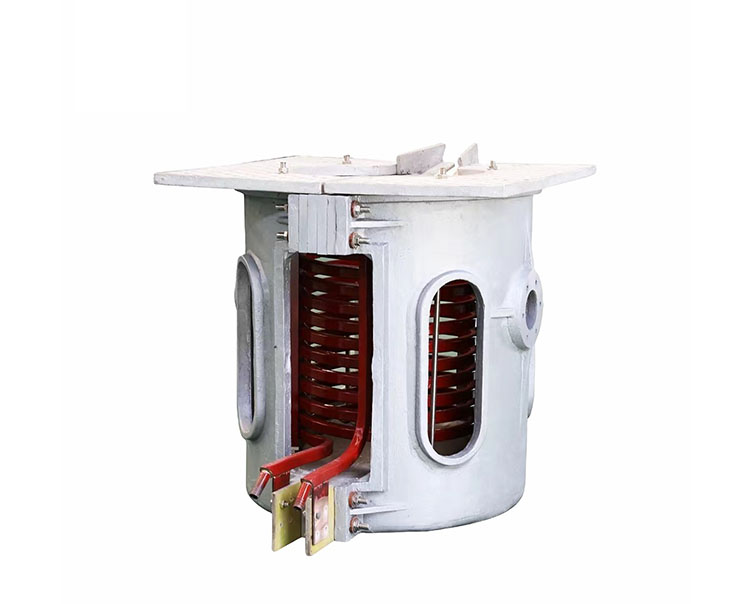
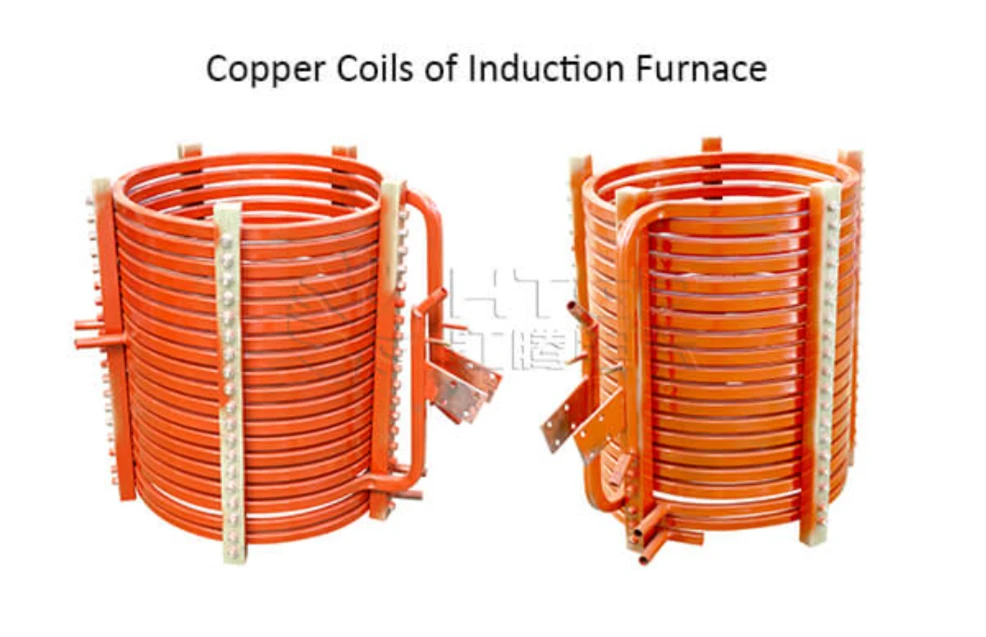
Most steel melting induction furnaces use a coreless furnace structure, where the copper induction coil surrounds a refractory-lined crucible. The steel scrap or raw materials placed inside the crucible are heated and gradually melted by the induced current.
During melting, electromagnetic forces also create stirring effects in the molten steel. This electromagnetic stirring helps improve temperature distribution and chemical composition uniformity throughout the molten metal.
The typical steel melting process includes:
- Charging steel scrap or raw materials into the furnace
- Applying electrical power to generate heat
- Melting and gradually adding more materials
- Adjusting chemical composition with alloy additions
- Heating the molten steel to the required pouring temperature
- Pouring the molten steel into molds or casting equipment
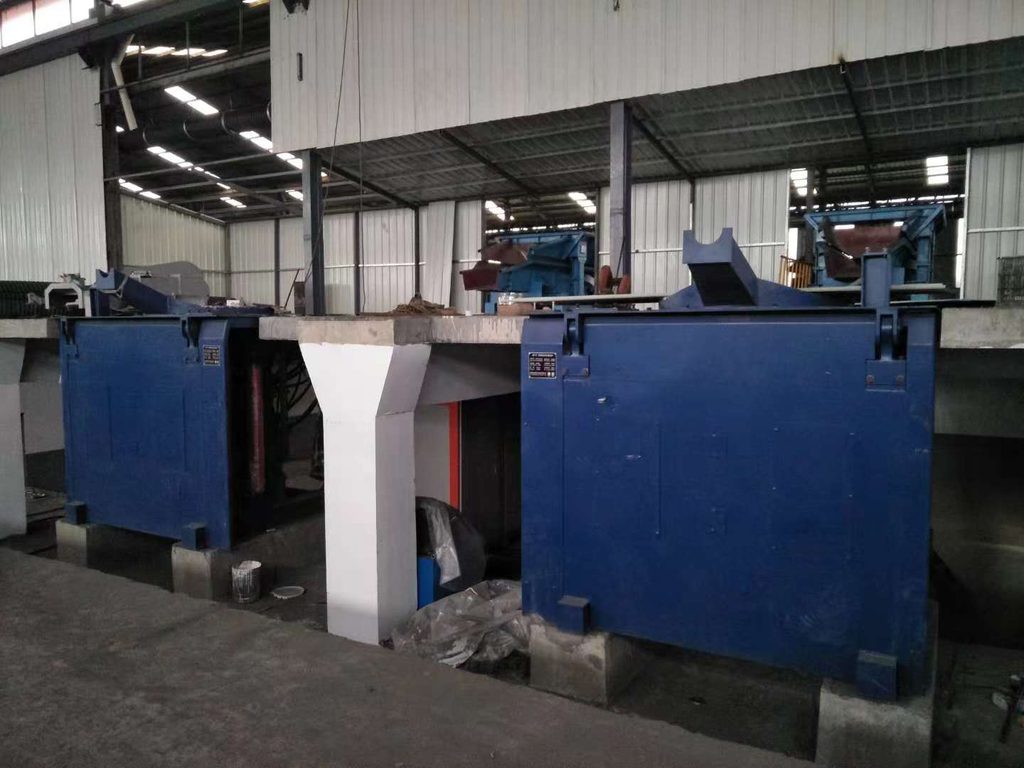
Steel Melting Temperature
The melting temperature of steel depends on its chemical composition. Different steel grades require different melting and pouring temperatures.
For carbon steel, the melting point is generally around 1500°C, while the actual melting operation usually requires heating the molten steel to approximately 1550–1600°C to provide sufficient superheat before casting.
Stainless steel generally has a higher melting range, with melting temperatures around 1500–1550°C depending on alloy composition. In practical production, stainless steel is commonly heated to approximately 1600–1650°C before pouring.
The additional temperature above the melting point is called superheat. Proper superheat improves molten steel fluidity, helps fill molds effectively, and reduces casting defects.
However, excessive overheating should be avoided because it can increase oxidation losses, raise energy consumption, and accelerate wear of furnace refractory materials.
Energy Consumption for Steel Melting
The energy consumption of an induction furnace for steel melting depends on furnace design, operating conditions, and production practices.
For melting steel, a typical energy consumption range is approximately 550–750 kWh per ton of steel. Actual values may vary depending on factors such as:
- Initial temperature and condition of the charge material
- Required melting temperature
- Holding time after melting
- Furnace insulation performance
- Size and shape of steel scrap
Several methods can help reduce energy consumption during operation. Keeping the furnace properly maintained, minimizing unnecessary holding time, using suitable charge materials, and maintaining good refractory insulation can improve overall melting efficiency.
The power supply configuration also affects melting speed. Higher installed power allows faster melting but requires greater investment and electrical capacity.
Capacity and Power Selection
Selecting the correct furnace capacity is important for production efficiency and operating cost. The furnace size should be determined according to the amount of steel required for each melting cycle.
In general, the recommended furnace capacity should be slightly larger than the maximum batch requirement to provide operational flexibility. A common approach is selecting a furnace capacity around 20% higher than the maximum single-batch demand.
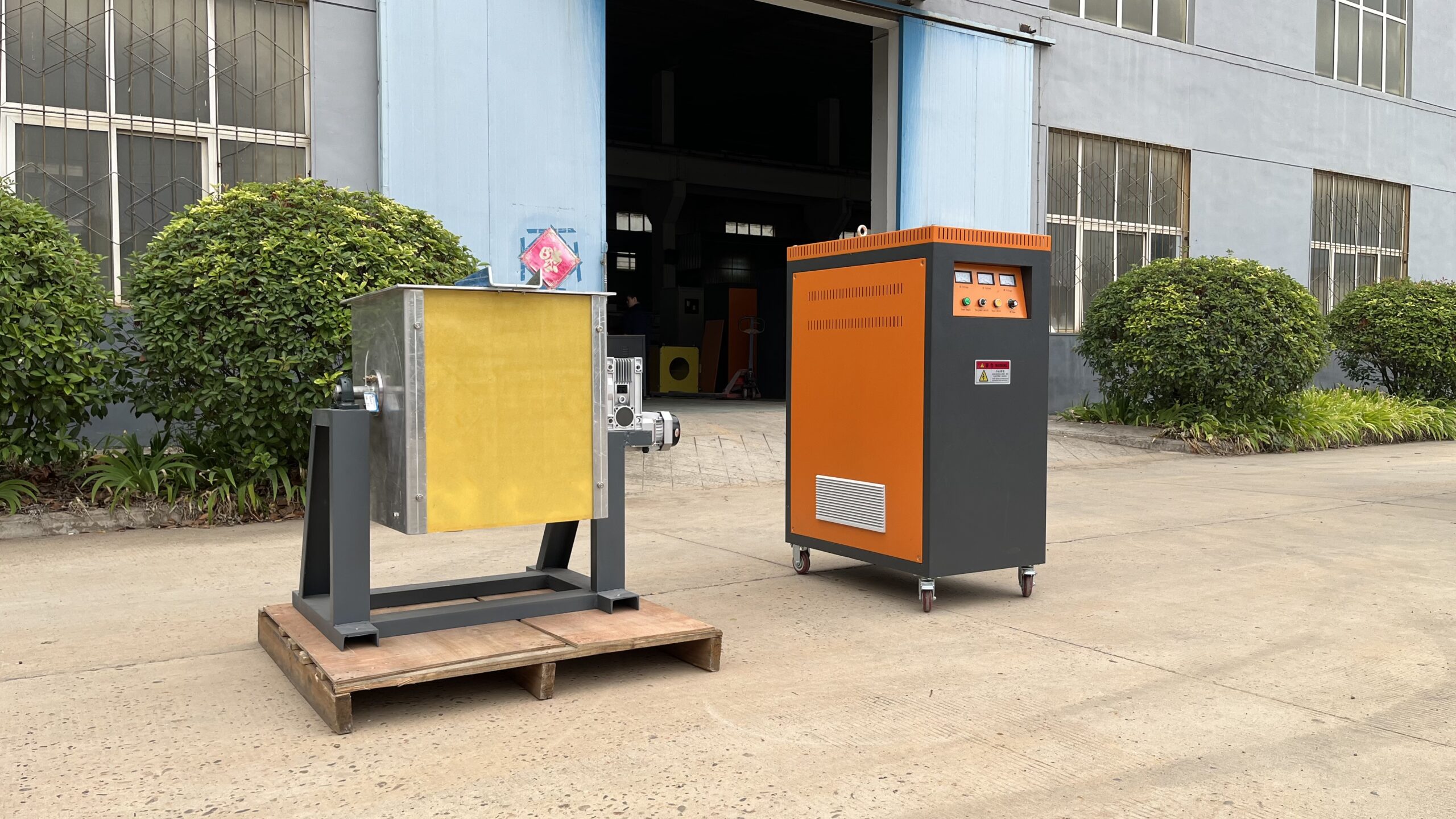
Choosing a suitable induction melting furnace can help match production requirements with melting speed, energy consumption, and operating conditions.
Power configuration mainly determines melting speed. For steel melting induction furnaces, a typical power requirement is approximately:
500–800 kW per ton of furnace capacity
Higher power density provides faster melting performance, while lower power density reduces initial investment and may be suitable for applications where melting speed is less critical.
Typical reference ranges:
| Furnace Capacity | Rated Power | Melting Time |
|---|---|---|
| 500 kg | 250 kW | 45–60 min |
| 1 ton | 500 kW | 50–70 min |
| 3 tons | 1500 kW | 60–80 min |
The final configuration depends on factors such as steel grade, scrap condition, production schedule, and available electrical infrastructure.
Key Components of a Steel Melting Induction Furnace
A steel melting induction furnace consists of several key components that work together to provide stable melting performance, temperature control, and safe operation.
1. Induction Coil
The induction coil is the core heating component of the furnace. It is usually made of copper tubing and generates the alternating magnetic field required for electromagnetic induction heating.
The coil design directly affects heating efficiency, power transfer, and furnace performance. During operation, the coil requires continuous water cooling to prevent overheating.
2. Crucible and Furnace Lining
The crucible is the area where steel materials are melted and molten steel is contained. The refractory lining inside the crucible must withstand high temperatures, chemical reactions, and mechanical impact from charging materials.
Proper furnace lining maintenance is essential because excessive wear may affect melting safety and furnace service life.
3. Power Supply System
The power supply converts industrial electrical power into the appropriate frequency and voltage required by the induction furnace.
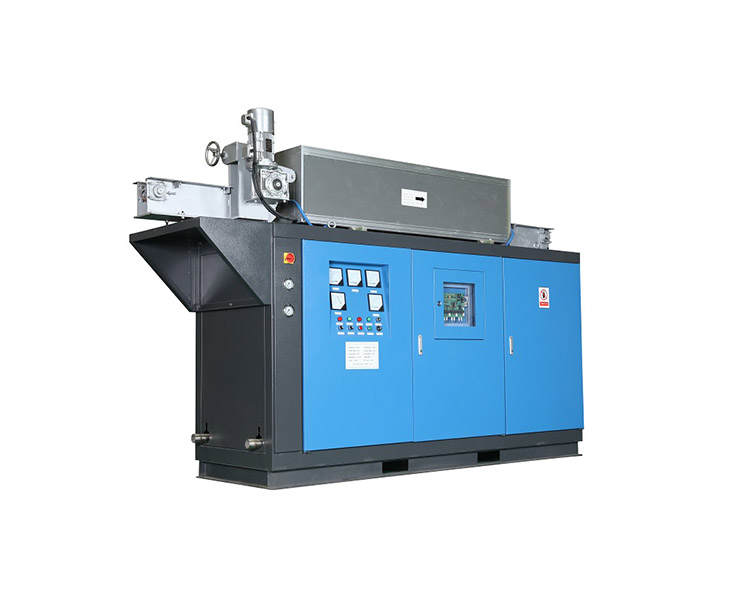
Modern induction furnaces commonly use medium-frequency power supplies because they provide efficient heating, good control performance, and suitability for steel melting applications.
4. Cooling System
The cooling system removes heat generated in the induction coil, power components, and electrical connections.
A stable cooling water supply is critical for safe furnace operation. Abnormal water flow or temperature increases may damage key components.
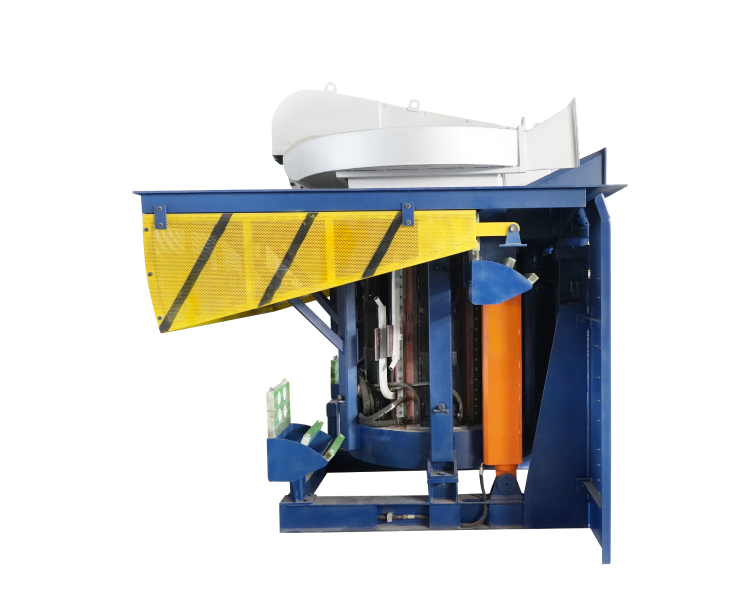
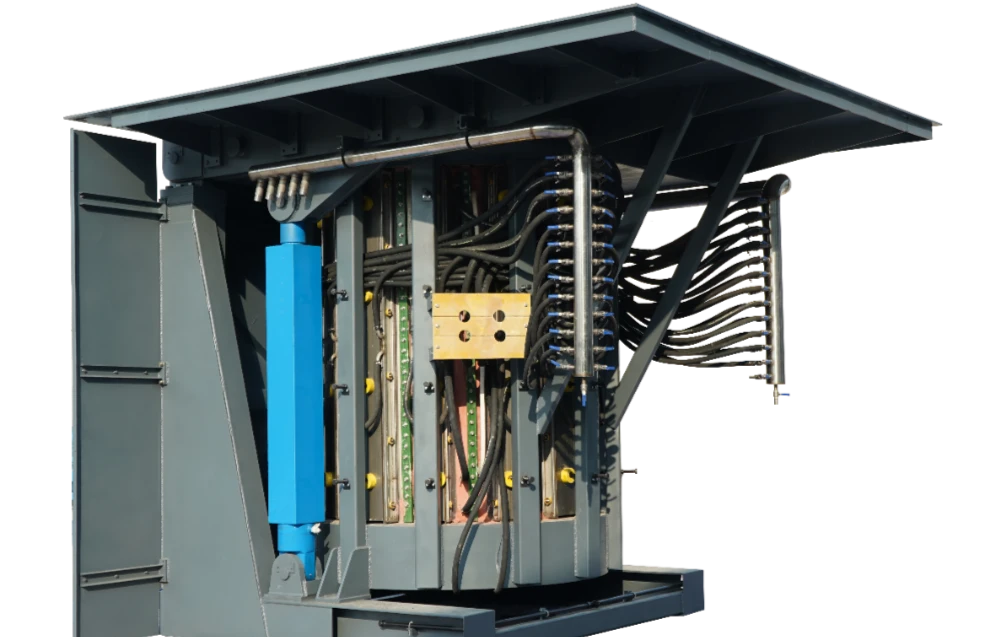
5. Tilting Mechanism
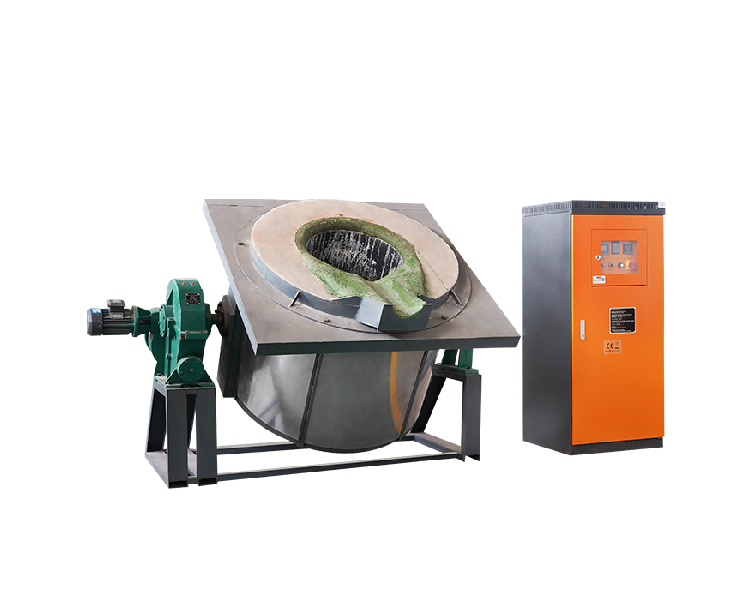
The tilting system allows the furnace body to rotate and pour molten steel into ladles or casting molds.
A reliable tilting mechanism helps operators control pouring speed and improves production safety.
6. Control System
The control system manages important operating parameters such as power output, temperature monitoring, and furnace operation status.
Advanced control systems help operators achieve stable melting conditions and improve production consistency.
Charge Preparation for Steel Melting
Proper charge preparation has a direct impact on melting efficiency, energy consumption, and operational safety.
Before charging, steel scrap and raw materials should meet several basic requirements:
- Materials should be clean and dry without oil, moisture, or excessive contamination
- Scrap size should be suitable for the furnace capacity and charging method
- Different steel grades should be properly classified to avoid unwanted chemical changes
During charging, operators usually follow a practical loading sequence:
- Add smaller steel pieces first to create a stable base inside the crucible
- Add larger scrap pieces gradually and arrange them properly
- Add lightweight materials after enough molten steel has formed
Wet materials, sealed containers, or hollow metal parts must be avoided because trapped moisture or gases can expand rapidly at high temperatures and cause dangerous explosions.
Good charge preparation not only improves safety but also reduces melting time and unnecessary energy loss.
Melting Process Steps
The steel melting process in an induction furnace usually follows several basic stages:
1. Furnace Inspection
Before operation, check the furnace lining condition, cooling system, electrical connections, and control equipment to ensure everything is working properly.
2. Charging Materials
Steel scrap or raw materials are loaded into the furnace according to the recommended charging method. The charge should be distributed evenly to improve heating efficiency.
3. Melting
After power is applied, the induction coil generates a magnetic field that creates eddy currents inside the steel materials. The steel gradually heats up and changes from solid metal into molten steel.
4. Additional Charging
As the initial charge melts and space becomes available, additional materials can be added until the required amount is reached.
5. Temperature Measurement
After complete melting, operators measure the molten steel temperature to confirm whether it meets the required process conditions.
6. Chemical Adjustment
Alloying elements or additives may be added according to the required steel grade and final chemical composition.
7. Heating to Pouring Temperature
The molten steel is heated to the appropriate pouring temperature while avoiding unnecessary overheating.
8. Pouring
The finished molten steel is poured into molds or transferred to the next production process.
Safety Considerations
Steel melting involves extremely high temperatures, electrical equipment, and molten metal, so safety management is essential.
Important safety practices include:
- Regularly checking furnace lining thickness and replacing worn refractory materials
- Ensuring continuous cooling water circulation during operation
- Keeping all charge materials dry before adding them into the furnace
- Wearing appropriate protective equipment, including heat-resistant clothing and face protection
- Keeping personnel away from the pouring area during furnace tilting
Proper operation procedures and regular equipment inspection help reduce risks and improve furnace reliability.
Conclusion
An induction furnace for steel melting provides efficient heating, good temperature control, and excellent molten steel quality, making it widely used in foundries and steel casting applications.
Choosing the right furnace requires matching capacity, power configuration, and production requirements. Proper charge preparation, regular maintenance, and safe operation are essential for achieving stable melting performance.
Understanding induction furnace efficiency is also important for optimizing energy consumption and improving overall production performance.
Frequently Asked Questions
Q1: How does an induction furnace melt steel?
An induction furnace melts steel through electromagnetic induction. The alternating current in the induction coil creates a magnetic field, which generates eddy currents inside the steel charge. These currents produce heat and gradually melt the steel.
Q2: What temperature does steel melt at?
Carbon steel melts at approximately 1500°C, while practical melting operations usually heat molten steel to around 1550–1600°C to provide sufficient superheat for casting. Stainless steel typically requires higher melting temperatures depending on its alloy composition.
Q3: How much energy does it take to melt a ton of steel?
The energy consumption of a steel melting induction furnace is typically around 550–750 kWh per ton of steel. Actual consumption depends on factors such as furnace efficiency, scrap condition, melting temperature, and holding time.
Q4: How to choose capacity and power for a steel melting induction furnace?
Furnace capacity should be selected according to the required steel output per batch. Power configuration depends mainly on the required melting speed. Higher power provides faster melting performance, while lower power may be suitable for production where melting speed requirements are lower.
Looking for an Induction Furnace for Steel Melting?
Our engineers can help you select the suitable furnace capacity, power configuration, and system solution according to your steel melting requirements.
Contact our engineer for a free consultation and configuration recommendation →