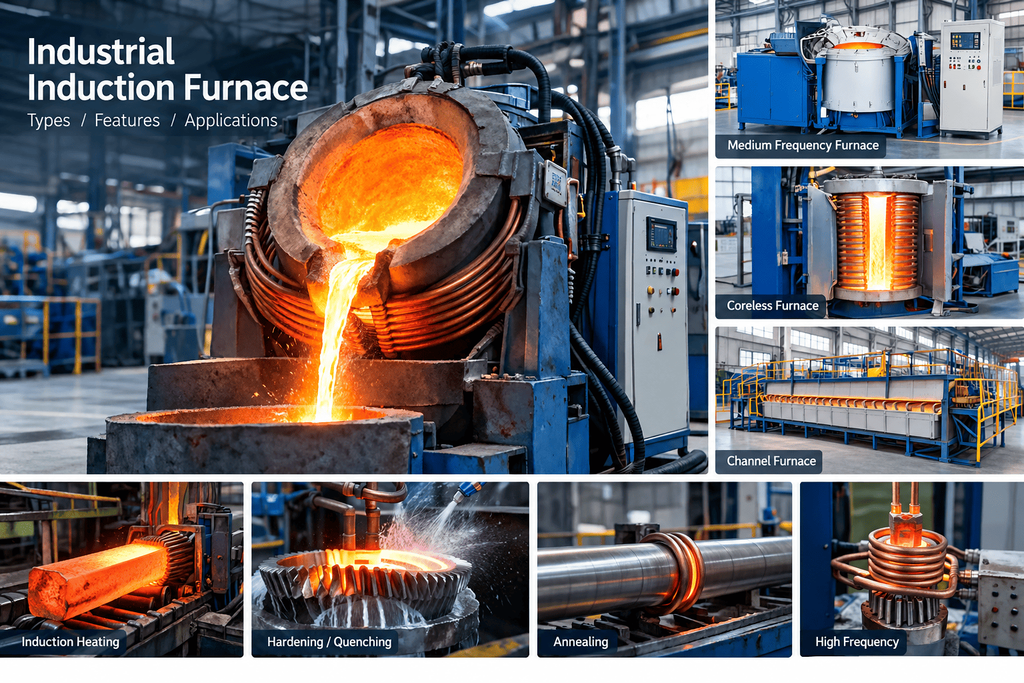
Industrial induction furnaces are widely used in metal processing for melting, heating, and heat treatment. Instead of transferring heat from a fuel flame or external heating element, an induction furnace uses electromagnetic induction to generate heat directly inside the metal. This allows fast heating, accurate temperature control, and efficient operation.
There are many types of industrial induction furnaces on the market. They can be classified by operating frequency, application, and furnace construction, with each type designed for different production requirements. Choosing the wrong furnace can affect melting speed, energy consumption, production capacity, and overall operating cost. This guide explains the common types of industrial induction furnaces, their main features, and where each type is normally used.
What Is an Industrial Induction Furnace?
An industrial induction furnace is a metal heating or melting system that uses electromagnetic induction to generate heat inside a conductive metal. When alternating current passes through the induction coil, it creates a changing magnetic field. This magnetic field induces electrical currents, known as eddy currents, in the metal, causing it to heat up.
Unlike conventional furnaces that transfer heat from an external flame or heating element to the material, induction heating generates heat directly within the metal. This allows rapid heating and good temperature control.
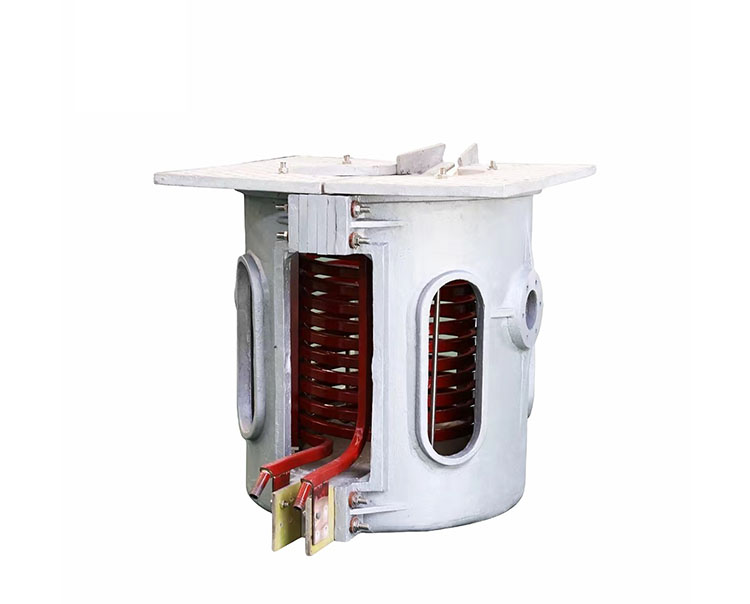
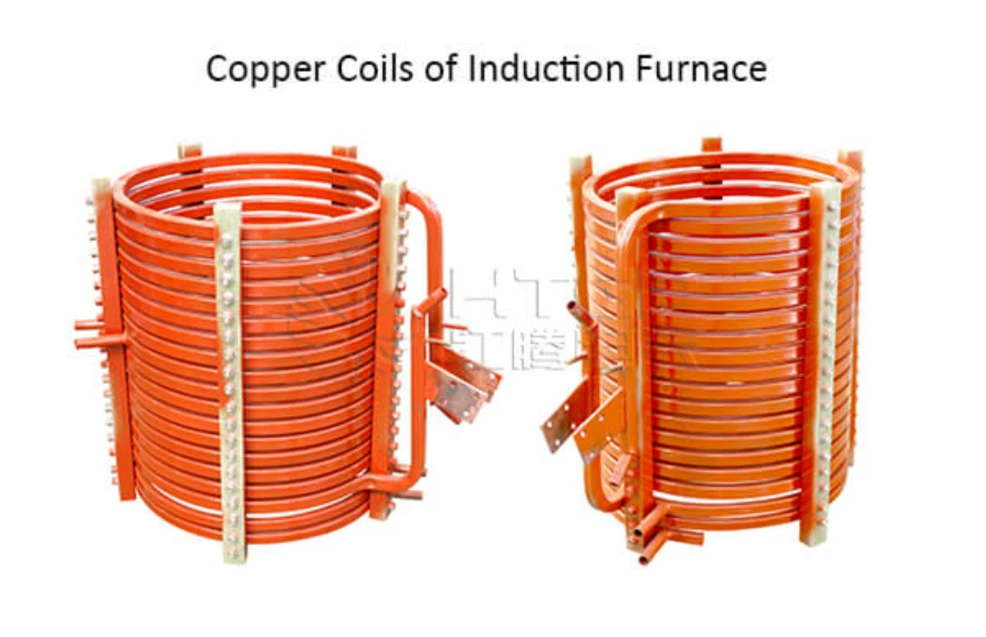
A typical industrial induction furnace consists of an induction coil, power supply, furnace body or crucible, cooling system, and control system. The exact configuration depends on whether the equipment is designed for melting, billet heating, hardening, annealing, or another industrial process.
How Are Industrial Induction Furnaces Classified?
Industrial induction furnaces can be classified in several ways.
1. By operating frequency
- Power frequency: typically 50/60 Hz
- Medium frequency: commonly around 1–10 kHz
- High frequency: typically 100 kHz and above
2. By application
- Induction melting furnaces
- Induction heating furnaces
- Induction heat treatment equipment, including hardening and annealing systems
3. By furnace construction
- Coreless induction furnaces
- Channel induction furnaces
- Aluminum-shell furnaces
- Steel-shell furnaces
The following sections focus on the types most commonly used in industrial metal processing and explain their typical applications.
Medium Frequency Induction Melting Furnace
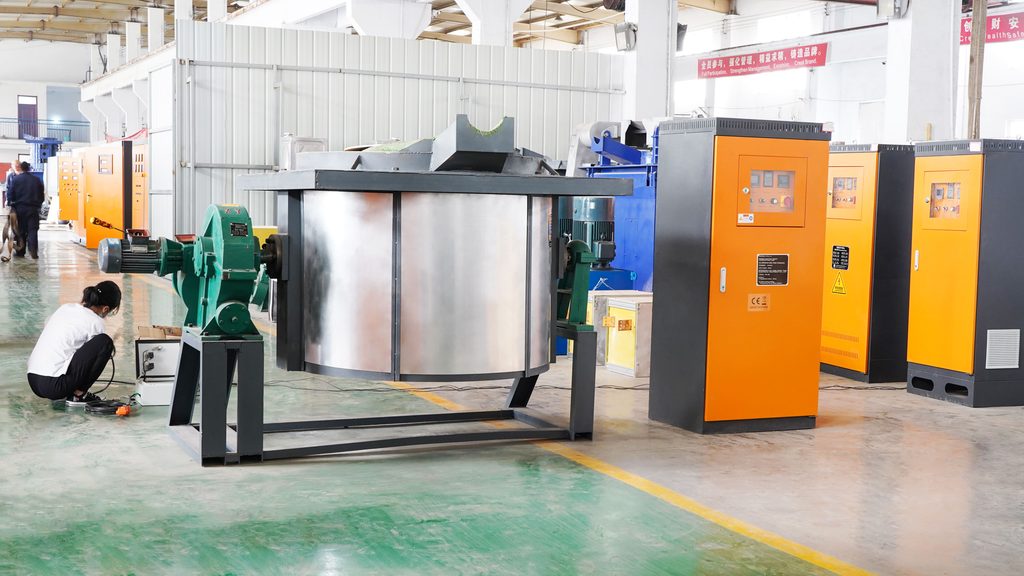
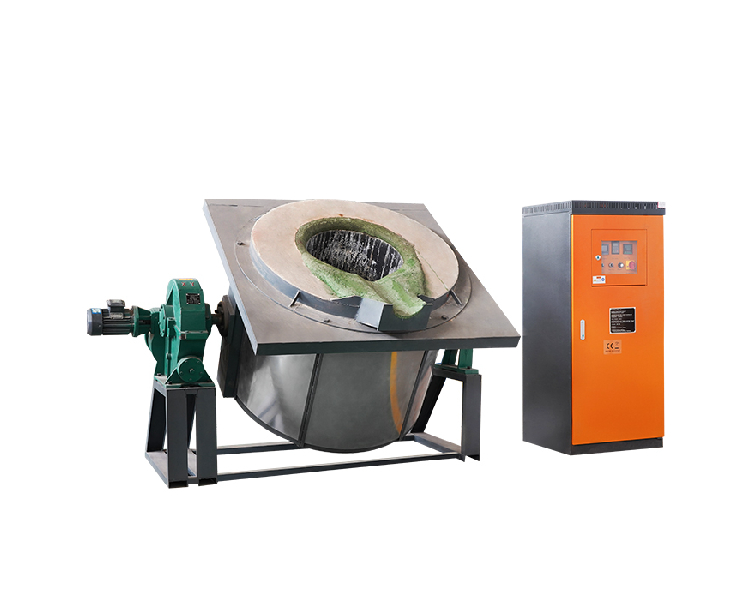
The medium frequency induction melting furnace is one of the most widely used induction furnace types for industrial metal melting. It commonly operates in the 1–10 kHz range and is used to melt ferrous and non-ferrous metals efficiently.
One of its main advantages is its fast melting capability. Electrical energy is converted into heat directly within the metal, while electromagnetic stirring helps improve temperature and chemical uniformity throughout the molten bath. Depending on the furnace design and operating conditions, thermal efficiency can typically reach about 70–85%.
Medium frequency induction melting furnaces can be used for a wide range of metals, including:
- Steel
- Stainless steel
- Copper
- Aluminum
- Gold
- Silver
Furnace capacities range from small laboratory or workshop units of several tens of kilograms to industrial systems capable of handling several tons per batch.
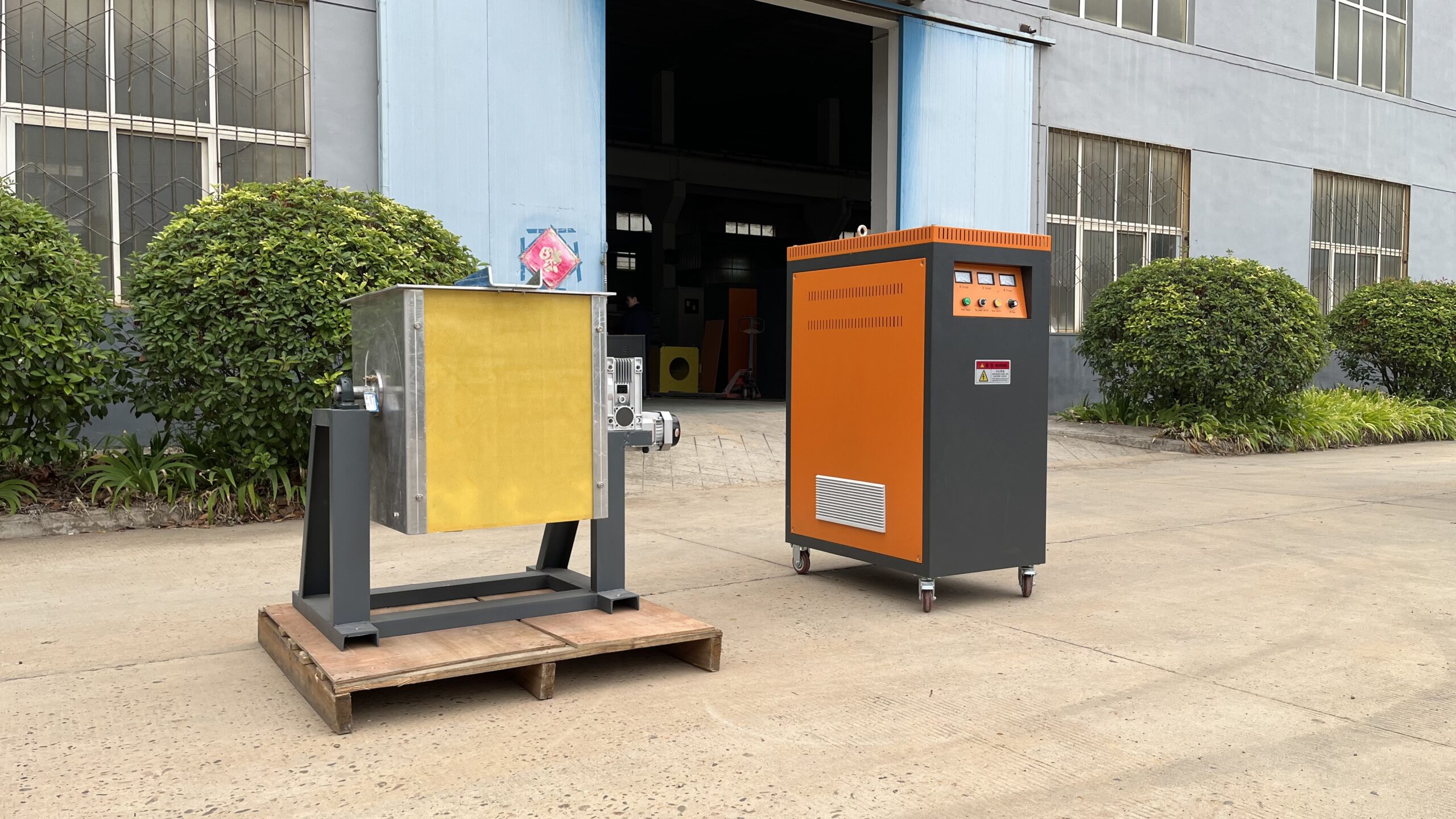
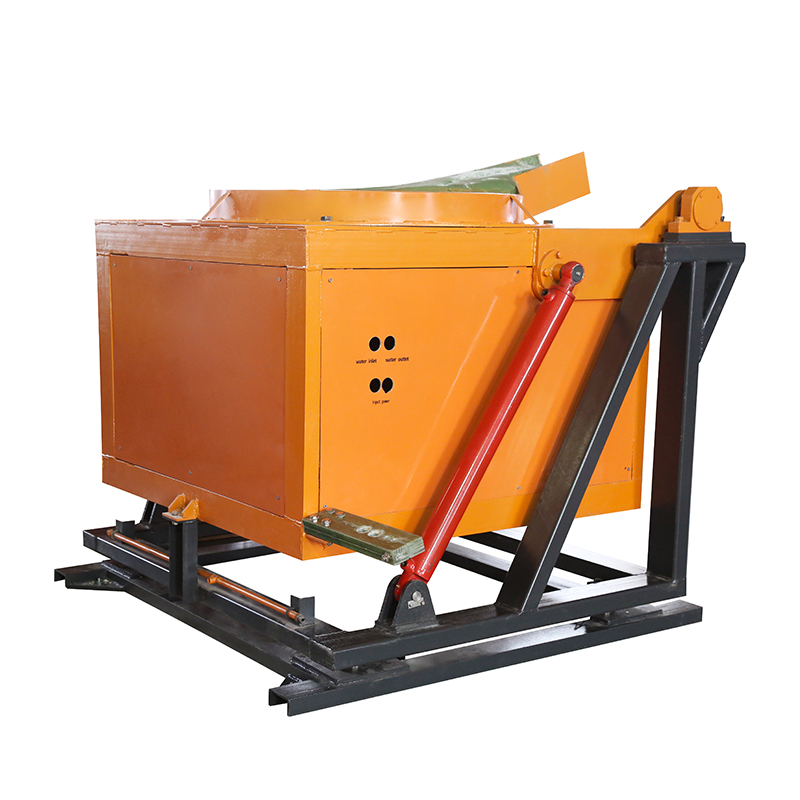
For smaller capacities, an aluminum-shell furnace is commonly used. It has a relatively light structure, lower equipment cost, and good heat dissipation, making it suitable for smaller melting capacities, such as applications below about 500 kg.
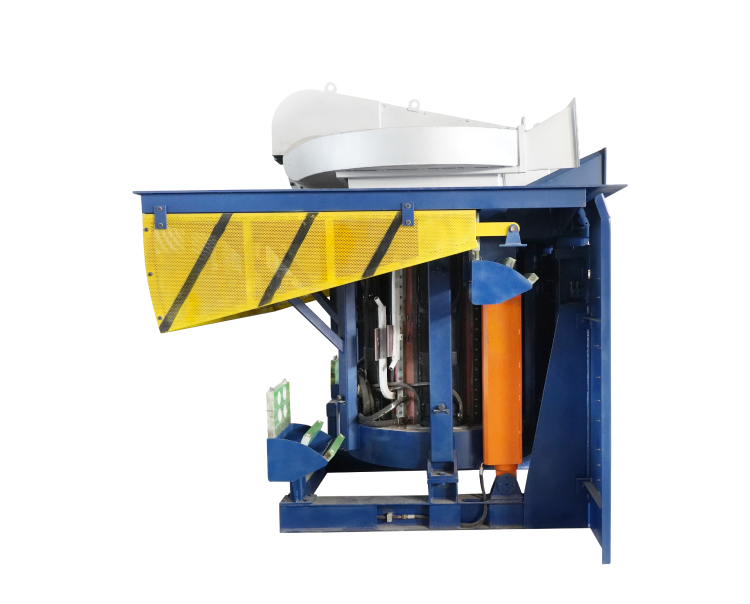
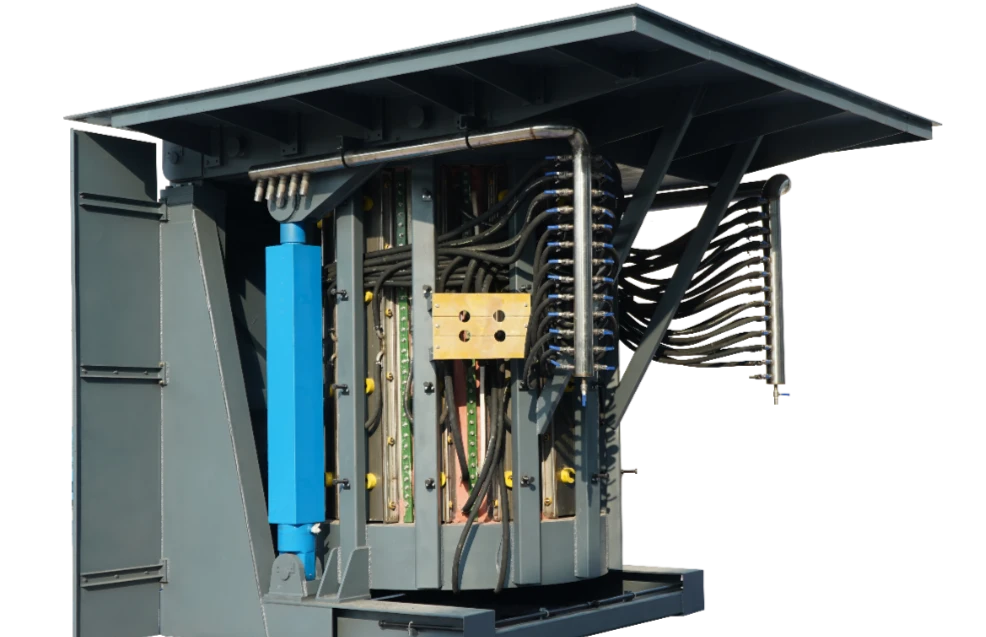
For larger capacities, a steel-shell furnace provides a stronger structure and is commonly equipped with a magnetic yoke to improve electromagnetic efficiency. Steel-shell designs can also use hydraulic tilting systems for safer and more convenient pouring. They are generally preferred for larger-capacity industrial production.
Typical applications include foundries, scrap metal recycling, and production environments where different metals or grades need to be melted in relatively small batches.
Coreless vs Channel Induction Furnace
Coreless and channel induction furnaces use different electromagnetic structures and are suited to different production requirements.
A coreless induction furnace has an induction coil surrounding the crucible or refractory lining. The magnetic field generated by the coil induces currents directly in the metal charge. This design provides fast melting and makes it relatively easy to empty and change the furnace charge. It is therefore widely used for operations involving multiple metal grades or smaller production batches.
A channel induction furnace uses an iron core and an induction channel containing molten metal. It can provide high electrical efficiency and is particularly suitable for large-capacity applications requiring continuous operation or long periods of holding.
| Comparison | Coreless Furnace | Channel Furnace |
|---|---|---|
| Melting speed | Fast | Relatively slow |
| Material change | Easy | Less flexible |
| Efficiency | Medium to high | High |
| Typical application | Multiple grades, smaller batches | Large capacity, single metal grade |
Coreless furnaces are generally the more flexible option for foundries and plants that frequently change materials. Channel furnaces are more suitable when a large amount of the same metal must be kept molten or processed continuously for extended periods.
Induction Heating Furnace (For Forging & Billet Heating)
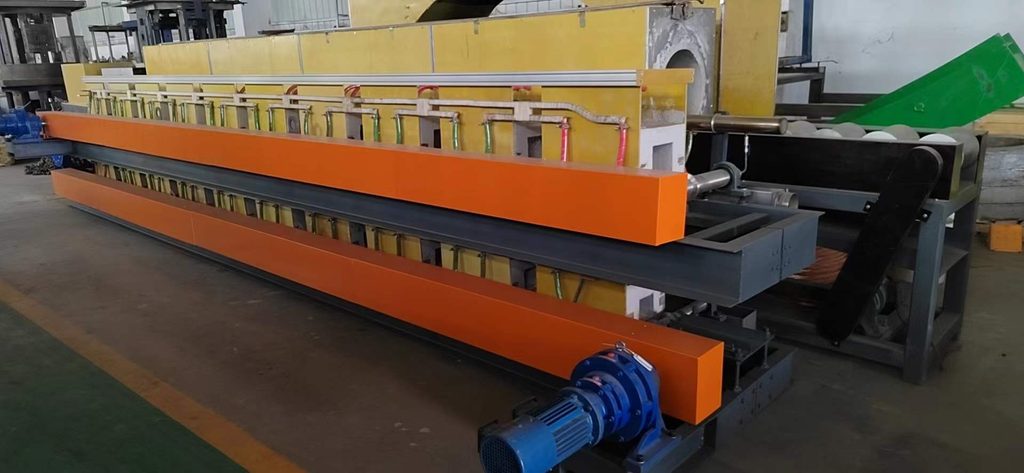
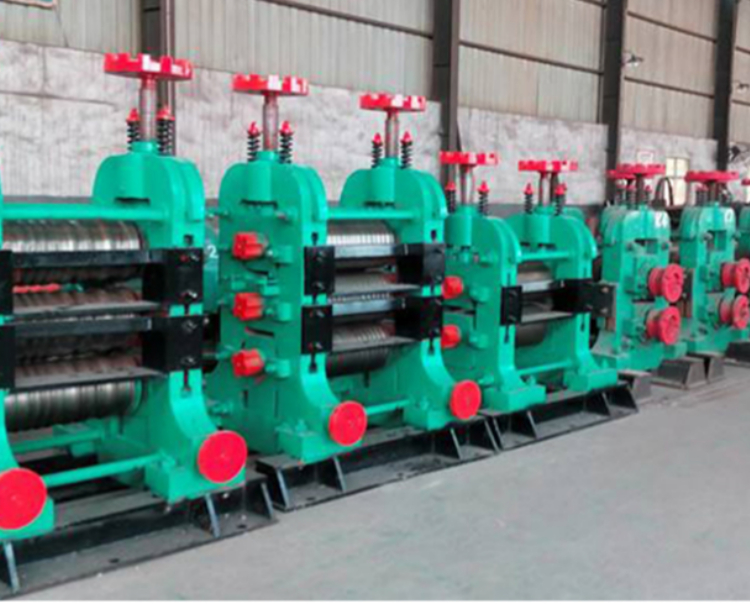
An induction heating furnace is designed to heat metal rather than melt it. It is widely used before forging, rolling, extrusion, and other hot forming operations.
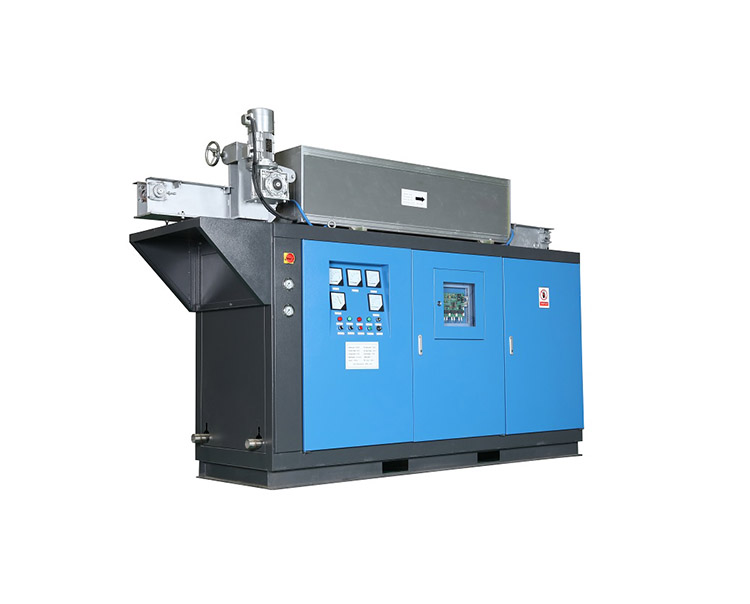
During induction heating, the workpiece passes through or is positioned inside an induction coil. The electromagnetic field generates heat directly in the metal, allowing the required temperature to be reached quickly. Compared with conventional heating methods, induction heating can reduce oxidation and provide more precise temperature control.
Typical applications include:
- Heating steel billets before forging
- Heating copper and aluminum bars before forming
- Heating steel billets before rolling
- Heating fasteners and standard parts before hot heading
For steel forging and rolling applications, the target temperature is commonly around 1100–1250°C, depending on the material and forming process.
The key difference between an induction heating furnace and an induction melting furnace is the final temperature and process objective. A heating furnace brings the workpiece to a suitable plastic deformation temperature without melting it.
Induction Hardening / Quenching Equipment
Induction hardening is a surface heat treatment process in which induction heating rapidly heats the surface layer of a metal component, followed by rapid cooling or quenching.
The process produces a hard surface while maintaining a relatively tough and ductile core. Because the heating cycle is fast and localized, induction hardening can also help reduce unnecessary heating and minimize distortion compared with some conventional heat treatment methods.
Common applications include:
- Surface hardening of gears
- Shafts and pins
- Machine tool guideways
- Hydraulic cylinder rods
- Automotive components
- Construction machinery parts
The operating frequency affects the heating depth. Higher frequencies generally produce shallower heating, making them suitable for surface hardening of smaller components or thin surface layers. Medium frequencies can provide greater heating depth and are commonly used for larger shafts, gears, and other components requiring deeper hardening.
Induction hardening equipment can also be integrated with automated loading, scanning, rotation, and quenching systems for high-volume production.
Induction Annealing Equipment
Induction annealing is a heat treatment process that heats metal to a controlled temperature and then allows it to cool slowly or under controlled conditions. The process can reduce hardness, improve ductility, and relieve internal stresses created during previous manufacturing operations.
Compared with conventional heating, induction annealing provides rapid and controllable heating with good temperature uniformity. It can be applied to localized areas or integrated into continuous production lines.
Typical applications include:
- Stress relief after cold working
- Annealing steel wire and steel tubes
- Post-weld stress relief
- Softening metal before further forming or machining
Depending on the workpiece and production process, induction annealing equipment can be designed in different forms, including car-bottom, pit, bell-type, and continuous systems.
High Frequency Induction Furnace
High frequency induction equipment operates at relatively high frequencies, commonly 100 kHz and above. As frequency increases, the current tends to concentrate closer to the surface of the workpiece due to the skin effect.
This allows very rapid heating of relatively small areas or components. Heating may take only seconds or tens of seconds depending on the material, power, workpiece size, and target temperature.
Typical applications include:
- Hardening small components
- Brazing cutting tools and other tools
- Shrink fitting and thermal assembly
- Small-batch melting of precious metals
High frequency induction equipment is particularly useful when shallow, localized, and fast heating is required.
Power Frequency Induction Furnace
Power frequency induction furnaces operate directly at the utility frequency, typically 50 or 60 Hz. Because they do not require a medium-frequency conversion system, their electrical configuration can be relatively simple.
They have historically been used for large-capacity melting and holding applications, particularly where the same metal is processed continuously or for long periods. However, their electrical and electromagnetic characteristics make them less flexible than modern medium-frequency systems for many melting applications.
Typical applications include large-capacity metal holding and melting operations where production conditions are stable and material changes are infrequent.
With the development of modern variable-frequency power supplies, medium-frequency induction furnaces have become increasingly common because they provide greater flexibility for many industrial melting applications.
How to Choose the Right Industrial Induction Furnace
Choosing the right industrial induction furnace starts with the production process rather than simply selecting a furnace by capacity.
1. Determine the application
First identify whether the equipment is required for melting, heating, or heat treatment. A melting furnace and a billet heating furnace have completely different operating requirements.
2. Identify the metal
The metal being processed affects the furnace design, power requirement, temperature range, and coil configuration. Common materials include steel, stainless steel, copper, aluminum, and other alloys.
3. Determine capacity and production output
Consider both the amount processed per batch and the required daily production. For example, a furnace designed for several hundred kilograms per batch may not be suitable for a plant that needs to melt several tons per hour.
4. Select the appropriate frequency
Medium frequency is widely used for induction melting. High frequency is useful for shallow surface heating and some small-component applications, while power frequency can be used for certain large-capacity holding or melting applications.
5. Select the furnace structure
For smaller-capacity melting systems, an aluminum-shell furnace can provide a relatively economical and lightweight solution. For larger-capacity applications, steel-shell furnaces offer greater structural strength and can incorporate hydraulic tilting and magnetic yokes.
Because furnace selection depends on the combination of material, capacity, production target, heating temperature, and operating cycle, it is better to have the furnace manufacturer evaluate the complete process before finalizing the configuration.
Conclusion
Industrial induction furnaces can be classified by frequency, application, and construction. Common types include power-frequency, medium-frequency, and high-frequency systems, as well as melting furnaces, heating furnaces, and heat treatment equipment.
Medium frequency induction melting furnaces are among the most widely used options for foundries, scrap recycling, and general metal melting. However, the best furnace depends on the material, production capacity, heating or melting requirement, and operating conditions.
Looking for a reliable industrial induction furnace? Our engineers can recommend suitable melting, heating, and heat treatment equipment based on your material, process, and production requirements. Contact our engineer for a FREE consultation and quote →
FAQ
What is an industrial induction furnace?
An industrial induction furnace is equipment that uses electromagnetic induction to heat metal. It can be designed for metal melting, billet heating, forging, rolling, hardening, annealing, and other industrial processes.
What are the types of induction furnaces?
Induction furnaces can be classified by frequency into power-frequency, medium-frequency, and high-frequency systems. They can also be classified by application into melting furnaces, heating furnaces, and heat treatment equipment.
What is the most common induction furnace?
Medium frequency induction melting furnaces are among the most commonly used industrial induction furnaces. They can process many types of metals and are available in a wide range of capacities.
How do I choose an induction furnace?
Choose an induction furnace according to the application, metal type, batch capacity, required production output, operating frequency, and furnace structure. A manufacturer can help determine the appropriate power and configuration based on the complete production process.