Molten steel reaches extremely high temperatures during melting and casting. In most steelmaking and foundry applications, molten steel is typically maintained around 1,500–1,600°C (2,732–2,912°F), although the exact temperature depends on the steel grade and production stage. Temperature directly affects molten steel fluidity, chemical composition, casting quality, and energy consumption. So, how hot is molten steel, and how should its temperature be controlled? This guide explains typical molten steel temperatures, the factors that affect them, measurement methods, and the equipment used to maintain stable temperatures.
How Hot Is Molten Steel?
For most carbon steel applications, molten steel is typically around 1,500–1,600°C (2,732–2,912°F). The actual temperature varies according to carbon content, alloy composition, furnace conditions, and whether the steel is being melted, tapped, transported, or cast.
| Steel Grade | Approx. Melting Point (°C) | Typical Tapping Temperature (°C) | Typical Casting Temperature (°C) |
|---|---|---|---|
| Low-carbon steel | 1450–1540 | 1550–1600 | 1520–1560 |
| Medium-carbon steel | 1425–1500 | 1520–1580 | 1500–1540 |
| High-carbon steel | 1400–1470 | 1500–1550 | 1480–1530 |
| Stainless steel | 1400–1450 | 1500–1550 | 1480–1530 |
These values are typical engineering ranges rather than fixed temperatures. In practical production, the tapping temperature is generally maintained about 50–100°C above the liquidus or melting range to provide sufficient superheat and fluidity. After tapping, molten steel loses heat during ladle transportation and preparation for casting, so the casting temperature is commonly lower than the tapping temperature.
What Affects Molten Steel Temperature?
Several factors determine how hot molten steel needs to be during production.
1. Steel composition
Carbon content affects the melting behavior of steel. In general, increasing carbon content lowers the melting range of carbon steel, although the actual liquidus temperature depends on the complete chemical composition.
2. Alloying elements
Elements such as chromium, nickel, manganese, and other alloy additions can change the melting range and required processing temperature. Stainless steel, for example, has a different melting range from ordinary carbon steel because of its alloy composition.
3. Melting equipment
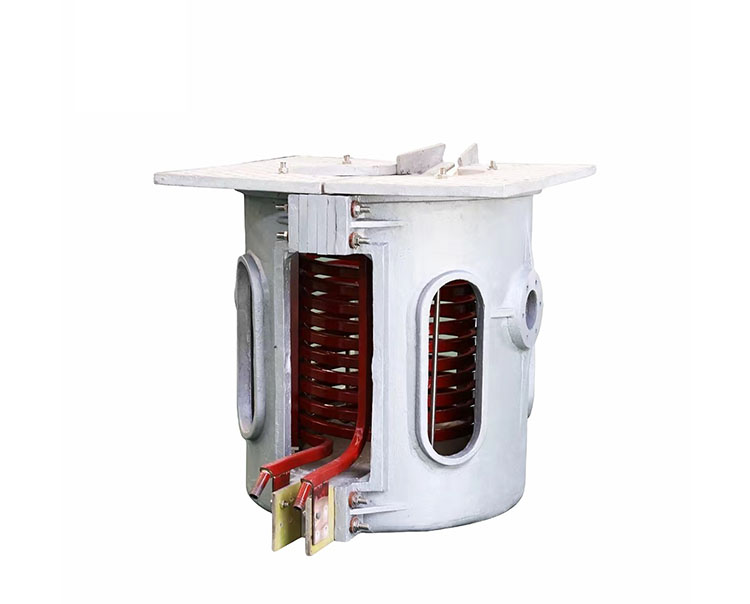
The furnace type affects heating efficiency, temperature uniformity, and temperature control. Medium-frequency induction furnaces can provide rapid heating and electromagnetic stirring, helping produce a more uniform molten metal temperature.
4. Production stage
Molten steel continuously loses heat after leaving the furnace. Temperature can decrease during tapping, ladle transportation, holding, and casting. Therefore, the required furnace temperature cannot be considered separately from the entire production process.
Why Temperature Control Matters
Maintaining the correct molten steel temperature is essential for stable production and casting quality.
If the temperature is too high, oxidation and alloy-element losses can increase. Excessive heat can also accelerate refractory wear and increase energy consumption. Prolonged overheating may therefore increase both operating costs and material losses.
If the temperature is too low, molten steel may lose fluidity before or during casting. This can contribute to incomplete filling, poor surface quality, temperature-related defects, and difficulties maintaining the required chemical and metallurgical conditions.
The practical objective is not simply to make steel as hot as possible. Instead, the goal is to maintain sufficient superheat for reliable flow and casting while avoiding unnecessary overheating. This balance helps reduce oxidation, refractory wear, and energy consumption.
How to Measure Molten Steel Temperature
Accurate temperature measurement is necessary because molten steel temperature cannot be judged reliably by appearance alone. Three common methods are used in industrial applications.
1. Immersion Thermocouple
An immersion thermocouple is one of the most commonly used methods for measuring molten steel temperature. A disposable or immersion probe is placed into the molten metal and provides a direct temperature reading within a short time.
It is widely used because it offers fast measurement and good accuracy when properly operated.
2. Infrared Temperature Measurement
Infrared temperature measurement provides a non-contact method for monitoring molten metal. It can be useful when continuous or repeated measurements are required without inserting a probe into the steel.
However, readings can be affected by surface conditions, distance, emissivity, smoke, and other environmental factors.
3. Optical Pyrometer
An optical pyrometer estimates temperature from thermal radiation or the apparent color of a hot material. It is a traditional high-temperature measurement method, but visual or optical readings can have greater uncertainty than direct immersion measurement.
In many industrial operations, immersion thermocouples and infrared measurement can be used together to provide both direct temperature checks and non-contact monitoring.
Temperature in Different Stages
Molten steel does not remain at the same temperature throughout the production process.
During melting, the temperature inside the furnace is normally maintained above the steel’s melting range to ensure complete melting and sufficient superheat. Depending on the process, the furnace temperature may be around 20–50°C higher than the target tapping temperature.
During tapping, molten steel leaves the furnace and enters the ladle. Heat loss begins immediately, so the temperature starts to decrease.
During casting, further heat is lost as the molten steel moves through the ladle, tundish, and mold. The temperature at the casting stage is therefore normally lower than the furnace temperature.
Across the complete process, the total temperature drop can be roughly 50–100°C, depending on holding time, equipment design, ladle condition, insulation, and production rate. Accurate temperature monitoring at key stages helps prevent excessive temperature loss.
Equipment for Maintaining Molten Steel Temperature
Different pieces of equipment are used to heat, hold, and control molten steel temperature throughout production.
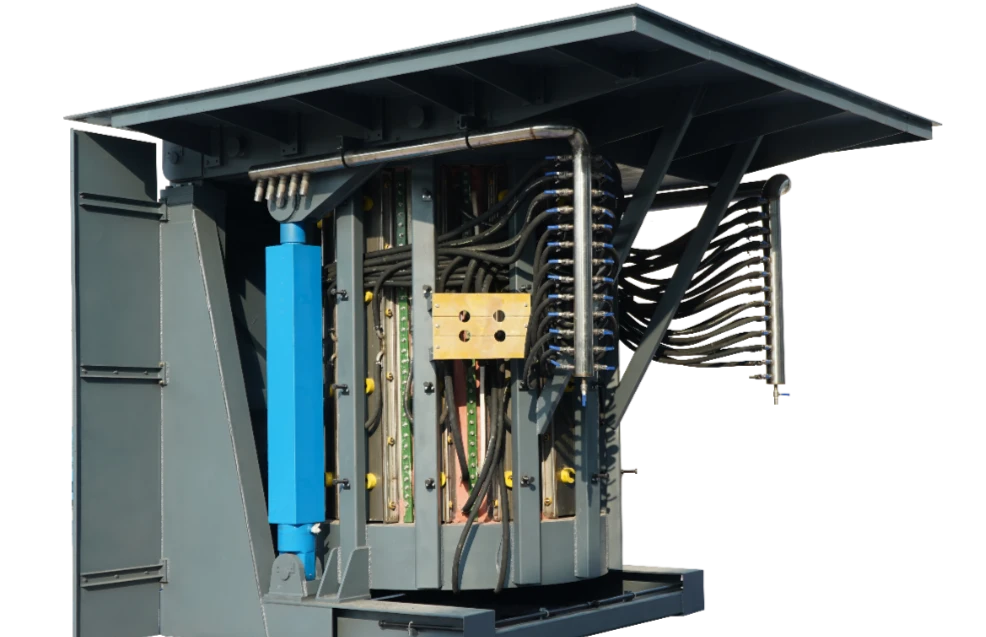
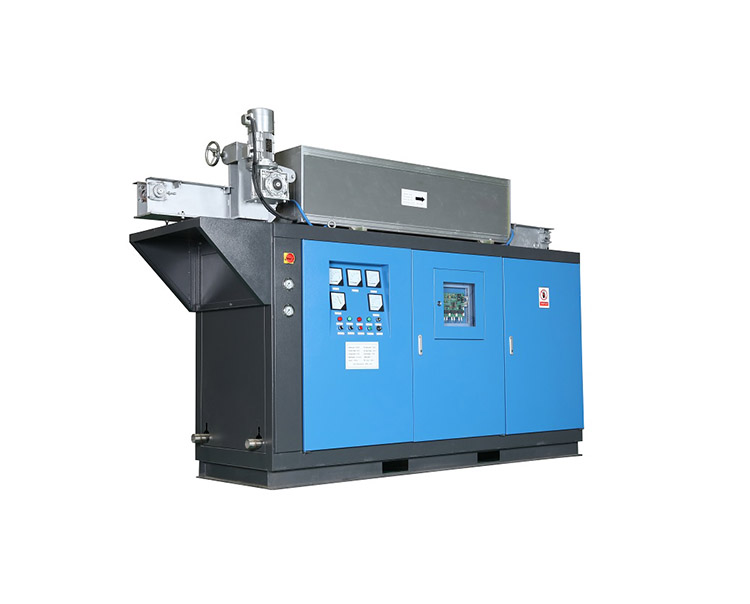
Medium-Frequency Induction Furnace
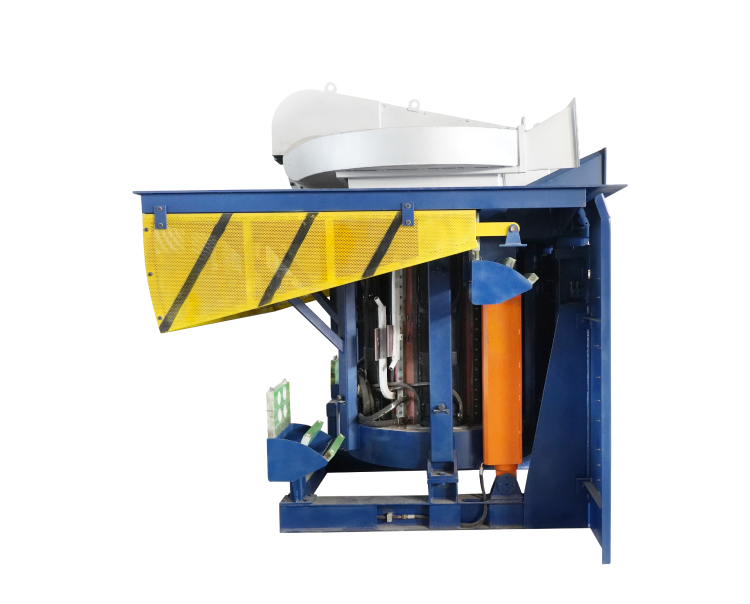
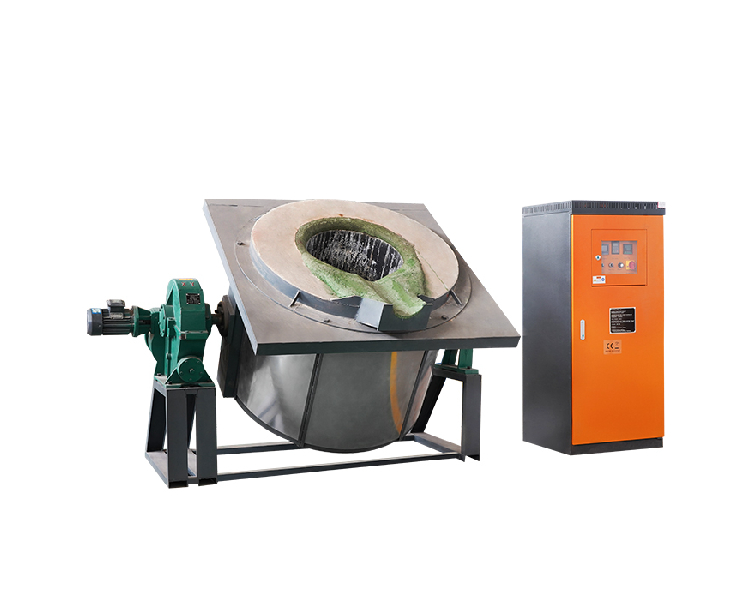
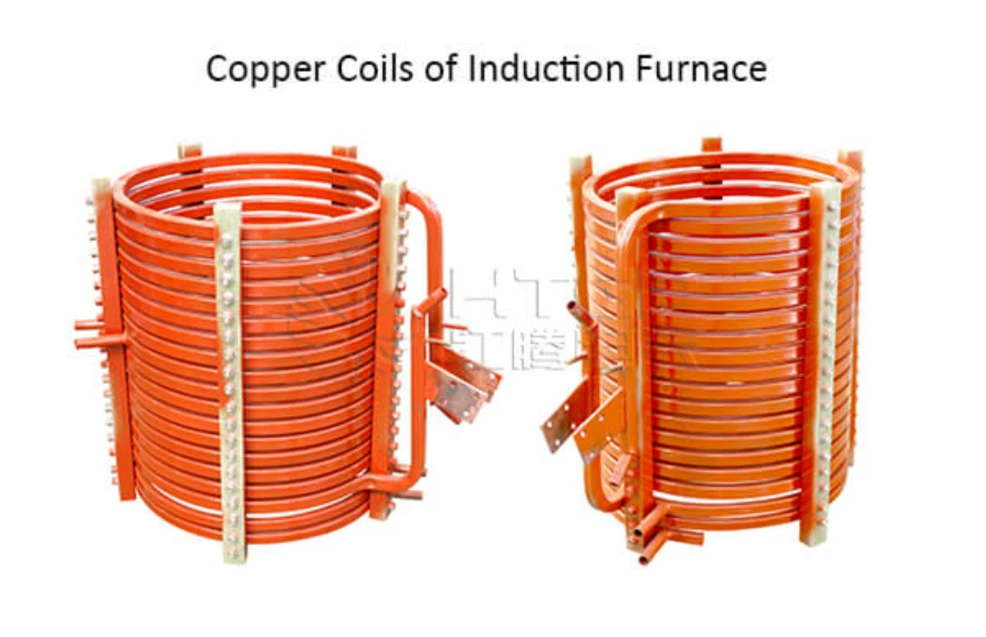
A medium-frequency induction furnace heats conductive metal through electromagnetic induction. The process can provide rapid heating and electromagnetic stirring, helping improve temperature uniformity within the molten steel.
For steel melting applications, furnace capacity, power, melting time, refractory lining, and temperature-control requirements should be considered together when selecting equipment.
Ladle Heating Furnace
A ladle heating furnace helps maintain or adjust molten steel temperature after tapping. This is particularly useful when molten steel needs to remain in the ladle before casting or when transportation time causes significant heat loss.
Tundish Heating
In continuous casting operations, tundish heating can help compensate for heat loss and maintain a suitable steel temperature before the molten metal enters the mold.
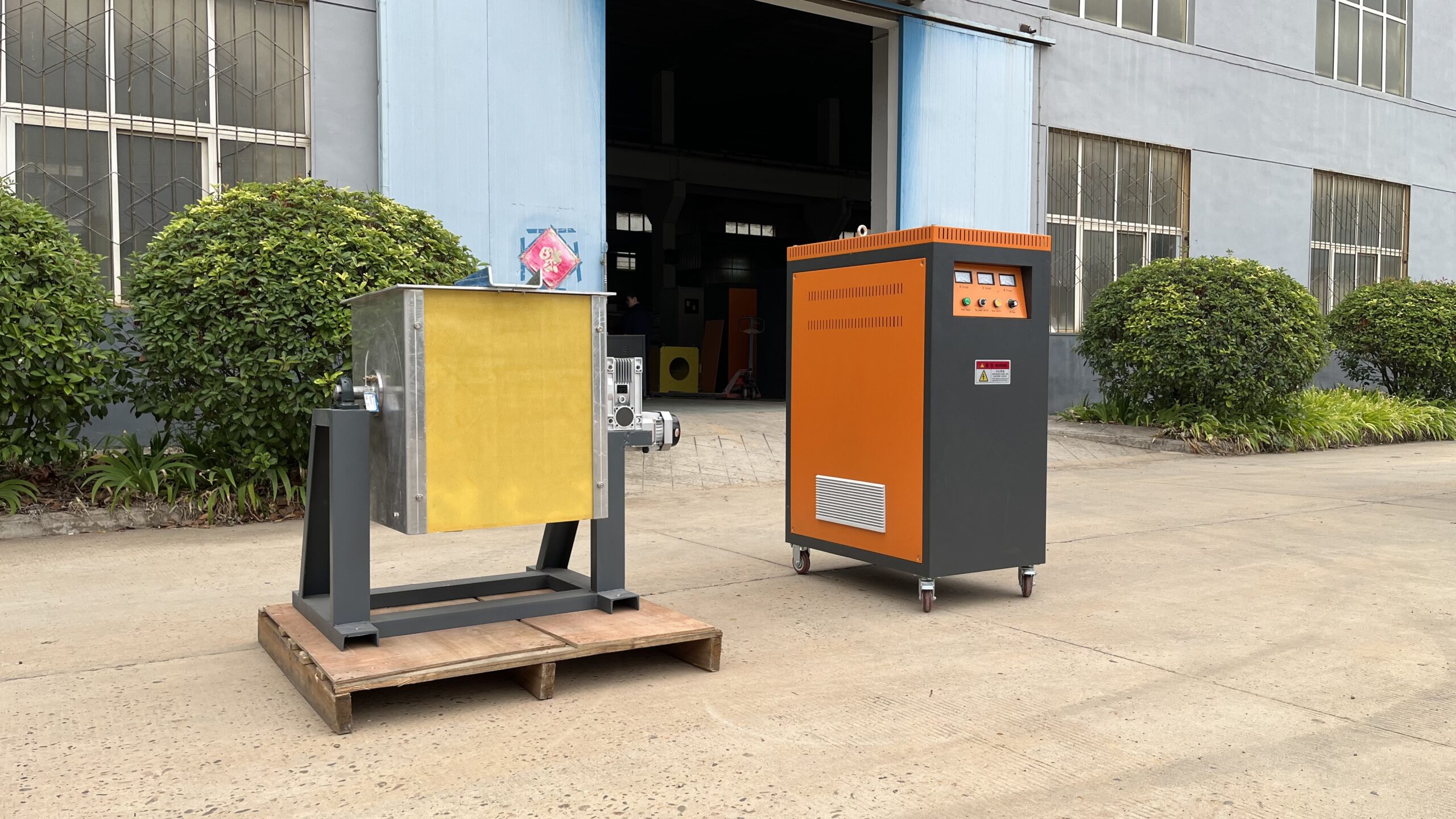
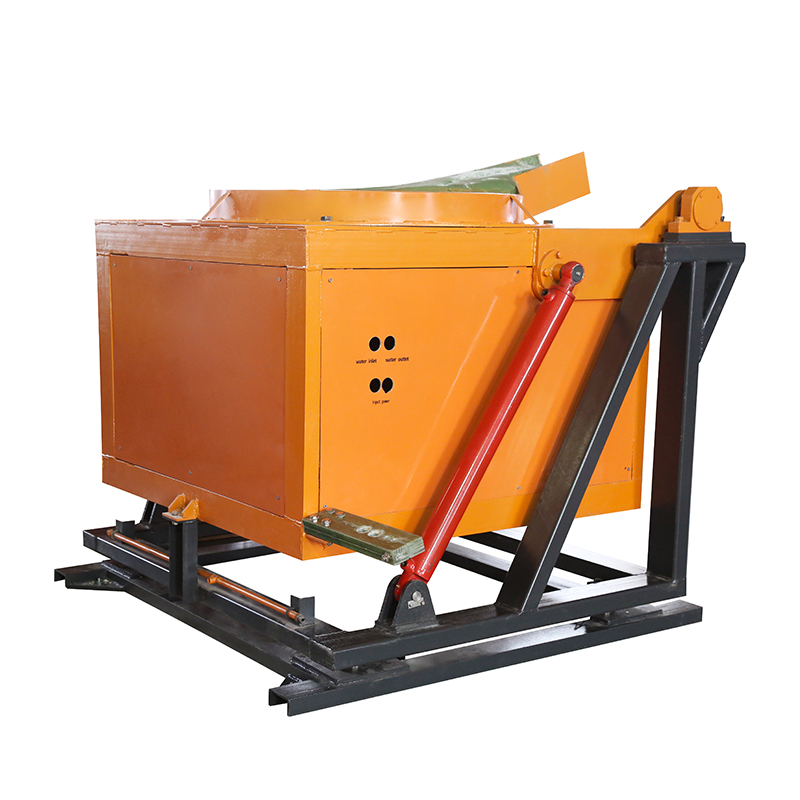
For induction melting applications, Our aluminum-shell and steel-shell melting furnaces can be equipped with temperature control systems designed specifically to ensure stable melting operations.. The appropriate furnace configuration depends on metal type, batch capacity, melting speed, and temperature requirements.
Common Temperature Problems
1. Molten Steel Is Too Hot
Excessive temperature can increase oxidation, alloy losses, refractory wear, and energy consumption. If the steel is consistently overheated, reducing furnace power or shortening the heating time can help bring the process back into the required temperature range.
2. Temperature Is Not Uniform
Temperature differences within the furnace can occur when molten metal circulation is insufficient. Electromagnetic stirring and adequate holding time can help improve temperature uniformity.
3. Temperature Drops Too Quickly
Rapid temperature loss may result from poor ladle insulation, long transportation times, or excessive holding time. Using a ladle cover, suitable insulation, and appropriate thermal protection can help reduce heat loss.
Conclusion
So, how hot is molten steel? In typical applications, molten steel is generally around 1,500–1,600°C (2,732–2,912°F), but the exact temperature depends on steel grade and production stage. Proper temperature control is essential for maintaining fluidity, reducing oxidation and energy consumption, and achieving stable casting quality. Selecting the right melting furnace and temperature-measurement system is therefore an important part of the overall process.
Frequently Asked Questions
Q1: How hot is molten steel in Celsius?
Molten steel is typically around 1,500–1,600°C during melting and tapping. The exact temperature varies according to steel grade, chemical composition, and production stage.
Q2: What is the melting point of steel?
Steel does not have one fixed melting point because it is an alloy. Carbon steel commonly has a melting range of approximately 1,400–1,540°C, with the exact liquidus and solidus temperatures depending on its carbon and alloy content.
Q3: How hot is molten steel in Fahrenheit?
A molten steel temperature of 1,500–1,600°C is approximately 2,732–2,912°F.
Q4: Can you melt steel with an induction furnace?
Yes. Induction furnaces are widely used for melting steel in foundries and metal-processing plants. A medium-frequency induction furnace can provide rapid heating, electromagnetic stirring, and controllable melting conditions.
Looking for a Steel Melting Furnace with Precise Temperature Control?
We offer steel-shell and aluminum-shell melting furnace configurations for different production capacities and melting requirements. Our engineers can evaluate your material, batch capacity, target melting speed, and temperature requirements to recommend a suitable furnace configuration.
Related Products: