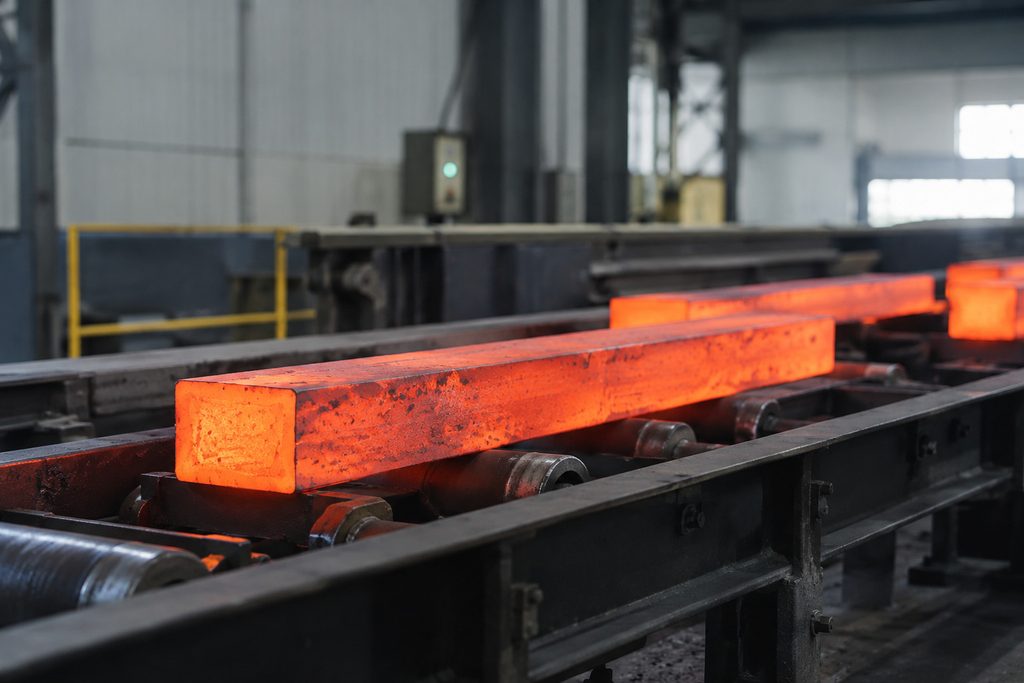
Selecting induction heating power supplies for steel billet heating involves more than choosing a power rating. The system must deliver sufficient energy to reach the target temperature while maintaining the required heating uniformity and production speed.
The right configuration depends on billet dimensions, steel grade, initial temperature, target temperature, production throughput, operating frequency, and induction coil design. These factors must be considered together to achieve consistent heating before forging, rolling, or other hot-forming processes.
For manufacturers evaluating industrial induction heating solutions, understanding these requirements is an important step toward selecting equipment that matches the actual production process.
What Does an Induction Heating Power Supply Do?
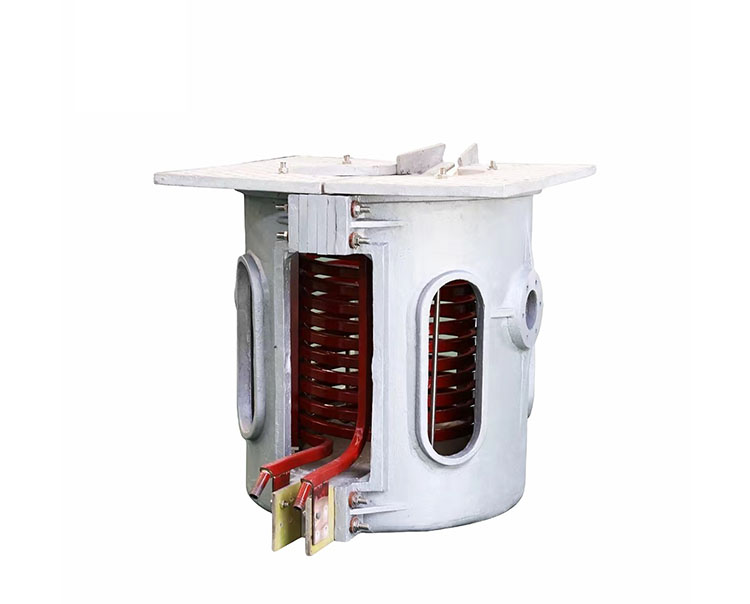
An induction heating power supply converts electrical energy into an output suitable for driving an induction coil. The coil generates an alternating magnetic field, inducing electrical currents in the steel billet and producing heat within the workpiece.
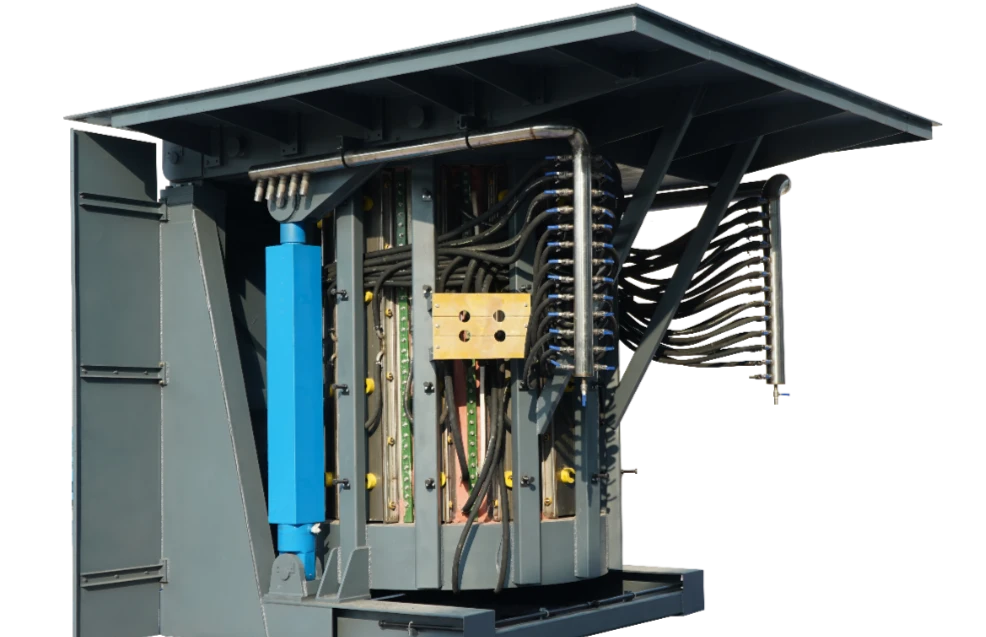
In a billet heating line, the power supply works together with the induction coil, billet handling equipment, temperature monitoring, and control system. The performance of the complete system depends on how well these components are matched to the material and heating requirements.
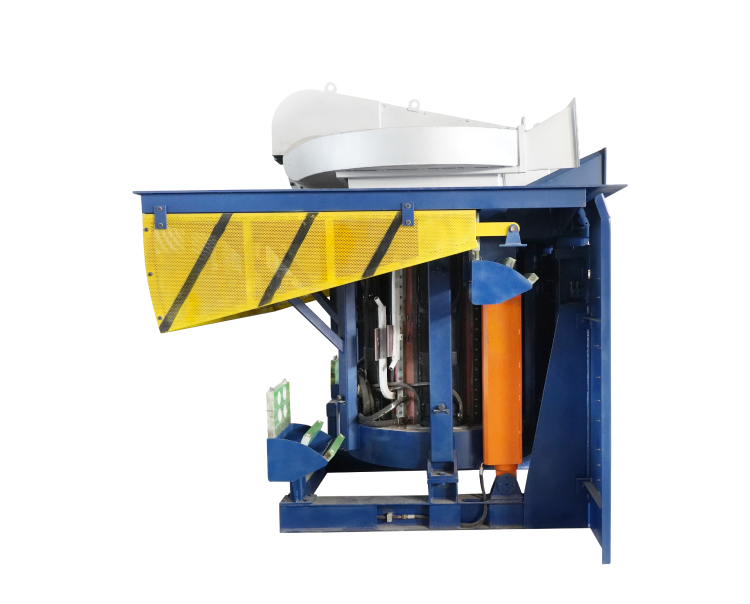
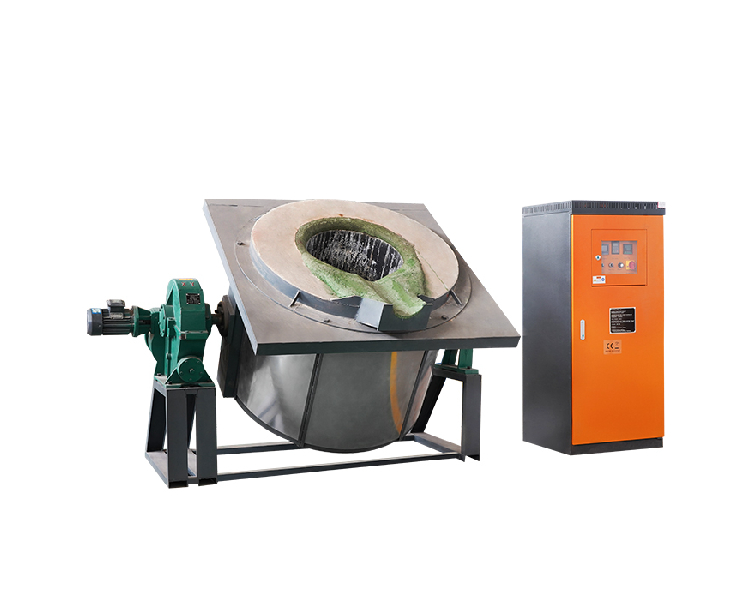
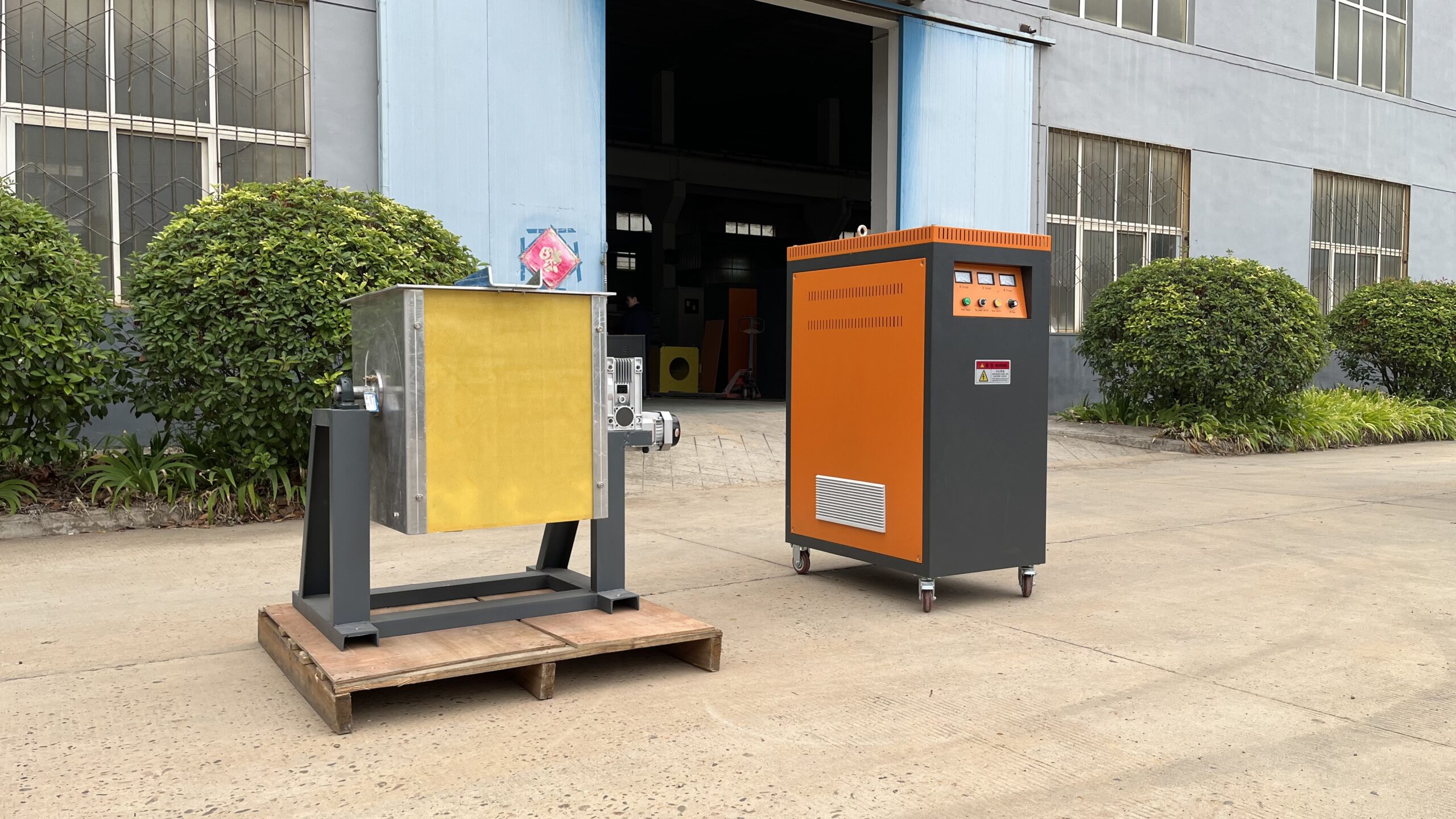
Unlike an induction melting furnace, which heats metal to its melting point, a billet heating system normally heats solid steel to a specified temperature for subsequent processing. The objective is not simply to increase temperature quickly, but to achieve the required temperature distribution at the intended production rate.
How to Determine the Required Power
The required power should be calculated from the actual heating duty rather than selected solely according to billet size or the rated output of available equipment.
Several factors influence the power requirement:
- Billet dimensions and material: Cross-sectional size, length, mass, and steel grade affect the energy needed for heating.
- Initial and target temperatures: The temperature increase determines how much thermal energy the billet requires.
- Production throughput: The required output in tons per hour and the available heating time determine the rate at which energy must be delivered.
- Temperature uniformity: Some applications require the billet core and surface, as well as different sections along its length, to reach specified temperatures.
- System losses: Electrical conversion losses, heat transfer conditions, electromagnetic coupling, and heat losses affect the input power required.
For a continuous heating process, the theoretical thermal power required by the billets can be estimated using the following formula:
Thermal Power (kW) = Mass Flow Rate (kg/s) × Specific Heat Capacity (kJ/kg·K) × Temperature Increase (K)
Here, mass flow rate represents the mass of steel processed per second, specific heat capacity represents the energy required to raise the temperature of a unit mass of steel by one degree, and temperature increase is the difference between the target and initial temperatures.
This calculation estimates the thermal energy required by the workpiece, not the final electrical rating of the power supply. The actual equipment selection must also account for system losses, energy transfer efficiency, material properties at different temperatures, and operating conditions.
For this reason, the formula is useful for preliminary estimation, but it should not be used as the sole basis for selecting an induction heating power supply.
Why Operating Frequency Matters
Operating frequency affects how electromagnetic energy is distributed within a steel billet. As a general principle, higher frequencies tend to concentrate induced currents closer to the surface, while lower frequencies can support deeper penetration. However, the appropriate frequency depends on the workpiece and the required heating profile.
Steel also presents a particular challenge because its electrical and magnetic properties change with temperature. The heating behavior can therefore vary throughout the process.
When selecting a frequency, engineers should consider:
- Billet cross-sectional dimensions and steel grade
- Required heating depth and core temperature
- Target temperature and temperature uniformity
- Induction coil geometry and electrical characteristics
- Heating time and production throughput
Frequency should not be selected in isolation. It must be evaluated together with the power supply, induction coil, workpiece characteristics, and heating process.
Matching the Power Supply to the Induction Coil
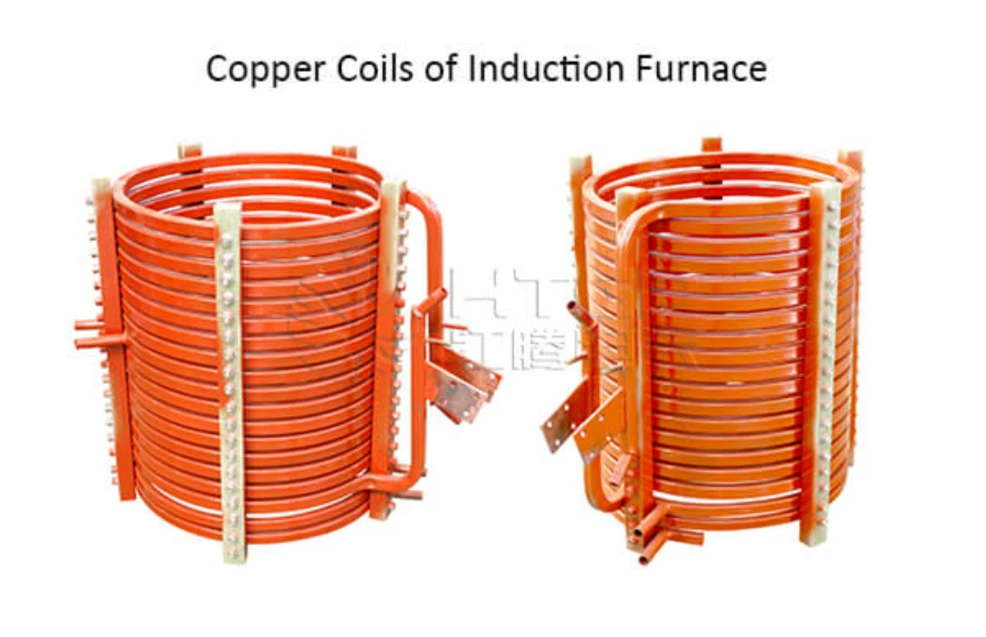
An induction power supply and its coil form an electrically coupled system. Increasing the power rating alone cannot compensate for a coil design that is poorly matched to the billet or the intended heating conditions.
Coil design may involve the billet dimensions, coil length, spacing, number of heating zones, and distribution of power along the heating line. These factors influence how energy enters the workpiece and how its temperature develops during heating.
For continuous production, billet movement and positioning within the coil also matter. Changes in billet size or production speed may require adjustments to the heating arrangement and control strategy.
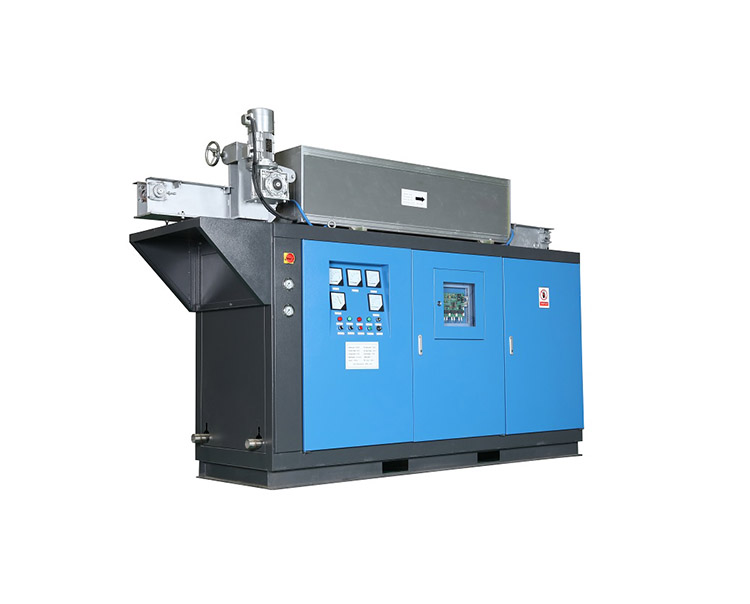
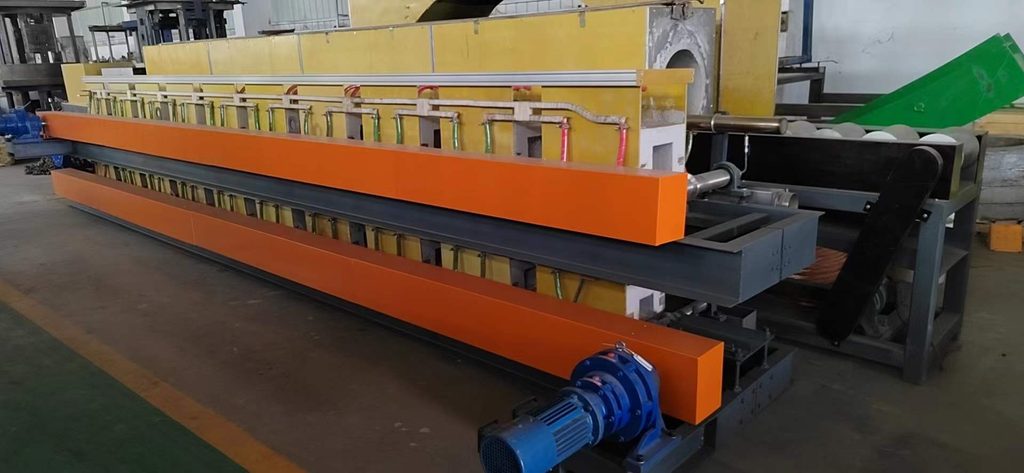
Our steel billet heating furnace is designed for billet heating applications, with workpiece heating length, speed, and temperature among the controllable process parameters. Its product information also explains that operating frequency can be selected according to billet cross-sectional dimensions.
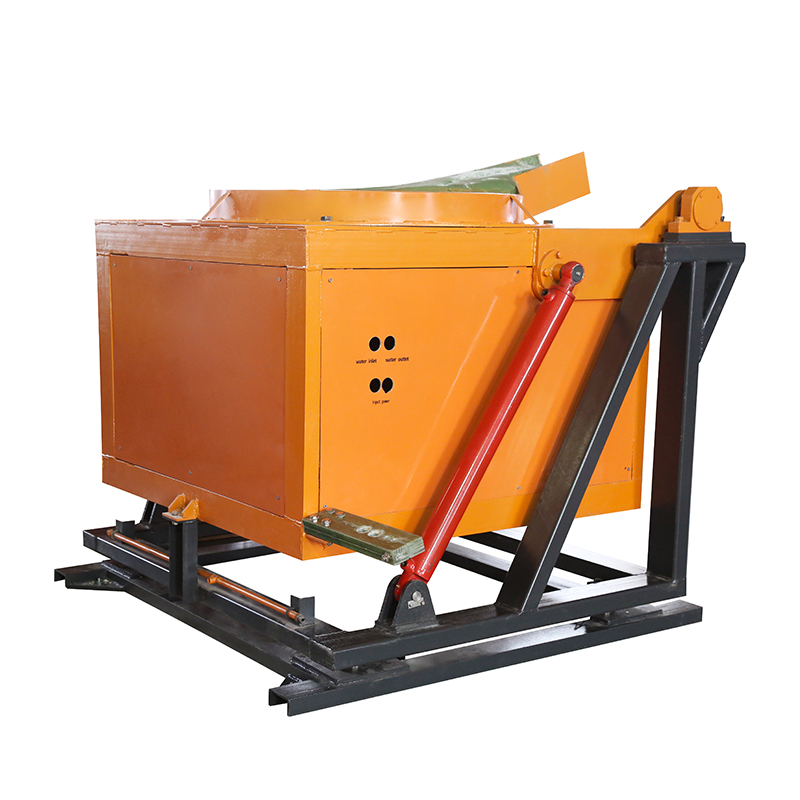
For other metal heating applications, the metal induction heating furnace provides another equipment option. The suitable configuration depends on the material, workpiece dimensions, target temperature, and required heating rate.
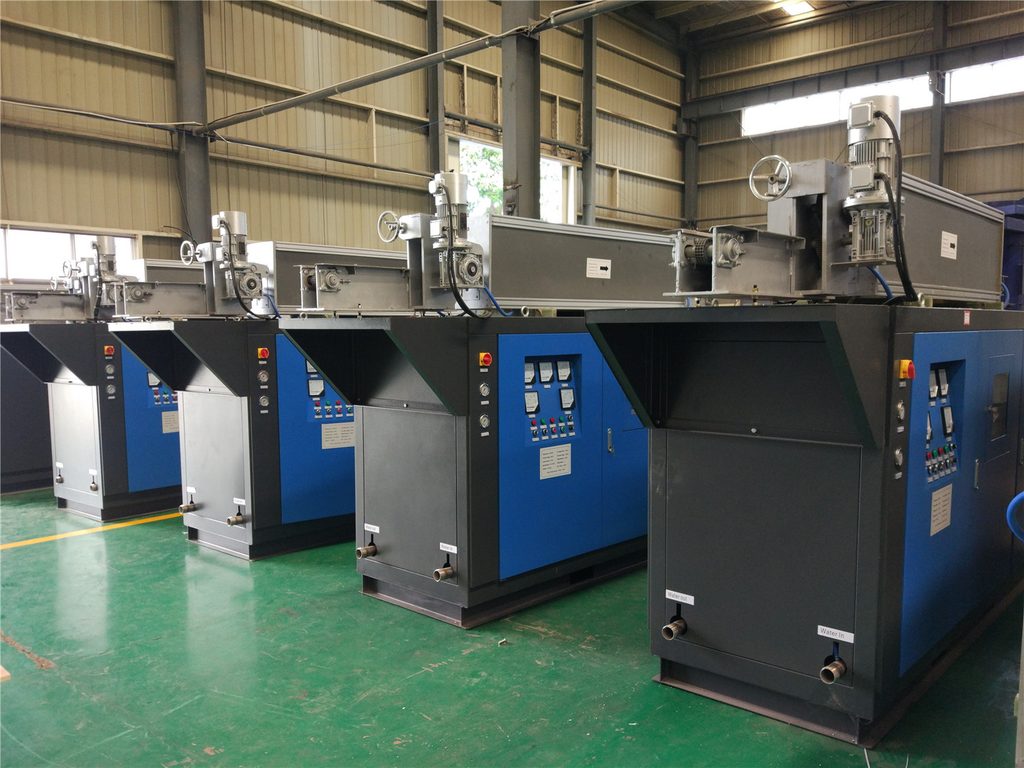
Integrating the Power Supply With the Production Line
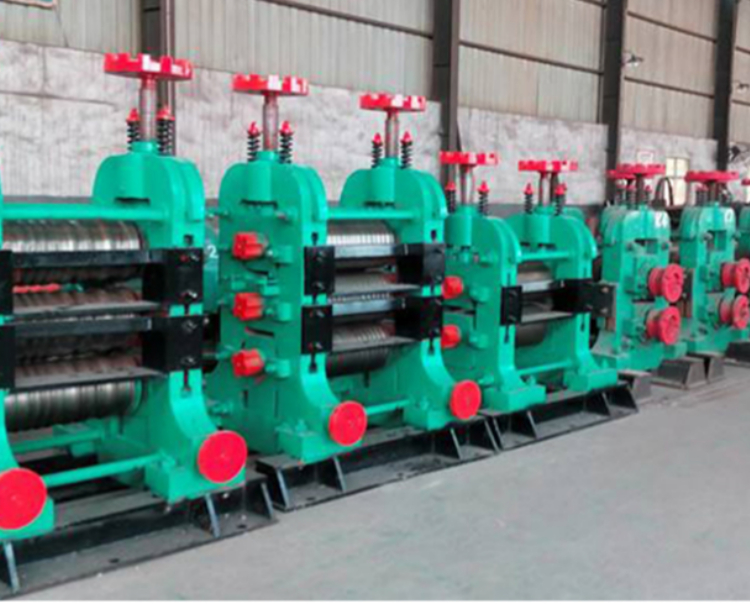
A billet heating system should be configured around the production process it serves. A batch heating application may have different requirements from a continuous line feeding a rolling mill or forging press.
Several factors should be considered during system design.
Billet feeding and movement: The feeding mechanism and line speed determine how long each billet remains within the heating zone.
Temperature monitoring: Measurement methods and sensor positions should suit the target temperature and process requirements. Surface temperature alone may not confirm that the billet core has reached the required condition.
Power control: The system should provide appropriate output control for the specified heating cycle and production schedule.
Cooling and protection: Confirm the cooling requirements of the power supply and other water-cooled components, where applicable. Flow rate, water temperature, pressure, monitoring, and protection settings should follow the equipment design and manufacturer’s specifications.
Downstream equipment: The discharge temperature and production rate must be compatible with the next manufacturing step. A heating system that reaches the target temperature but cannot maintain the required throughput may become a production bottleneck.
Considering these requirements before equipment installation helps reduce configuration problems during commissioning.
What to Prepare Before Selecting an Induction Heating Power Supply
Providing accurate process information helps the supplier evaluate power requirements, frequency selection, coil configuration, and control arrangements.
| Information | Why It Matters |
|---|---|
| Steel grade and billet dimensions | Establishes the material properties and workpiece mass |
| Initial temperature | Defines the starting condition for the heating calculation |
| Target temperature and tolerance | Determines the required heating result |
| Required production throughput | Establishes the rate at which energy must be delivered |
| Heating method | Clarifies whether the process is batch-based or continuous |
| Temperature uniformity requirements | Identifies whether specific core, surface, or longitudinal temperature profiles are needed |
| Available electrical supply | Helps determine site power and electrical integration requirements |
| Cooling and installation conditions | Establishes auxiliary equipment and installation requirements |
For demanding applications, the technical proposal should clearly state the assumed operating conditions, expected production duty, temperature requirements, and the method used to verify performance. This makes it easier to compare equipment proposals on a consistent basis.
Common Mistakes When Selecting Induction Heating Power Supplies
Choosing power based only on the rated output. The required power depends on the actual heating duty, production speed, material properties, and system losses.
Selecting frequency without considering coil design. Frequency, workpiece characteristics, and coil geometry influence energy distribution and must be evaluated together.
Ignoring temperature uniformity. Reaching the target surface temperature does not necessarily mean the billet core or its full length has reached the required condition.
Overlooking production-line integration. Feeding speed, cooling requirements, temperature monitoring, and downstream processing all influence the final system configuration.
Avoiding these mistakes requires a process-based approach rather than treating the power supply as an isolated component.
Conclusion
Selecting induction heating power supplies for steel billet heating starts with the workpiece and the production process. Power demand, operating frequency, coil configuration, temperature uniformity, and production throughput must be considered together to achieve the required heating results.
A suitable system is not necessarily the one with the highest rated power. It is the one configured to meet the actual temperature and production requirements consistently, with electrical, cooling, and control arrangements suited to the application.
If you are planning a steel billet heating project, contact our team to discuss your billet dimensions, target temperature, production capacity, and operating conditions. Sharing these details helps the team evaluate your application and identify a suitable induction heating equipment configuration for your production needs.