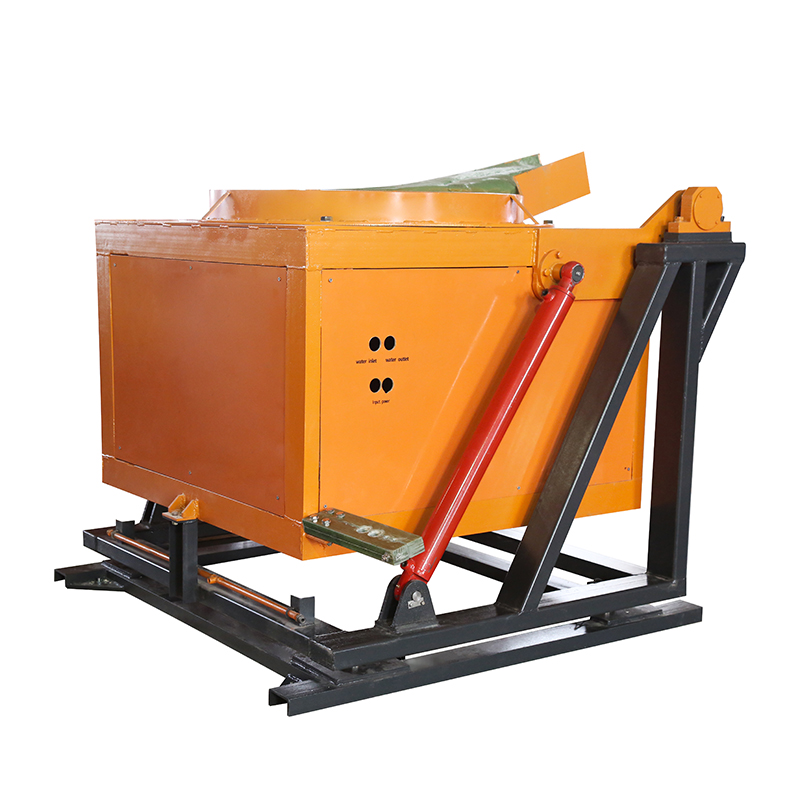
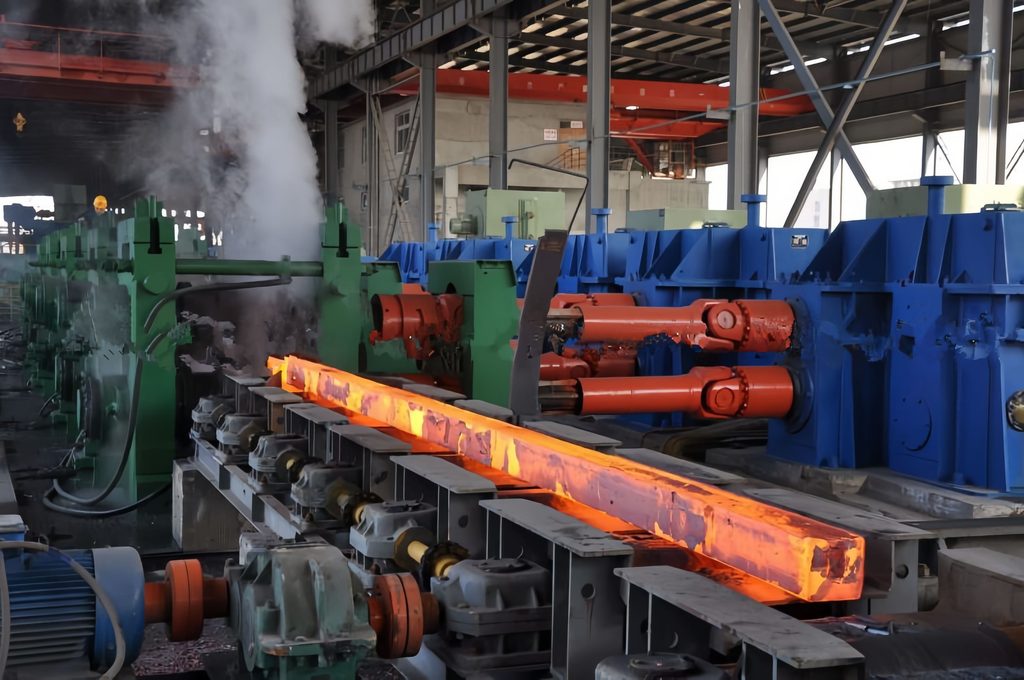
Continuous casting and rolling combines metal casting and rolling into a connected production process. Instead of producing billets first and sending them through separate downstream operations, the cast material can be transferred through reheating and rolling with controlled temperature and material flow.
For steel production, a continuous casting and rolling production line can integrate scrap preparation, melting, casting, reheating, rough rolling, continuous rolling, cooling, cutting, and packing into one production route. MeltingTech’s continuous casting and rolling production line is designed for steel scrap or billet as raw material and can be configured for products such as steel bars, wire rod, section steel, and other rolled products.
Continuous Casting and Rolling Process
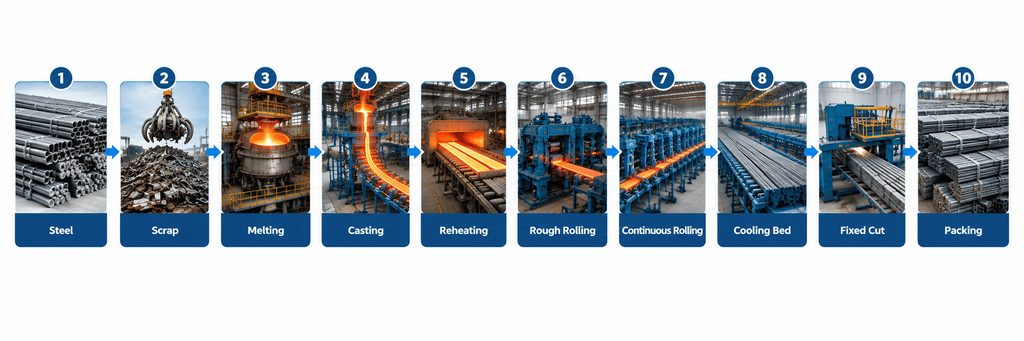
A typical steel production route can be organized into the following steps:
Steel → Scrap → Melting → Casting → Reheating → Rough Rolling → Continuous Rolling → Cooling Bed → Fixed Cut → Packing
1. Steel and Scrap
Steel scrap is the main recycled raw material for this type of production route. Depending on the required steel grade and product, the charge material is prepared and proportioned before entering the melting process.
The quality and composition of the scrap directly affect the chemical composition of the molten steel, so scrap selection and charge preparation are important before melting.
2. Melting
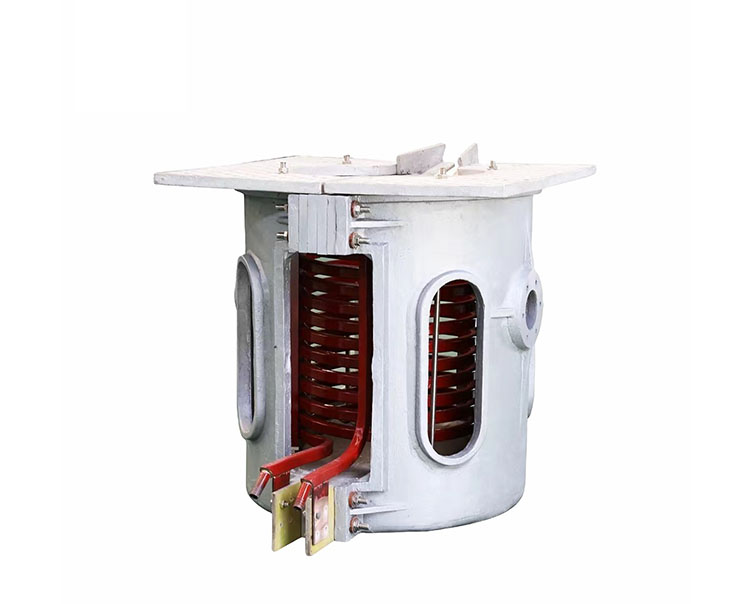
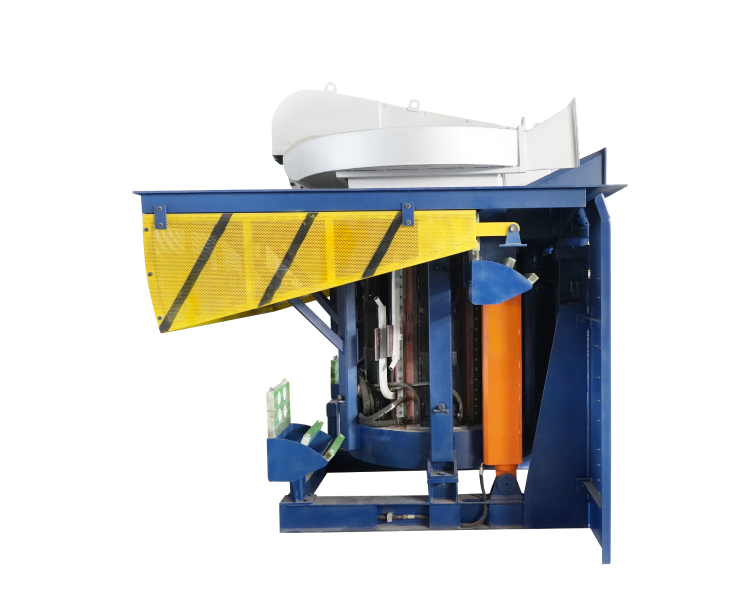
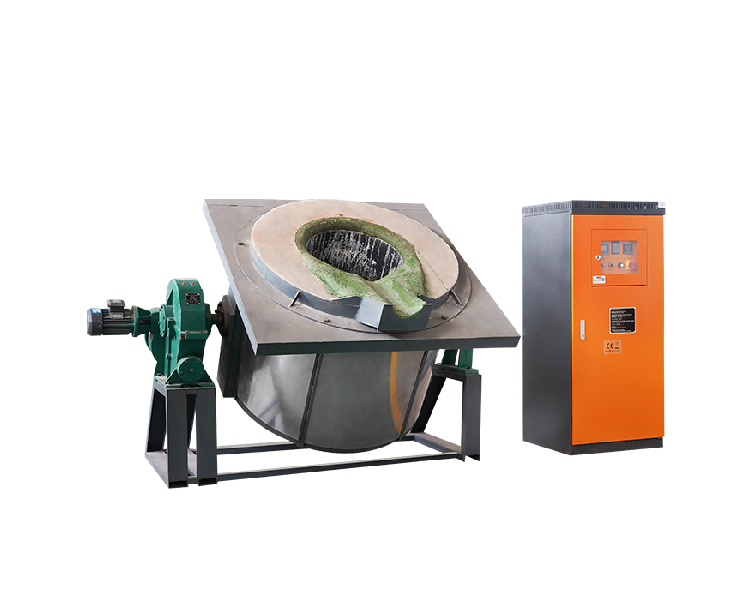
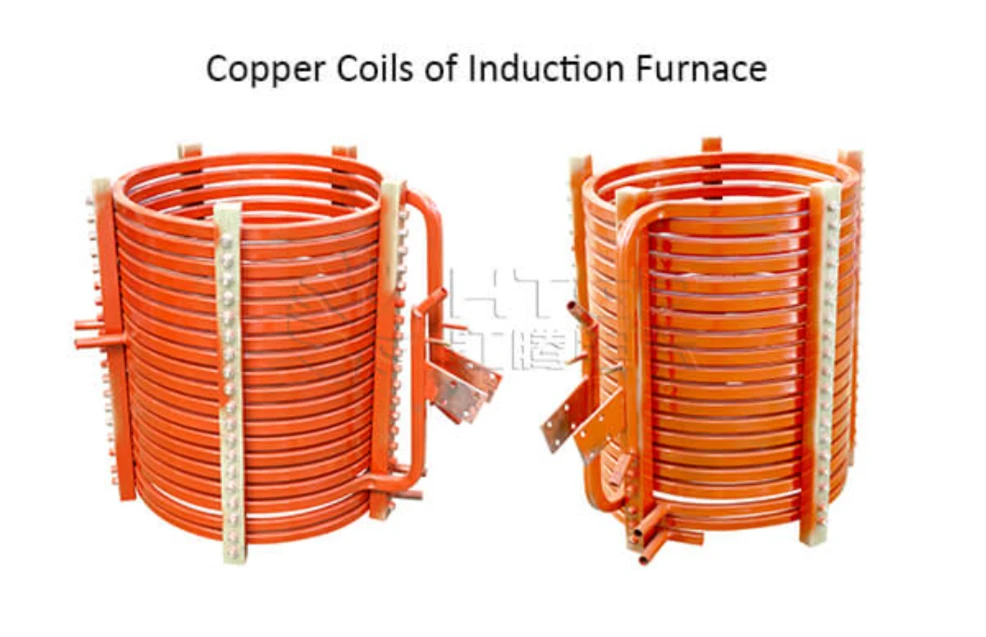
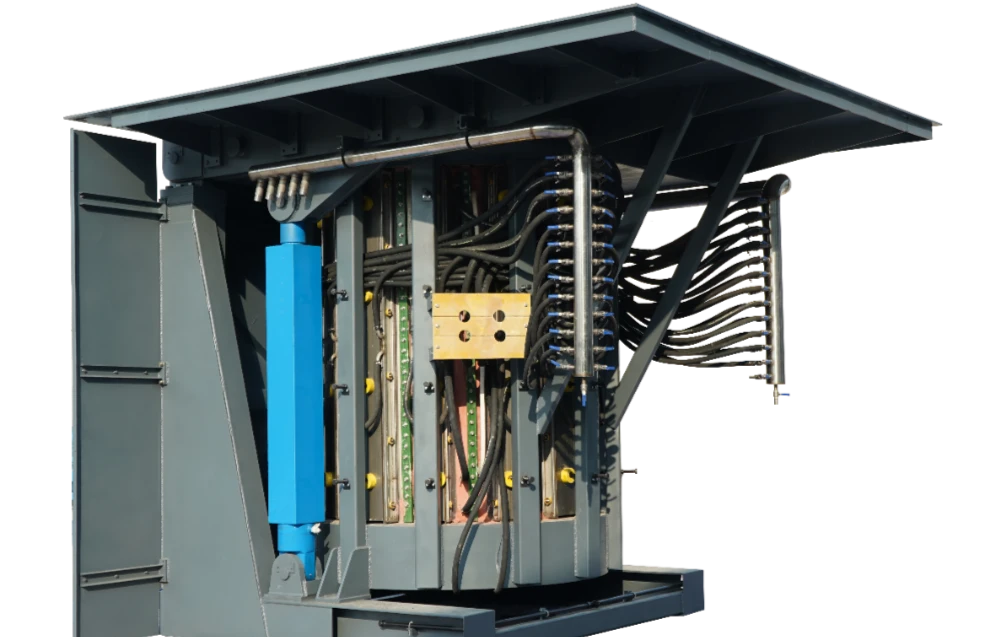
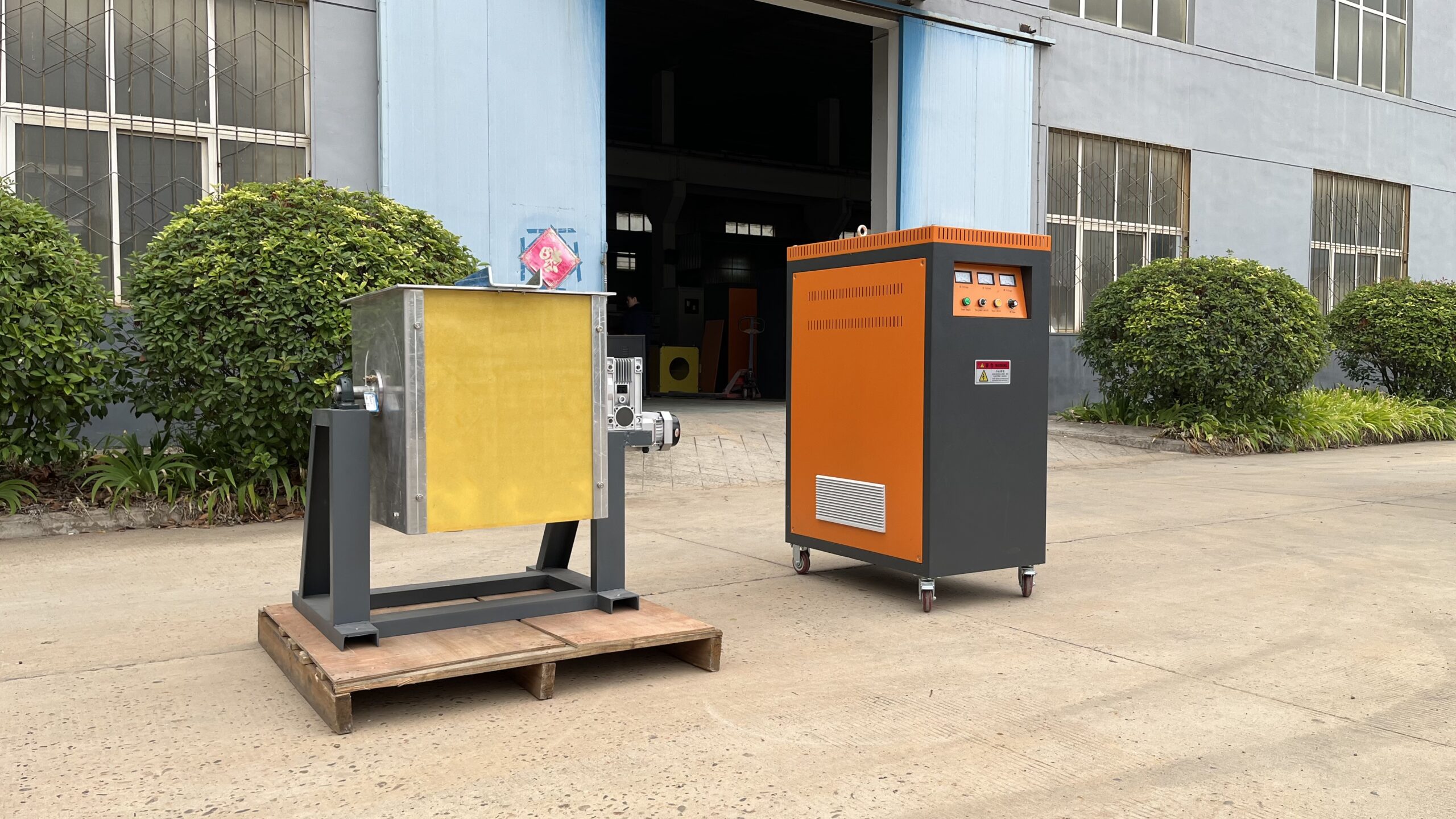
The prepared scrap is charged into the melting furnace and heated until it becomes molten steel. The melting stage provides the liquid metal required for continuous casting.
In an integrated production line, the melting system needs to work with the casting system to maintain a stable supply of molten steel and minimize unnecessary temperature loss between processes.
3. Casting
After melting, molten steel enters the continuous casting system and is solidified into a continuously moving cast product.
A continuous casting and rolling mill consists of a pouring system, a continuous casting and rolling system, a finishing system, a power supply system, a water supply system, a hydraulic system, and lifting and transportation equipment.
The pouring system includes a feed box and a pouring nozzle. The continuous casting and rolling system includes the continuous casting and rolling mill and billet guide rolls, among other components. The finishing system includes a pulling machine, a billet shear, a tension leveler, and a coiler. In the 3C-type continuous casting and rolling mill, there is no billet traction machine or tension straightener.
How Does a Continuous Casting Mill Work?
The continuous casting mill is the core component of the continuous casting and rolling mill. It consists of a pair of internally water-cooled casting rolls, with a gap between them equal to the slab thickness; the roll surfaces of the two casting rolls and the two plugs of the feed nozzle together form the casting mold.
The two casting rolls rotate continuously, creating a continuously moving casting mold. This is fundamentally different from the stationary molds used in vertical continuous casting, hot-top casting, and horizontal continuous casting. Within the casting mold, there is essentially no relative motion between the cast billet and the rotating roll surfaces.
The twin-roll arrangement allows molten metal to enter the space between the water-cooled rolls, where heat is removed through the rolls as solidification takes place. The resulting cast material then continues toward the downstream rolling process. Twin-roll casting is based on the same fundamental principle of bringing molten metal into contact with counter-rotating, cooled rolls to form a continuously solidified product.
In the continuous cast-rolling process, the slab is relatively thin and can move horizontally, facilitating the installation of fixed shears and coilers. This enables true continuous production and allows for the production of coiled material, which is convenient for transportation.
4. Reheating
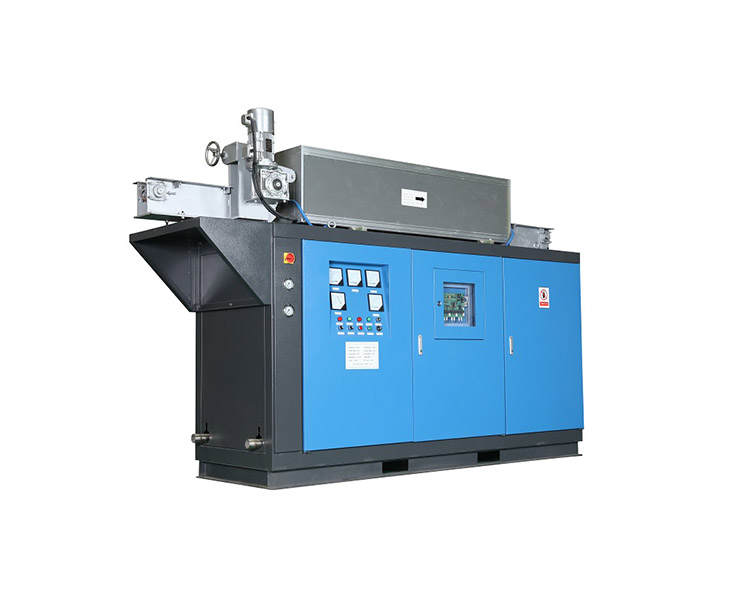
After casting, the cast material is reheated when required by the rolling process. The purpose is to bring the material to a suitable temperature for subsequent deformation and to maintain stable rolling conditions.
For billet-based continuous casting and rolling lines, the connection between casting temperature and rolling temperature is an important part of the overall process design.
5. Rough Rolling
The reheated billet enters the rough rolling section for the initial reduction of its cross-sectional dimensions.
Rough rolling removes a significant portion of the section before the material enters the finishing rolling stands. The deformation is distributed through the rolling passes according to the required final product.
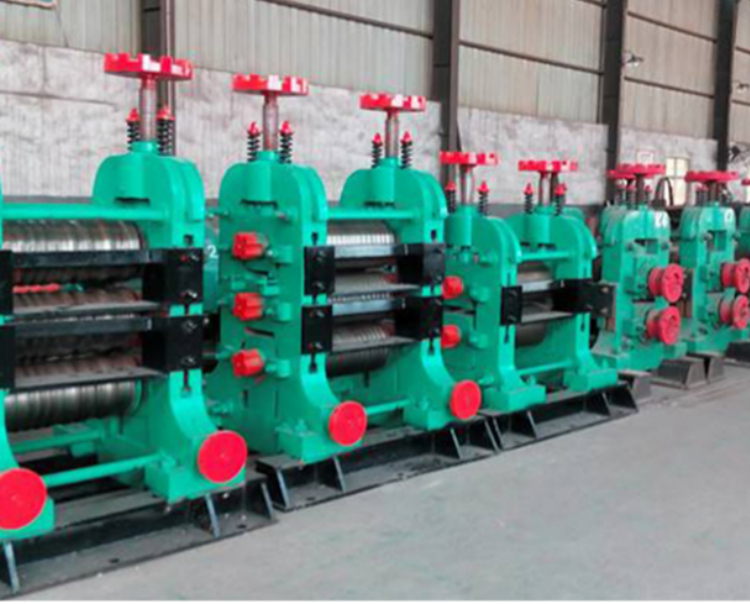
6. Continuous Rolling
After rough rolling, the material passes through the continuous rolling section.
Multiple rolling stands progressively reduce the section and control the final dimensions. Continuous rolling allows the material to move through successive stands without repeated manual handling, making it suitable for continuous steel production.
For rebar production and other long products, the final rolling passes determine the required product size and profile.
7. Cooling Bed
After rolling, the hot product enters the cooling bed.
The cooling bed provides controlled cooling while supporting and transferring the rolled material. Proper cooling helps maintain product shape and provides stable conditions before cutting and collection.
8. Fixed Cut
After cooling, the finished steel product is cut to the specified length.
A fixed-length cutting system allows the production line to produce bars according to the required product dimensions and prepares them for final collection.
9. Packing
The cut products are collected, bundled, and packed for storage, handling, and transportation.
At this stage, the continuous production route from scrap and melting through casting and rolling is completed as finished steel products.
Main Equipment of a Continuous Casting and Rolling Mill
The main systems of a continuous casting and rolling mill include:
| System | Main Components |
|---|---|
| Pouring system | Feed box, pouring nozzle |
| Continuous casting and rolling system | Continuous casting and rolling mill, billet guide rolls |
| Finishing system | Pulling machine, billet shear, tension leveler, coiler |
| Power supply system | Power supply equipment |
| Water supply system | Cooling water equipment and piping |
| Hydraulic system | Hydraulic equipment |
| Lifting and transportation system | Lifting and material-handling equipment |
The exact equipment configuration depends on the production process, product type, capacity, and required automation level.
Why Use Continuous Casting and Rolling?
The main advantage of a continuous casting and rolling route is the closer connection between casting and rolling. The production line reduces intermediate material handling and allows the cast material to move directly into downstream thermal and rolling operations.
For steel plants, this integrated arrangement can simplify the production route and reduce the need for separate handling between casting and rolling. The actual energy and productivity benefits depend on line configuration, material temperature, capacity, product specifications, and operating conditions.
Continuous Casting and Rolling Production Line
A complete continuous casting and rolling production line integrates the major stages from melting and casting to rolling and finishing. MeltingTech’s production line is designed for steel scrap or billet and is available for different production capacities and finished steel sizes.
For a project requiring a complete continuous casting and rolling production line, the equipment configuration should be determined according to raw material, steel grade, target capacity, finished product size, available power, plant layout, and required automation.
If you are planning a new steel production line or upgrading an existing plant, contact us for a customized process design and equipment configuration.