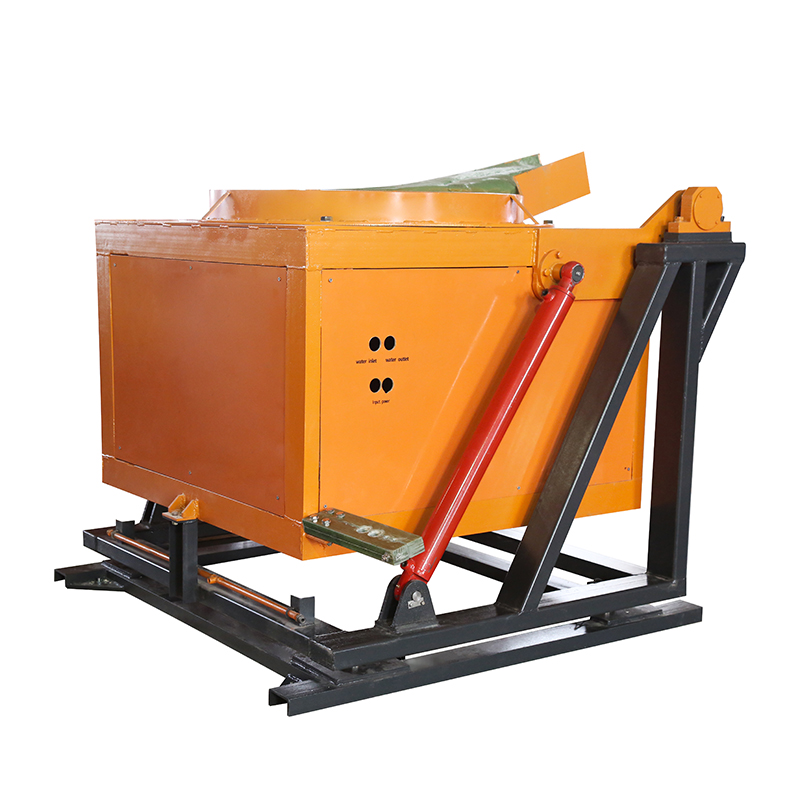
Introduction
Choosing the right melting equipment is one of the most impactful decisions for any foundry, metal recycling plant, or precision casting workshop in 2026. Among all mainstream metal melting solutions, induction furnaces have become a top choice for medium and small-scale metal production thanks to their modern, efficient, and eco-friendly operating characteristics. However, no melting technology is one-size-fits-all, and induction melting systems come with notable drawbacks that can affect production efficiency, budget planning, and long-term operational costs.
In this complete guide, we break down the core induction furnace advantages and disadvantages with real-world industrial use cases, side-by-side comparisons with traditional furnaces, and clear scenario-based selection advice. This unbiased 2026 comparison helps factory owners, mechanical engineers, and procurement teams determine whether an induction furnace is the optimal investment for their production line. For a deeper understanding of its working mechanism, read our detailed guide: How Does an Induction Furnace Work? A Complete Guide.
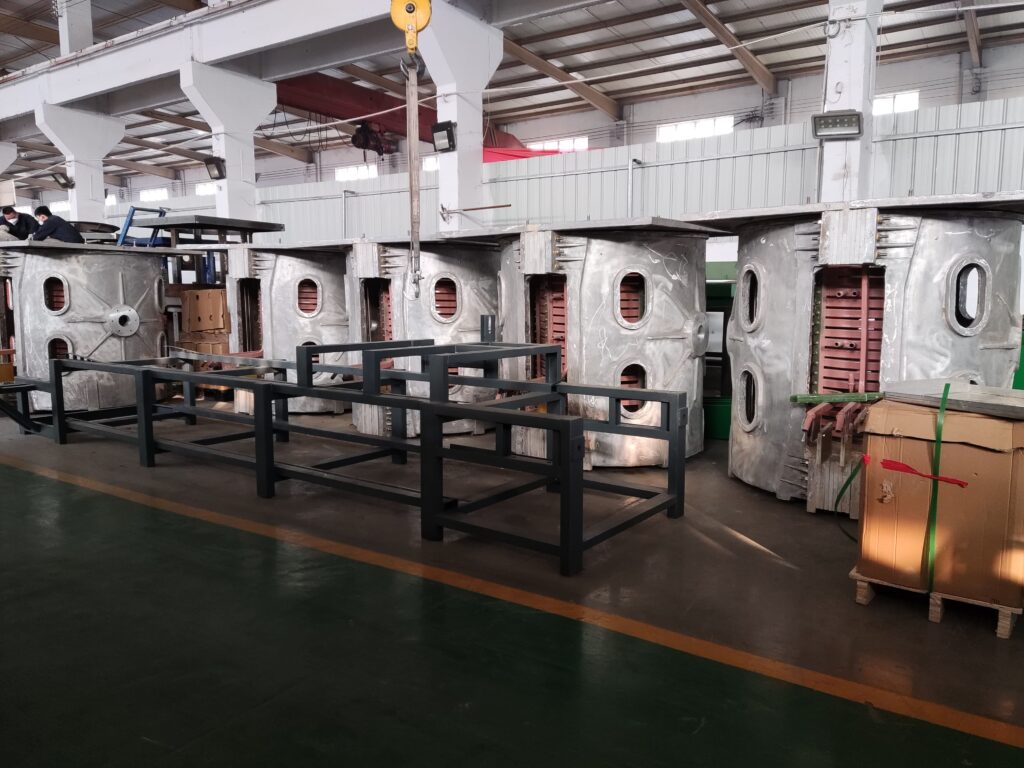
Brief Overview: What Is an Induction Furnace?
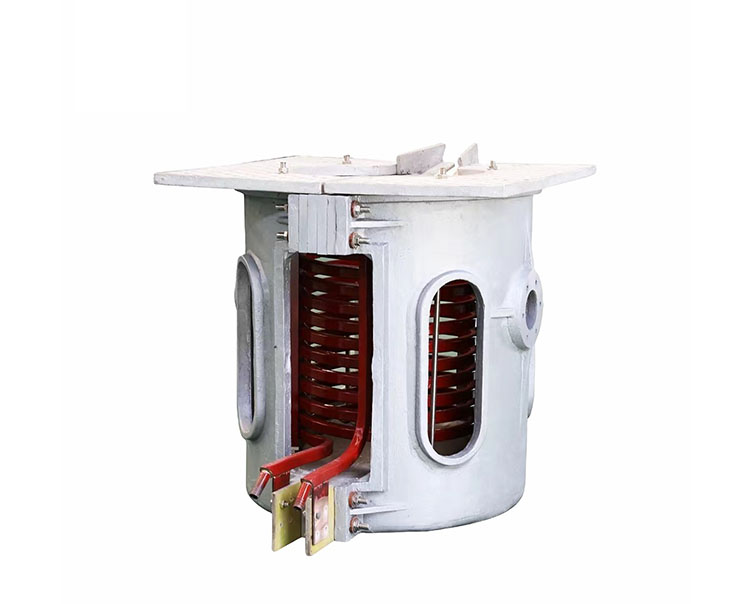
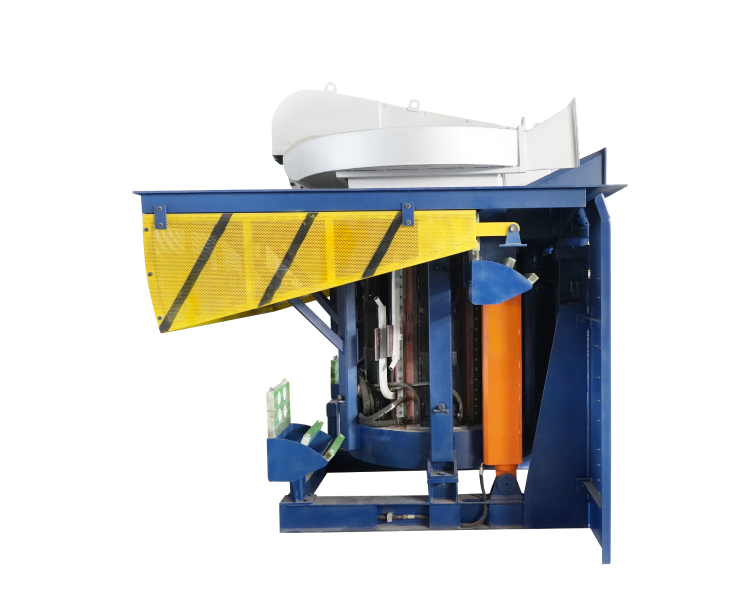
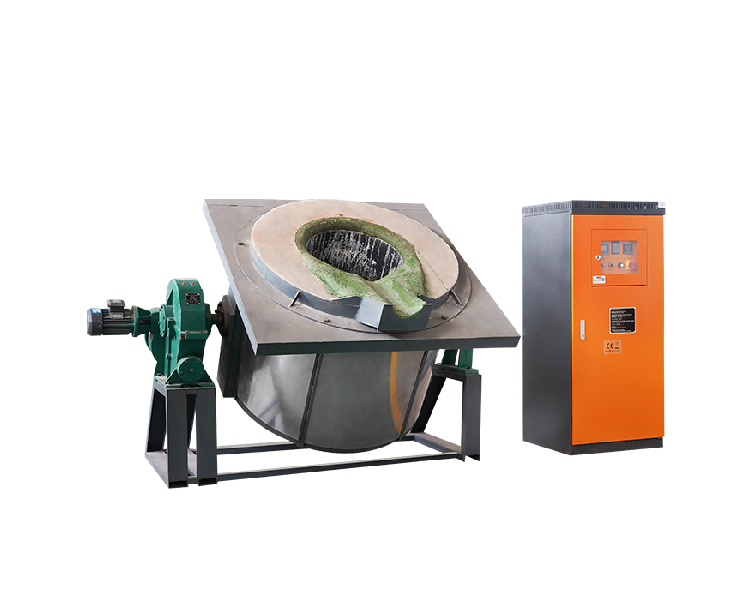
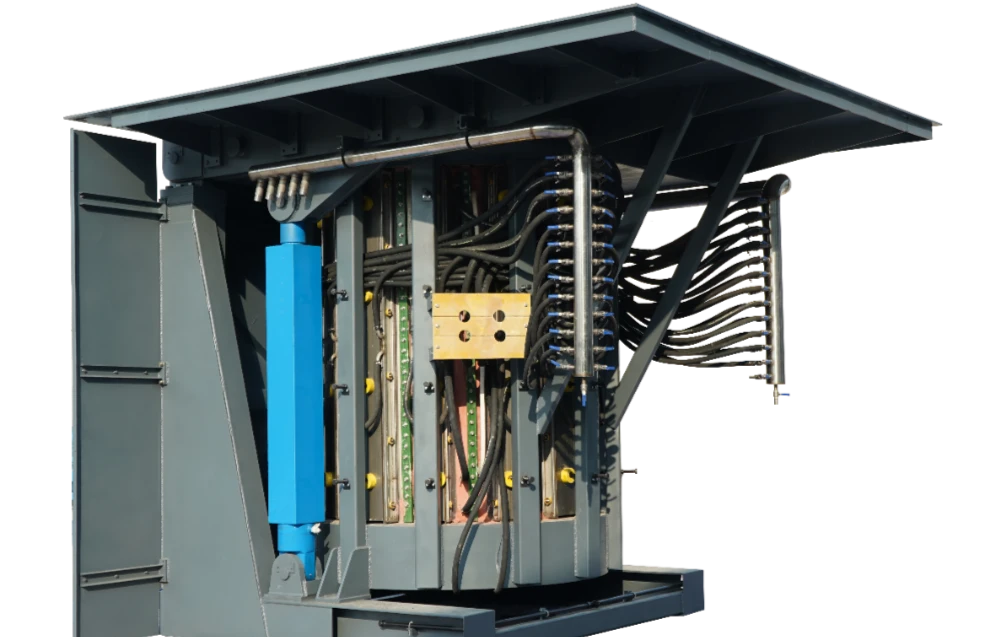
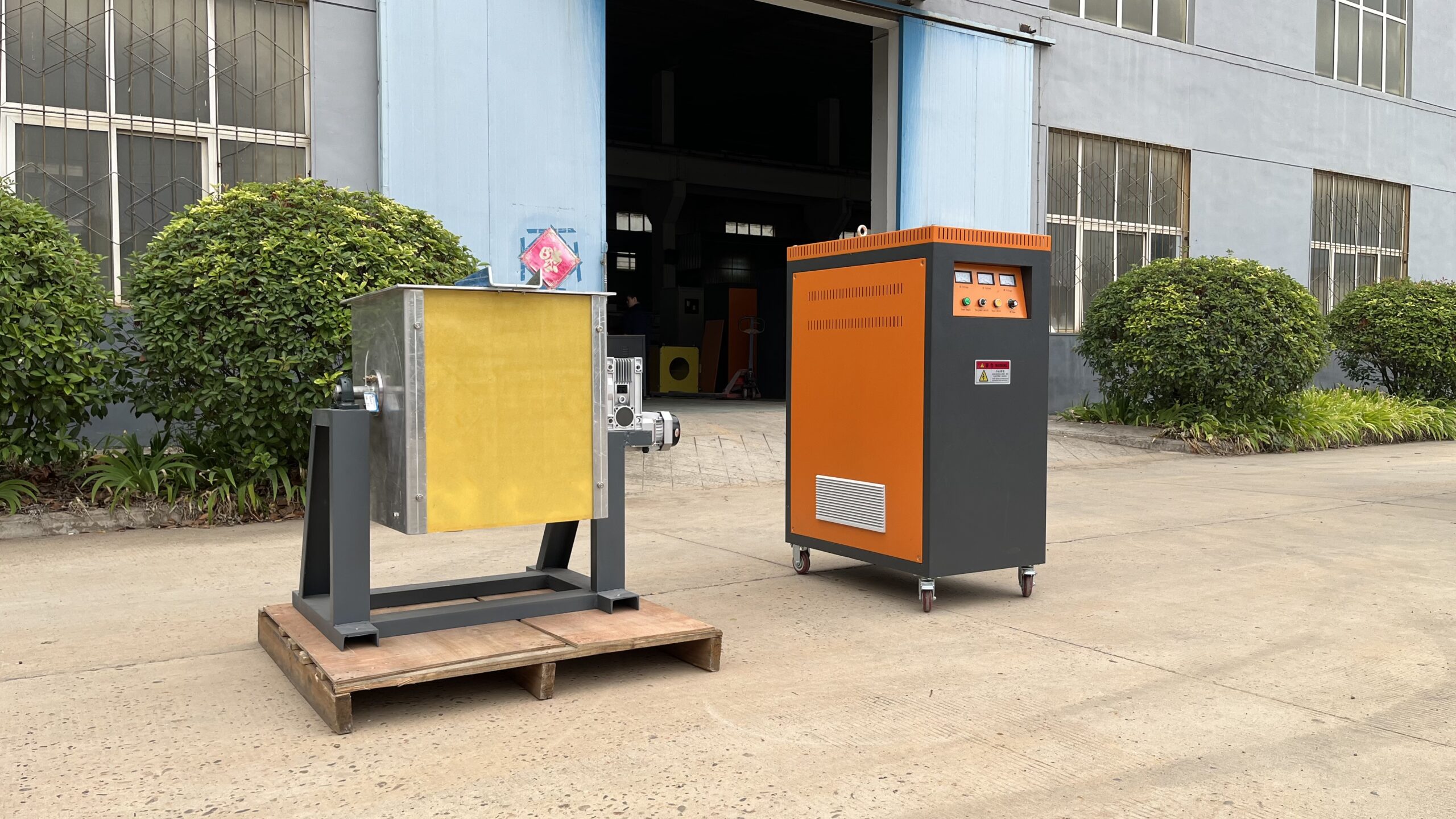
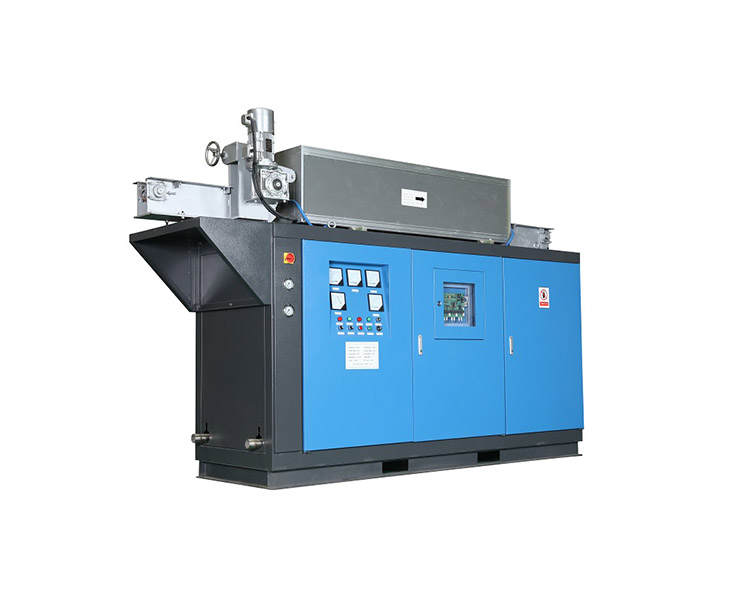
An induction furnace is an electric melting device that uses electromagnetic induction to generate eddy currents inside conductive metal materials, producing internal heat for melting without open flames or fuel combustion. The two primary types are core-type and coreless induction furnaces, with coreless models dominating modern industrial applications for scrap metal melting, alloy casting, and metal recycling.
Unlike gas-fired furnaces or cupola furnaces that rely on external heat sources, induction furnaces heat the metal charge directly, delivering higher energy utilization and more stable melting conditions. This fundamental working principle is the root of its unique strengths and inherent limitations in industrial production.
Key Advantages of Induction Furnaces
Induction melting technology stands out in the foundry industry primarily for its high efficiency, clean operation, and flexible production capabilities. Below are its most valuable advantages for 2026 industrial production scenarios.
1. Superior Energy Efficiency
Induction furnaces feature industry-leading energy efficiency ranging from 55% to 75%, far exceeding traditional fuel-based melting equipment. Since heat is generated inside the metal itself rather than transferred from external flames, there is minimal waste heat dissipation and no combustion energy loss. For foundries with long-term continuous production, this advantage drastically reduces per-ton metal melting energy consumption, cutting monthly electricity or fuel operational costs significantly. Compared with cupola furnaces (20%-35% efficiency) and gas furnaces (40%-50% efficiency), it delivers outstanding energy-saving benefits and complies with modern low-carbon production standards.
2. Clean, Eco-Friendly Melting Environment
As an electric melting solution, induction furnaces produce no open fire, no harmful combustion fumes, and minimal smoke or dust during operation. There is no carbon emission or sulfur pollution caused by fuel burning, helping factories meet increasingly strict 2026 environmental protection regulations and avoid environmental inspection penalties. Additionally, induction furnaces operate with low mechanical noise, greatly improving the workshop working environment for workers and reducing occupational health risks.
3. Automatic Electromagnetic Stirring for Uniform Quality
A unique built-in feature of induction furnaces is electromagnetic stirring. The alternating magnetic field generates continuous stirring force on the molten metal, enabling even temperature distribution and uniform alloy composition throughout the melting process. This eliminates the need for manual stirring, reduces human error, and effectively avoids quality defects such as uneven hardness and component segregation in castings. For precision alloy casting and high-end metal product manufacturing, this advantage greatly improves finished product qualification rates.
4. Precise Temperature and Power Control
Induction furnaces support stepless adjustment of power and melting temperature with high control accuracy. Operators can flexibly adjust parameters according to different metal materials and casting process requirements, achieving stable and controllable melting conditions. The system is highly compatible with automated production lines, facilitating intelligent production upgrades for modern foundries. This precision is irreplaceable for processing high-grade steel, copper alloys, and customized metal castings.
5. Flexible Production with Fast Cold Start
Unlike traditional furnaces that require preheating and residual molten metal to maintain working status, induction furnaces support direct cold-charge startup. They can start and stop production at any time without long preheating cycles, making them ideal for intermittent production and small-batch, multi-variable order processing. Factories can freely switch between different metal and alloy types without cross-contamination, greatly improving production flexibility and adapting to diversified market order demands in 2026.
6. Low Metal Oxidation Loss & High Yield
Without direct flame contact with molten metal, induction melting effectively reduces metal oxidation and burning loss during the melting process. The metal yield rate is 3%-8% higher than that of gas and cupola furnaces, which is particularly critical for metal recycling plants and precious metal processing factories. Higher yield directly translates to higher production profits and lower raw material waste.
7. Compact Installation Footprint
Induction furnace equipment features an integrated and compact structural design, requiring less workshop floor space than traditional melting equipment with the same melting capacity. It does not need complex fuel supply pipelines or large flue gas treatment devices, reducing factory infrastructure investment and site occupation costs.
Main Disadvantages & Limitations of Induction Furnaces
Despite its numerous advantages, the induction furnace has obvious technical and economic limitations that restrict its application in specific production scenarios. Understanding these disadvantages is critical for avoiding investment mistakes in 2026 equipment procurement.
1. High Initial Capital Investment
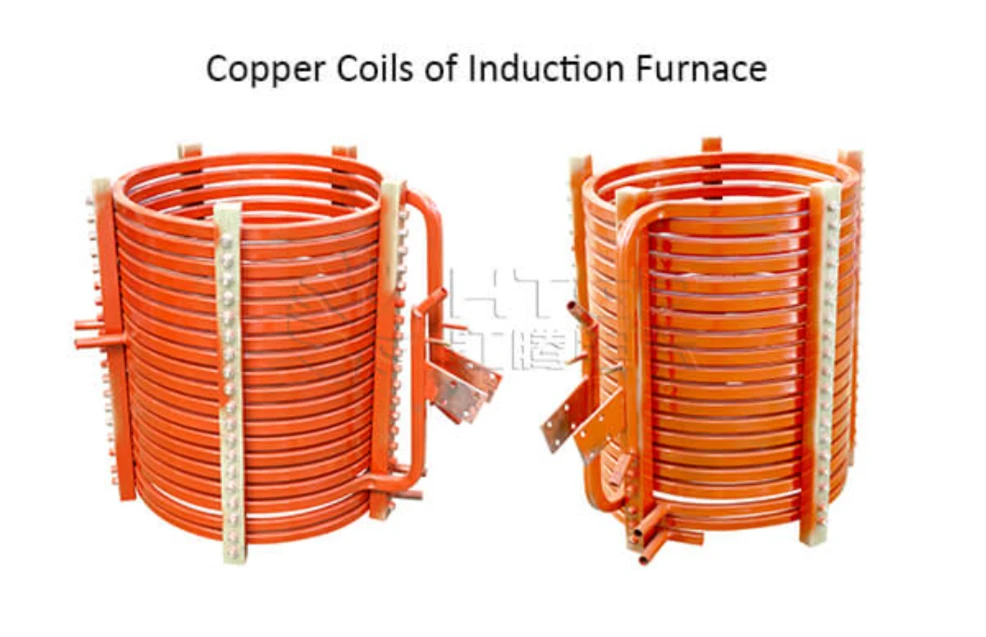
The biggest shortcoming of induction furnaces is their high upfront procurement cost. The medium-frequency power supply, water-cooled copper coil, intelligent control system, and professional cooling equipment lead to a much higher initial investment than cupola furnaces and ordinary gas-fired furnaces. For small workshops with limited startup funds or low-budget temporary production projects, the high capital threshold becomes a major obstacle to adoption.
2. Only Melts Electrically Conductive Metals
Restricted by the electromagnetic induction working principle, induction furnaces can only heat and melt electrically conductive metal materials, including steel, cast iron, aluminum, copper, brass, and precious metals. They cannot melt non-conductive materials such as ceramics, glass, and most slags. This material limitation makes it unsuitable for multi-functional smelting workshops that need to process non-metallic raw materials.
3. Weak Metallurgical Refining Capability
An important drawback often overlooked by buyers is that induction furnaces are professional melting equipment, not refining equipment. They excel at fast and uniform melting but have almost no ability to remove impurities such as sulfur and phosphorus from molten metal. If the raw scrap material contains excessive impurities, the finished molten metal will fail to meet high-purity casting standards. Factories using low-quality scrap need to configure additional refining processes or pre-purify raw materials, increasing auxiliary production costs.
4. Fast Refractory Lining Wear and High Maintenance Costs
The strong electromagnetic stirring force continuously scours the furnace crucible lining during operation, accelerating the wear and aging of refractory materials. Regular inspection and replacement of refractory linings are required, leading to recurring maintenance costs and temporary production downtime. Compared with traditional furnaces with stable static melting, induction furnaces have higher long-term operational maintenance expenses.
5. Strict Requirements for Stable Power Grids
Medium and large-tonnage induction furnaces generate large peak power loads during operation, requiring a stable industrial power grid and sufficient transformer capacity. Voltage fluctuations, unstable power supply, or insufficient grid load will directly affect melting efficiency, cause equipment failures, and even shorten the service life of the power supply system. Factories in areas with unstable power supply need to invest in additional voltage stabilization equipment, further increasing overall costs.
6. Professional Operation and Maintenance Skills Required
Induction furnaces adopt sophisticated medium-frequency inverter power electronics and intelligent control systems, which are far more technically complex than traditional fuel furnaces. Daily operation, fault diagnosis, and equipment maintenance require professionally trained technicians. Ordinary workers cannot independently complete equipment debugging and repair, increasing the factory’s labor training costs and technical threshold.
Induction Furnace vs Gas/Cupola Furnace: Full Comparison Table
This 2026 comprehensive comparison table intuitively shows the performance differences between induction furnaces and two mainstream traditional melting furnaces, helping you quickly complete equipment selection.
| Comparison Item | Induction Furnace | Gas-Fired Furnace | Cupola Furnace |
|---|---|---|---|
| Energy Efficiency | High (55%-75%) | Moderate (40%-50%) | Low (20%-35%) |
| Initial Investment Cost | High | Medium | Low-Medium |
| Melting Metal Purity | Excellent (Low oxidation) | Good | Fair |
| Metallurgical Refining Ability | Weak (No impurity removal) | Limited | Strong |
| Operating Environment | Clean, low noise, zero smoke | Slight smoke & exhaust | Heavy pollution & noise |
| Cold Start Support | Full support | Limited support | Hard to start cold |
| Production Flexibility | High (Multi-alloy switching) | Medium | Low (Suitable for single material) |
| Best Application Scenarios | Precision casting, alloy production, metal recycling | Ordinary metal melting, small-batch production | Large-volume low-grade cast iron production |
Best Use Cases for Induction Furnaces
Based on the above pros and cons, induction furnaces are the most cost-effective choice for the following 2026 industrial production scenarios:
- High-precision alloy casting: Factories requiring uniform metal composition and high finished product quality, such as automotive parts, mechanical accessories, and hardware casting.
- Metal recycling production: Steel, copper, and aluminum scrap recycling plants that need low oxidation loss and high metal yield to maximize profits.
- Eco-friendly standard workshops: Enterprises in regions with strict environmental protection policies that need zero smoke, low-emission melting equipment.
- Multi-variable batch production: Factories with frequent order changes and the need to switch between different metal and alloy types.
- Intelligent production lines: Modern automated foundries requiring precise temperature control and easy equipment linkage.
When to Avoid an Induction Furnace
Induction furnaces are not suitable for the following scenarios, where choosing traditional furnaces will bring lower costs and better production effects:
- Low-budget small workshops: Start-up factories with limited capital and unable to bear high initial equipment investment.
- Impure raw material processing: Production relying on low-quality scrap with high sulfur and phosphorus content that requires professional refining.
- Non-conductive material processing: Workshops that need to melt ceramics, glass, and other non-metallic materials.
- Unstable power supply areas: Factories without stable industrial power grids and insufficient transformer load capacity.
- Large-volume single low-grade production: Mass production of ordinary cast iron with low quality requirements (cupola furnaces are more cost-effective).
FAQs About Induction Furnace Pros and Cons
1. Can induction furnaces remove sulfur and phosphorus from molten metal?
No. Induction furnaces only complete the metal melting process and have almost no refining function to remove sulfur, phosphorus, and other impurities. If your raw materials have high impurity content, you need to add a separate refining process or use pre-purified clean scrap materials.
2. Is an induction furnace more expensive to operate long-term?
It depends on local energy costs. The upfront investment of induction furnaces is high, but their high energy efficiency reduces per-ton power consumption. In areas with low electricity prices, the comprehensive operating cost is lower than fuel furnaces. In regions with high electricity prices, the overall cost is relatively higher.
3. What types of metals can an induction furnace melt?
It can melt all electrically conductive metals, including cast iron, carbon steel, stainless steel, aluminum, copper, brass, bronze, and various precious metals. Non-conductive materials such as ceramics, glass, and slag cannot be melted directly.
4. Does electromagnetic stirring cause negative impacts on production?
Electromagnetic stirring is beneficial for uniform molten metal quality but will accelerate refractory lining wear. Professional furnace design balances stirring intensity and lining durability to minimize maintenance frequency for regular production.
5. Are induction furnaces environmentally friendly in 2026 industrial standards?
Yes. Zero fuel combustion, no exhaust gas and dust emissions, and low operating noise make induction furnaces fully compliant with the latest global industrial environmental protection and low-carbon standards, avoiding production shutdown risks caused by environmental violations.
Final Conclusion
In 2026’s foundry and metal melting industry, induction furnaces remain a modern, high-efficiency, and eco-friendly melting solution with irreplaceable advantages in precision casting, metal recycling, and flexible batch production. Its high energy efficiency, clean operation, and stable product quality bring long-term value to standardized factories.
However, the high initial capital cost, strict power grid requirements, weak refining capability, and additional maintenance costs are non-negligible limitations. For equipment procurement, factory owners must comprehensively evaluate their production budget, raw material quality, power supply conditions, and product precision requirements to make the most suitable choice.