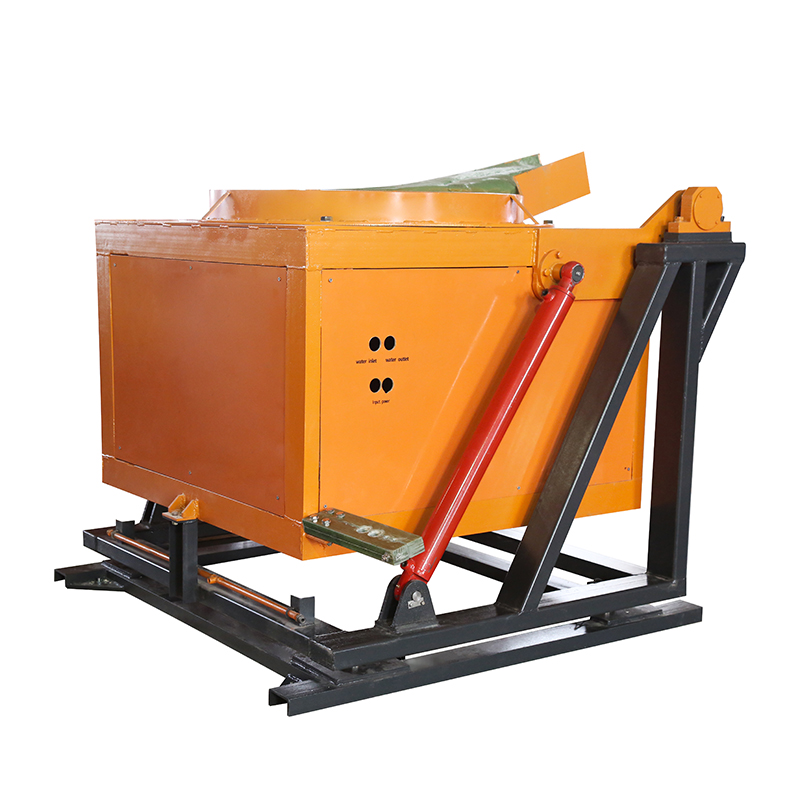
Choosing the right melting equipment is a critical decision for foundries, steel plants, and metal processing companies. The selected furnace directly affects production capacity, energy consumption, operating costs, metal quality, and long-term profitability.
Among various electric melting technologies, Electric Arc Furnace (EAF) and Induction Furnace are two widely used solutions. Both can efficiently melt metals, but they are designed for different production requirements.
An Electric Arc Furnace is mainly used for large-scale steel production and scrap steel recycling, while an Induction Furnace is widely applied in foundries and metal processing plants that require flexible production, precise temperature control, and efficient melting performance.
This article compares Electric Arc Furnace vs Induction Furnace from the aspects of working method, capacity, energy efficiency, applications, advantages, and limitations to help you choose the right melting technology.
What Is an Electric Arc Furnace?
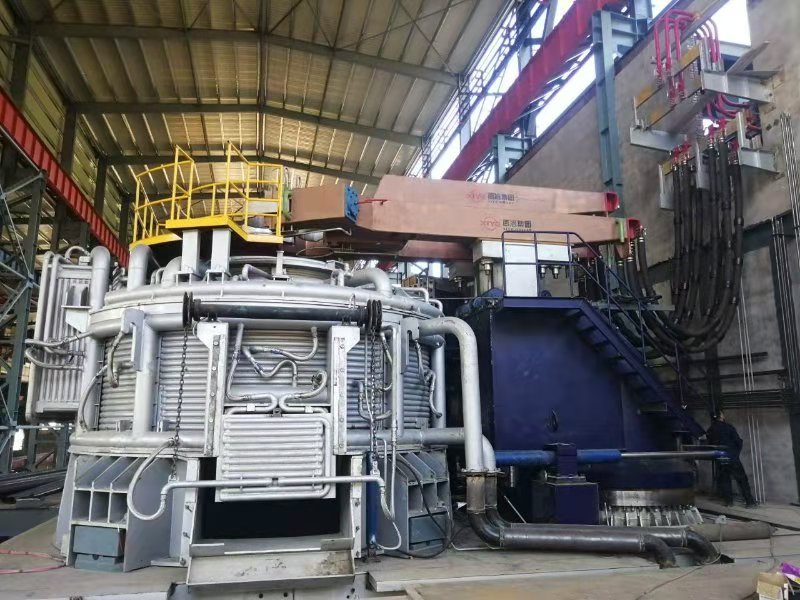
An Electric Arc Furnace (EAF) is an industrial melting furnace that uses an electric arc generated between graphite electrodes and the metal charge to produce extremely high temperatures.
During operation, the electric arc transfers heat directly to the metal material, allowing large quantities of scrap steel or other metallic materials to be melted efficiently.
Due to its high melting capacity, the Electric Arc Furnace is mainly used in:
- Large steel production plants
- Scrap steel recycling facilities
- Integrated steelmaking projects
- High-volume metal production lines
The biggest advantage of an EAF is its ability to handle large batches of steel scrap and produce hundreds of tons of molten steel per heat, making it suitable for large-scale steel manufacturing.
However, EAF systems usually require higher investment costs, larger installation space, and additional environmental protection equipment due to dust and emissions generated during steel melting.
What Is an Induction Furnace?
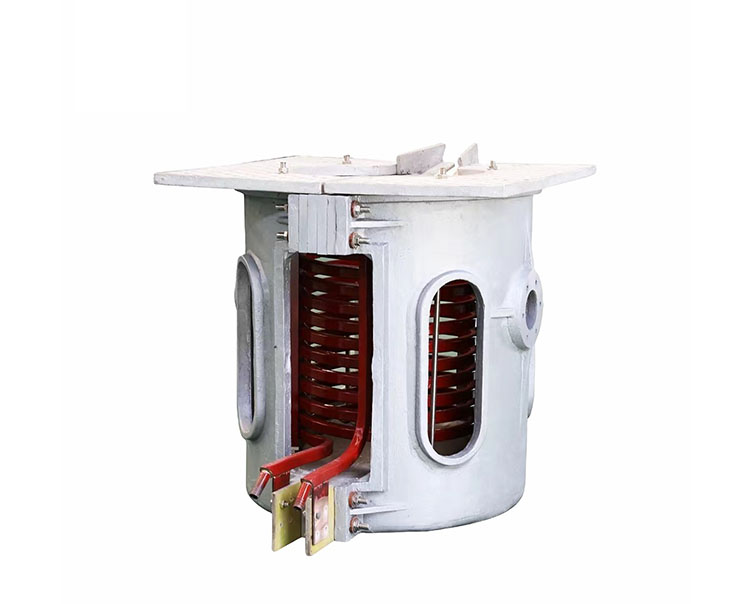
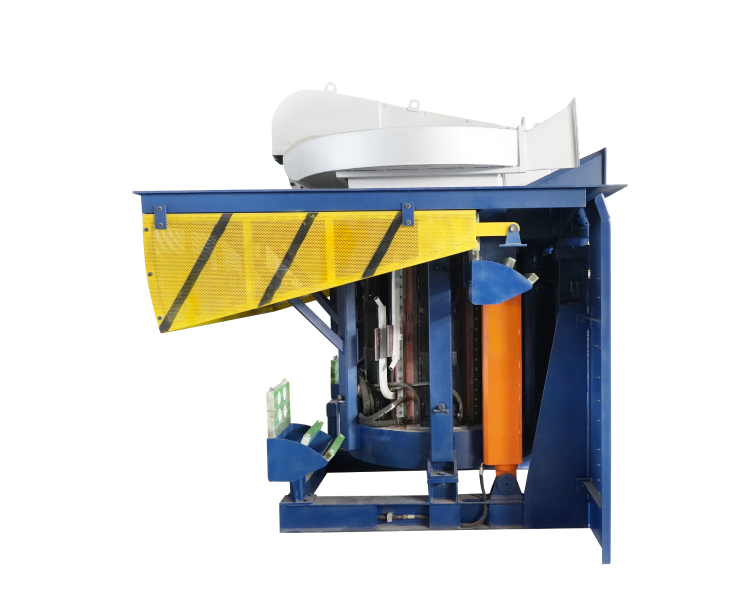
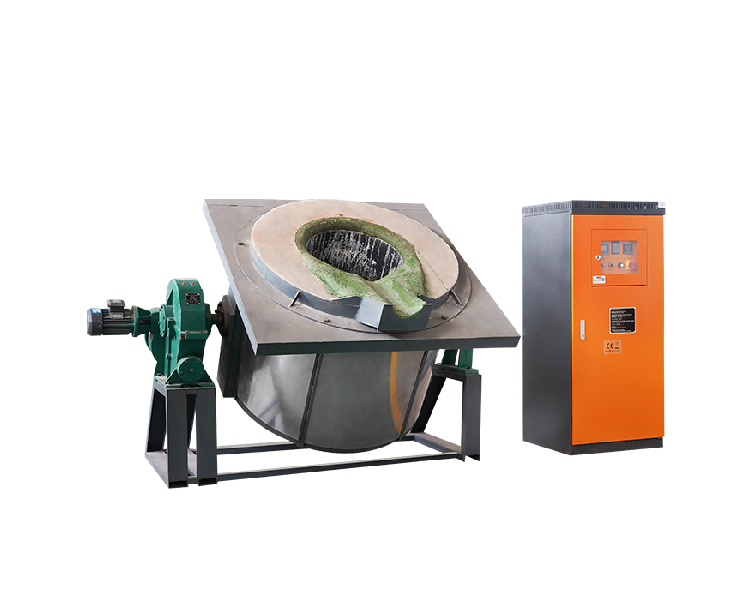
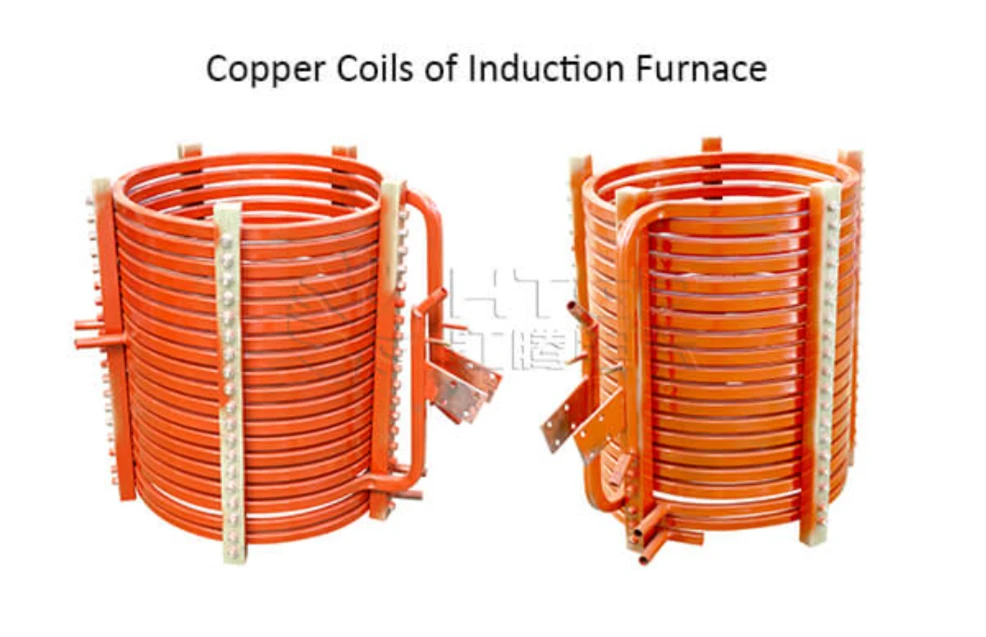
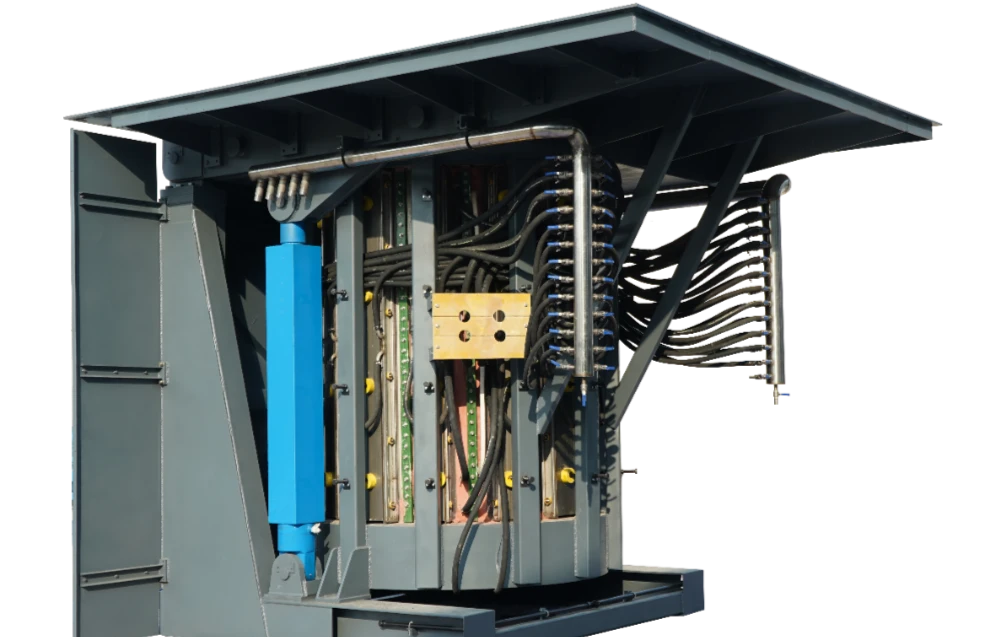
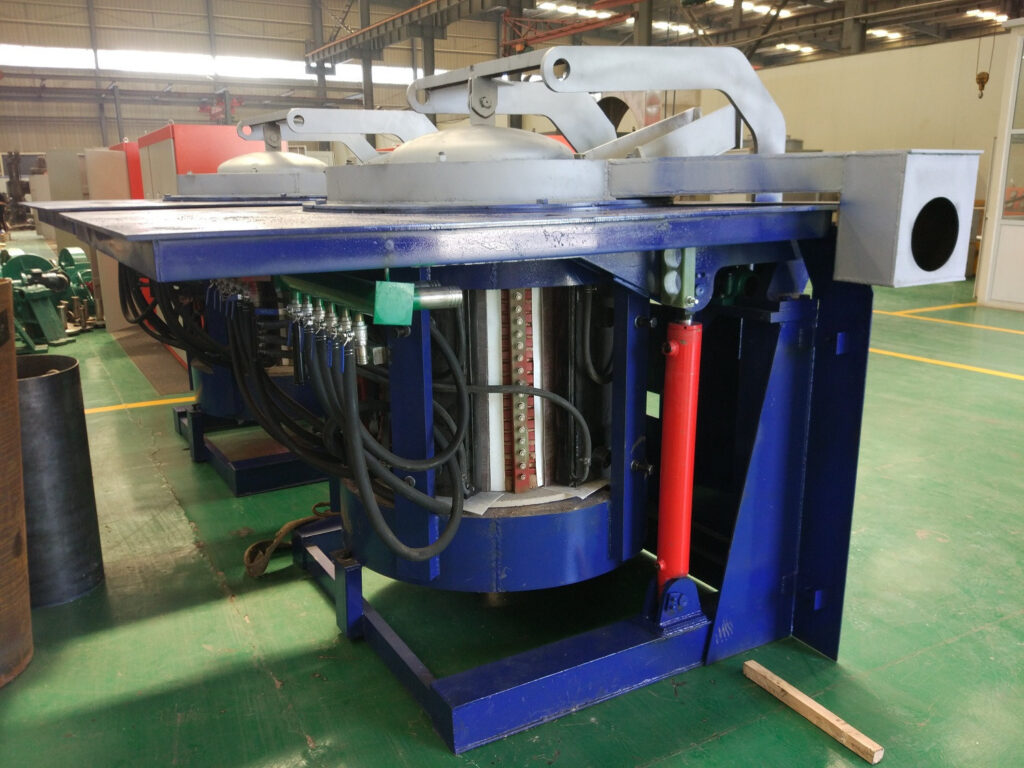
An Induction Furnace is an electric melting furnace that uses electromagnetic induction to generate heat directly inside conductive metals.
The alternating magnetic field created by the induction coil produces eddy currents in the metal charge. These currents generate heat, allowing the metal to melt without direct flame heating or electrodes.
Compared with traditional melting methods, an Induction Furnace offers:
- High melting efficiency
- Precise temperature control
- Low metal contamination risk
- Flexible production capability
- Cleaner operating conditions
Induction Melting Furnace systems are widely used for melting:
- Carbon steel
- Stainless steel
- Cast iron
- Aluminum
- Copper
- Special alloys
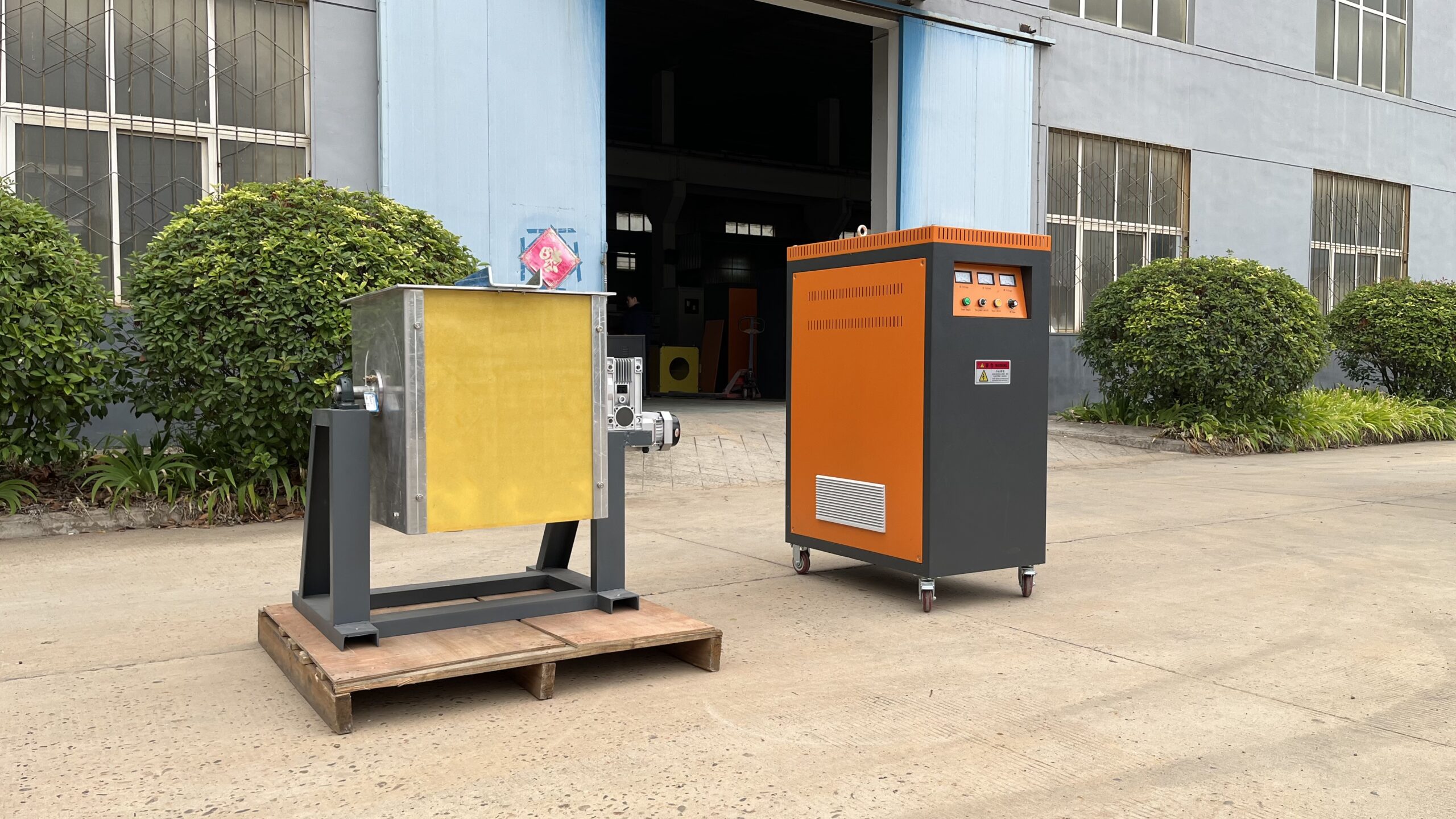
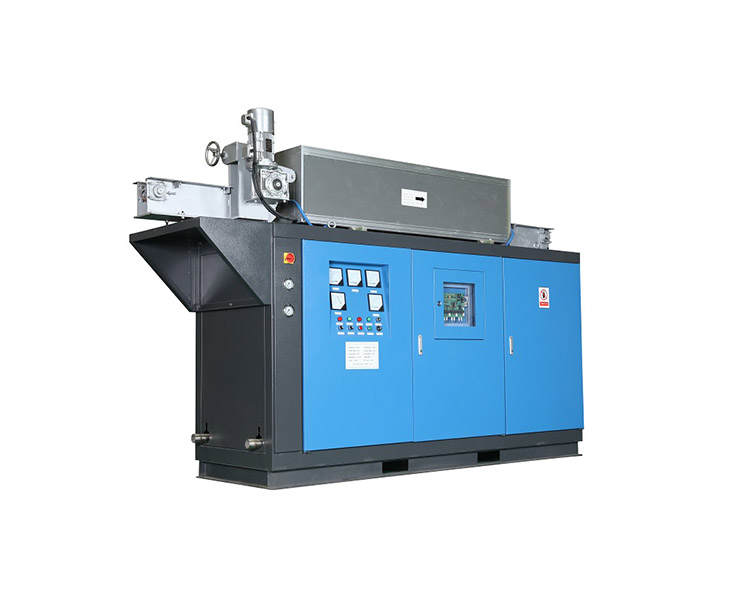
Medium frequency induction furnaces are especially popular in foundries because they provide a good balance between melting speed, energy efficiency, and production flexibility.
Electric Arc Furnace vs Induction Furnace: Key Differences
Although both technologies use electricity as an energy source, Electric Arc Furnace vs Induction Furnace represents two different approaches to metal melting.
| Comparison Factor | Electric Arc Furnace | Induction Furnace |
|---|---|---|
| Heating method | Electric arc heating | Electromagnetic induction heating |
| Main application | Large-scale steel production | Foundries and metal processing |
| Typical production scale | Very large capacity | Small to medium capacity |
| Heat source | Electric arc between electrodes | Eddy current generated inside metal |
| Electrode requirement | Required | Not required |
| Metal types | Mainly steel and iron | Steel, stainless steel, aluminum, copper, alloys |
| Temperature control | Good | Excellent |
| Production flexibility | Lower | Higher |
| Installation investment | Higher | Lower |
| Environmental impact | Requires dust collection systems | Cleaner operation |
Capacity Comparison: Which Furnace Fits Your Production Scale?
Production capacity is one of the most important factors when selecting between an Electric Arc Furnace and Induction Furnace.
Electric Arc Furnace for Large-Scale Steel Production
Electric Arc Furnaces are designed for high-volume operations.
They are suitable for companies that require:
- Continuous steel production
- Large quantities of molten metal
- High scrap processing capability
Large steel plants often choose EAF technology because it can process massive amounts of steel scrap efficiently.
However, this large production capability also means higher requirements for:
- Power supply infrastructure
- Factory space
- Environmental control systems
- Initial investment
Induction Furnace for Flexible Metal Production
An Induction Furnace is generally more suitable for foundries and medium-scale metal producers.
Typical applications include:
- Steel casting plants
- Stainless steel foundries
- Aluminum casting factories
- Copper processing facilities
The main advantages are:
- Easier production adjustment
- Faster alloy switching
- Lower installation requirements
- Better suitability for multiple metal types
For companies producing different alloys or operating flexible production schedules, an induction melting solution is often a more practical choice.
Energy Efficiency Comparison
Energy consumption is a major concern for modern metal producers because electricity costs directly affect production profitability.
Electric Arc Furnace Energy Performance
An Electric Arc Furnace can achieve high energy efficiency when operating at large production volumes.
Its advantages include:
- High-temperature melting capability
- Suitable for bulk steel production
- Efficient scrap melting process
However, EAF operation involves:
- Electrode consumption
- Arc heat losses
- Complex auxiliary systems
Induction Furnace Energy Performance
An Induction Furnace generates heat directly inside the metal, reducing unnecessary heat transfer losses.
Key benefits include:
- High electrical efficiency
- Faster heating response
- Lower heat loss
- Accurate temperature control
For many foundries, energy efficiency and production flexibility make induction melting technology an attractive alternative to traditional melting methods.
Metal Quality: Which Provides Better Control?
Metal quality is another important difference between Electric Arc Furnace and Induction Furnace.
During induction melting, the electromagnetic stirring effect helps improve molten metal mixing and chemical composition uniformity.
Advantages include:
- Better alloy control
- More stable melting temperature
- Reduced contamination risk
- Improved casting consistency
This makes Induction Furnace technology widely used for applications requiring strict quality control, such as:
- Stainless steel casting
- Precision alloy production
- Non-ferrous metal melting
Electric Arc Furnaces are also capable of producing high-quality steel, especially in large-scale steelmaking. However, induction furnaces often provide greater flexibility for smaller production batches and specialty metal applications.
Electric Arc Furnace Advantages and Limitations
Advantages of Electric Arc Furnace
- Suitable for large-scale steel production
- Excellent for scrap steel recycling
- High melting capacity
- Mature steelmaking technology
Limitations of Electric Arc Furnace
- Higher investment cost
- Larger installation requirements
- More complex environmental systems
- Less flexible for small-batch production
Induction Furnace Advantages and Limitations
Advantages of Induction Furnace
- High melting efficiency
- Excellent temperature control
- Cleaner working environment
- Flexible production capacity
- Suitable for multiple metal types
- Lower installation cost compared with large EAF systems
Limitations of Induction Furnace
- Not designed for extremely large steel production volumes
- Requires stable electrical power supply
Electric Arc Furnace vs Induction Furnace: Which One Should You Choose?
The choice between an Electric Arc Furnace and Induction Furnace depends mainly on production scale, metal type, investment budget, and operational requirements.
Choose an Electric Arc Furnace if you:
- Operate a large steel production facility
- Process huge amounts of scrap steel
- Need maximum melting capacity
Choose an Induction Furnace if you:
- Operate a foundry or medium-scale metal plant
- Produce different metal alloys
- Need flexible production
- Require precise temperature control and efficient melting
For most foundries and medium-sized metal processing companies, an Induction Melting Furnace provides an efficient and flexible solution for modern metal production.
MeltingTech Induction Furnace Solutions
As an experienced induction furnace manufacturer, MeltingTech provides Induction Melting Furnace solutions for steel, stainless steel, aluminum, copper, and other metal melting applications.
Our engineering team can help customers select suitable furnace capacity, power configuration, and complete melting solutions based on production requirements.
Whether you need a single melting furnace or a complete metal production solution, contact MeltingTech for professional technical support.