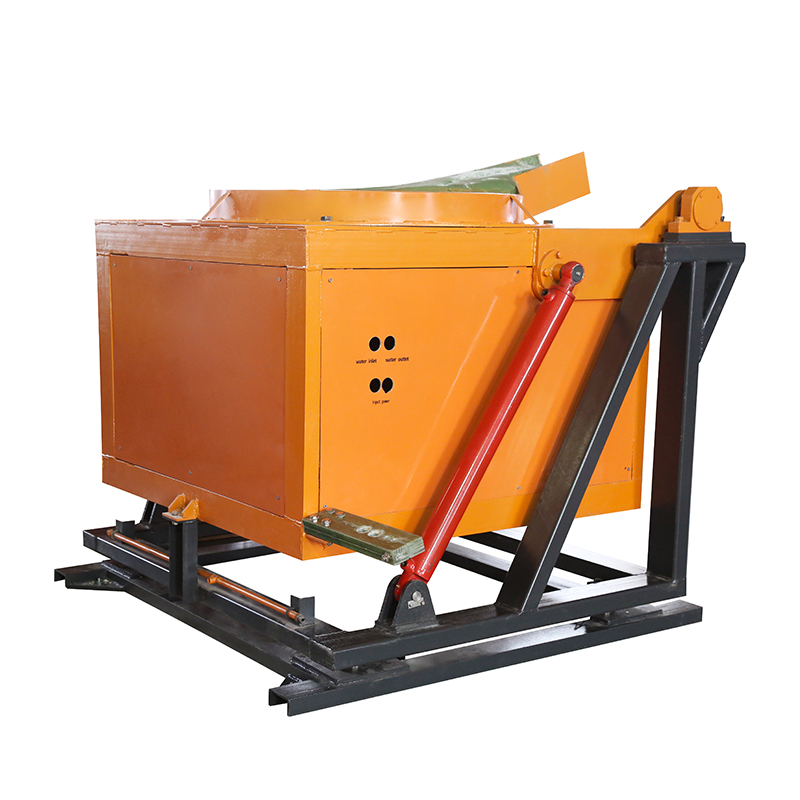
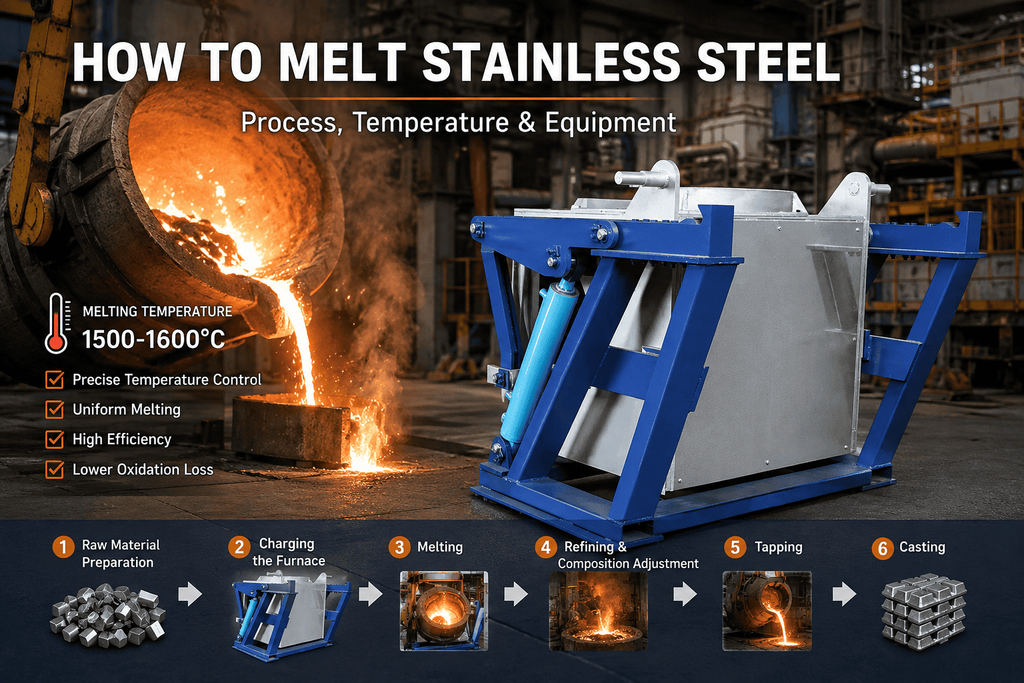
Stainless steel can be melted and reused through controlled industrial melting processes. For small and medium-scale production, a medium-frequency induction furnace is widely used for melting stainless steel scrap because it provides rapid heating, electromagnetic stirring, and good temperature control. Most common stainless steel grades melt within approximately 1375–1530°C, depending on their alloy composition. However, melting stainless steel requires more than simply reaching its melting temperature. Chromium, nickel, molybdenum, and other alloying elements must be controlled to achieve the required grade and minimize oxidation losses. Based on more than 12 years of induction melting equipment manufacturing experience, this guide explains how to melt stainless steel, including melting temperature, process steps, furnace selection, common problems, and key safety considerations.
What Temperature Does Stainless Steel Melt At?
Stainless steel does not have one fixed melting point. Because it is an alloy containing iron, chromium, nickel, and other elements, it melts over a temperature range that varies by grade and composition. For example, 304 stainless steel melts at approximately 1400–1450°C, while 316 melts at about 1375–1400°C.
| Stainless Steel Grade | Typical Composition | Melting Range (°C) | Typical Tapping Temperature* (°C) |
|---|---|---|---|
| 304 | 18Cr-8Ni | 1400–1450 | 1500–1550 |
| 316 | 16–18Cr-10–14Ni-2–3Mo | 1375–1400 | 1480–1530 |
| 430 | ~16–18Cr | 1425–1510 | 1520–1580 |
| 201 | ~16–18Cr-3.5–5.5Ni-Mn | 1400–1450 | 1490–1540 |
*Tapping temperatures are typical operating ranges rather than universal settings. The required temperature depends on the grade, furnace, charge condition, holding time, transfer distance, and casting process.
The key point is that the melting range is not the same as the tapping temperature. A furnace must produce fully liquid steel at a temperature high enough to compensate for heat loss during tapping and casting. Excessive superheating, however, can increase oxidation and alloy losses.
How to Melt Stainless Steel: Step by Step
Industrial stainless steel melting is essentially a controlled sequence of charge preparation, alloy adjustment, melting, refining, temperature control, and casting.
1. Prepare the Raw Materials
Separate stainless steel scrap according to grade whenever possible. Remove oil, moisture, dirt, non-metallic materials, and other contaminants. Scrap must be dry before charging because water contacting molten steel can cause violent reactions.
For mixed scrap, identify the material composition before melting. Mixing 304, 316, 430, or other grades without chemical analysis can make final composition control difficult.
2. Calculate the Charge
Calculate the required proportions of stainless steel scrap, return material, ferroalloys, and pure alloying materials according to the target grade.
Chromium, nickel, molybdenum, manganese, and other elements should be included in the charge calculation. Expected alloy recovery and oxidation losses also need to be considered rather than assuming that 100% of each alloying addition will remain in the final steel.
3. Charge the Furnace
Load the furnace according to the furnace manufacturer’s recommended charging sequence. Dense scrap and suitable return material can normally be charged first, followed by additional materials as the bath develops.
Some easily oxidized alloying additions are better introduced later, depending on the grade and refining practice. The exact addition sequence should therefore be based on the target chemistry and furnace process rather than applying one sequence to every stainless steel grade.
4. Melt the Charge
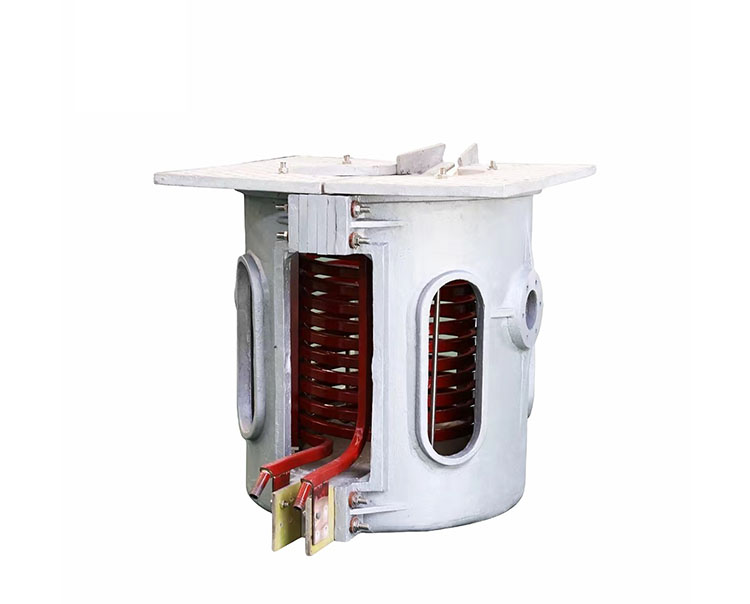
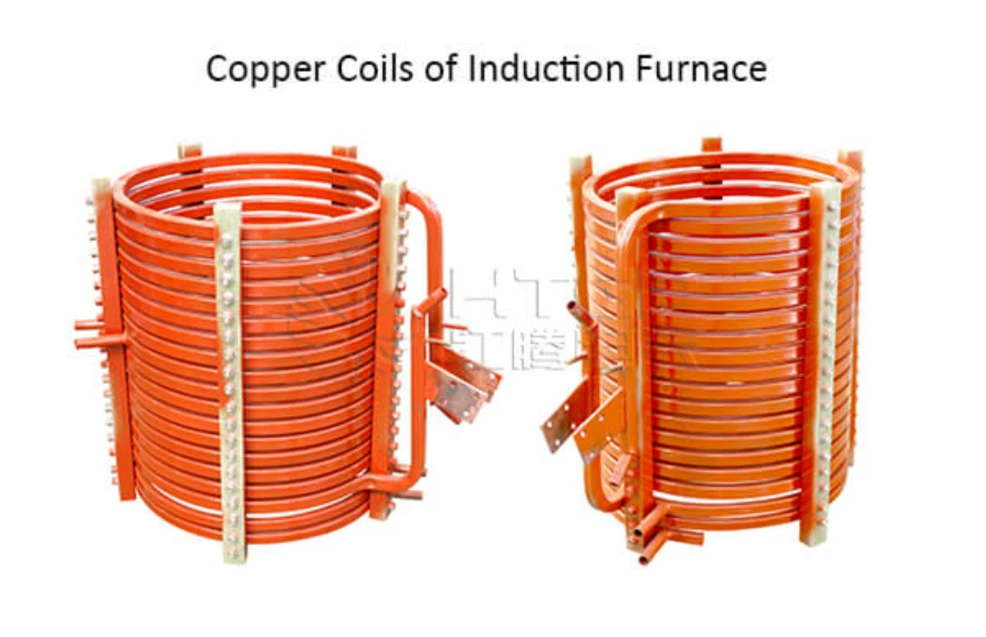
Start the furnace and gradually melt the solid charge. In a medium-frequency induction furnace, electromagnetic induction heats the conductive metal while electromagnetic stirring promotes temperature and chemical uniformity.
The objective is not simply to reach the highest possible temperature. The operator should obtain a completely molten bath while limiting unnecessary superheating and oxidation.
5. Refine and Adjust the Chemistry
After melting, take a representative sample and analyze its chemical composition, commonly using a spectrometer. If chromium, nickel, molybdenum, carbon, or other elements are outside the target range, make controlled alloy additions.
Industrial stainless steel production may also use dedicated refining processes such as AOD (Argon Oxygen Decarburization) or VOD (Vacuum Oxygen Decarburization) when very low carbon levels and precise chemistry are required. These processes are particularly important in large-scale stainless steelmaking.
6. Tap and Cast
When the chemical composition and temperature meet the process requirements, tap the molten stainless steel into a ladle and transfer it to the casting process.
Depending on production requirements, the molten steel can be poured into molds or sent to continuous casting equipment. Temperature should be checked immediately before tapping because excessive holding can increase heat loss and oxidation.
Equipment for Melting Stainless Steel
The appropriate stainless steel melting furnace depends mainly on production capacity, required chemistry, scrap type, and whether additional refining is required.
1. Medium-Frequency Induction Furnace
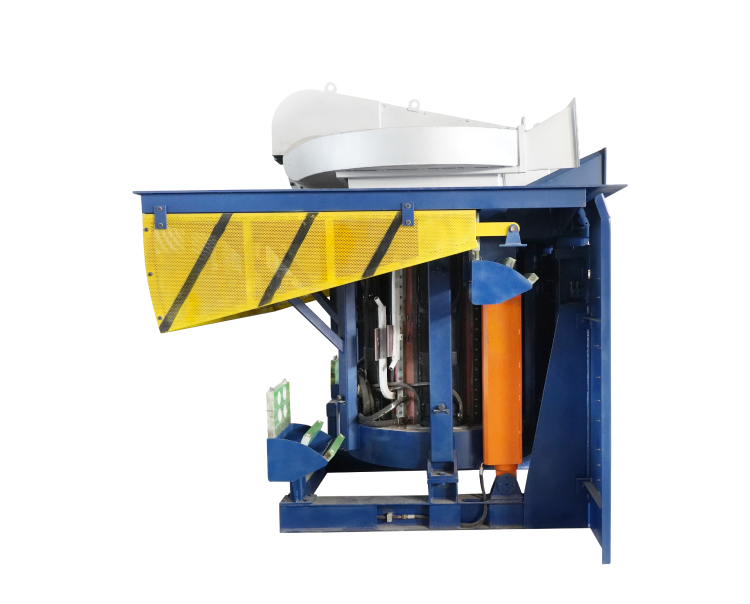
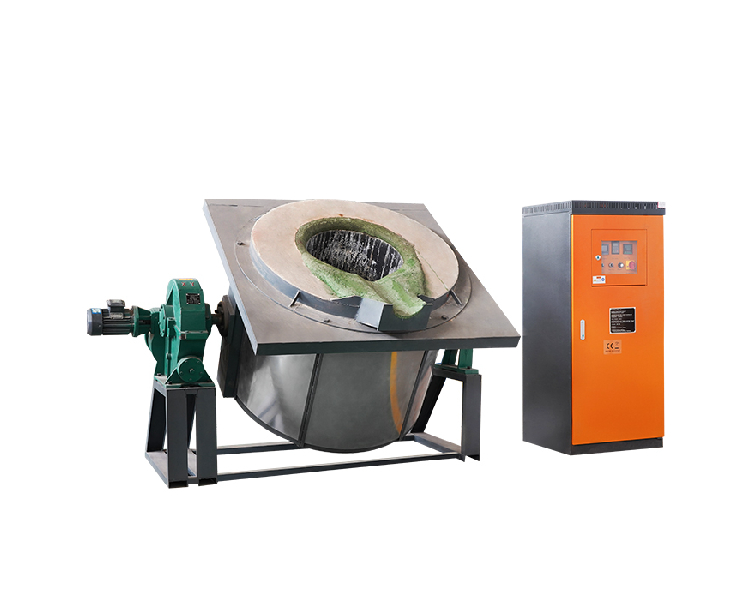
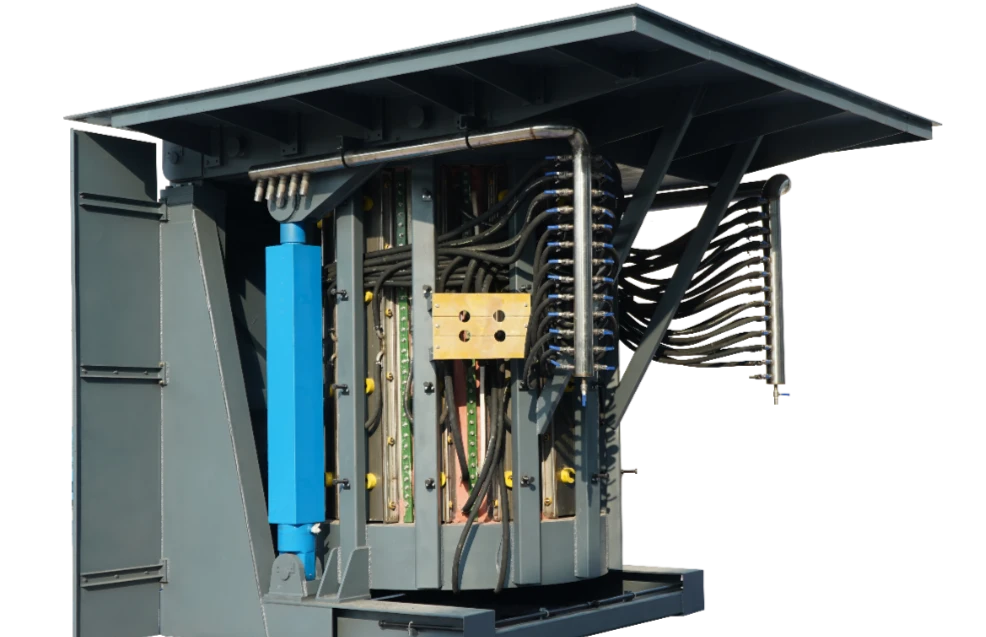
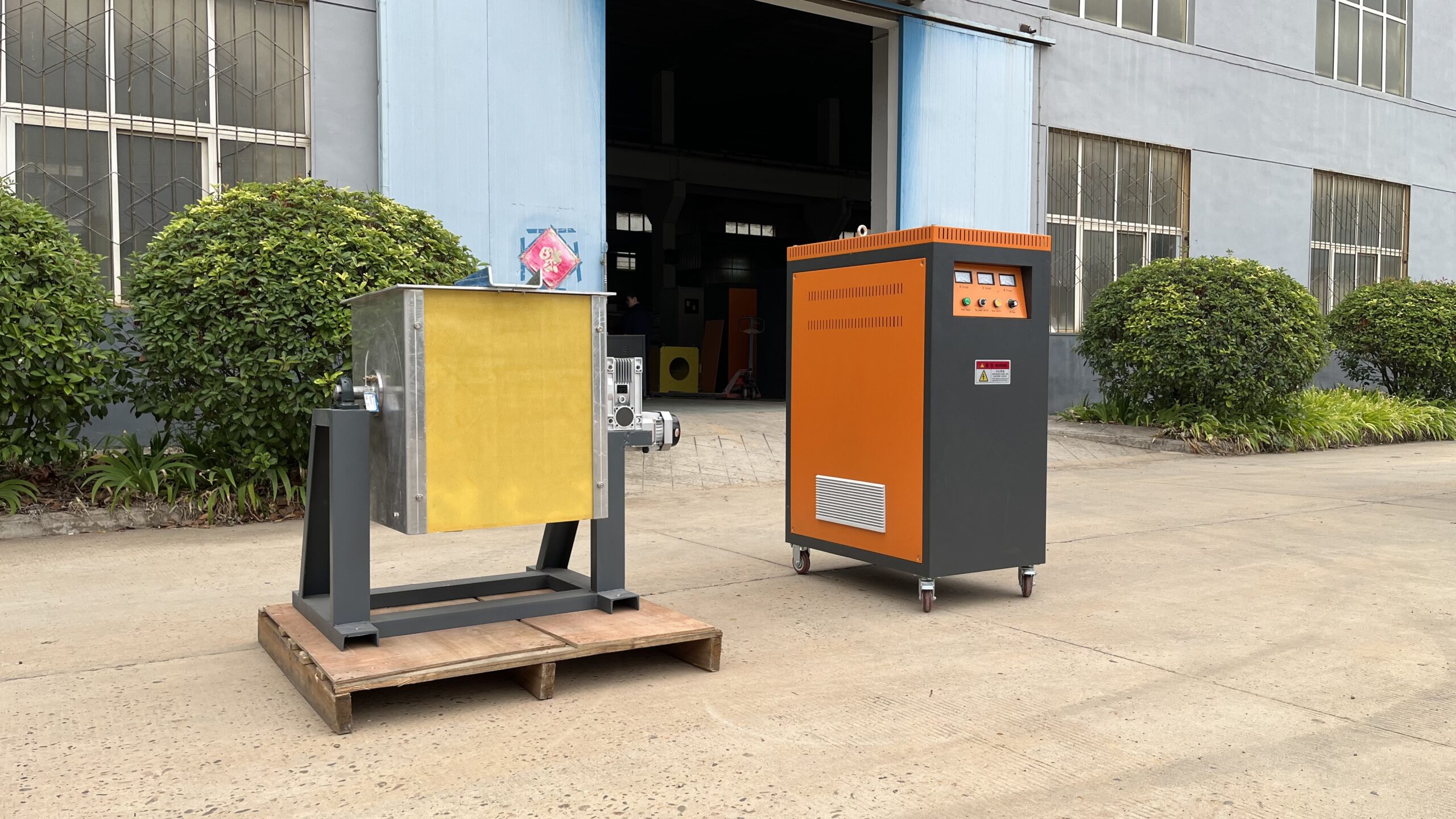
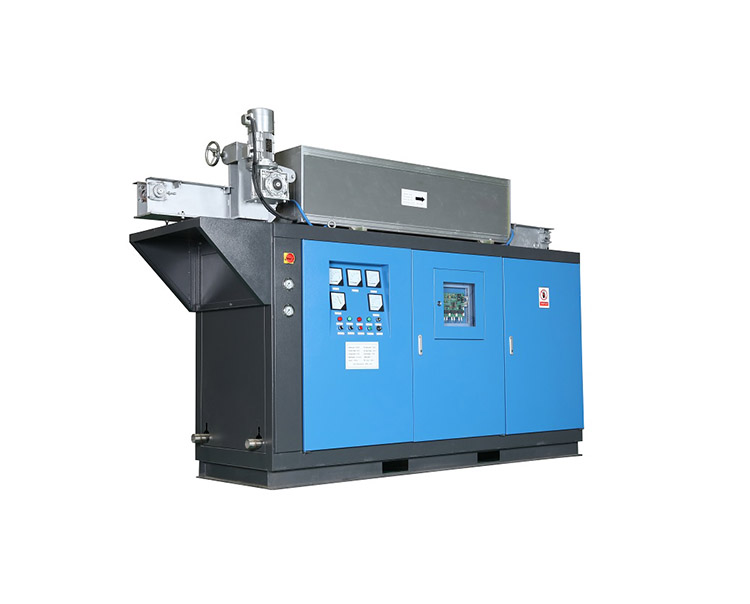
For small and medium-scale stainless steel scrap remelting, a medium-frequency induction furnace is a practical choice. It provides fast heating, electromagnetic stirring, relatively precise temperature control, and good bath homogeneity.
It is particularly suitable for manufacturers processing different stainless steel grades in batches and for operations where flexible production and relatively compact equipment are important.
2. Electric Arc Furnace (EAF)
EAFs are widely used for large-scale steelmaking. They can process substantial quantities of scrap and are commonly integrated into stainless steel production lines.
In a conventional stainless steelmaking route, stainless scrap and other raw materials are melted in an electric furnace and then transferred to refining equipment.
3. AOD/VOD Refining Furnace
AOD and VOD are refining technologies rather than simple melting furnaces. They are used when tighter control of carbon, chromium, nitrogen, and other elements is required.
For example, AOD reduces carbon while helping retain chromium, making it an important part of many high-volume stainless steel production routes.
Selection guide: For small and medium manufacturers mainly remelting stainless steel scrap, a medium-frequency induction furnace is often a practical solution. Large stainless steel producers generally use an EAF + AOD/VOD + secondary metallurgy configuration.
Key Points for Stainless Steel Melting
Several process details have a direct effect on final stainless steel quality.
- Control temperature: Avoid unnecessary superheating. Operating substantially above the required liquid temperature can increase oxidation, refractory wear, and alloy losses.
- Control alloy additions: Alloy additions should follow the target grade and expected recovery. Elements such as titanium and aluminum may require carefully controlled addition timing because of their strong affinity for oxygen.
- Control gas and inclusions: Clean, dry charge materials and appropriate refining practice help reduce gas-related defects and non-metallic inclusions. The required degassing method depends on the grade and final product specification.
- Manage slag: Proper slag practice helps separate non-metallic inclusions and can reduce exposure of molten steel to oxidation. Slag composition and treatment should be selected according to the specific stainless steel grade and melting route.
Common Problems and Solutions
1. Chemical Composition Is Out of Specification
Cause: Incorrect charge calculation, mixed scrap, or alloy oxidation losses.
Solution: Separate scrap by grade, calculate alloy additions accurately, and use chemical analysis before final adjustment.
2. Gas Porosity or Excessive Inclusions
Cause: Wet or contaminated raw materials, inadequate refining, excessive oxidation, or poor slag management.
Solution: Use clean and completely dry charge materials, maintain appropriate refining practice, and remove slag and inclusions according to the process requirements.
3. Excessive Oxidation Loss
Cause: Excessive temperature, unnecessary holding time, or insufficient control of the molten bath.
Solution: Keep the molten steel within the required temperature range, minimize unnecessary holding, and use appropriate slag or protective practices where required.
The exact cause should always be determined from the actual scrap composition, furnace operation, slag condition, temperature history, and chemical analysis rather than applying one solution to every melting problem.
Safety Considerations
Stainless steel melting involves molten metal above 1500°C and must be treated as a high-risk industrial operation. Operators should wear appropriate heat-resistant protective equipment and follow the furnace manufacturer’s operating procedures.
All charge materials must be completely dry. Water contacting molten metal can cause violent steam expansion and molten-metal splashing.
Induction furnace systems must have reliable grounding, electrical protection, and normal cooling-water circulation. During tapping and casting, unauthorized personnel should remain outside the designated hazardous area.
Conclusion
Melting stainless steel involves more than heating scrap until it becomes liquid. The complete process is raw material preparation → charge calculation → melting → chemical adjustment → refining → tapping and casting. For small and medium-scale stainless steel scrap remelting, a medium-frequency induction furnace offers a flexible and efficient solution. Choosing the right furnace capacity and process configuration can also reduce alloy losses and improve final composition control.
Frequently Asked Questions
What temperature does stainless steel melt at?
It depends on the grade. 304 stainless steel melts at approximately 1400–1450°C, while 316 melts at about 1375–1400°C. In practical production, tapping temperatures are typically higher to compensate for heat loss during transfer and casting.
Can you melt stainless steel in an induction furnace?
Yes. A medium-frequency induction furnace can melt stainless steel scrap efficiently and provides electromagnetic stirring, which helps achieve uniform temperature and chemical composition. It is particularly suitable for small and medium-scale batch production.
Is it worth melting stainless steel scrap?
Yes, when the scrap is properly sorted and the process is economically matched to the production scale. Stainless steel contains valuable alloying elements such as chromium and nickel, and controlled remelting allows these materials to be recovered into useful steel products. Stainless steel production itself relies heavily on recycled stainless steel scrap as part of the furnace charge.
What is the difference between melting and smelting stainless steel?
Melting means heating existing stainless steel scrap or other metallic feedstock until it becomes liquid for reuse. Smelting generally refers to extracting metal from ore or another raw material through high-temperature chemical reduction. Therefore, recycling stainless steel scrap in an induction furnace is normally described as melting or remelting, not smelting.
Looking for a Reliable Stainless Steel Melting Furnace?
Our engineers can evaluate your scrap type, target stainless steel grade, production capacity, and melting requirements to recommend the appropriate furnace configuration.
Contact our engineer for a FREE process consultation and quote →