Copper is widely used in electrical, plumbing, automotive, electronics, and other industries because of its excellent electrical and thermal conductivity. For manufacturers, efficient copper remelting is important for controlling material costs, production speed, and final metal quality.
Whether you are remelting cathode copper, production returns, or scrap copper, choosing the right copper melting furnace is essential. Copper also requires careful temperature and process control because excessive heating can increase oxidation, while insufficient temperature can affect fluidity and casting quality.
This guide covers copper melting temperature, the complete copper melting process, furnace selection, scrap copper remelting, capacity and power configuration, copper alloy melting, and common problems. It also explains the difference between copper melting and copper smelting. Copper melting means remelting solid copper for casting or alloy production, while copper smelting refers to extracting copper from ore.
What Temperature Does Copper Melt At?
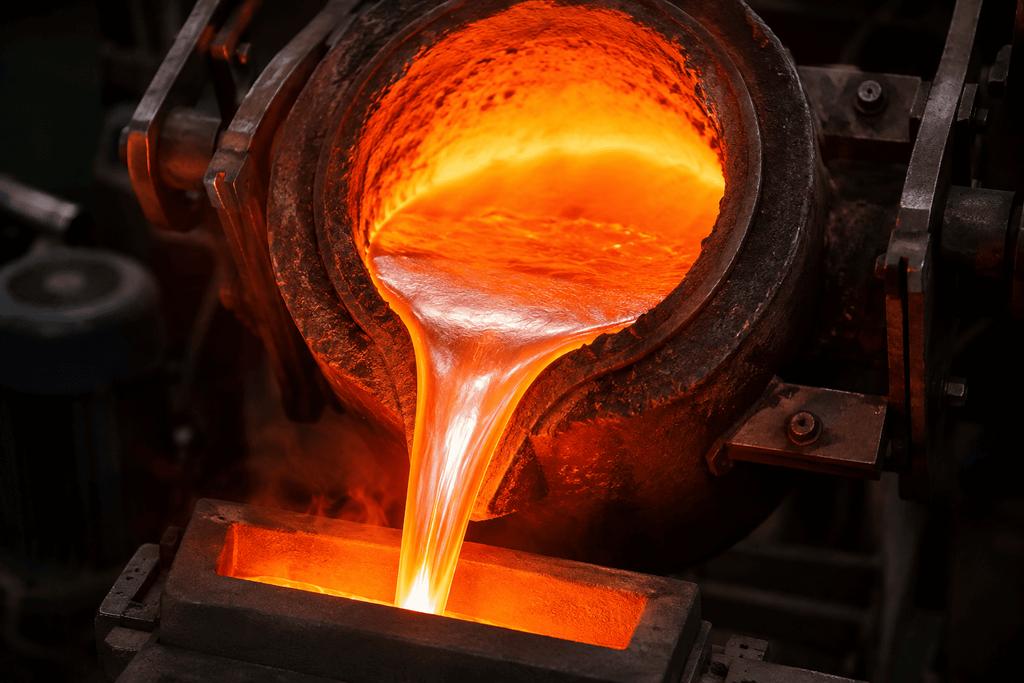
Pure copper melts at 1085°C (1984°F). However, the actual operating temperature in a furnace is normally higher than the melting point because some superheat is required for proper fluidity, alloying, transfer, and casting.
| Material | Approximate Melting Temperature |
|---|---|
| Pure Copper | 1085°C / 1984°F |
| Brass | 900–940°C |
| Bronze | 950–1050°C |
| Copper-Nickel | 1170–1250°C |
In many copper melting applications, the molten metal may be heated approximately 50–150°C above its melting point, depending on the alloy and casting requirements.
Temperature control is critical. Excessive superheat can increase oxidation, metal loss, energy consumption, and refractory wear. If the temperature is too low, the metal may have poor fluidity and insufficient composition uniformity.
For this reason, accurate measurement with thermocouples or infrared temperature sensors is an important part of controlling the copper melting temperature.
Copper Melting Furnace Process: Step by Step
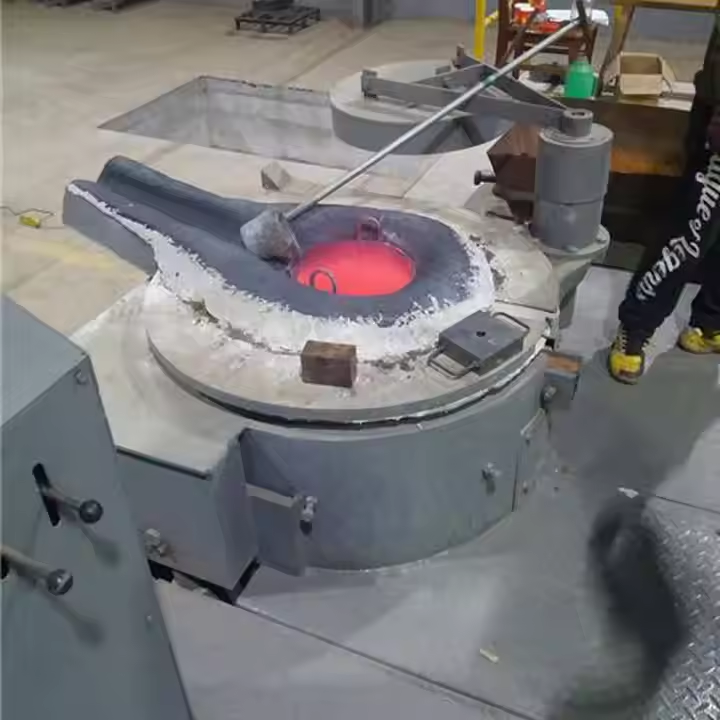
The copper melting furnace process normally includes six basic stages: charge preparation, preheating, melting, refining, temperature adjustment, and casting.
1. Charge Preparation
Prepare cathode copper, clean scrap, return material, and alloying elements according to the required composition. Remove moisture, oil, coatings, and excessive oxide from the charge before loading.
2. Preheating
The furnace lining and tools must be properly dried and preheated according to the refractory manufacturer’s procedure. Dry charge material also reduces safety risks and helps shorten the melting cycle.
3. Melting
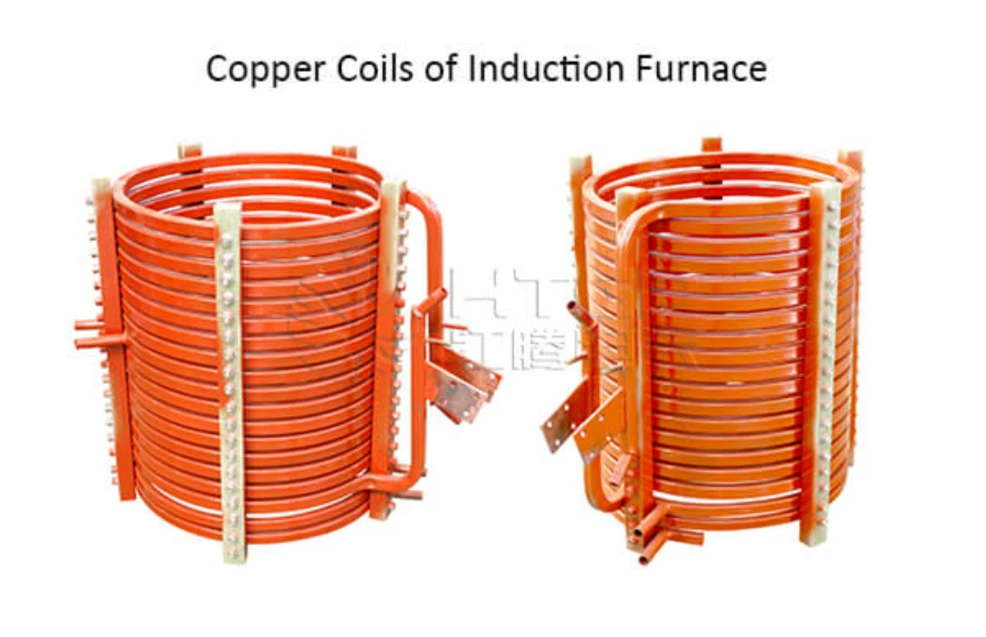
The prepared charge is loaded into the furnace and heated to the required temperature. In an induction furnace, electromagnetic energy generates heat directly in the conductive metal, while electromagnetic stirring helps improve temperature and composition uniformity.
4. Refining and Degassing
After melting, surface slag and oxides are removed. When required, the molten copper can undergo degassing and deoxidation treatment. A sample can also be analyzed so that alloying elements can be adjusted.
5. Temperature Adjustment
The molten metal is brought to the required pouring temperature. Unnecessary high-temperature holding should be avoided because it can increase oxidation and energy consumption.
6. Casting
Finally, the molten copper is transferred to molds, ingot molds, or a continuous casting system. Pouring temperature and casting conditions should be matched to the specific product and alloy.
This controlled sequence is the basis of efficient copper melting process and helps maintain stable metal quality from charging to casting.
What Type of Furnace Is Best for Melting Copper?
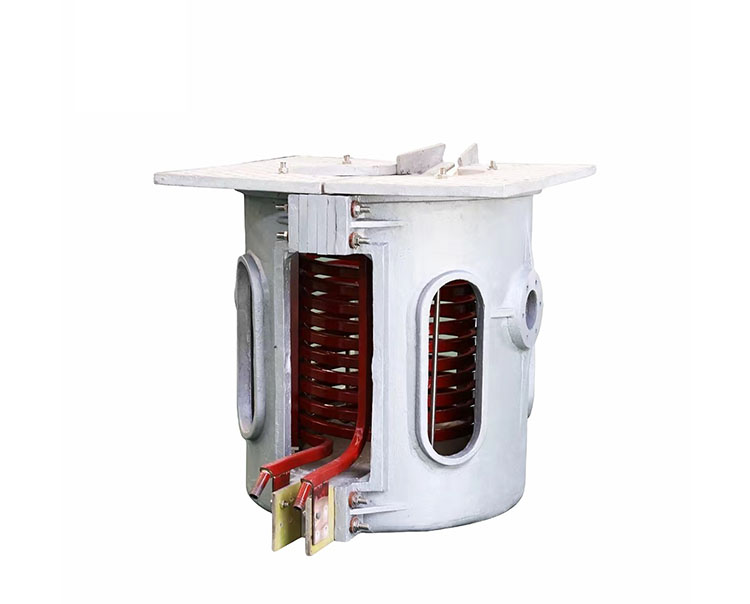
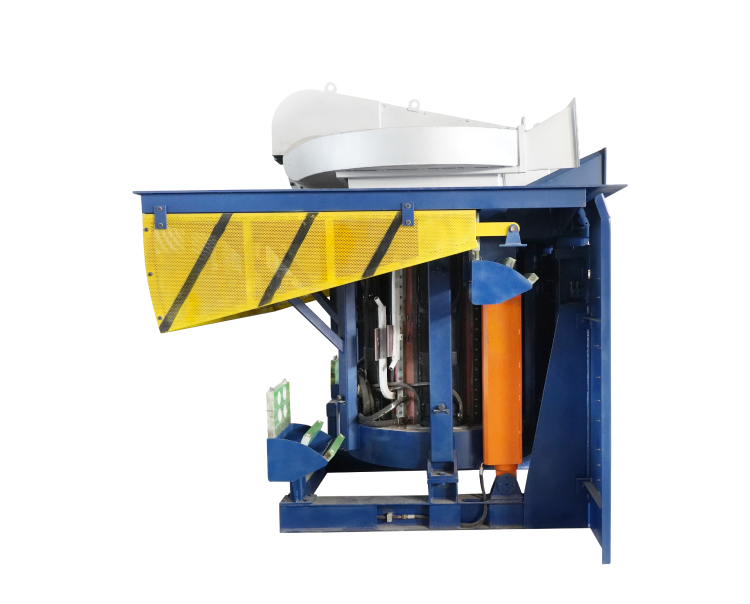
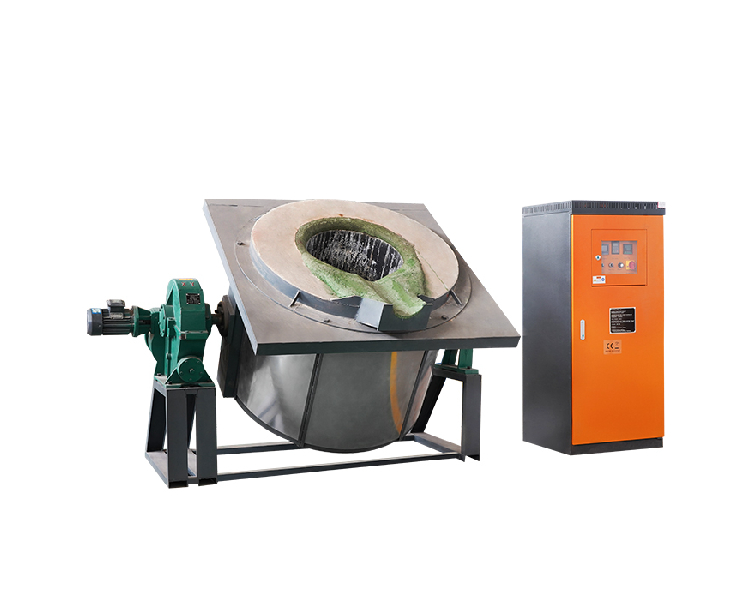
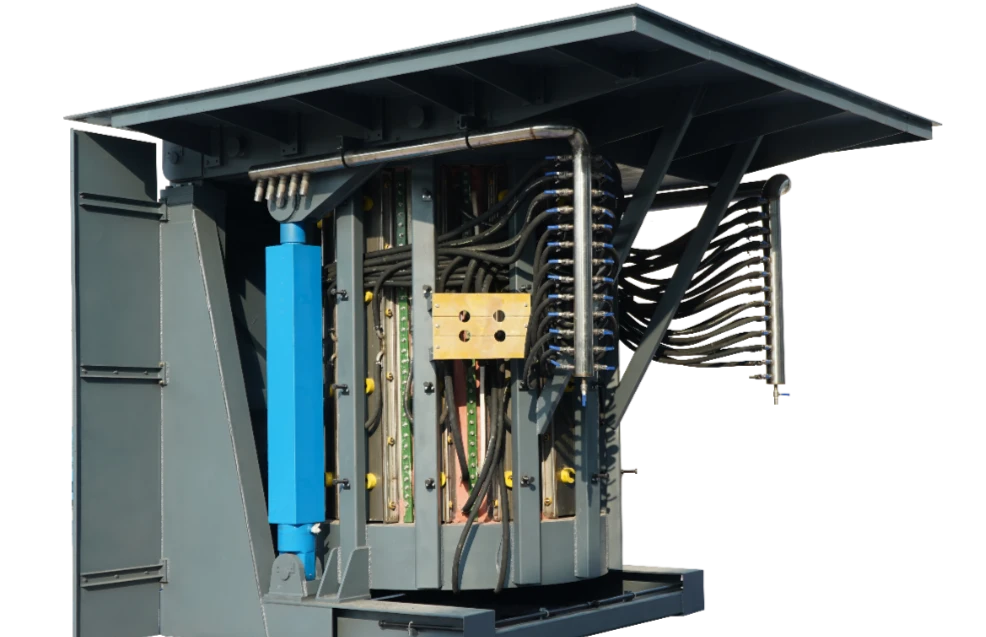
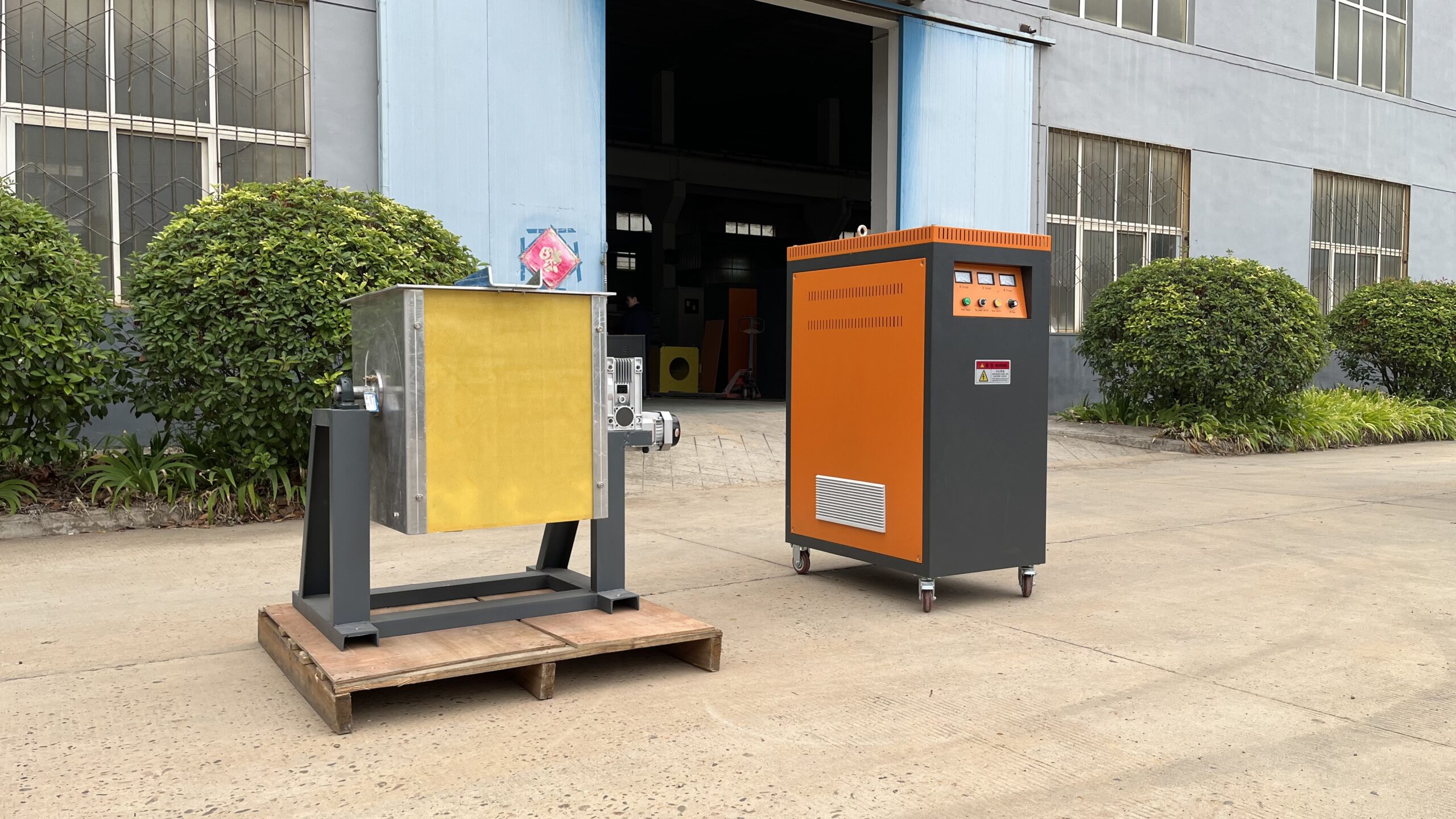
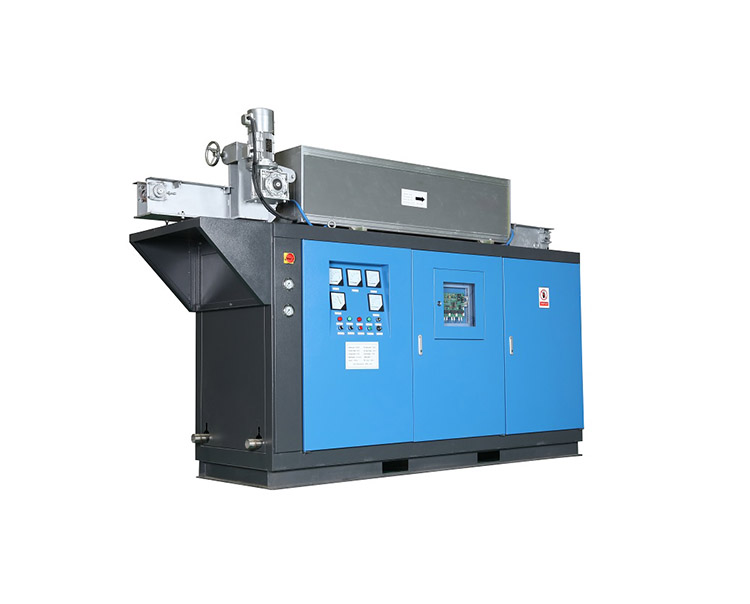
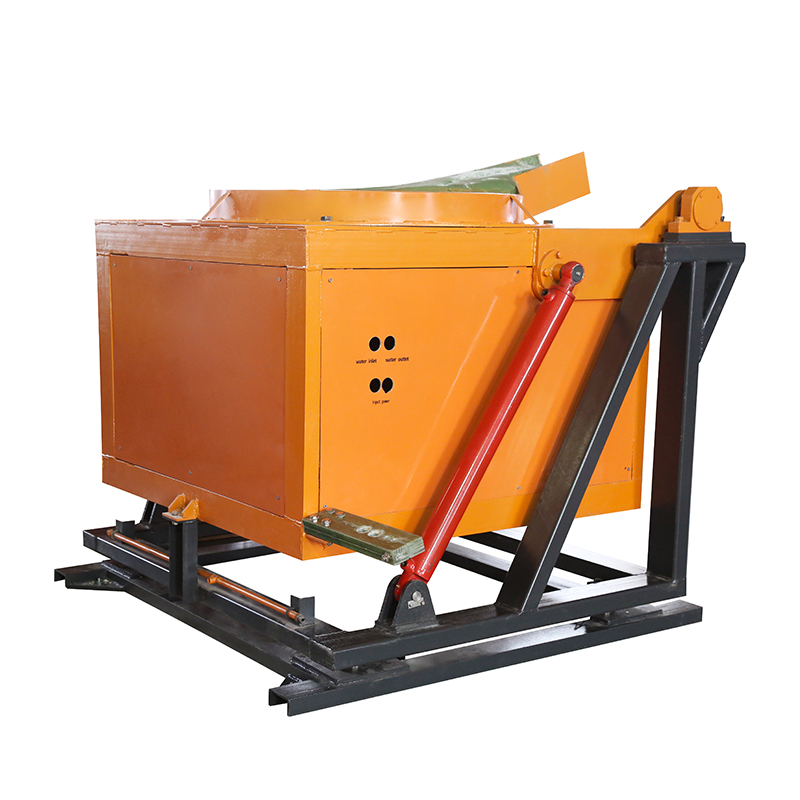
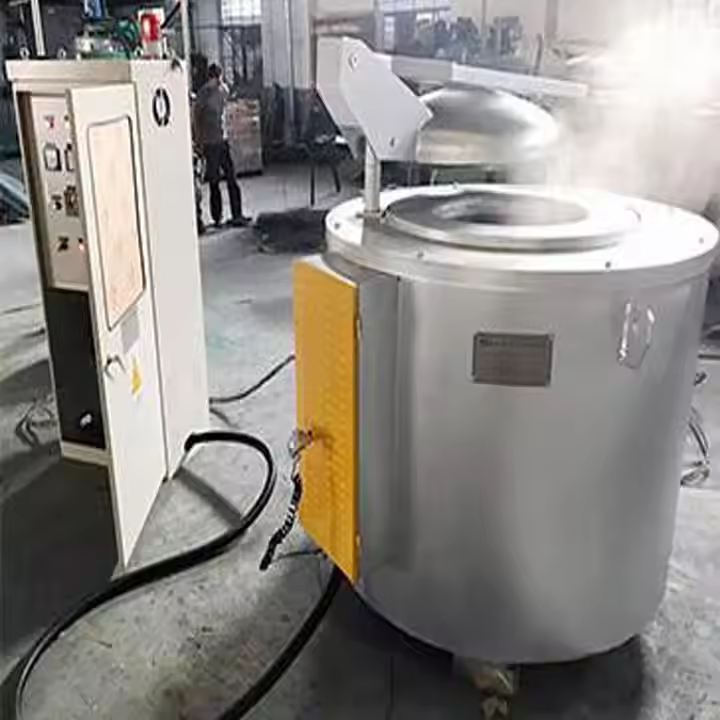
For most industrial copper remelting applications, a medium-frequency induction crucible furnace is one of the best choices.
An induction furnace for copper melting provides fast heating, good temperature uniformity, electromagnetic stirring, and precise process control. It is suitable for both copper and many copper alloys.
Key Advantages of Induction Melting
1. Fast melting
Induction heating transfers electrical energy directly into the conductive metal, allowing rapid heating and high melting efficiency.
2. Uniform heating
Electromagnetic stirring circulates the molten copper and helps distribute heat and alloying elements more evenly.
3. Lower oxidation
There is no direct combustion flame contacting the molten metal. With proper charge preparation and surface protection, oxidation can be effectively controlled.
4. Precise process control
Power and temperature can be monitored and adjusted during melting, making it easier to maintain the required metal temperature and composition.
5. Easy automation
Modern induction melting systems can integrate temperature measurement, power control, hydraulic tilting, cooling, and other operating functions.
Other furnace types have their own applications. Gas-fired furnaces generally have lower initial equipment costs but can have greater oxidation and temperature-control challenges. Resistance furnaces provide stable heating but are usually slower, while arc furnaces are more suitable for large-scale metal melting rather than precision copper remelting.
For most copper remelting applications, an induction melting furnace provides a practical balance between melting speed, control, efficiency, and production flexibility.
Is It Worth Melting Down Scrap Copper?
Yes, in most cases, melting down clean and properly sorted scrap copper is worthwhile.
Scrap copper from electrical wire, tubes, machining operations, production offcuts, and other sources can be returned to production after appropriate sorting and preparation.
The main advantages of scrap copper melting include:
- Lower raw material costs: Clean scrap can be less expensive than primary copper, depending on market conditions and grade.
- Energy savings: Recycling copper generally requires substantially less energy than producing copper from ore.
- Resource recycling: Copper can be repeatedly recycled and returned to manufacturing.
- Flexible material supply: Industrial scrap is available from many manufacturing processes.
However, scrap must be properly prepared. Different copper grades should be separated, while oil, moisture, insulation, iron, and other contaminants should be removed. Scrap can also have a higher surface-area-to-weight ratio than solid cathode copper, increasing oxidation risk during melting.
Scrap copper may be less economical when contamination is excessive, sorting costs are too high, or the available quantity is too small to justify furnace operation.
For many applications, induction melting is well suited to scrap because its fast heating and electromagnetic stirring help process different batches efficiently.
Copper Melting Furnace Capacity and Power Configuration
Choosing the correct copper melting furnace capacity depends mainly on batch size, required production output, melting time, and casting cycle.
Common furnace capacities range from small 50–100 kg systems to several-ton production furnaces. Smaller furnaces are suitable for flexible, small-batch production, while larger systems are better suited to high-volume production and continuous casting.
| Capacity | Typical Power | Reference Melting Time | Application |
|---|---|---|---|
| 100 kg | 80–120 kW | 40–60 min | Small-batch casting |
| 500 kg | 300–500 kW | 50–70 min | Medium production |
| 1 ton | 600–1000 kW | 60–80 min | Large production |
| 3 tons | 1500–2500 kW | 70–90 min | Continuous casting |
| 5 tons | 2500–4000 kW | 80–100 min | Large-scale production |
These figures are reference ranges rather than fixed specifications. Actual requirements depend on the copper grade, initial charge temperature, furnace efficiency, target melting rate, and operating conditions.
As a preliminary sizing rule:
Furnace capacity ≈ Maximum batch requirement × 1.2
The required induction furnace power should then be matched to the target melting speed and production schedule.
Melting Copper Alloys: Brass & Bronze
Copper alloys require additional attention because alloying elements can behave differently during melting.
Brass
Brass contains copper and zinc. The main challenge is zinc evaporation because zinc has a relatively low boiling point. Excessive temperature and long holding times can increase zinc loss and generate zinc oxide fumes.
A brass melting furnace should therefore provide accurate temperature control, suitable charge sequencing, short holding times, and effective fume extraction.
Bronze
Bronze includes several copper-based alloy families such as tin bronze and aluminum bronze. The main concern is maintaining the correct alloy composition and preventing segregation.
Proper alloy addition, electromagnetic stirring, temperature control, and refining help improve melt uniformity.
For copper-nickel alloys, the higher melting temperature of nickel requires more demanding temperature control and appropriate degassing.
For many copper alloy applications, silica-based acidic refractory linings can be used, but the lining should always be selected according to the specific alloy and operating conditions.
Common Problems and Solutions
1. Oxidation Loss
Causes: Excessive temperature, long holding time, insufficient surface protection, and oxidized charge material.
Solutions: Control superheat, reduce unnecessary holding, keep the charge clean, and use suitable covering protection when required.
2. Gas Porosity
Causes: Moisture, oil contamination, wet tools or molds, and insufficient degassing can increase gas-related casting defects.
Solutions: Keep charge materials dry, properly preheat molds and tools, remove contamination, and use appropriate degassing treatment.
3. Furnace Lining Erosion
Causes: Excessive operating temperature, corrosive slag, mechanical impact, or incorrect refractory installation and drying.
Solutions: Select a suitable refractory system, avoid unnecessary overheating, charge materials carefully, and inspect the lining regularly.
Understanding these copper melting problems makes troubleshooting more systematic. Operators should consider charge condition, temperature, holding time, refractory condition, and casting practice together rather than changing only one parameter.
Conclusion
The right copper melting furnace should match the required production capacity, melting temperature, power, material type, and casting process.
Pure copper melts at 1085°C (1984°F), while brass and bronze have different melting ranges. Controlled superheat is required for good fluidity, but excessive temperature can increase oxidation and energy consumption.
For most industrial copper remelting applications, a medium-frequency induction furnace offers an effective combination of fast melting, uniform heating, precise control, and flexible production.
Whether processing cathode copper, production returns, or scrap, proper charge preparation and temperature control are essential for stable results.
Frequently Asked Questions
1. What type of furnace is best for melting copper?
A medium-frequency induction crucible furnace is generally one of the best choices for copper melting because it provides fast heating, electromagnetic stirring, good temperature uniformity, and precise process control. It can be configured for different production capacities and copper alloys.
2. Is it worth melting down scrap copper?
Yes. Melting clean and properly sorted scrap copper can reduce raw material costs and supports copper recycling. The main requirements are proper sorting, cleaning, moisture control, oxidation control, and chemical composition analysis.
3. Is copper smelting profitable?
Copper smelting and copper melting are different processes. Copper smelting extracts copper from ore and requires large-scale, capital-intensive equipment. Copper melting means remelting solid copper or scrap for casting and can be carried out at much smaller production scales.
4. How long does it take to smelt copper?
If you mean copper melting rather than ore smelting, a 100 kg induction furnace may take approximately 40–60 minutes, while a 1-ton furnace may take around 60–80 minutes under suitable operating conditions. Actual melting time depends on furnace power, material condition, and required temperature.
5. What temperature does copper melt at?
Pure copper melts at 1085°C (1984°F). Brass generally melts around 900–940°C, while many bronze alloys melt around 950–1050°C.
Looking for a Reliable Copper Melting Furnace?
Choosing the right copper melting furnace depends on your copper type, batch capacity, required melting speed, and production process. Our engineers can help you select the appropriate furnace capacity, power configuration, and supporting systems for your application.
Whether you are melting copper, brass, bronze, or scrap copper, we can provide a suitable induction melting solution based on your specific production requirements.