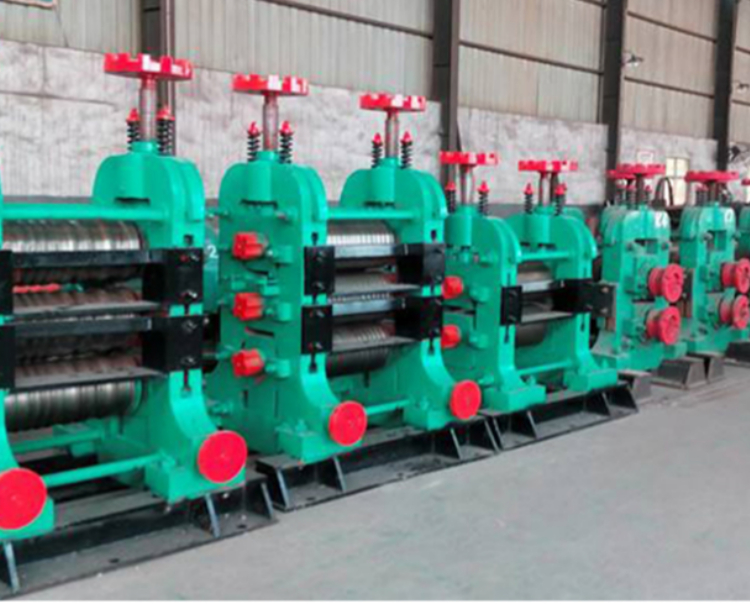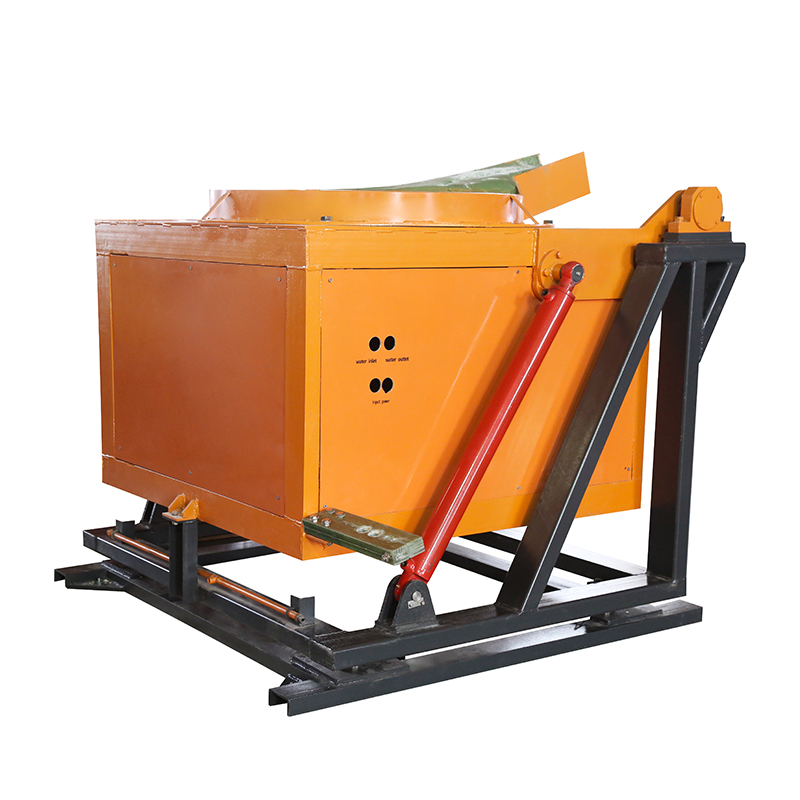
A foundry induction furnace is used to melt metal for casting production. By using electromagnetic induction to generate heat inside the metal charge, it provides an electric melting solution for foundries processing ferrous and non-ferrous materials.
However, selecting a suitable furnace involves more than matching the equipment to a metal type. Foundries also need to consider batch requirements, production schedules, molten metal handling, cooling systems, and the connection between melting and casting operations.
For foundries planning a new melting workshop or upgrading existing equipment, the complete system should be evaluated according to the actual production process. Available metal melting and foundry equipment solutions cover induction melting, metal recycling, and related casting applications.
This guide explains how to configure a foundry induction melting system, what supporting equipment may be required, and which factors should be checked before purchasing.
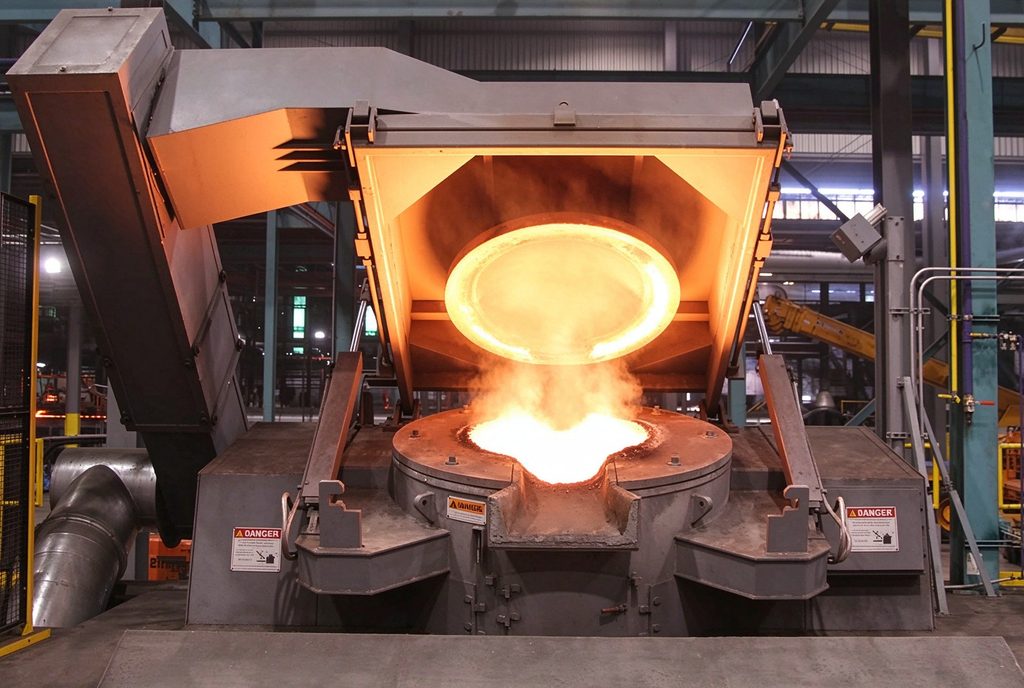
1. What Is a Foundry Induction Furnace?
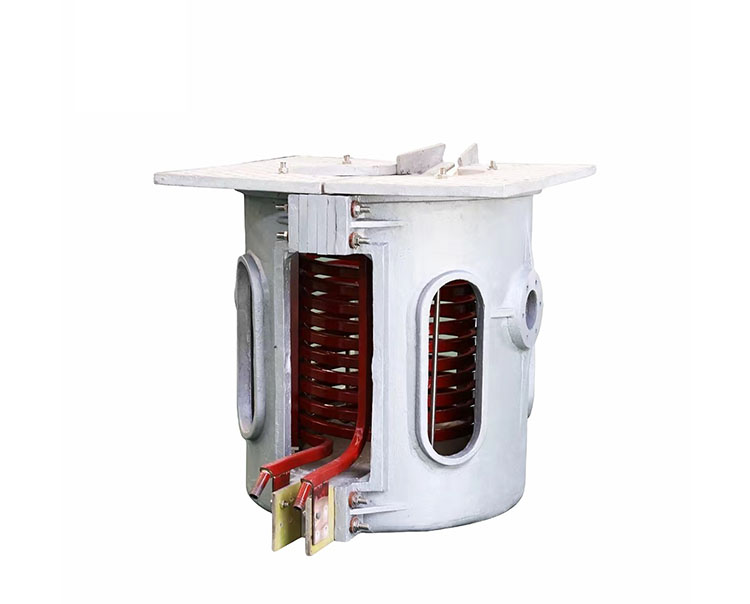
A foundry induction furnace is an electric melting unit designed to convert prepared metal materials into molten metal for subsequent treatment and casting.
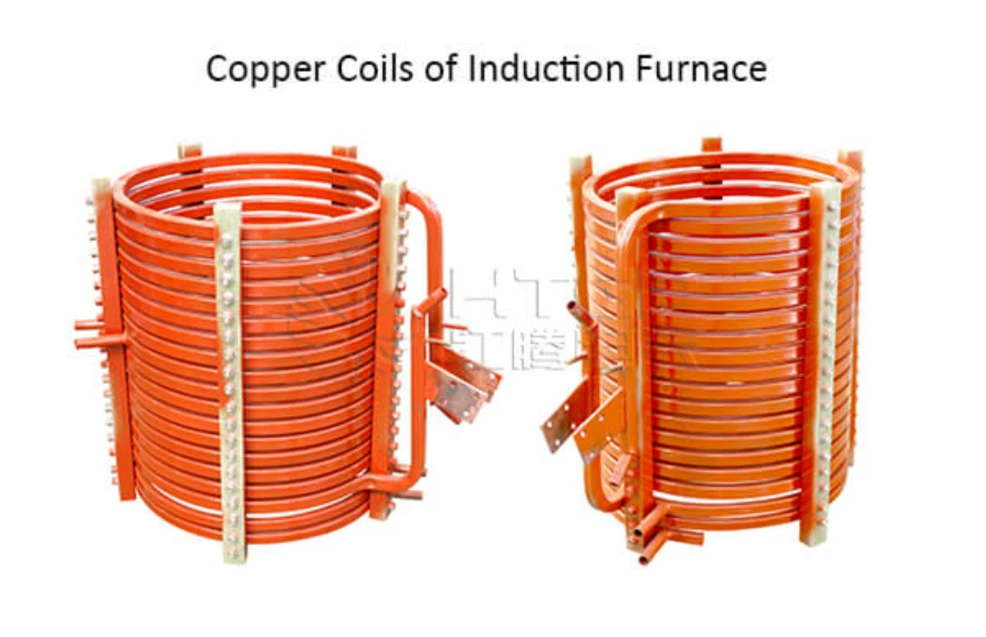
In a medium-frequency induction melting system, alternating current passes through an induction coil and generates a changing magnetic field. This induces electrical currents in the conductive metal charge, producing heat through electrical resistance.
The furnace is usually part of a larger melting system rather than an independent production solution. Depending on the project, the equipment arrangement may include:
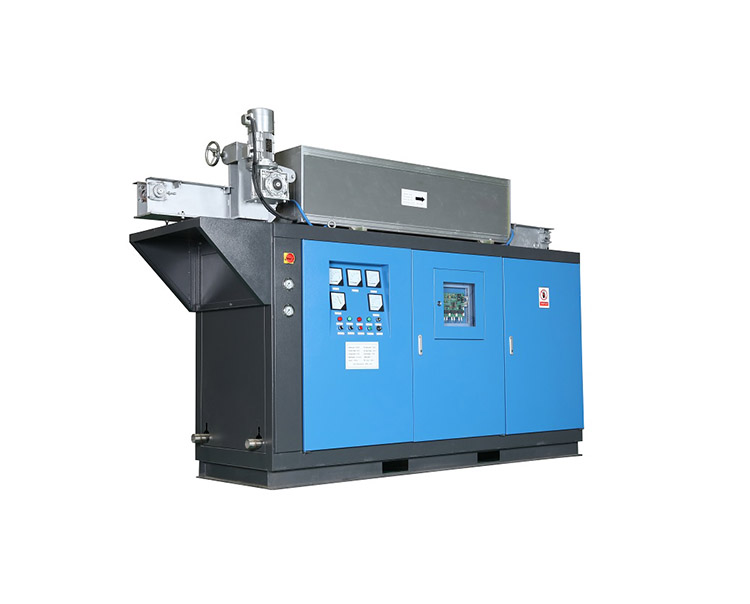
- Medium-frequency power supply
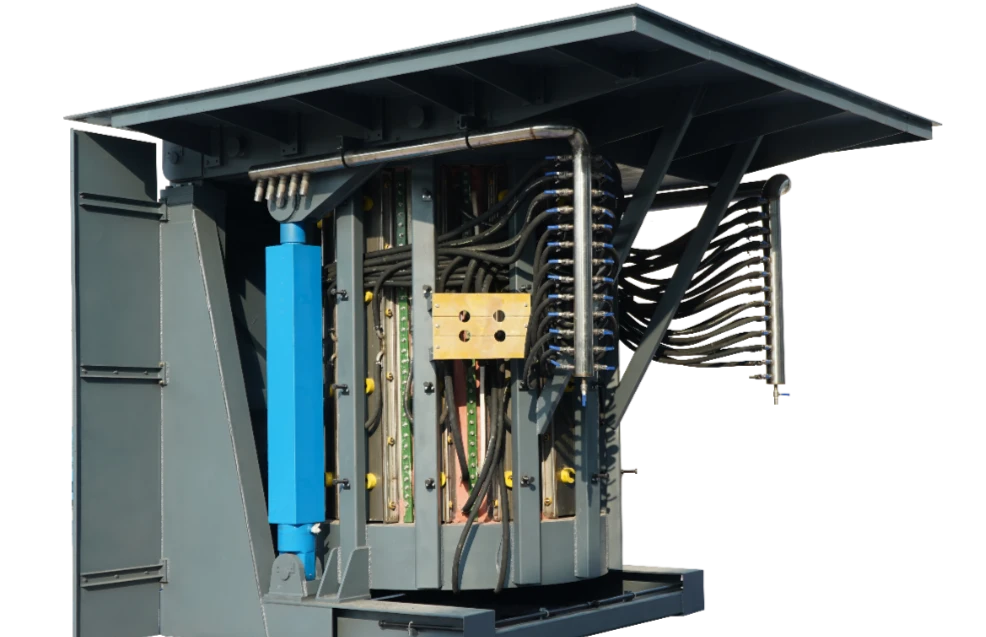
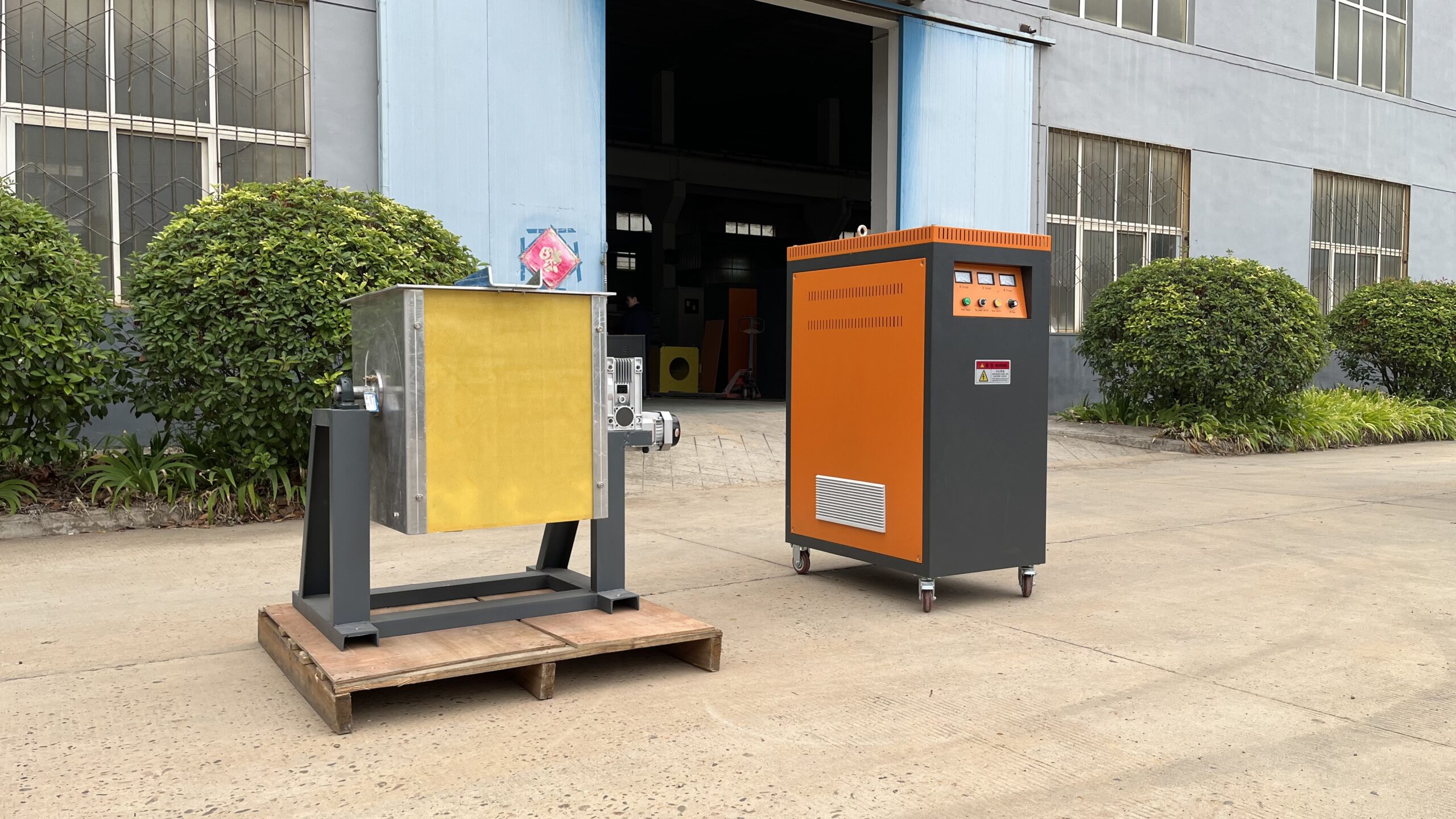
- Induction melting furnace body
- Transformer and electrical components
- Cooling equipment and water circulation
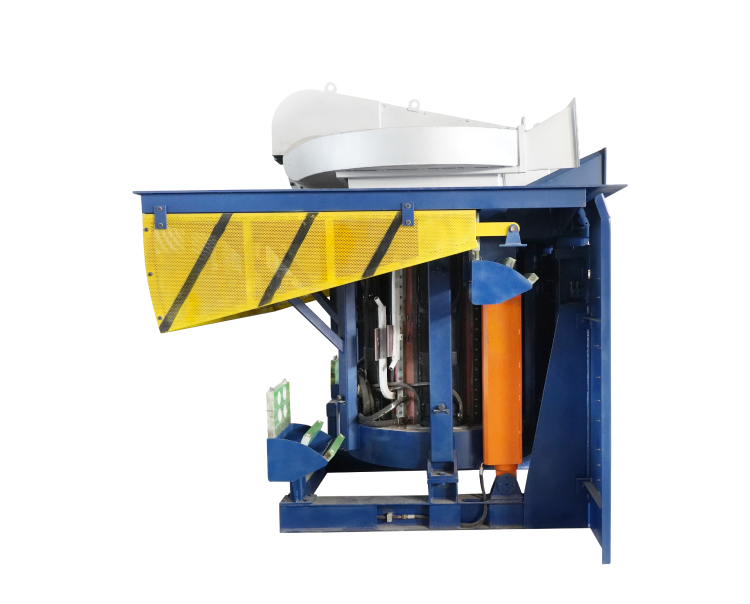
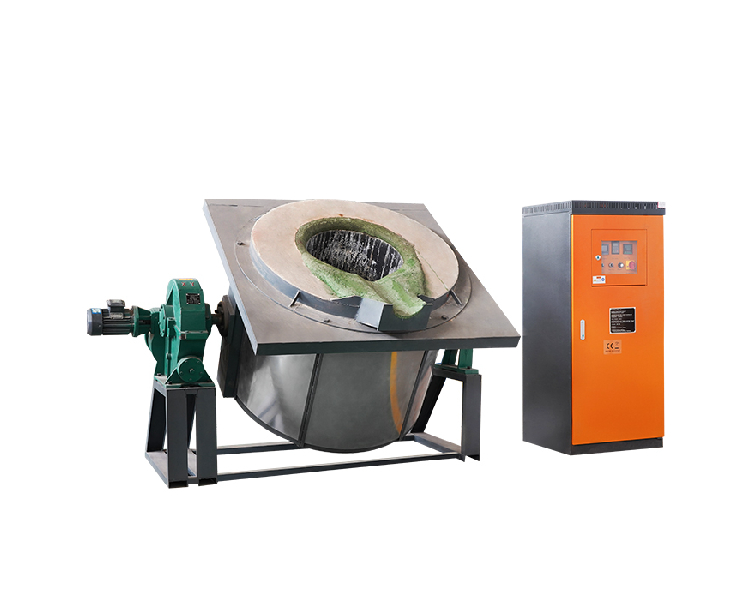
- Furnace tilting and pouring mechanism
- Control and protection system
- Charging and material-handling equipment
The required configuration depends on the metal being melted, the furnace capacity, and the production arrangement.
The available induction melting furnace product range includes aluminum-shell and steel-shell melting furnaces, as well as equipment for copper, aluminum, stainless steel, and other metal melting applications.
2. Metals and Foundry Applications
Induction melting equipment is used in foundries processing different types of metals. The furnace must be selected according to the material’s composition and the requirements of the final casting.
| Metal or Material | Foundry Application | Main Selection Consideration |
|---|---|---|
| Steel | Steel castings and industrial components | Required steel grade, temperature, and metal treatment |
| Cast iron | Machine parts, housings, and iron castings | Carbon and alloy composition, treatment, and pouring requirements |
| Copper | Copper castings and copper-based products | Copper or alloy composition and suitable refractory materials |
| Aluminum | Aluminum castings and ingot production | Alloy composition, melt handling, and casting process |
| Stainless steel | Corrosion-resistant industrial castings | Alloy composition and process temperature |
These materials do not share identical melting requirements. For example, steel and cast iron require different chemical composition controls, while aluminum and copper alloys have their own material and melt-handling considerations.
A furnace suitable for one metal or alloy should not automatically be assumed suitable for every other material. Before requesting a quotation, foundries should provide the actual metal grade, available charge materials, and intended casting application.
3. How an Induction Melting System Fits into Foundry Production
An induction furnace supplies molten metal, but casting production involves several connected operations. The melting system should therefore be planned around the complete foundry workflow.
3.1 Charge Preparation
Before charging, foundries need to identify and prepare the raw materials according to the required metal grade.
Typical charge materials may include metal ingots, suitable scrap, foundry returns, and alloying additions. The exact combination depends on the target composition and the chemical analysis of the available materials.
Material weighing, sorting, and preparation help operators maintain control over the melting batch. Unidentified or unsuitable materials should not be mixed into the charge without checking their compatibility.
3.2 Furnace Charging and Melting
Prepared materials are loaded into the furnace according to the charging procedure and equipment design.
The medium-frequency power supply provides the electrical energy required for melting. During this stage, operators monitor the furnace operation and the condition of the molten metal.
The charging sequence, batch weight, melting schedule, and availability of prepared material all influence the overall production cycle.
3.3 Composition and Temperature Control
After the charge becomes molten, the metal must be evaluated against the requirements of the intended casting.
Depending on the material, this may involve temperature measurement, chemical sampling, alloy adjustment, or other molten metal treatment.
Melting should not be confused with refining or final metal treatment. An induction furnace melts the charge, but it does not automatically remove every impurity or guarantee the required composition. Additional treatment may be necessary for particular alloys and casting specifications.
3.4 Tapping and Molten Metal Transfer
Once the melt is ready for the next operation, it is tapped or poured from the furnace into a suitable ladle or receiving vessel.
The transfer arrangement should match the foundry layout, the distance to the casting area, the required metal quantity, and the pouring schedule.
Unnecessary waiting and handling can complicate temperature control. The melting schedule should therefore be coordinated with the availability of ladles, molds, and downstream casting operations.
3.5 Pouring and Casting
The molten metal is delivered to the prepared molds or casting equipment.
The casting process differs according to the metal and product. Sand casting, lost-foam casting, centrifugal casting, and other processes require different production arrangements.
For projects that need both melting and downstream casting equipment, the casting equipment range provides options for evaluating the casting stage alongside the melting system.
The European Commission’s foundry reference document also treats charge preparation, melting, tapping, metal treatment, and pouring as connected stages, with the actual sequence varying by metal and furnace process.
4. Foundry Furnace Configurations and Production Arrangements
The arrangement of the melting furnace affects how the foundry organizes charging, melting, holding, and pouring.
A single-furnace arrangement may be suitable when the production schedule allows melting and tapping to be completed in sequence. Other foundries may need separate furnace vessels to coordinate melting and molten metal availability.
Two-Furnace Configuration with One Power Supply
One configuration available in the steel-shell melting furnace range uses a single medium-frequency power supply to serve two furnace vessels.
According to the product description, power can be allocated between the two vessels. This allows one furnace to carry out melting while the other is used for pouring or holding, depending on the operating arrangement.
This configuration may be worth evaluating for foundries that need to coordinate melting and metal delivery more efficiently.
However, two furnace vessels do not automatically mean twice the production output. The actual output depends on the power allocation, furnace capacity, metal type, batch preparation, and production schedule.
Before selecting this arrangement, confirm:
- Whether the two vessels will process the same metal or different grades
- How power is allocated during melting and holding
- Whether both vessels need to operate at the same time
- How the tapping and pouring schedule will be organized
- Whether the arrangement matches the available electrical and cooling utilities
More details about this configuration are available on the steel-shell melting furnace product page.
5. Supporting Equipment for a Foundry Induction Furnace
A complete induction melting system requires supporting equipment to maintain stable operation. These components should be considered during the equipment planning stage.
5.1 Medium-Frequency Power Supply
The power supply provides the electrical energy used by the induction coil.
Its configuration should be matched to the selected furnace and the required production conditions. Available electrical capacity, transformer arrangement, power distribution, and protection requirements should all be checked before installation.
5.2 Cooling System
Water cooling is an important part of induction melting equipment. The cooling arrangement must be suitable for the furnace coil, power supply, and other water-cooled components.
The equipment proposal should identify the cooling equipment, water circulation arrangement, connection requirements, and operating conditions.
The aluminum-shell melting furnace product description lists transformers and closed-circuit cooling towers among its supporting equipment. The exact cooling configuration should still be confirmed for the selected model and project.
5.3 Control and Protection System
The control system allows operators to manage melting operations and monitor important equipment conditions.
The published aluminum-shell melting furnace description includes a PLC-based melting management system, equipment self-testing, monitoring of water temperature and pressure, electrical fault detection, and a furnace leakage alarm.
When comparing equipment proposals, buyers should confirm which monitoring and protection functions are included in the selected model rather than assuming that every configuration has identical features.
See the aluminum-shell melting furnace for details of the listed equipment configuration.
5.4 Charging, Tilting, and Metal Handling
Charging and pouring arrangements affect how materials enter the furnace and how molten metal reaches the next operation.
The appropriate arrangement depends on the charge size, furnace structure, workshop layout, and required metal handling method.
Foundries should also consider the availability of ladles, lifting equipment, transfer routes, and space for safe operation and maintenance.
5.5 Fume Collection and Workshop Layout
Melting, charging, deslagging, metal treatment, and pouring may generate dust or fumes depending on the metal, charge materials, and process.
The workshop layout should allow suitable extraction equipment to collect emissions from relevant operating positions. The extraction arrangement should be designed around the actual process rather than treating the furnace as the only potential emission source.
Cooling equipment, electrical cabinets, charging areas, and maintenance access should also be considered when planning the furnace installation.
6. How to Select the Right Foundry Induction Furnace
Before selecting equipment, foundries should prepare a clear set of production requirements.
| Selection Factor | Information to Confirm | Why It Matters |
|---|---|---|
| Metal type | Steel, cast iron, copper, aluminum, stainless steel, or other alloys | Determines material compatibility and process requirements |
| Charge material | Ingots, production scrap, foundry returns, or mixed materials | Affects charge preparation and melting arrangements |
| Batch requirement | Required metal weight per heat | Helps determine furnace capacity |
| Production target | Required output and operating schedule | Determines the required melting cycle and equipment arrangement |
| Metal treatment | Sampling, alloy adjustment, or additional treatment | Defines the process after melting |
| Furnace arrangement | Single vessel or multiple vessels | Affects melting, holding, and pouring coordination |
| Electrical supply | Available power and transformer conditions | Determines electrical system compatibility |
| Cooling | Water circulation and cooling equipment requirements | Supports stable furnace operation |
| Casting process | Sand casting, lost foam, centrifugal casting, or another process | Determines the downstream metal delivery arrangement |
| Workshop conditions | Floor space, lifting access, ventilation, and maintenance access | Affects installation and daily operation |
Compare the Complete Equipment Scope
A furnace quotation should be reviewed as a complete equipment proposal rather than by comparing the furnace body price alone.
Check whether the quoted scope includes:
- Furnace body and required refractory arrangement
- Medium-frequency power supply
- Transformer and electrical components
- Cooling equipment and water connections
- Control and protection system
- Tilting or pouring mechanism
- Installation and commissioning requirements
- Technical documentation and operator training
- Recommended spare parts and maintenance support
Also confirm which items must be supplied by the buyer, including workshop foundations, plant utilities, lifting equipment, and external fume extraction systems.
A clear scope of supply makes it easier to compare different proposals and understand the actual project requirements.
7. Common Mistakes When Purchasing Foundry Melting Equipment
Choosing Capacity Without Checking Production Output
Rated furnace capacity and actual foundry output are not the same. The production target must account for charging, melting, sampling, metal treatment, tapping, transfer, and pouring.
Ignoring the Final Metal Grade
The furnace should be selected according to the actual metal and alloy requirements. A general statement that equipment can melt a particular metal is not enough to confirm suitability for every grade or charge material.
Overlooking Supporting Equipment
Power supply, cooling, control, and material handling all affect the operation of the furnace. Omitting these requirements during planning can lead to additional costs or installation problems.
Treating Melting as the Entire Foundry Process
An induction melting furnace supplies molten metal, but the foundry may also need separate refining, treatment, holding, pouring, and casting equipment. These operations should be planned as part of the complete production arrangement.
8. Frequently Asked Questions
What metals can a foundry induction furnace melt?
Induction melting equipment can be configured for different ferrous and non-ferrous metals. The available equipment range includes solutions for steel, iron, copper, aluminum, stainless steel, and other materials. The suitable configuration depends on the actual metal grade and production requirements.
Is a medium-frequency induction furnace suitable for a foundry?
Medium-frequency induction melting equipment is used in foundries for metal melting. Its suitability for a particular project depends on the material, batch capacity, required production output, electrical supply, and operating schedule.
Does a foundry induction furnace include a cooling system?
The cooling arrangement depends on the equipment configuration. Supporting equipment may include a closed-circuit cooling tower and water circulation components. Buyers should confirm the complete cooling scope in the equipment proposal.
Can one induction power supply serve two furnaces?
Some equipment configurations are designed for one medium-frequency power supply to serve two furnace vessels. The listed steel-shell melting furnace configuration describes flexible power allocation, allowing one vessel to melt while the other is used for pouring or holding. The operating arrangement should be confirmed for the selected model.
What information should be provided when requesting a quotation?
Provide the metal type and grade, charge materials, required batch weight, production target, available electrical supply, casting process, and workshop conditions. These details help the supplier evaluate the appropriate furnace and supporting equipment.
Conclusion
A suitable foundry induction furnace should be selected according to the metal being processed, the required production output, and the way molten metal moves through the foundry.
Beyond the furnace body, the complete system may include a medium-frequency power supply, transformer, cooling equipment, control and protection components, charging equipment, and metal handling arrangements.
For foundries planning a new melting system or upgrading existing equipment, evaluating the complete production workflow helps avoid capacity mismatches and gaps in the equipment scope.
For a project-specific proposal, contact the technical team with your metal grade, charge materials, required batch weight, production target, and casting process. These details provide a practical basis for evaluating the furnace configuration and supporting equipment.