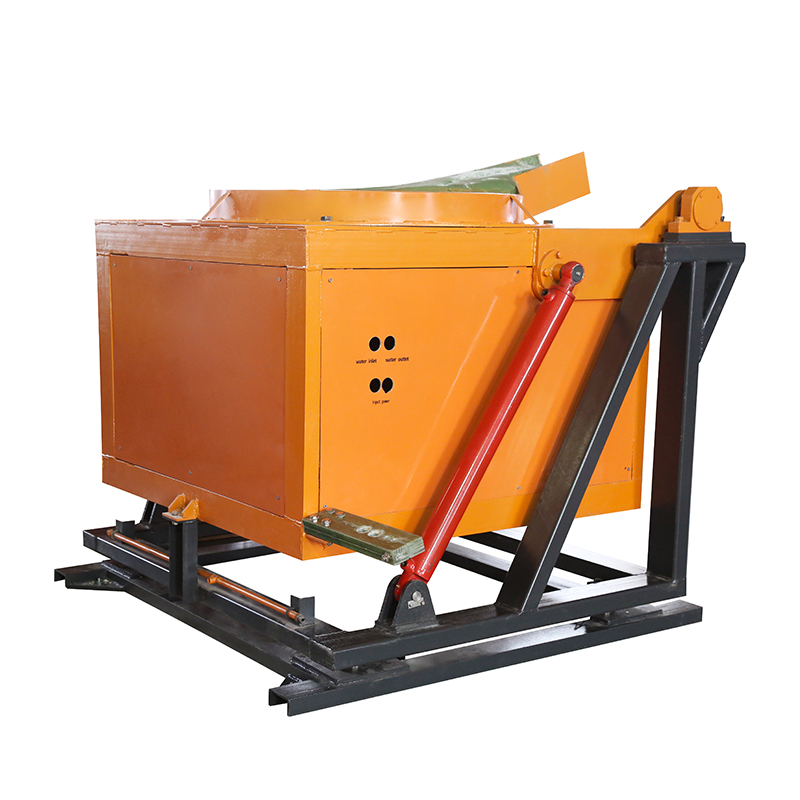
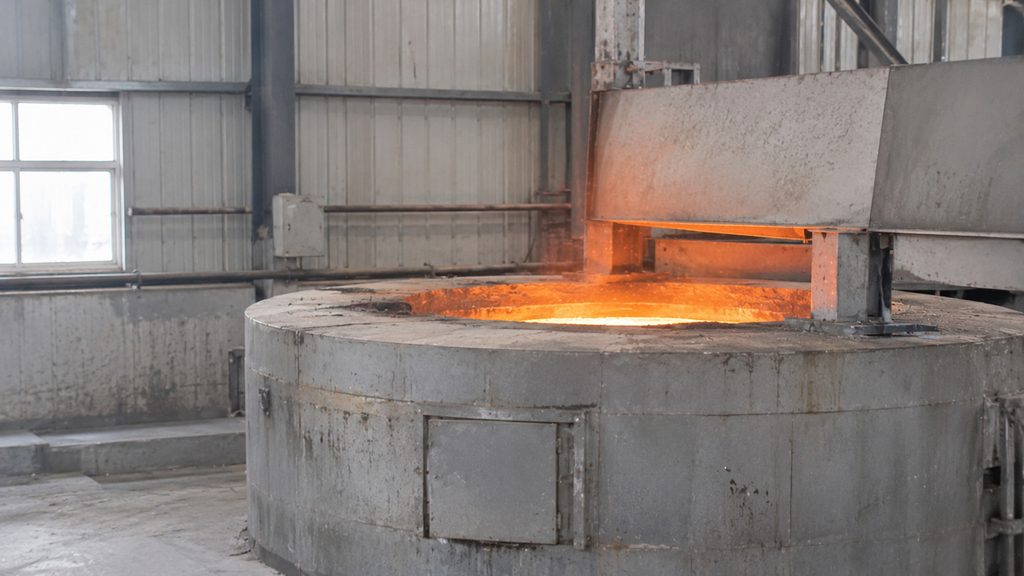
In aluminum production, maintaining a stable supply of molten metal is just as important as melting the raw material. When a casting process requires a continuous or regularly replenished supply of liquid aluminum, a holding furnace can provide a buffer between melting and downstream production.
Aluminum holding furnaces are designed primarily to keep already-molten aluminum available at the temperature required by the production process. They can be used alongside melting furnaces in foundries, aluminum recycling facilities, and continuous casting production lines.
However, a holding furnace does not perform exactly the same function as a melting furnace. Its capacity, heating arrangement, metal transfer method, and operating conditions need to match the actual consumption of the casting equipment.
This guide explains the function of aluminum holding furnaces, their differences from melting equipment, and the factors manufacturers should consider when selecting a suitable melting and holding system.
1. What Is an Aluminum Holding Furnace?
An aluminum holding furnace is used to receive and maintain molten aluminum before it is supplied to a downstream production process.
Unlike a melting furnace, which converts solid aluminum materials into liquid metal, a holding furnace mainly maintains an available supply of molten aluminum and compensates for heat losses during operation.
Depending on the production arrangement, molten aluminum may enter a holding furnace from:
- An upstream aluminum melting furnace
- A central melting and supply system
- Another suitable molten-metal transfer process
The holding furnace then provides a metal reserve for the next operation, such as continuous casting or other aluminum forming processes.
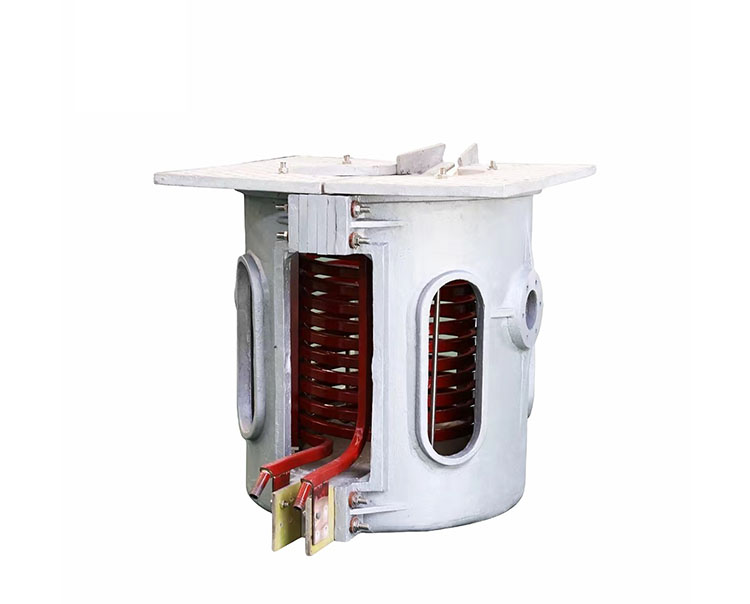
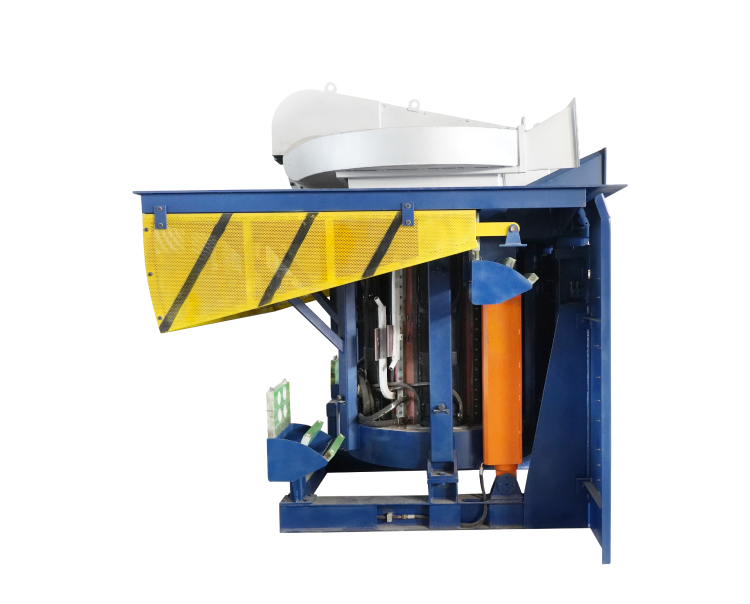
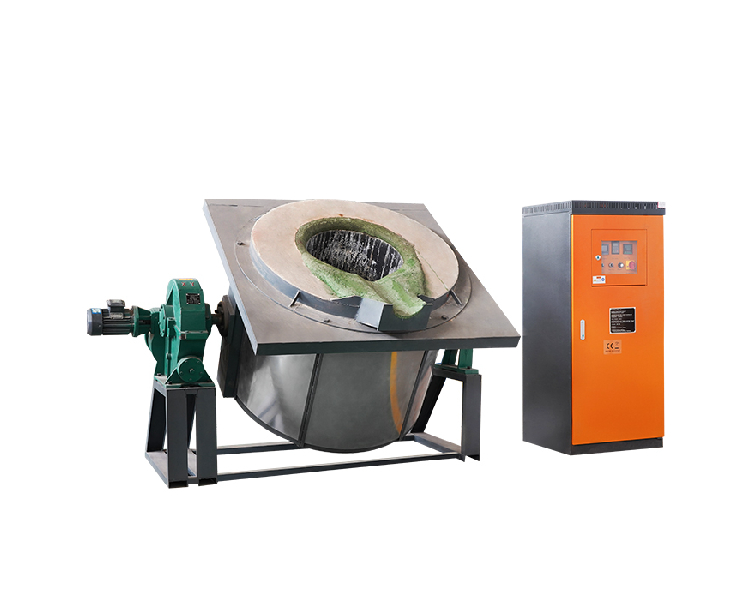
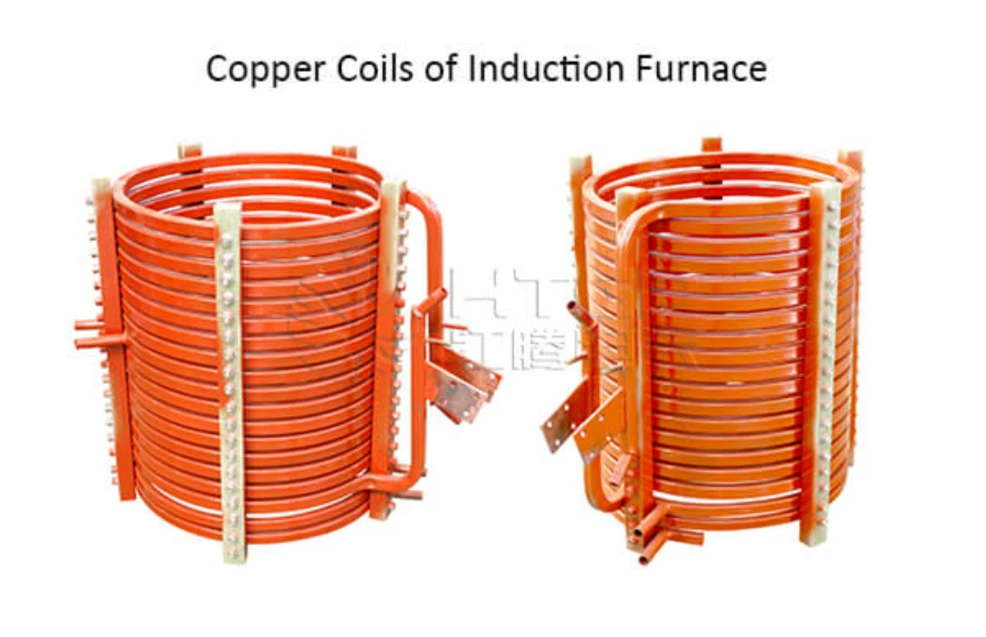
A holding furnace may be equipped with its own heating system to maintain the required metal temperature. The exact heating method, furnace structure, and control arrangement depend on the equipment design.
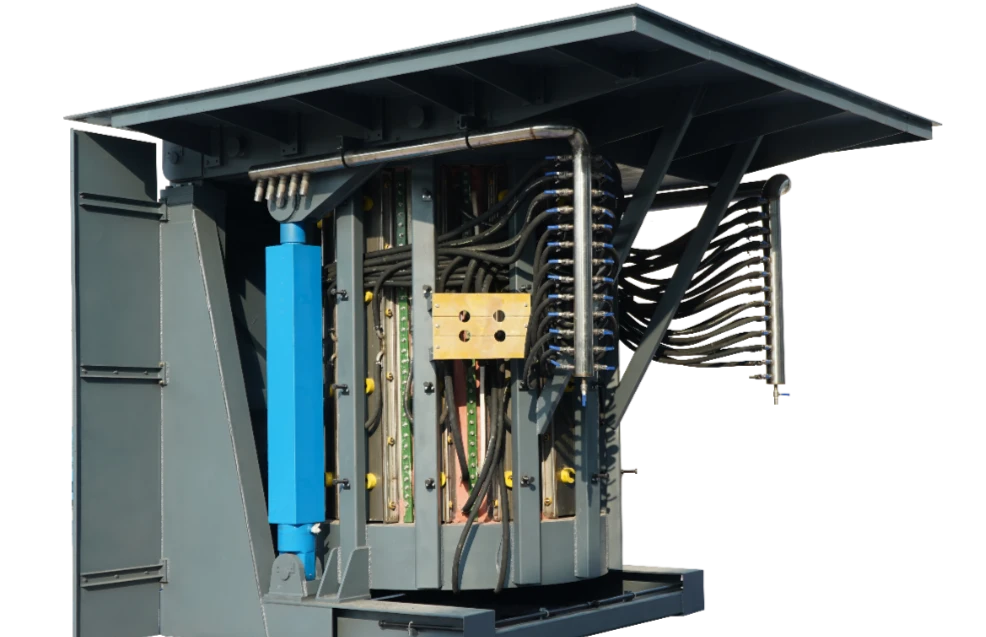
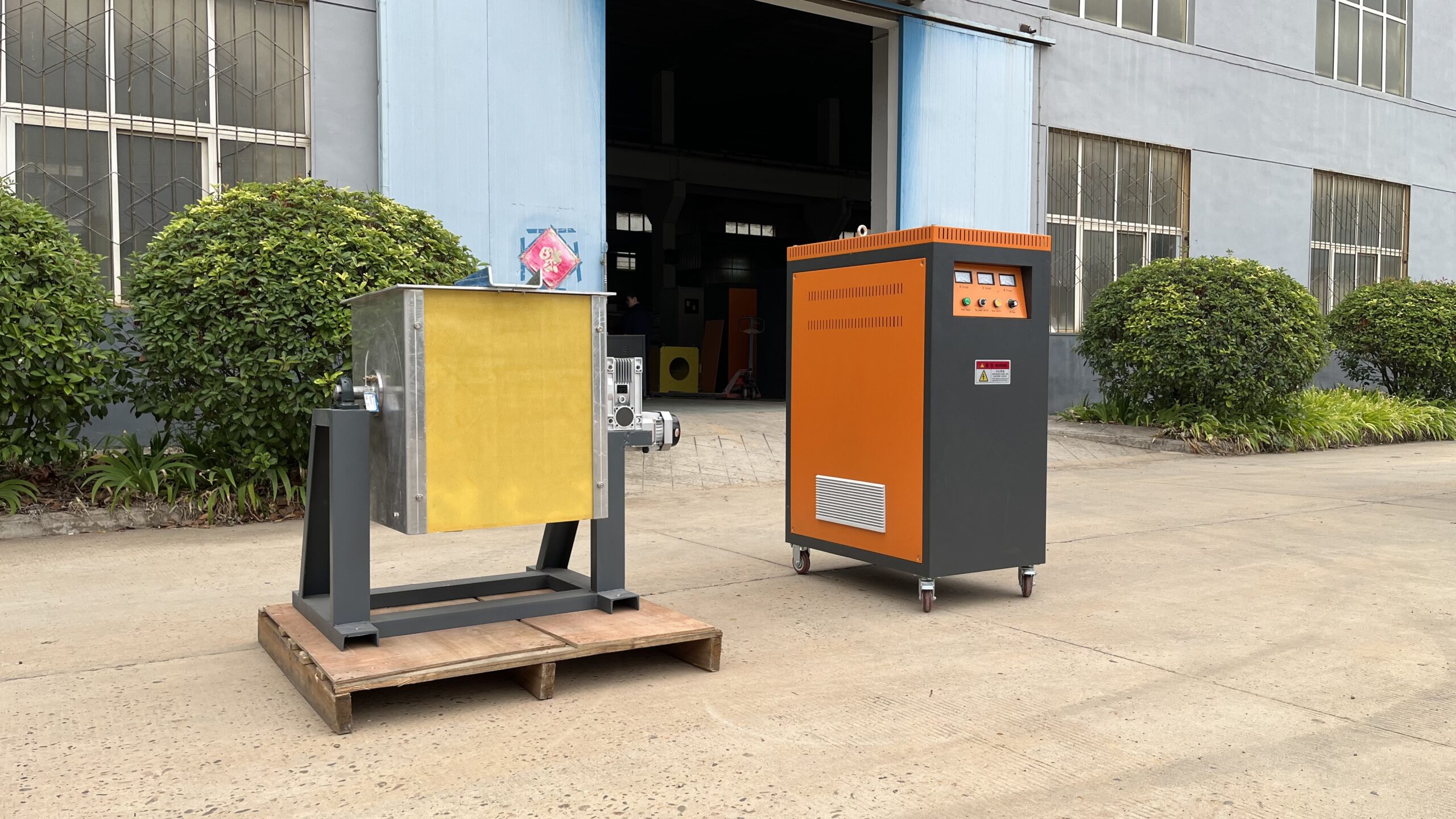
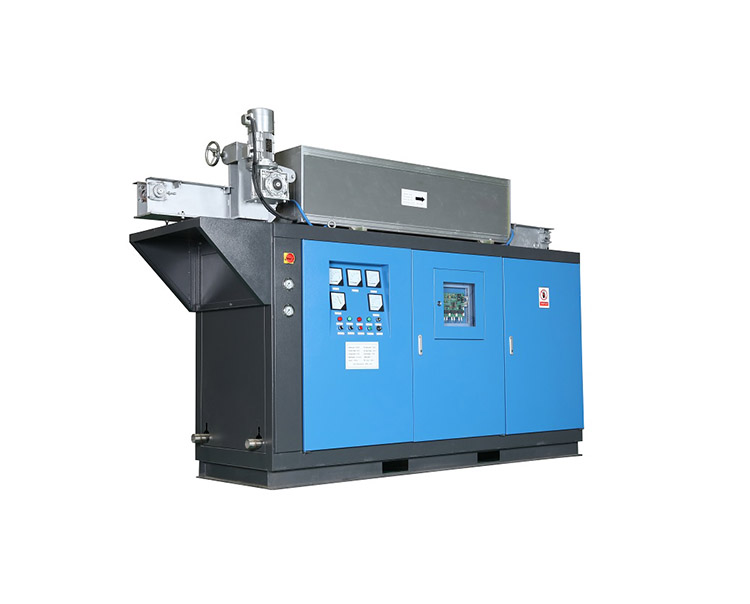
For production projects, aluminum melting furnace equipment should be evaluated together with the downstream holding and casting requirements.
2. Melting Furnace vs. Holding Furnace vs. Dosing Furnace
These three furnace functions are related, but they serve different purposes in aluminum production.
| Equipment | Main Function | Primary Requirement |
|---|---|---|
| Aluminum melting furnace | Converts solid aluminum materials into molten metal | Melting capacity and production rate |
| Aluminum holding furnace | Maintains an available supply of already-molten aluminum | Holding capacity and temperature stability |
| Aluminum dosing furnace | Delivers a controlled quantity of molten metal to a casting machine | Accurate metal delivery and production-cycle coordination |
2.1 Melting Furnace
A melting furnace processes solid aluminum materials such as ingots, suitable scrap, and foundry returns.
Its main task is to produce molten metal at the rate required by the production line.
The selection process therefore needs to consider batch capacity, melting output, raw material characteristics, and operating schedule.
2.2 Holding Furnace
A holding furnace receives molten aluminum and keeps it available for production.
It helps separate the timing of metal melting from the timing of metal consumption. This can be useful when the melting and casting processes have different operating cycles.
For example, a melting furnace may prepare a batch while a downstream casting system consumes molten aluminum over a longer operating period.
The holding furnace provides an intermediate metal reserve between these operations.
2.3 Dosing Furnace
A dosing furnace has an additional function: supplying controlled quantities of molten aluminum to a casting machine.
This is particularly relevant to casting processes that require repeatable metal delivery for individual production cycles.
A standard holding furnace should not automatically be considered a dosing furnace. The required metering and delivery functions must be confirmed in the equipment specification.
3. Why Are Holding Furnaces Used in Aluminum Production?
The need for a holding furnace depends on the relationship between melting output and downstream metal consumption.
In some production arrangements, the melting furnace can supply molten metal directly to the next process. In others, a separate holding unit provides a more suitable way to manage the production flow.
3.1 Maintaining a Molten Metal Reserve
A holding furnace provides a quantity of molten aluminum that can be used by the next production stage.
This reserve helps accommodate differences between the timing of metal production and metal consumption.
The required reserve depends on the casting process, withdrawal rate, replenishment frequency, and production schedule.
3.2 Supporting Continuous Production
Some casting processes require molten aluminum to remain available while the casting equipment operates.
If the upstream melting process does not match the casting machine’s consumption pattern, production interruptions may occur.
A holding furnace can help bridge this difference by maintaining an available supply of metal.
3.3 Managing Metal Temperature
Molten aluminum loses heat during holding and transfer.
A holding furnace can provide heat to compensate for these losses and maintain the metal within the temperature range required by the specific alloy and casting process.
The target temperature should be established according to the alloy specification and downstream process. There is no single holding temperature suitable for every aluminum alloy or production line.
3.4 Coordinating Melting and Casting Operations
A separate holding stage allows the melting and casting operations to be managed according to their respective production requirements.
However, holding molten metal also requires energy and introduces additional heat losses and transfer operations.
The system should therefore be designed around actual production demand rather than adding a holding furnace to every melting line by default.
4. Aluminum Holding Furnaces in Continuous Casting Production Lines
One important application of a holding furnace is aluminum rod continuous casting.
The aluminum rod horizontal continuous casting line listed in the equipment range consists of:
- Melting furnace
- Holding furnace
- Tractor
- Disc machine
These components work together to produce aluminum rods through a continuous production arrangement.
The basic process can be understood as follows.
Step 1: Aluminum Melting
Aluminum raw materials are processed in the melting furnace.
The required alloy composition and incoming material condition should be established before production. Melting operations must prepare the molten metal for the downstream process.
Step 2: Molten Metal Transfer
The molten aluminum is transferred from the melting furnace toward the holding stage through the transfer arrangement designed for the production line.
The transfer method, connection height, and equipment layout need to be confirmed during project engineering.
Step 3: Holding and Metal Supply
The holding furnace maintains an available supply of molten aluminum for the casting operation.
Its capacity and operating conditions should match the metal consumption of the casting equipment.
Temperature monitoring and replenishment arrangements are important for maintaining a stable production process.
Step 4: Continuous Casting
Molten aluminum is supplied to the casting section, where it is formed into the required rod through the continuous casting process.
The casting system’s cooling conditions and operating speed need to be coordinated with the molten-metal supply.
Step 5: Pulling and Collection
The tractor pulls the formed aluminum rod through the production process, while the disc machine collects the finished rod.
The equipment must be coordinated so that metal supply, casting, pulling, and collection operate as one production system.
The aluminum rod horizontal continuous casting line provides an example of this integrated arrangement, with a melting furnace and holding furnace included in the same production line.
5. Important Factors When Selecting Aluminum Holding Furnaces
Choosing an aluminum holding furnace requires understanding how the molten metal will be supplied, consumed, and replenished.
The rated holding capacity alone is not enough to determine whether a furnace is suitable.
5.1 Required Holding Capacity
The holding capacity should reflect the amount of molten aluminum needed by the downstream production process.
Buyers should determine:
- Required metal reserve at the start of production
- Average molten-metal consumption
- Short-term peak consumption
- Replenishment frequency
- Required operating schedule
A furnace that cannot maintain sufficient metal availability may interrupt downstream production.
An unnecessarily large holding capacity can also increase the amount of metal kept in the furnace and the time required for inventory turnover.
5.2 Metal Consumption and Replenishment Rate
The holding furnace must be able to supply metal at a rate consistent with downstream consumption.
This means that buyers should provide more than a required batch weight.
Useful information includes hourly metal demand, total consumption per shift, replenishment quantity, and the timing of metal withdrawal.
When solid aluminum is added instead of already-molten aluminum, the equipment may also need to perform additional melting duties. This requirement should be evaluated separately rather than assuming that a holding furnace can handle it automatically.
5.3 Temperature Control
Temperature control is one of the main operating requirements for aluminum holding furnaces.
The required temperature depends on the alloy and the next production process.
When selecting equipment, confirm:
- Required metal temperature
- Heating method
- Temperature measurement location
- Control and monitoring arrangement
- Expected temperature fluctuations during metal withdrawal
- Heating requirements during production interruptions
Excessive holding temperatures should be avoided because they can increase energy use and expose the metal and furnace lining to unnecessary thermal loads.
5.4 Heating Method
Holding furnaces can use different heating arrangements depending on the equipment design.
Electric and fuel-fired heating are both used in industrial aluminum holding applications.
The appropriate arrangement depends on the required holding duty, available utilities, furnace configuration, operating costs, and site conditions.
Buyers should compare the complete system rather than selecting a heating method based on the energy source alone.
5.5 Furnace Insulation and Heat Loss
Insulation helps reduce heat transfer from the molten metal to the surrounding environment.
The furnace body, lid, refractory lining, and opening arrangement all influence thermal performance.
The time spent with the furnace open during charging, inspection, and metal transfer should also be considered.
For continuous production, the holding furnace needs to maintain the required metal condition throughout the operating schedule without unnecessary heat input.
5.6 Metal Quality and Handling
The holding stage should be compatible with the metal quality requirements of the casting process.
Depending on the application, the production system may require separate alloy adjustment, degassing, filtration, or other molten-metal treatment operations.
A holding furnace does not automatically perform all these functions.
The buyer should specify which treatment operations are required and confirm whether they are provided by the holding furnace or by separate equipment.
6. Single Melting and Holding Furnace vs. Separate Furnaces
The production arrangement is another important decision when planning an aluminum melting and holding system.
Some equipment designs may combine melting and holding functions, while other production lines use separate units.
| Comparison | Combined Melting and Holding Arrangement | Separate Melting and Holding Furnaces |
|---|---|---|
| Equipment arrangement | One furnace system performs both duties if designed for this purpose | Separate melting and holding units |
| Melting operation | Solid materials are melted before metal is maintained for use | Melting and holding duties are divided |
| Metal supply | Depends on the furnace’s operating cycle | Holding furnace can provide an intermediate reserve |
| Production coordination | Requires balancing melting and metal consumption | Allows separate scheduling of melting and downstream supply |
| Main consideration | Suitability for the required melting and holding cycle | Additional equipment, transfer, utilities, and installation space |
Neither arrangement is automatically better.
A combined system may be appropriate when the furnace design and production schedule support both functions.
Separate furnaces may be more suitable when the casting process needs a continuous metal reserve or when melting and casting have different operating schedules.
The final choice should be based on material flow, production demand, operating hours, and the complete equipment layout.
7. How to Calculate the Required Holding Capacity
Holding capacity should be based on molten-metal demand and the length of time the downstream process needs a reserve.
A simple preliminary estimate can be expressed as:
Required working metal reserve = Average metal consumption × Required reserve time
For example, the calculation requires two project inputs:
- The amount of molten aluminum consumed per unit of time
- The period for which that metal supply needs to be maintained
This relationship is useful for preliminary planning, but it does not determine the final furnace rating by itself.
The equipment specification must also consider:
- Usable metal volume
- Minimum and maximum operating levels
- Safe operating limits
- Metal withdrawal arrangement
- Replenishment timing
- Temperature control
- The difference between nominal capacity and usable metal inventory
If metal consumption changes significantly during production, a single average figure may not be sufficient. The withdrawal profile and peak demand should also be evaluated.
For the upstream melting system, see the guide to aluminum melting furnace capacity selection. Melting output and holding capacity are separate requirements and should be calculated together.
8. Common Mistakes When Selecting Aluminum Holding Furnaces
Selecting Capacity Without Measuring Metal Demand
Choosing a holding furnace based only on a nominal capacity may result in insufficient metal supply or excessive molten-metal inventory.
The production schedule, withdrawal rate, and replenishment pattern should be established first.
Confusing Holding Capacity with Melting Output
A holding furnace may contain a certain amount of molten metal, but that does not mean it can melt the same amount of solid aluminum within a given period.
Melting capacity and holding inventory are different performance requirements.
Assuming a Holding Furnace Is a Dosing Furnace
Holding molten metal and delivering a controlled quantity to a casting machine are separate functions.
If automatic or repeatable dosing is required, the appropriate delivery system must be specified.
Ignoring the Transfer Arrangement
The holding furnace needs a suitable connection to the melting source and downstream equipment.
Poor planning of transfer distance, elevation, receiving points, and metal flow can create production difficulties.
Overlooking Energy Use During Holding
Keeping molten aluminum available requires energy to compensate for heat losses.
Excessively long holding periods, frequent opening, and unsuitable insulation may increase operating costs.
Production planning should consider the entire melting, holding, transfer, and casting cycle.
9. Equipment Considerations for Aluminum Casting and Ingot Production
The downstream casting process determines how molten aluminum should be delivered from the holding stage.
For aluminum rod production, a horizontal continuous casting line uses the holding furnace as part of the overall production arrangement.
Other aluminum products require different casting equipment.
For example, aluminum ingot production uses an ingot casting machine to receive molten metal and form it into ingots.
The aluminum ingot casting machine is designed for non-ferrous metal ingot production. Its integration with a melting and holding system should be evaluated according to the required output, transfer arrangement, and production schedule.
The key is to match the holding furnace with the actual casting process rather than treating all aluminum production lines as having the same metal supply requirements.
Frequently Asked Questions
What is the main function of an aluminum holding furnace?
Its main function is to maintain an available supply of already-molten aluminum at the temperature required by the downstream production process.
What is the difference between an aluminum melting furnace and a holding furnace?
A melting furnace converts solid aluminum materials into molten metal. A holding furnace receives molten metal and maintains it for subsequent use in casting or another production process.
Do all aluminum casting lines need a separate holding furnace?
No. The need depends on the production schedule, melting output, metal consumption, and casting arrangement. Some systems combine functions, while others use separate melting and holding units.
Can an aluminum holding furnace melt solid aluminum scrap?
Not necessarily. A conventional holding furnace is designed primarily to maintain molten metal. If solid scrap or ingots need to be added and melted, the equipment must be specifically designed to perform that additional function.
How is holding furnace capacity determined?
It is determined by the required molten-metal reserve, consumption rate, operating schedule, withdrawal pattern, and replenishment frequency. Nominal capacity should not be confused with usable working inventory.
Is a holding furnace the same as a dosing furnace?
No. A holding furnace maintains molten metal availability, while a dosing furnace supplies controlled quantities to a casting machine. Some specialized systems may combine functions, but this must be confirmed in the equipment specification.
Conclusion
Aluminum holding furnaces help maintain a reliable supply of molten metal between melting and downstream production. They are particularly relevant to production arrangements where the melting cycle and casting consumption need to be coordinated separately.
Selecting suitable equipment requires evaluating holding capacity, metal consumption, replenishment rate, temperature control, heating method, insulation, transfer arrangements, and the requirements of the casting process.
For aluminum rod continuous casting, the holding furnace is part of a coordinated system that also includes melting and downstream casting equipment. Its specifications should therefore be determined according to the complete production line rather than in isolation.
For an aluminum melting and holding project, contact the technical team with your aluminum alloy, required metal supply, production schedule, and casting application. These details help establish the equipment configuration required for your process.