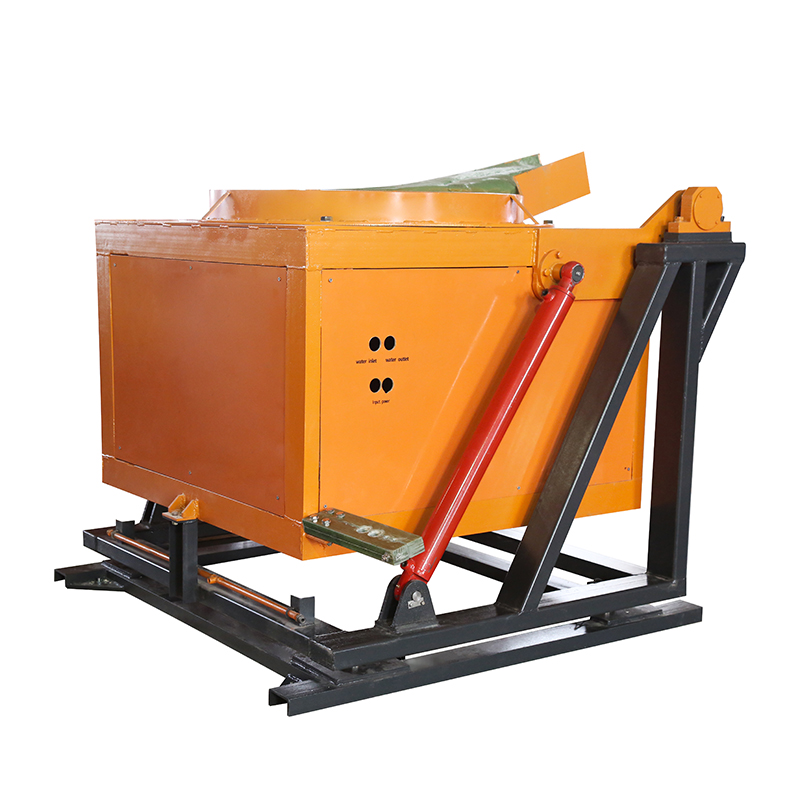
Steel Shell Induction Furnace for Reliable Metal Melting
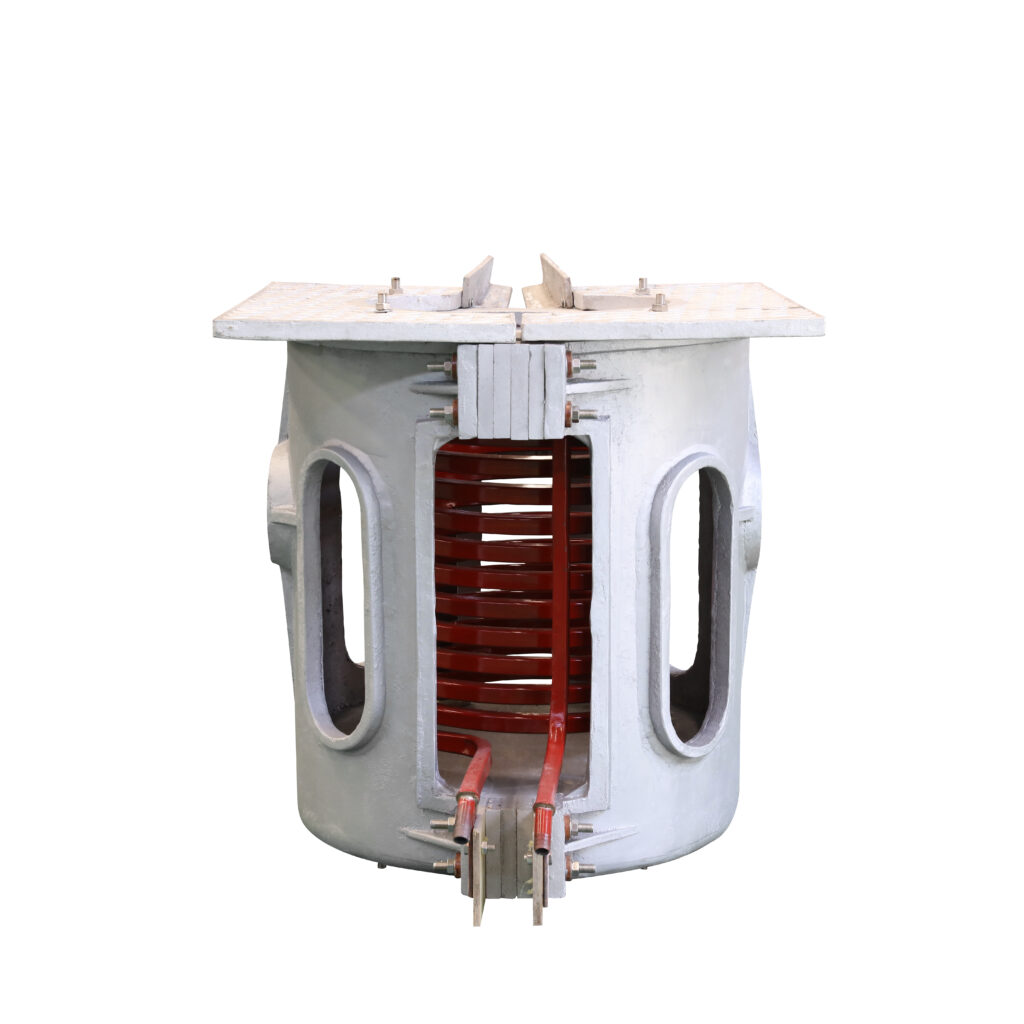
A steel shell induction furnace is designed for foundries, steel plants, recycling workshops and metal processing factories that require stable melting performance, safer operation and long service life. Compared with a traditional aluminum shell furnace, the steel shell structure is stronger, more durable and better suited for medium and large-capacity melting applications.
For companies that melt steel, iron, stainless steel, copper, aluminum or alloy materials every day, furnace stability directly affects production efficiency, operating cost and final metal quality. Choosing a well-designed steel shell induction furnace can help reduce downtime, improve melting speed and make daily operation safer.
What Is a Steel Shell Induction Furnace?
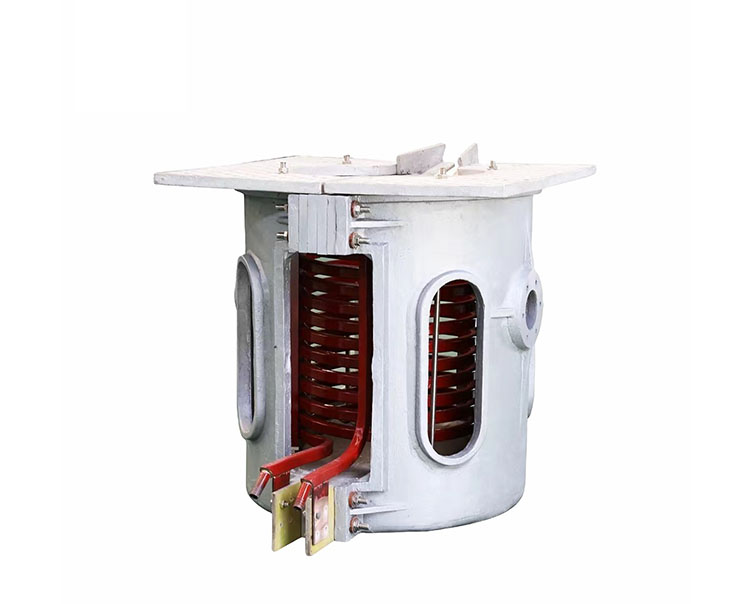
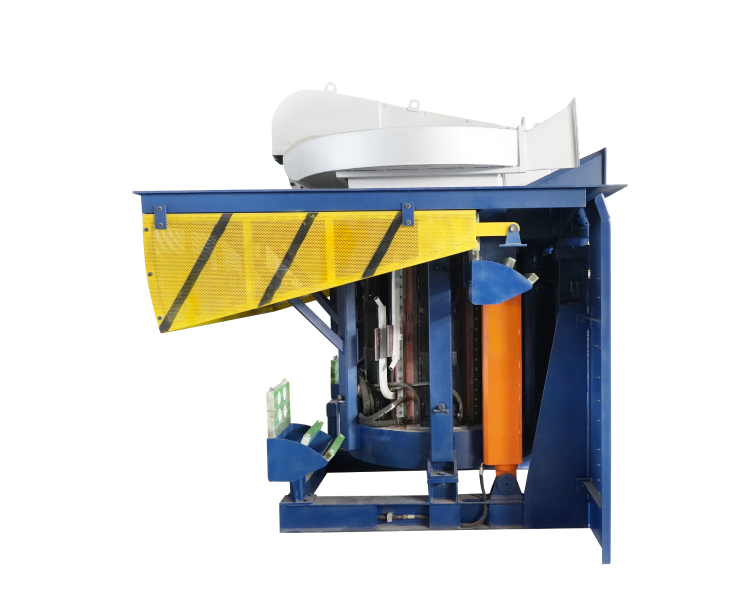
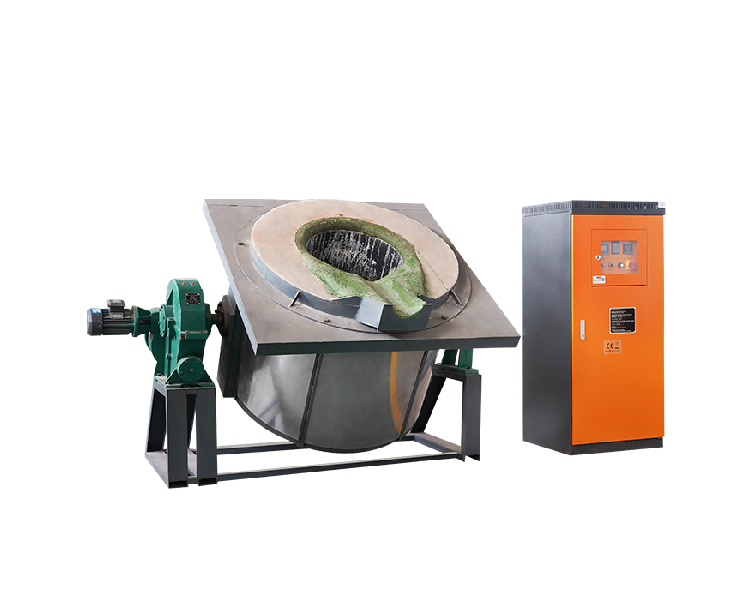
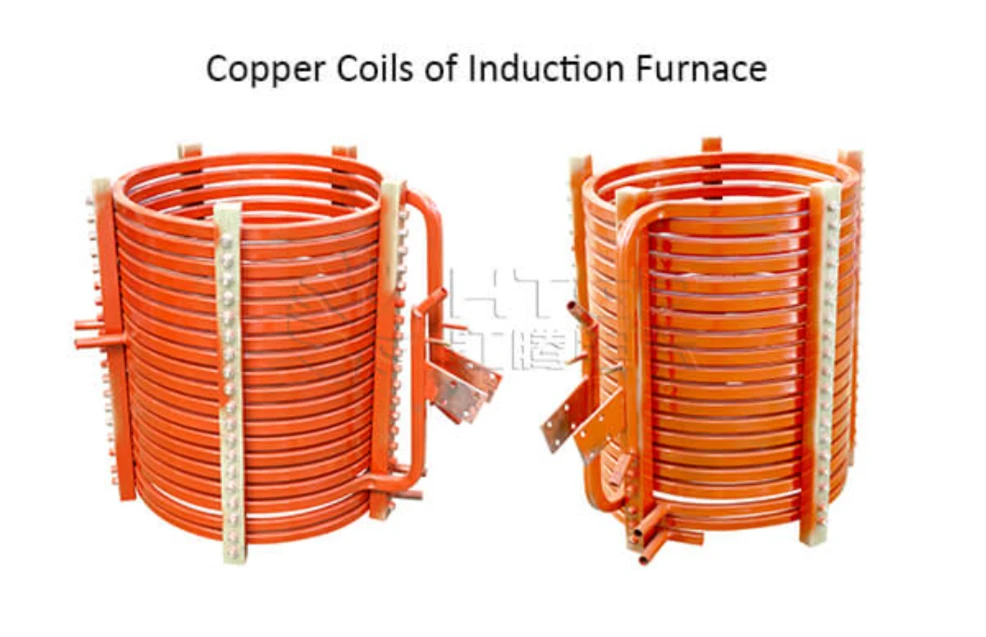
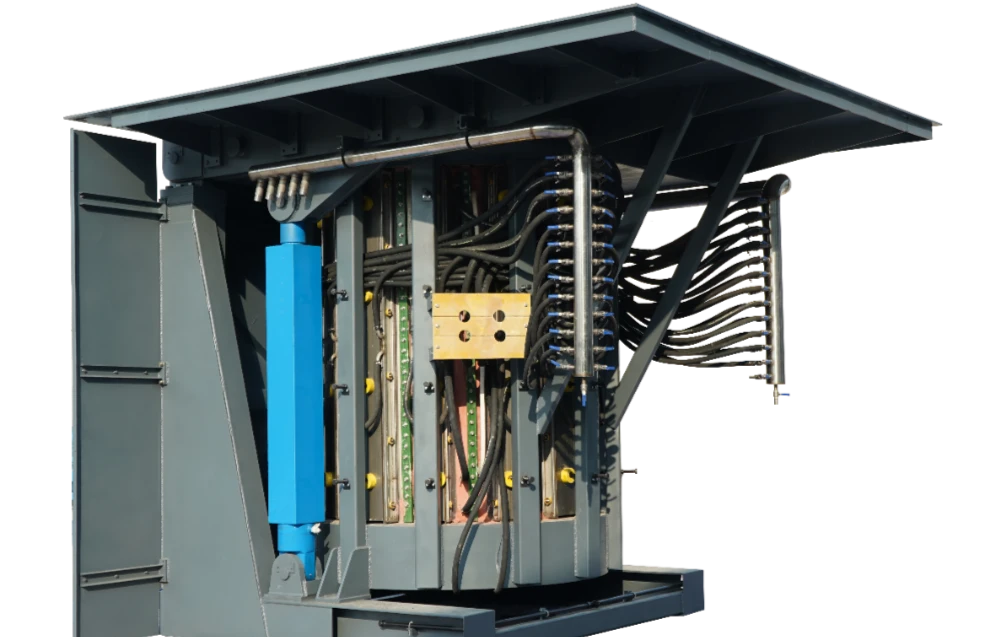
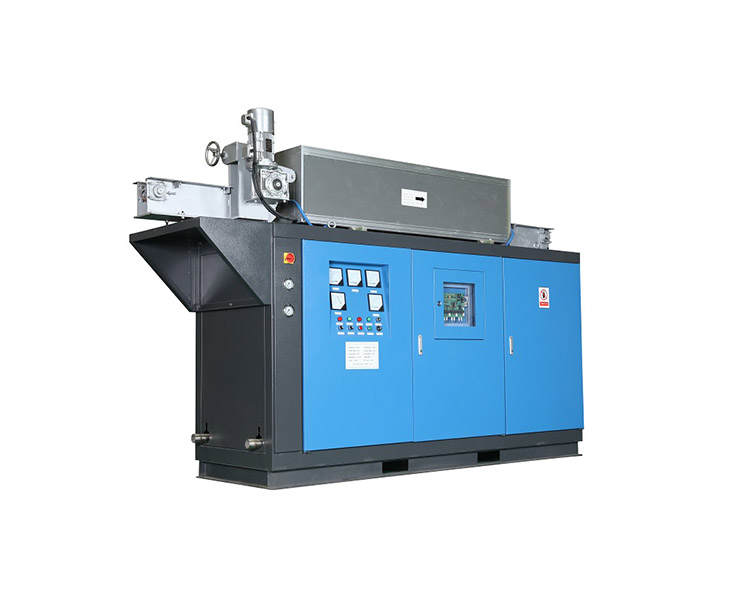
A steel shell induction furnace is a medium frequency induction melting furnace with a rigid steel frame and strong furnace body. It uses electromagnetic induction to heat and melt metal charge materials quickly and evenly. The furnace body is usually equipped with a magnetic yoke, hydraulic tilting system, water-cooled cables, induction coil, refractory lining and electrical control cabinet.
The steel shell design gives the furnace better mechanical strength, lower vibration and higher safety during melting and pouring. It is especially suitable for continuous production lines and workshops with high melting frequency.
Why Choose a Steel Shell Induction Furnace?
1. Stronger Furnace Structure
The steel shell furnace body has high rigidity and can better withstand mechanical stress during charging, melting and tilting. This helps keep the furnace stable during long-term operation and reduces deformation risk.
2. Safer Tilting and Pouring
Most steel shell induction furnaces use hydraulic tilting. The pouring process is smoother, easier to control and safer for operators. This is important when handling high-temperature molten metal.
3. Better Magnetic Efficiency
A steel shell furnace is usually equipped with magnetic yokes around the induction coil. These yokes help reduce magnetic leakage, improve electrical efficiency and lower energy waste.
4. Longer Lining Life
Stable furnace structure and uniform electromagnetic force can reduce excessive lining wear. With proper refractory material and daily maintenance, the lining life can be improved, lowering production cost.
5. Suitable for Larger Capacity
Steel shell induction furnaces are commonly used for medium and large melting capacities. They are suitable for foundries that need higher output, faster melting speed and more reliable operation.
Steel Shell Furnace vs Aluminum Shell Furnace
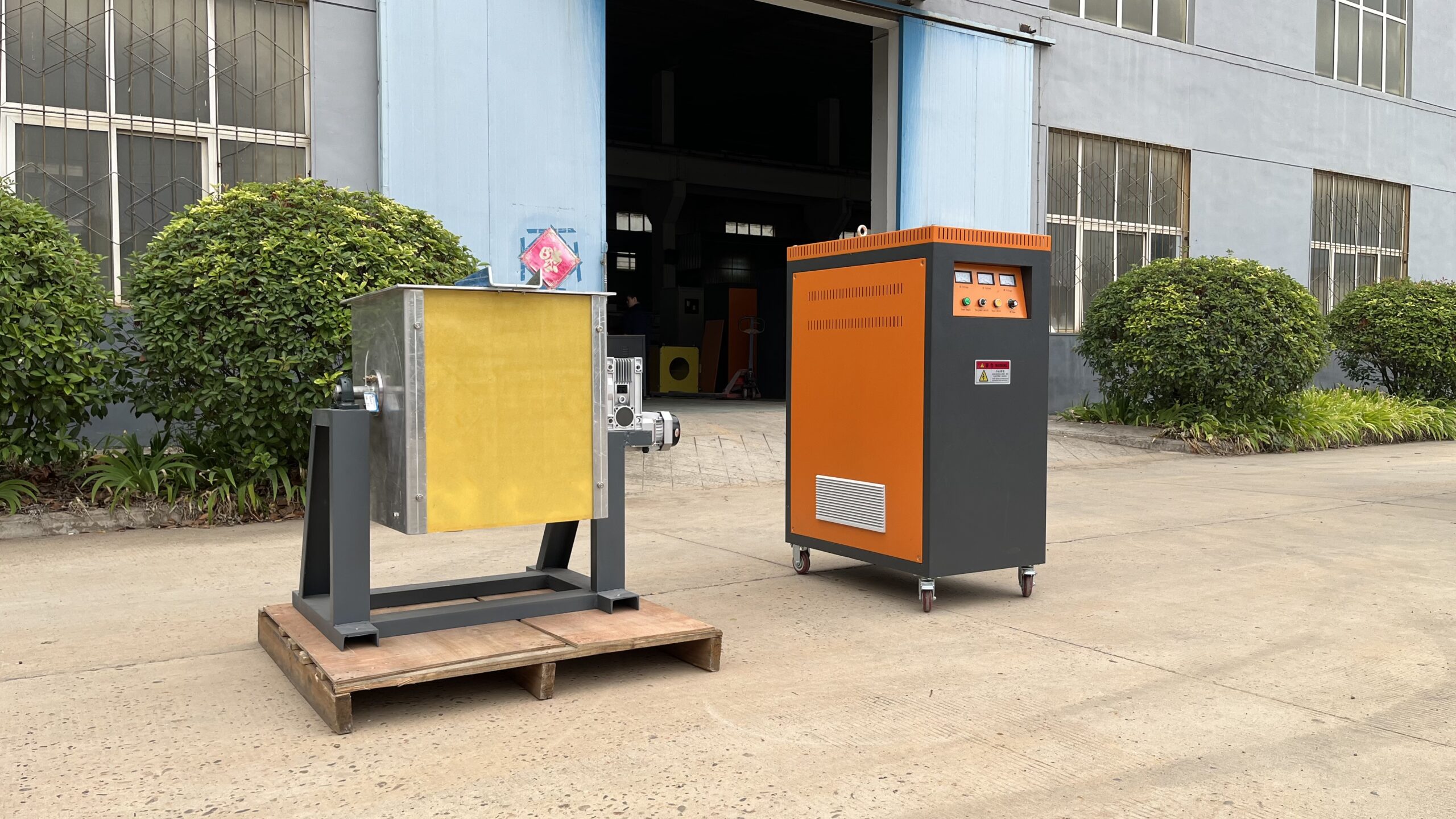
An aluminum shell induction furnace is usually more economical and suitable for small-capacity melting. However, for heavy-duty production, a steel shell furnace offers better performance.
Steel shell induction furnace advantages include:
- Higher structural strength
- Better safety during tilting
- Lower vibration and noise
- Better magnetic shielding
- Longer service life
- More suitable for continuous production
- Better choice for medium and large-capacity melting
If your factory only melts small batches occasionally, an aluminum shell furnace may be enough. But if your production requires stable daily melting, higher capacity and safer operation, a steel shell induction furnace is usually the better investment.
Applications
Steel shell induction furnaces are widely used for:
- Scrap steel melting
- Cast iron melting
- Stainless steel melting
- Copper and brass melting
- Aluminum alloy melting
- Alloy steel production
- Foundry casting
- Metal recycling
- Precision casting workshops
The furnace can be customized according to melting material, batch capacity, melting time, power supply conditions and workshop layout.
How to Choose the Right Steel Shell Induction Furnace
Before selecting a furnace model, you should confirm several key production requirements:
- Metal type: steel, iron, copper, aluminum or alloy
- Capacity per batch
- Required melting time
- Daily production output
- Local voltage and power supply
- Cooling water conditions
- Pouring method
- Workshop space and layout
- Automation requirements
A professional furnace manufacturer can recommend the right furnace capacity, power configuration, cooling system and control system based on these details.
Why Work With Zhongji?
Zhongji provides customized induction melting furnace solutions for metal melting and casting plants. We can supply steel shell induction furnaces, power supply systems, capacitor cabinets, cooling systems, hydraulic tilting systems and complete production line support.
Send us your required capacity, melting material, voltage and production target. Our engineering team can help you choose a suitable steel shell induction furnace and provide a practical configuration plan for your workshop.
FAQ
Is a steel shell induction furnace suitable for scrap steel melting?
Yes. Steel shell induction furnaces are widely used for melting scrap steel, iron and stainless steel because they offer stable operation, strong structure and efficient melting performance.
What capacity can a steel shell induction furnace provide?
The capacity can be customized according to production needs, from small and medium foundry furnaces to large industrial melting furnaces.
Is the steel shell furnace more expensive than an aluminum shell furnace?
Usually yes, but it provides better durability, safety and long-term operating stability, making it more suitable for high-output production.
Can the furnace be customized?
Yes. Capacity, power, voltage, tilting method, cooling system and control system can be customized according to your factory conditions.